Taipei, Taiwan —
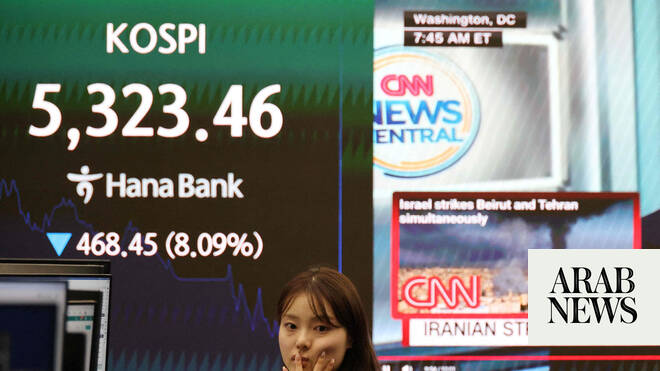
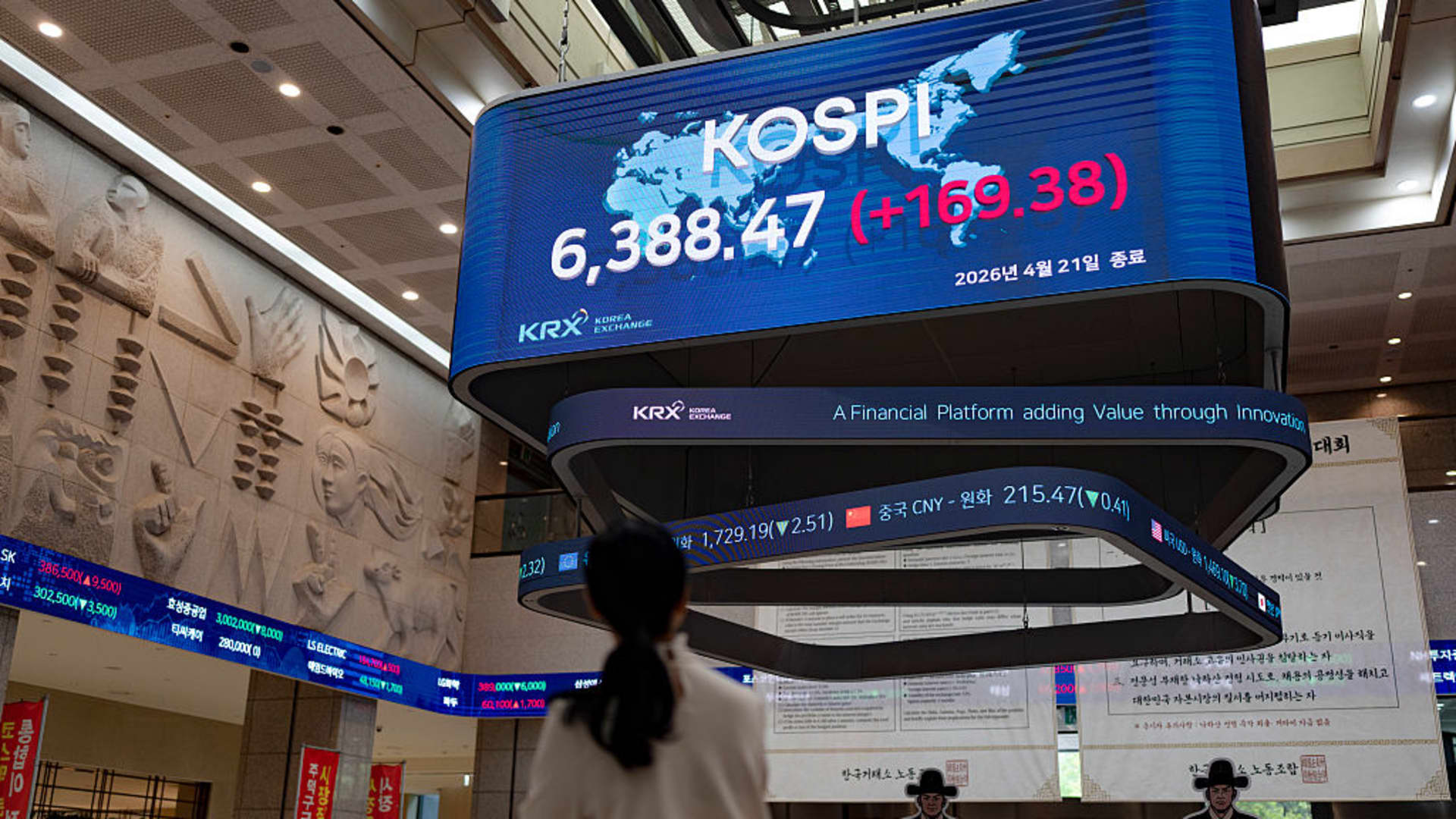
In South Korea, a global energy supply crunch has hit hard. Officials have advised energy conservation, cut growth forecasts and warned of fallout from high inflation and 17-year lows in the value of its currency. Yet the nation’s largest companies are raking in record profits, and its stock market is hitting all-time highs.
The contradiction underscores how, in Asia, there are now two economic realities.
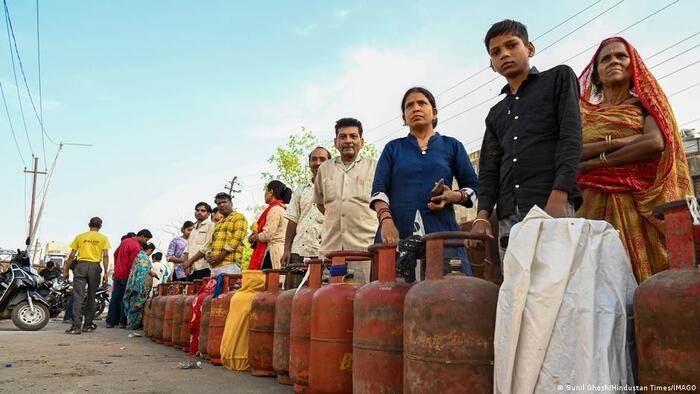
The historic oil shock caused by the war in Iran is accelerating a divergence of economic fortunes across the region. One is driven by tech giants and the promises of artificial intelligence. The other is darkened by fuel scarcity and rising prices that threaten a humanitarian crisis.
As the disproportionate impact of oil shortages in Asia widens the divide, economists warn that the phenomenon has significant ramifications for monetary policy, political stability, and future economic growth across the continent – and other parts of the world that rely on it for trade.