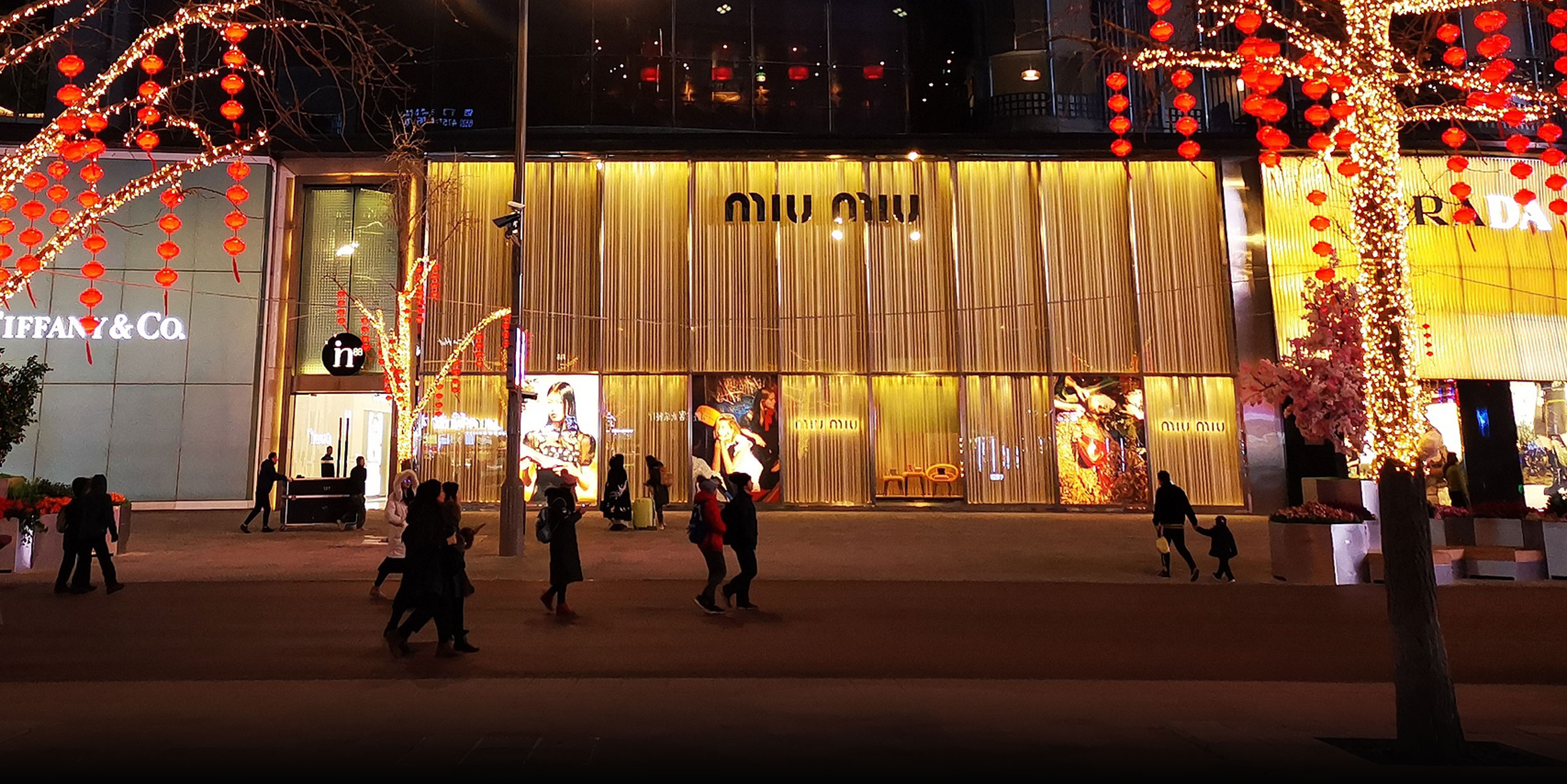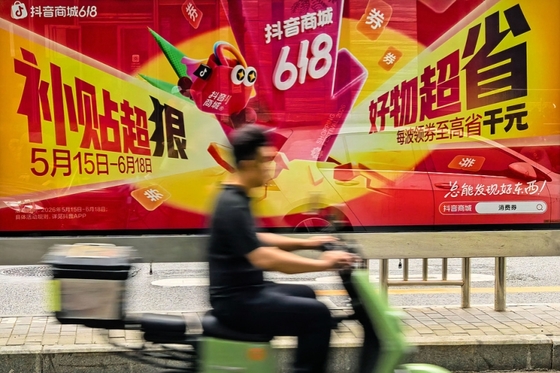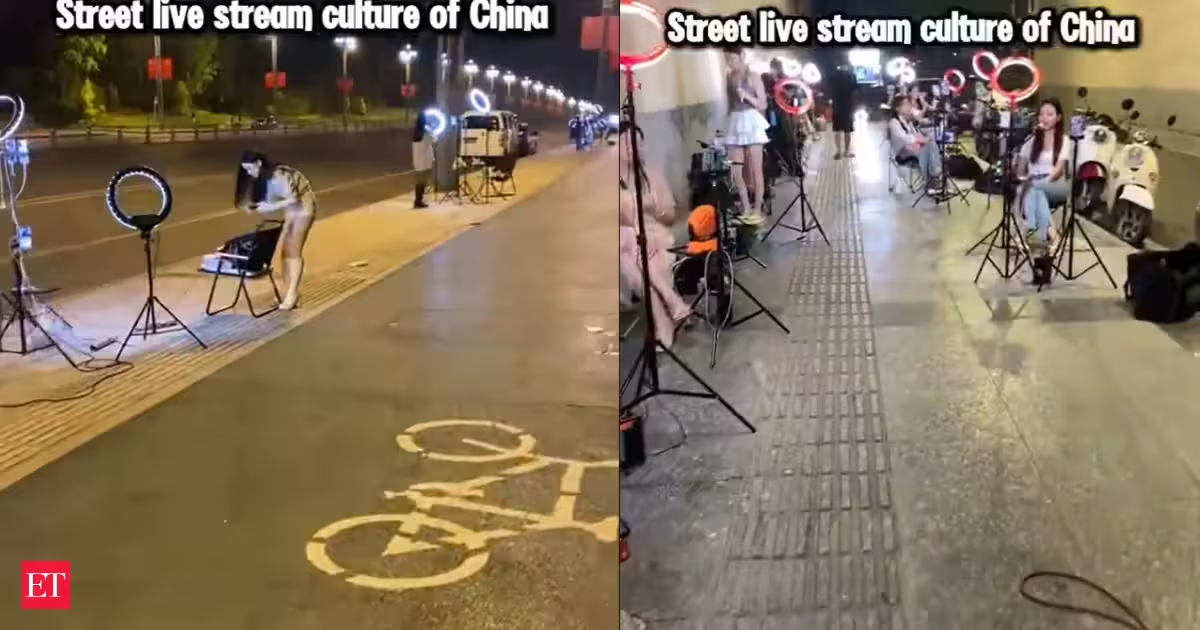
Several luxury brands reportedly banned residents of a neighborhood known for its concentration of livestreamers and influencers in China’s eastern city of Hangzhou from buying their products online. The restrictions were quietly lifted by Tuesday, but the move has sparked wider discussion over consumer rights and the costs businesses face from returns.
Domestic media first reported the issue last Friday after a customer was told by a representative of an unnamed store that the entire Yingfeng neighborhood was restricted from online purchases because there were too many bai piao — a slang term referring to customers who exploit platforms’ seven-day no-reason return policy to claim refunds on used products.
China adopted its seven-day online return policy in 2014, allowing consumers to return eligible online purchases and receive a full refund within seven days of receipt, without having to provide a reason. Returned items must meet certain conditions, such as being in good condition.
Several e-commerce platforms — including Taobao, Kuaishou, and Pinduoduo — later expanded consumer protections, introducing “refund-without-return” policies. Under the policies, buyers could in certain cases apply for, and obtain, refunds for products with quality issues directly through the platform without merchant approval or needing to return the goods. The policies have since been adjusted to grant merchants greater autonomy in handling after-sales disputes, but some customers continue to exploit them.