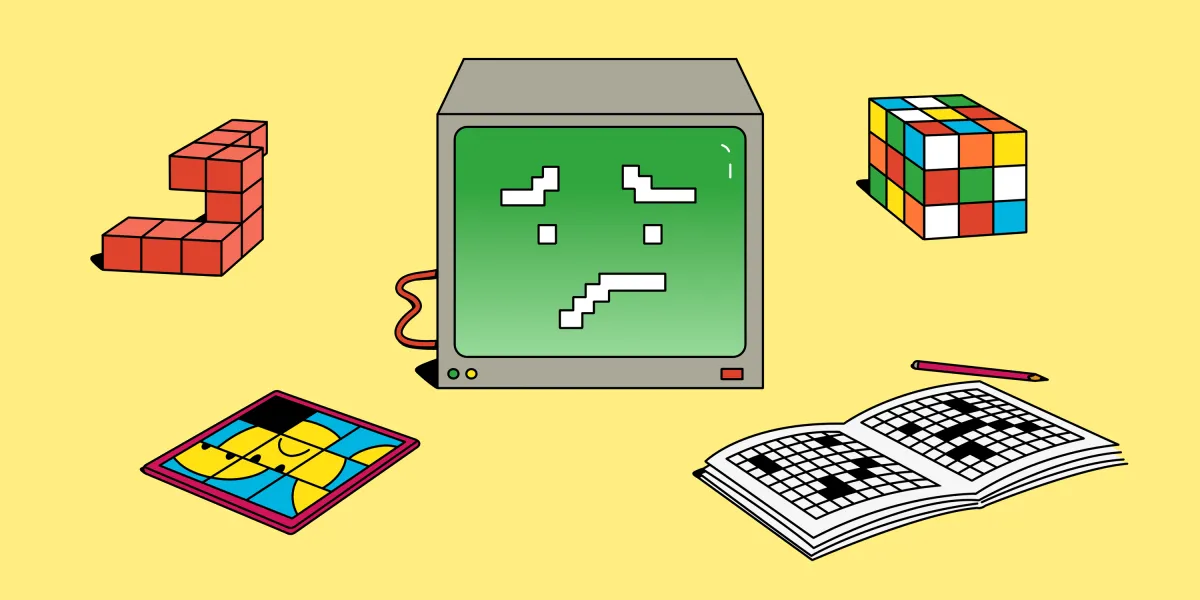
For decades, the IQ test has been one of the most familiar — and most contested — yardsticks for human intelligence. Now, a startup project called AI IQ is applying the same metaphor to artificial intelligence, assigning estimated intelligence quotients to more than 50 of the world's most powerful language models and plotting them on a standard bell curve.
The result is a set of interactive visualizations at aiiq.org that have ricocheted across social media in the past week, drawing praise from enterprise technologists who say the charts make an impossibly complex market legible — and sharp criticism from researchers and commentators who warn the entire framework is misleading.
"This is super useful," wrote Thibaut Mélen, a technology commentator, on X. "Much easier to understand model progress when it's mapped like this instead of another giant leaderboard table."
Brian Vellmure, a business strategist, offered a similar endorsement: "This is helpful. Anecdotally tracks with personal experience."
But the backlash arrived just as quickly. "It's nonsense. AI is far too jagged. The map is not the territory," posted AI Deeply, an artificial intelligence commentary account, crystallizing a worry shared by many researchers: that reducing a language model's sprawling, uneven capabilities to a single number creates a dangerous illusion of precision.