One OS, two speeds: How Red Hat Enterprise Linux is bridging AI innovation and enterprise stability
Red Hat Enterprise Linux, the platform underpinning much of enterprise IT, has spent 20 years as the quiet foundation of enterprise computing. Now, as AI moves into production at scale, it’s becoming something more: the control plane for how organizations build, govern and run autonomous systems.
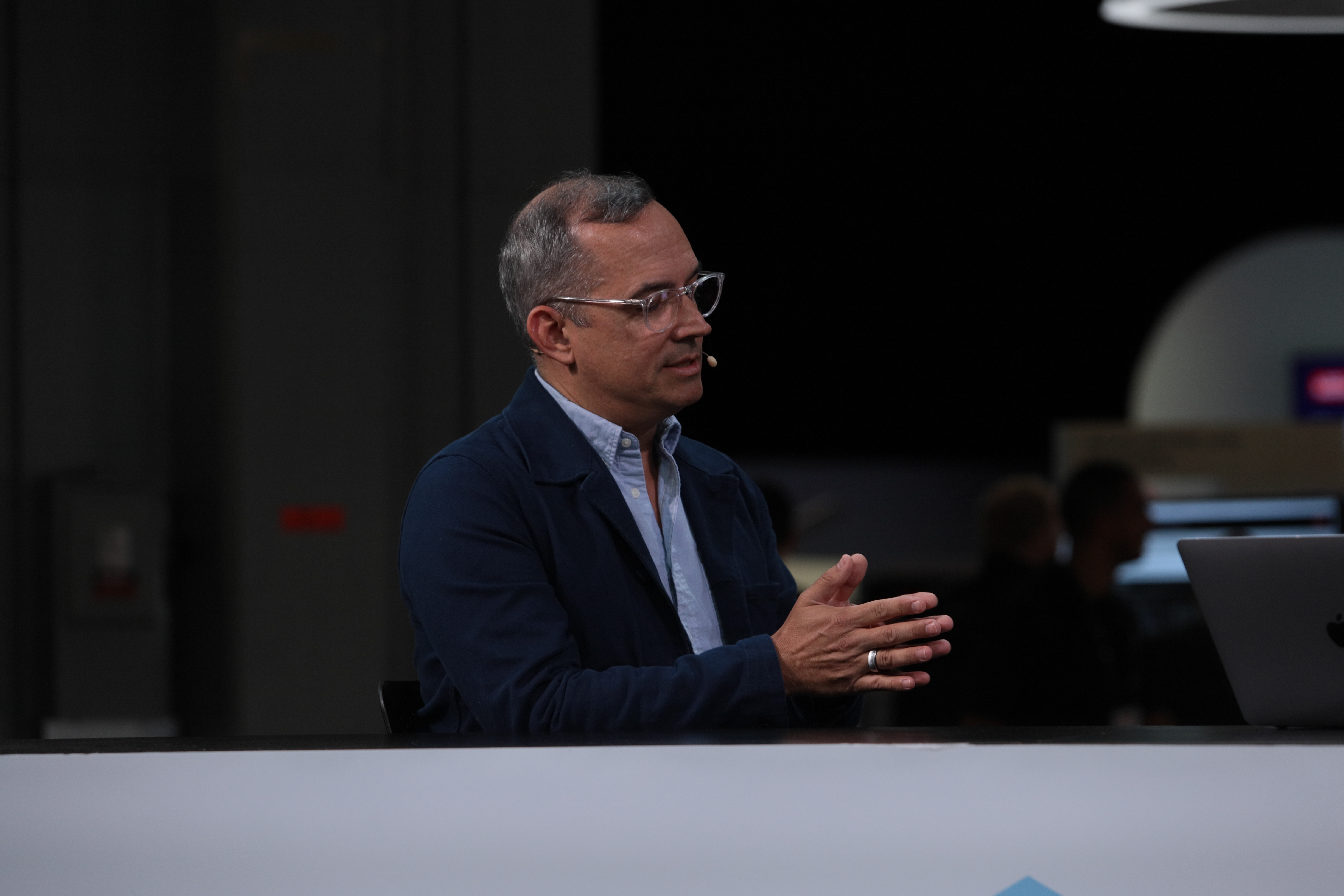
That infrastructure layer is proving more consequential than ever. The choice of operating system now determines how fast organizations can adopt new hardware, comply with emerging regulations and govern autonomous agents — all at the same time, according to Gunnar Hellekson (pictured), vice president and general manager of Red Hat Enterprise Linux at Red Hat Inc.
“Open source and specifically Linux is the foundation for all AI innovation that’s happening now,” Hellekson said. “The entire ecosystem of AI software that’s being developed is all out in open source today. The most meaningful contributions are happening through open source. That makes the operating system a natural collection point for all that innovation.”
Hellekson spoke with theCUBE’s Rob Strechay and Rebecca Knight at Red Hat Summit 2026, during an exclusive broadcast on theCUBE, SiliconANGLE Media’s livestreaming studio. They discussed how Red Hat Enterprise Linux is evolving to serve as both producer and beneficiary of AI innovation, as well as how new offerings are helping enterprises operate at two speeds at once. (* Disclosure below.)