by Kelly Knight
Red Hat Inc. wants to be the one layer everything else builds around — the durable AI ecosystem of the open source era.
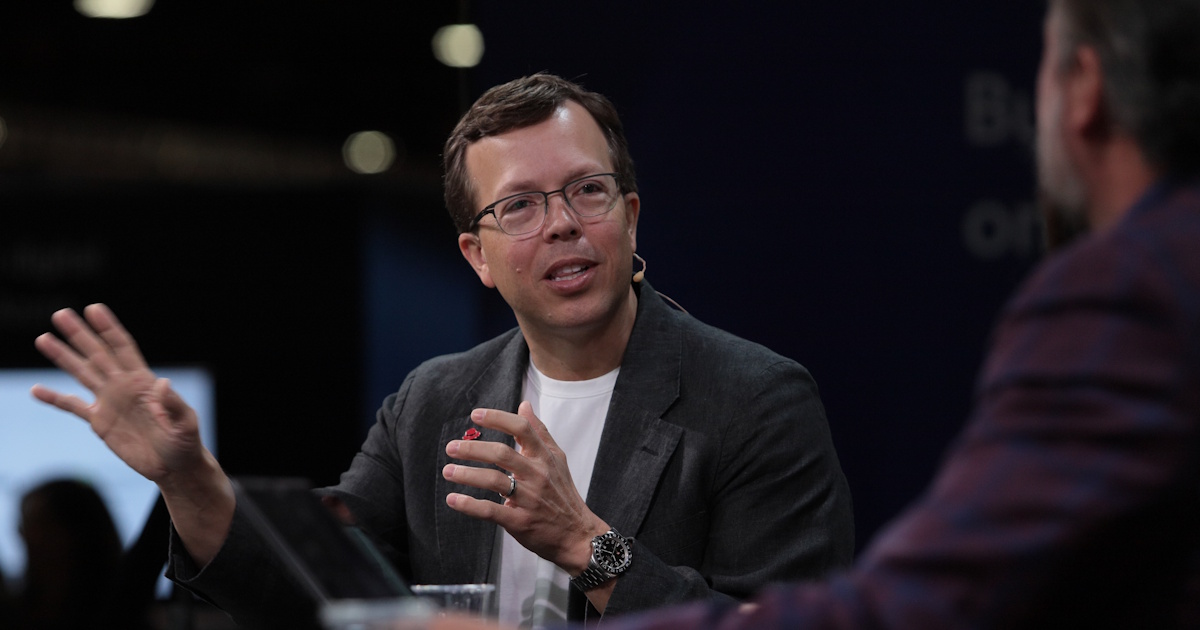
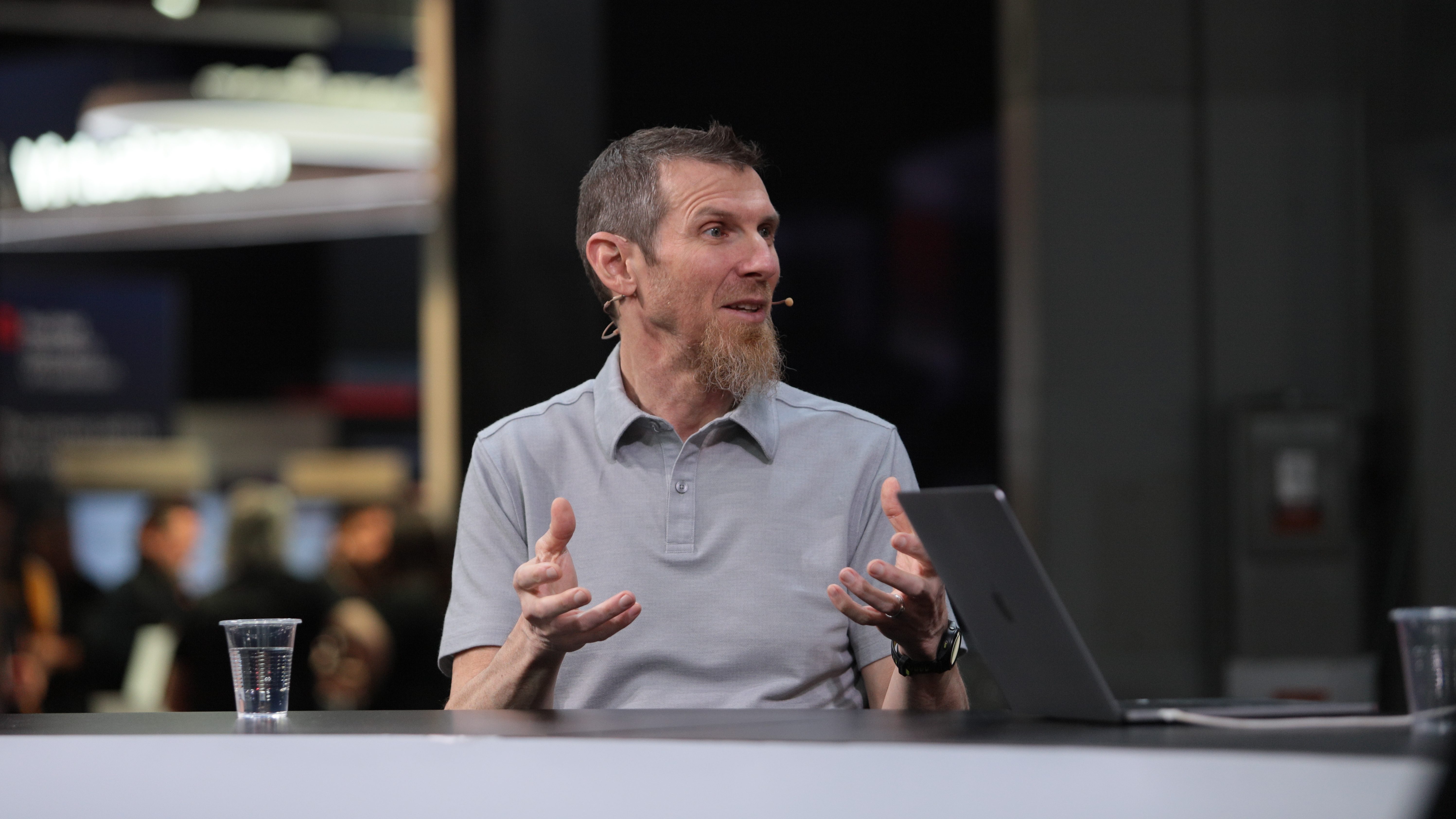
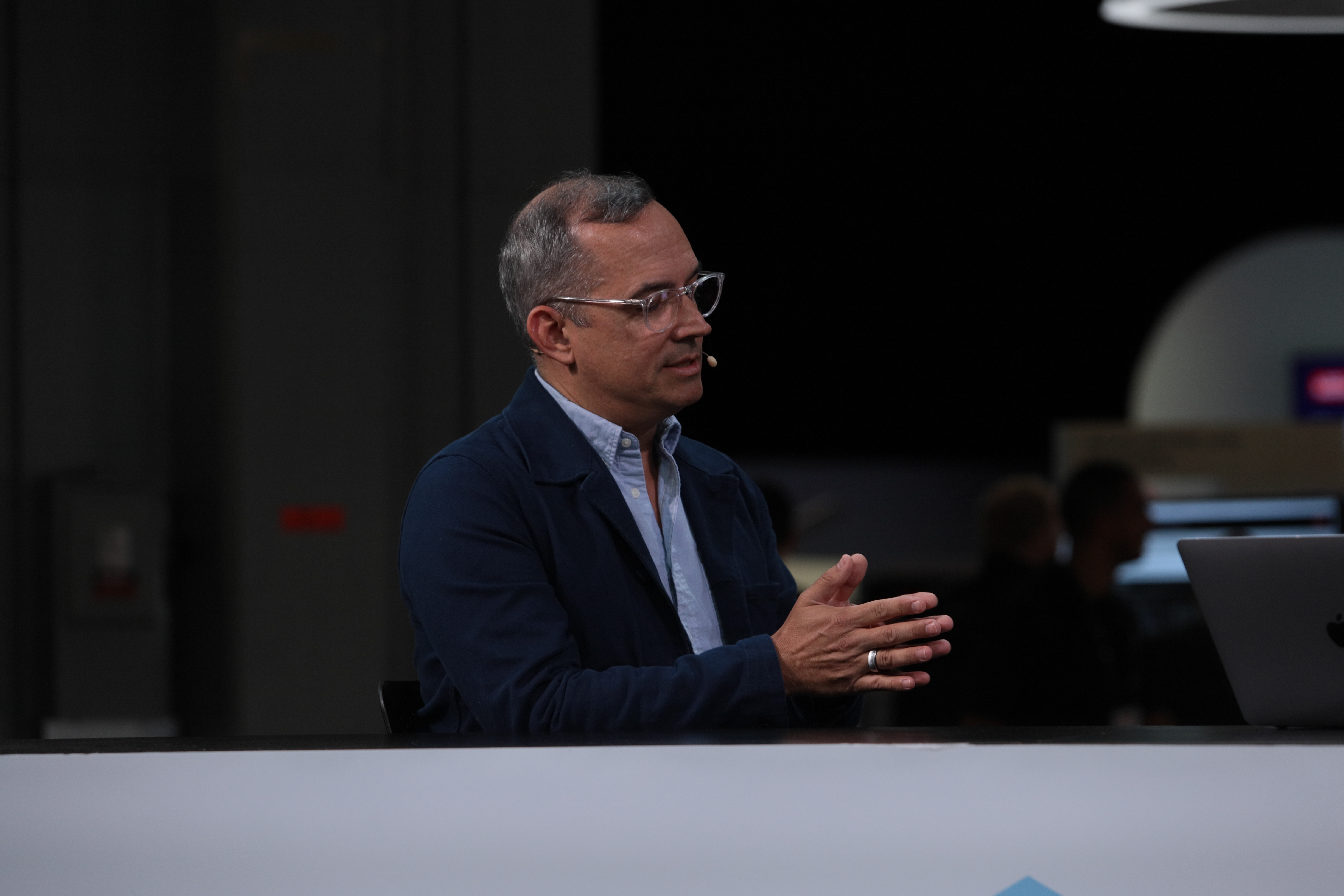
The company has staked its next decade of growth on the conviction that open source will underpin enterprise AI the same way Linux and Kubernetes defined the cloud era. With the launch of Red Hat AI 3.4, the company is positioning itself as the platform of record for inference at scale, agentic deployment and token economics — the building blocks of any durable AI ecosystem, according to Brian Stevens (pictured, right), senior vice president and AI chief technology officer at Red Hat. Central to that pitch is the claim that private, on-premises inference can now match the unit economics of the big cloud providers.
“[Model providers] compete on two attributes: the value of the token — who has the best model — and the economics of the cost of that token,” Stevens said. “That’s what we’ve changed. We’re putting in the hands of our clients and an open source community the most efficient token economics possible.”
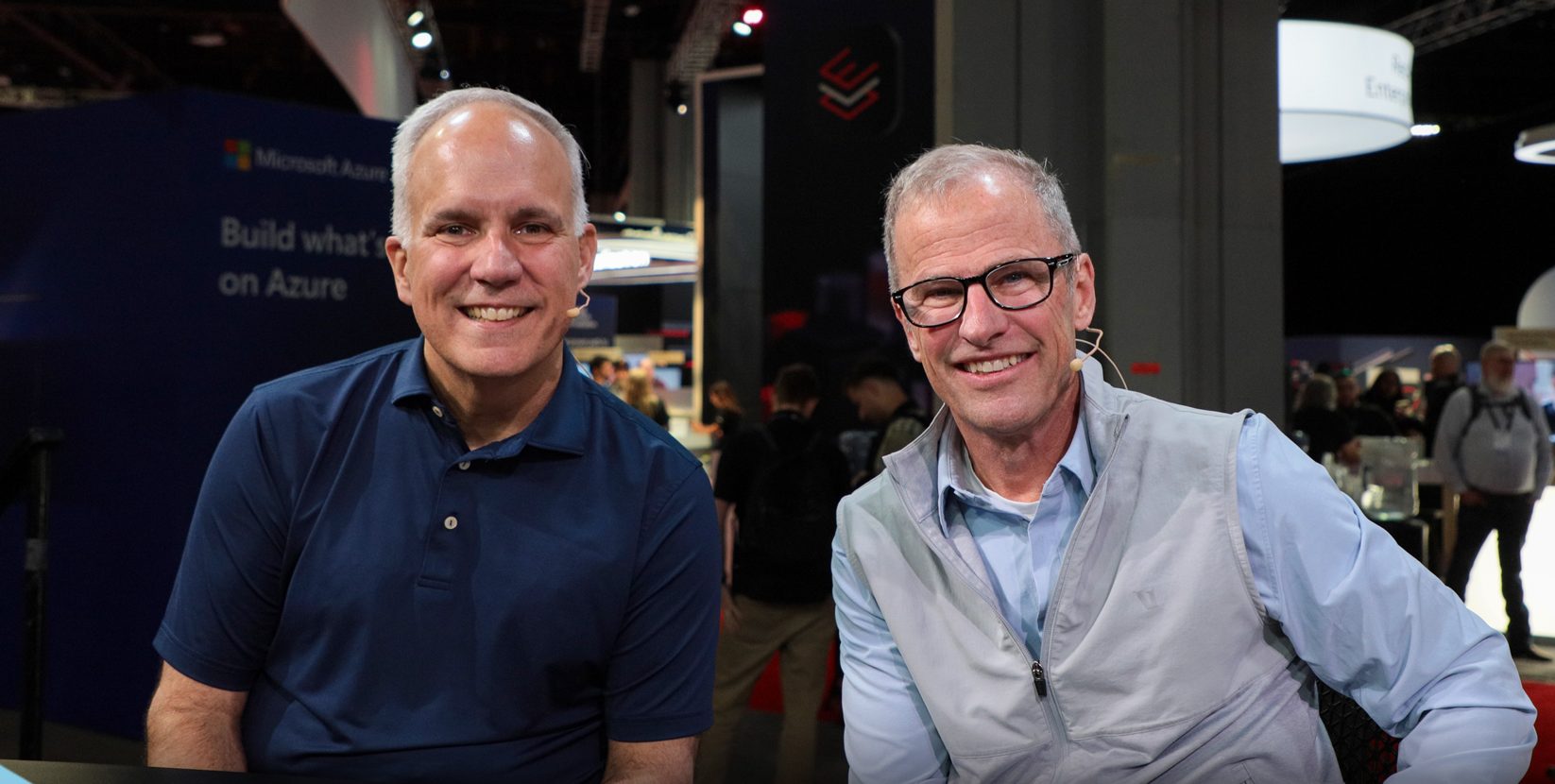
Stevens and Joe Fernandes (left), vice president and general manager of the AI business unit at Red Hat, spoke with theCUBE’s Rob Strechay and Rebecca Knight at Red Hat Summit 2026, during an exclusive broadcast on theCUBE, SiliconANGLE Media’s livestreaming studio. They discussed inference economics, agent governance and the open source path to a durable AI ecosystem. (* Disclosure below.)