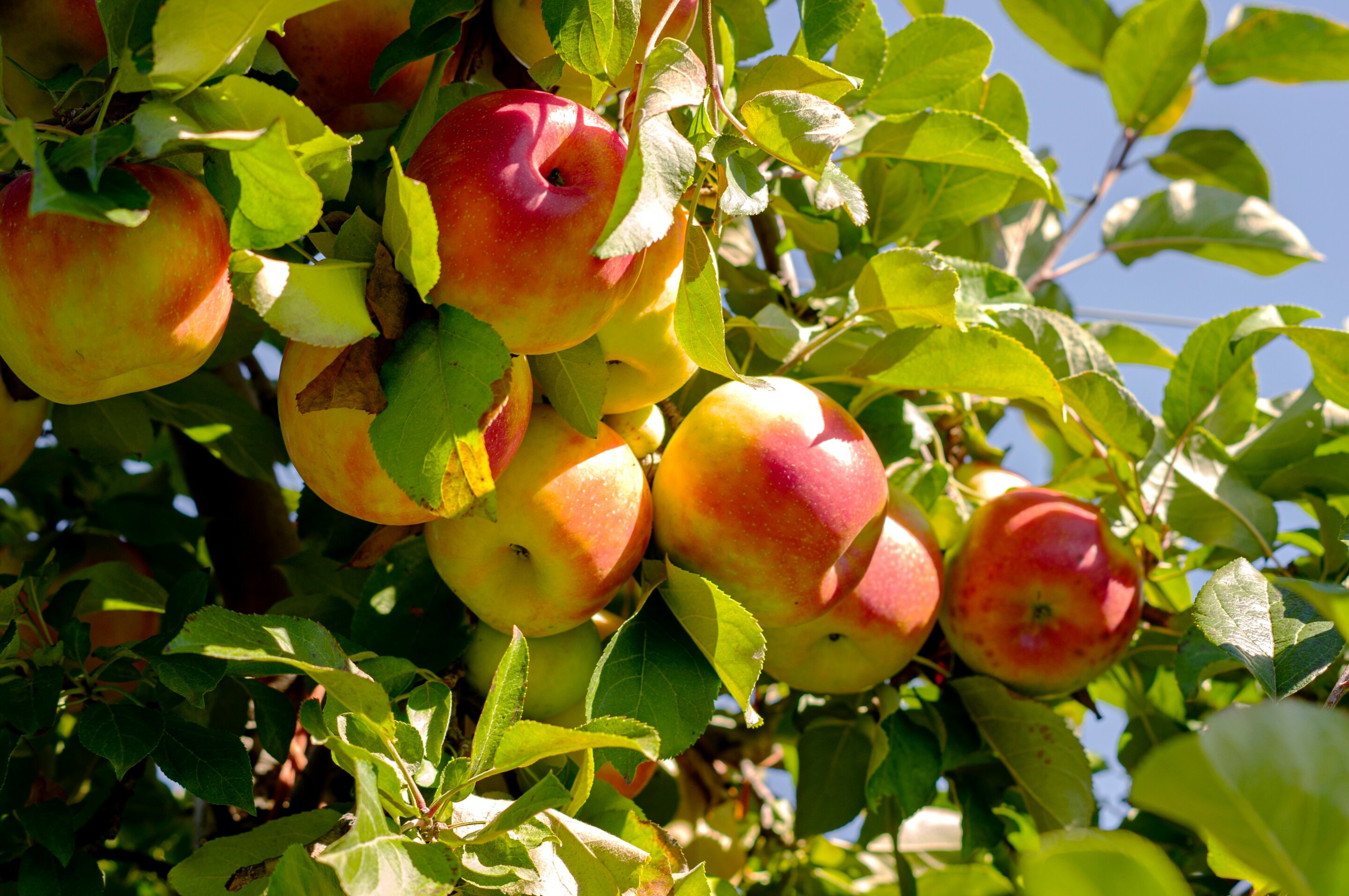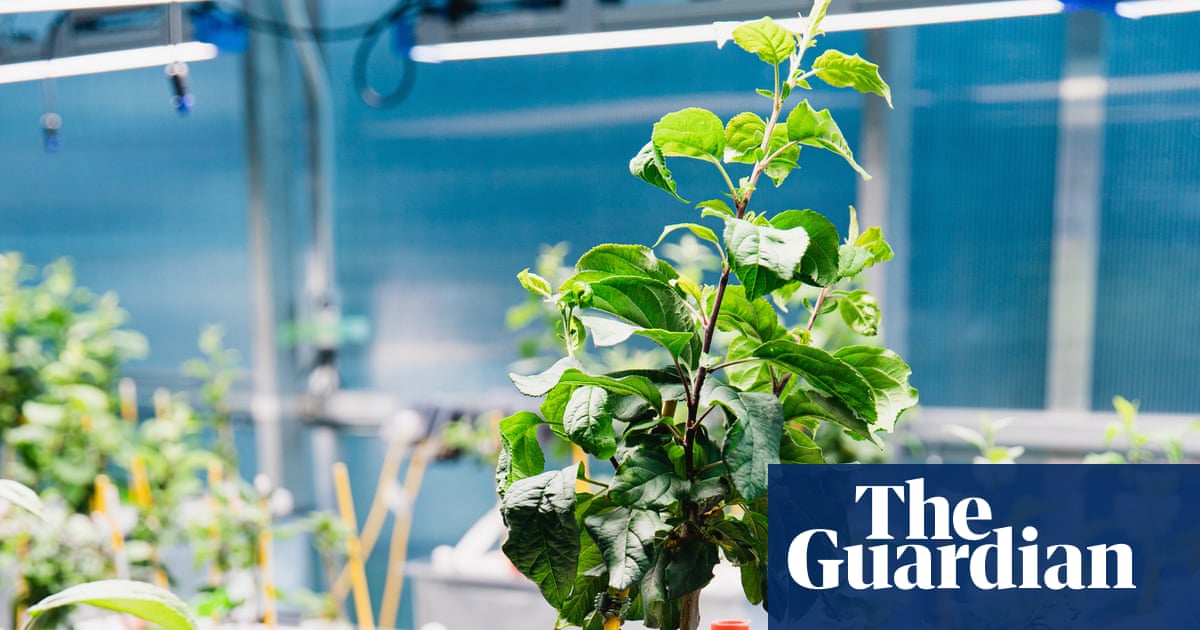
Scientists are focusing on improving apples’ resilience after stressors like wild temperature swings and drought
Terence Robinson still remembers the Valentine’s Day Massacre – of 2015, not 1929.
For the Cornell University horticulture professor, the term doesn’t conjure up Tommy guns and Al Capone’s Chicago. Instead of a gangster, the culprit in Robinson’s massacre was the weather. And its victims were the apple orchards of the northeastern United States.
“We got a warm-up in February, and then a big cold air mass moved into New York and pushed all the way down into the fruit-growing area of Pennsylvania,” he recalled. “In the spring, we started seeing tree damage.”
Some scientists named the phenomenon “rapid apple decline”. Robinson and his colleagues concluded that the sudden drop in temperature, as much as 65F (18C) in a matter of days, had shocked the orchards, which had started to emerge from dormancy due to the earlier warmth. They also found that the most critical damage wasn’t to the trunks or limbs, but instead to the rootstocks, the very foundations of the trees.