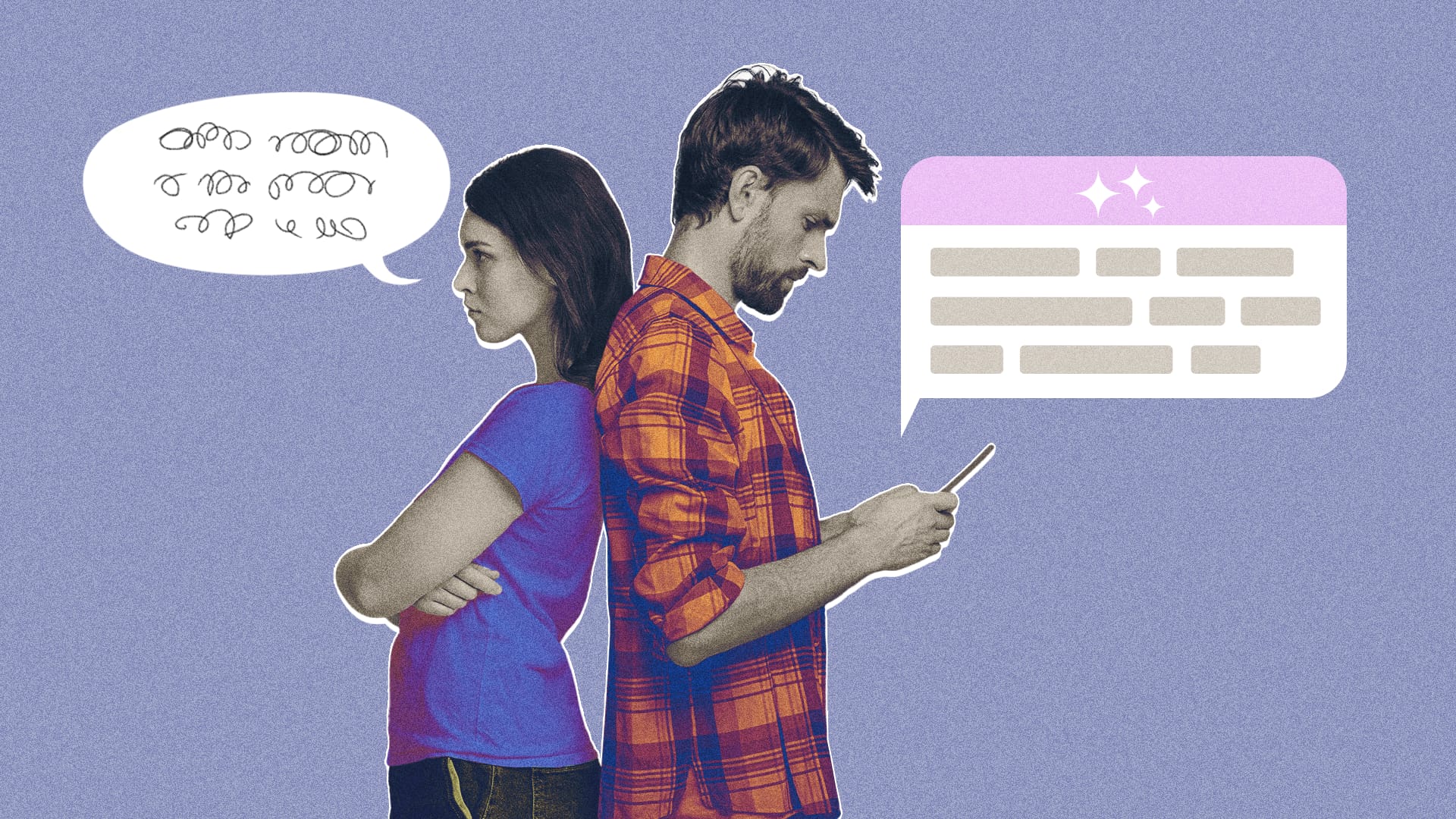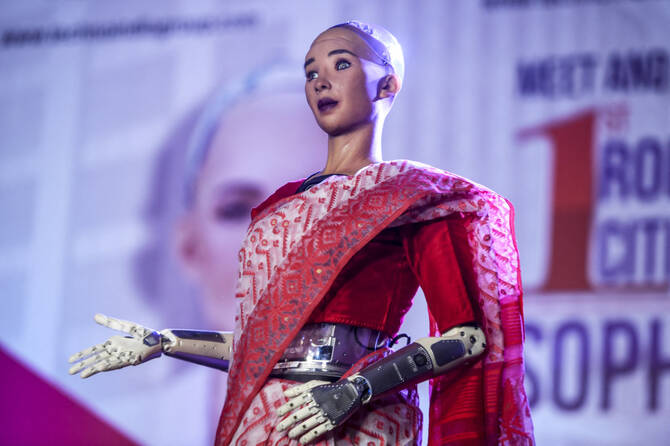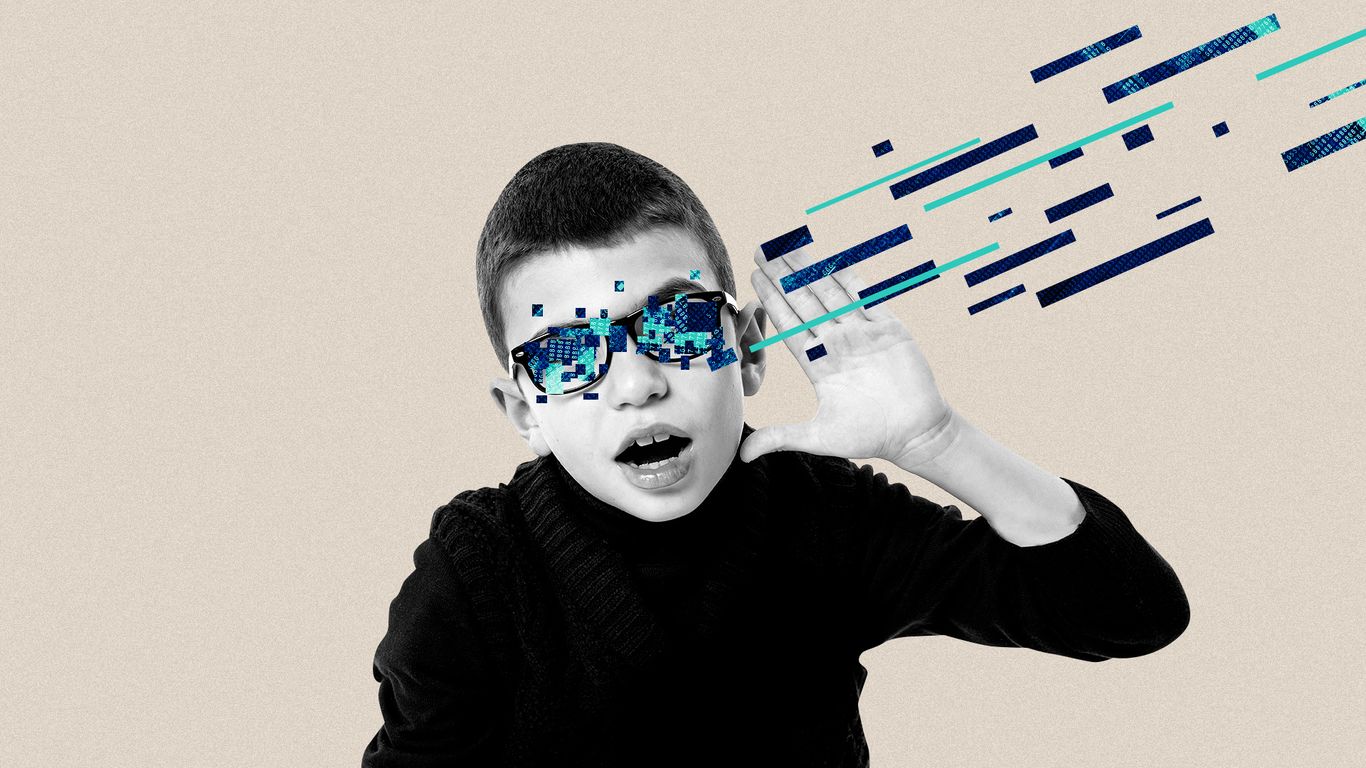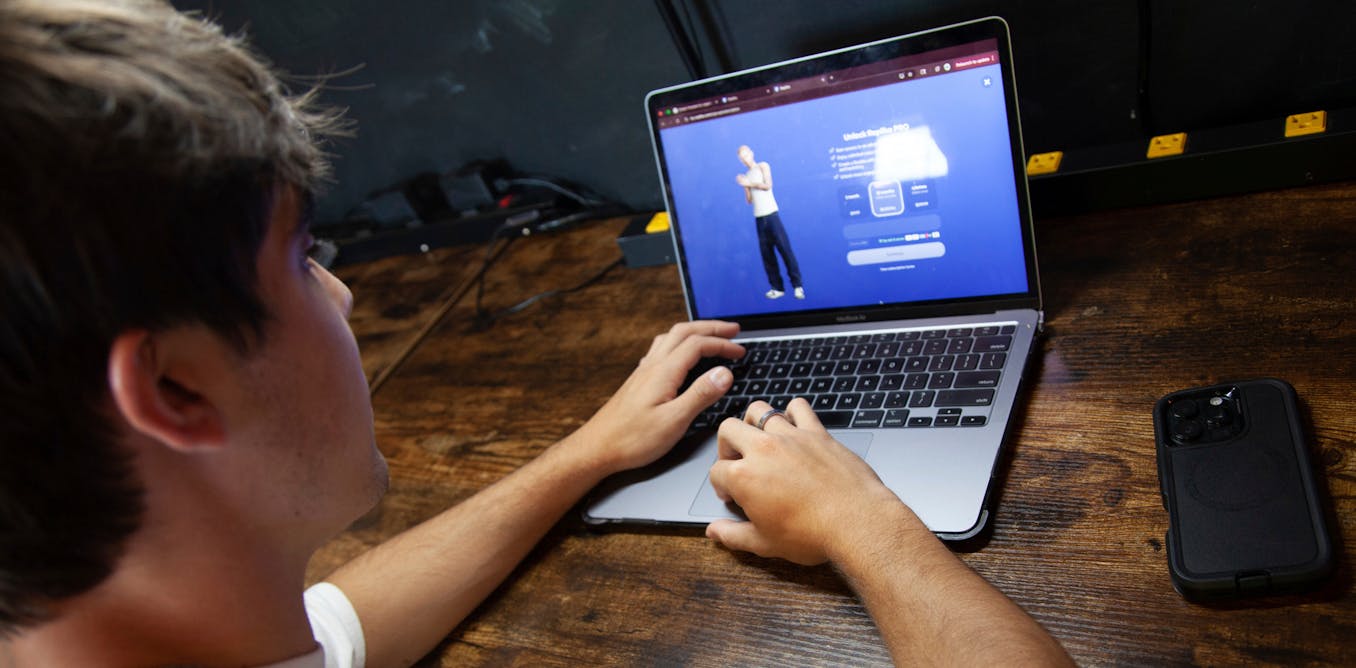
Millions of people around the world now use AI companions — for friendship, emotional support, mental health counselling and romantic interactions. This includes 72 per cent of adolescents, according to one study from the United States.
Meanwhile, human-caused climate change has already led to widespread impacts and rising risks, some of them irreversible. Yet emissions remain high.
As a professor of finance, I see these phenomena as different expressions of the same underlying bias: we apply too high a discount rate to the future.
The idea of a discount rate is straightforward. A dollar today is worth more than a dollar tomorrow. The discount rate tells us by how much. Set that rate too high, and you systematically undervalue what lies ahead. Set it too low, and you over-invest in distant outcomes.
In many parts of life, we set this rate too high. Behavioural economist David Laibson showed that people place disproportionate weight on immediate rewards, even when this leads to worse outcomes over time.