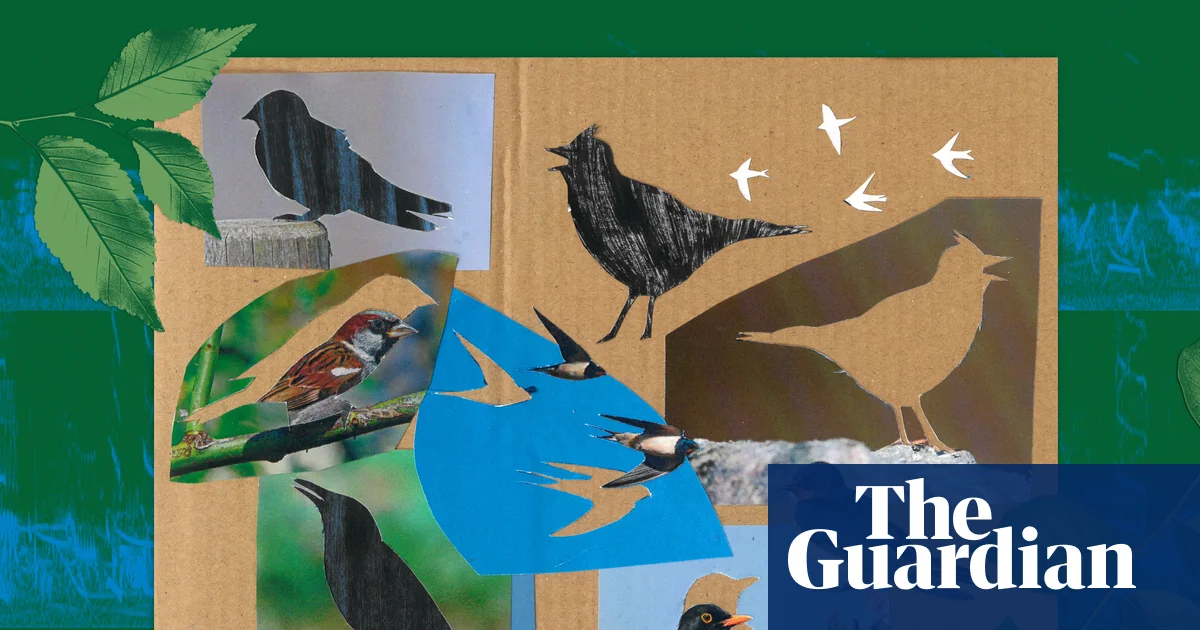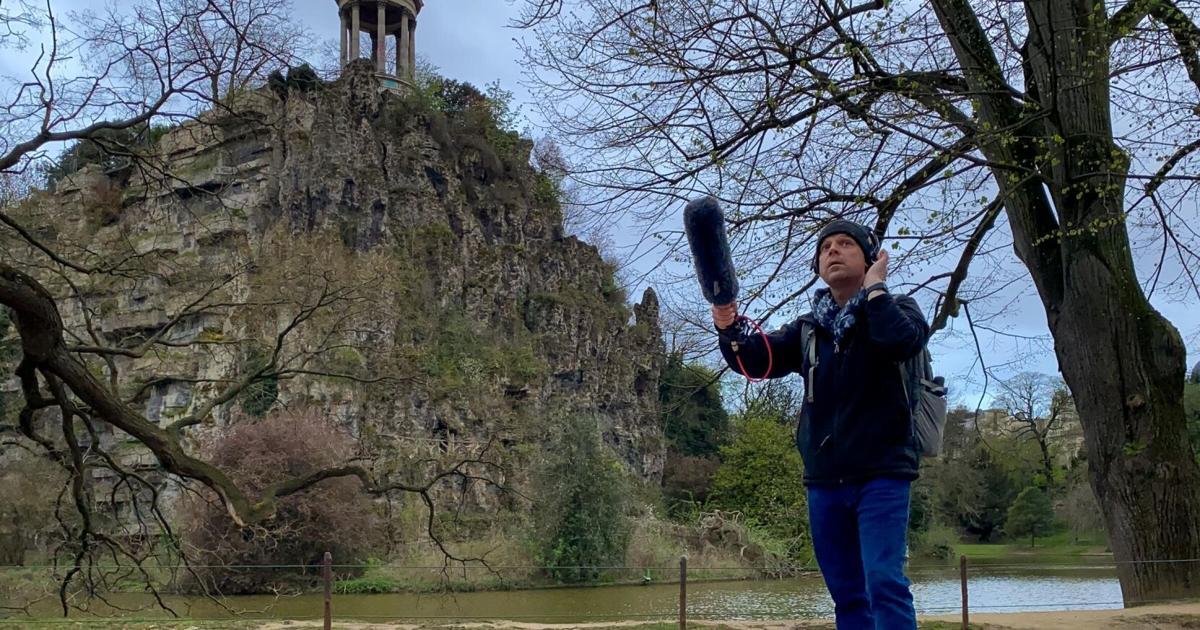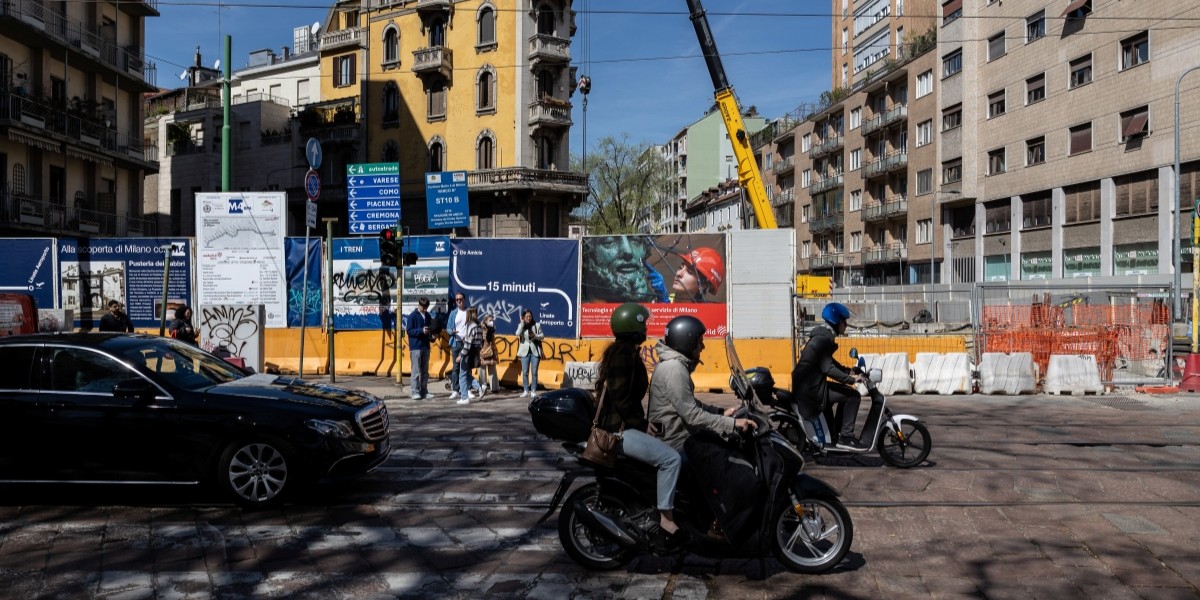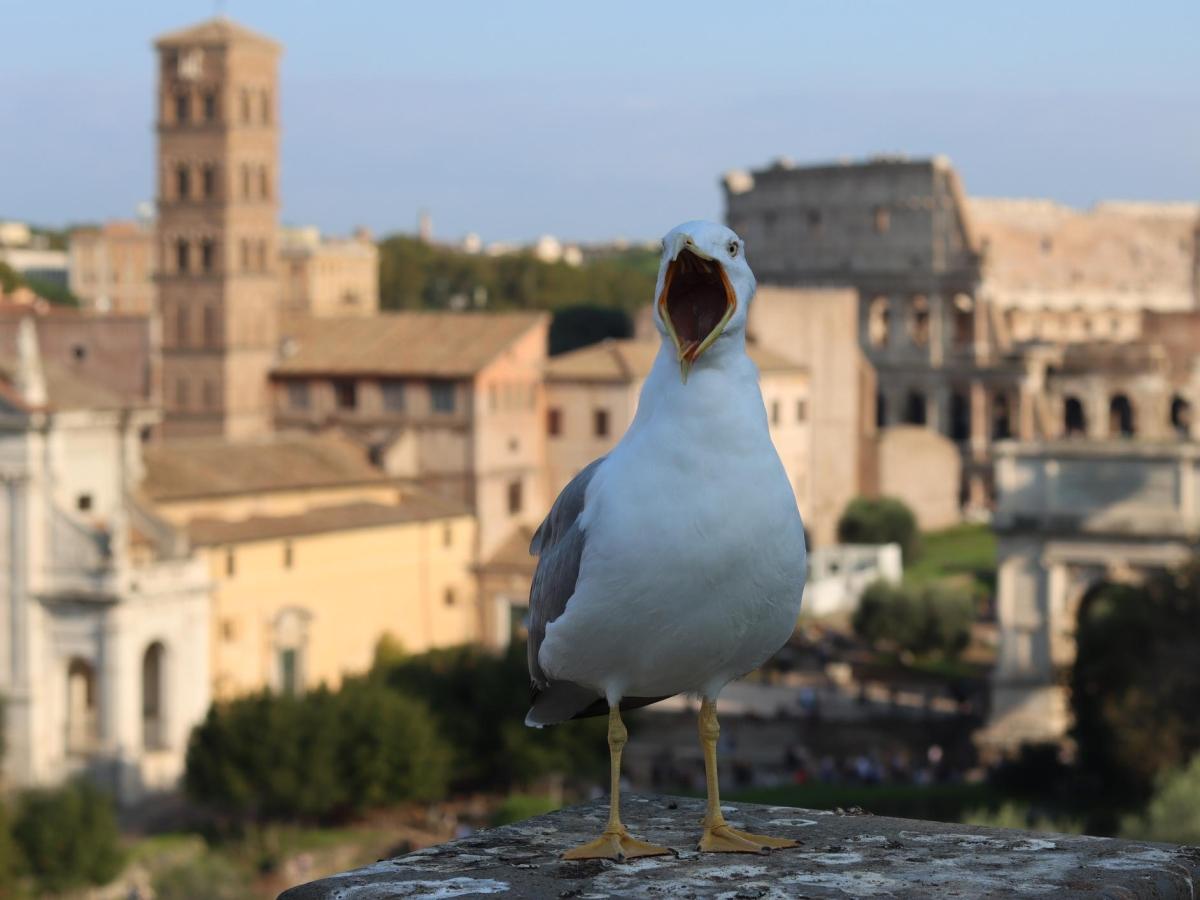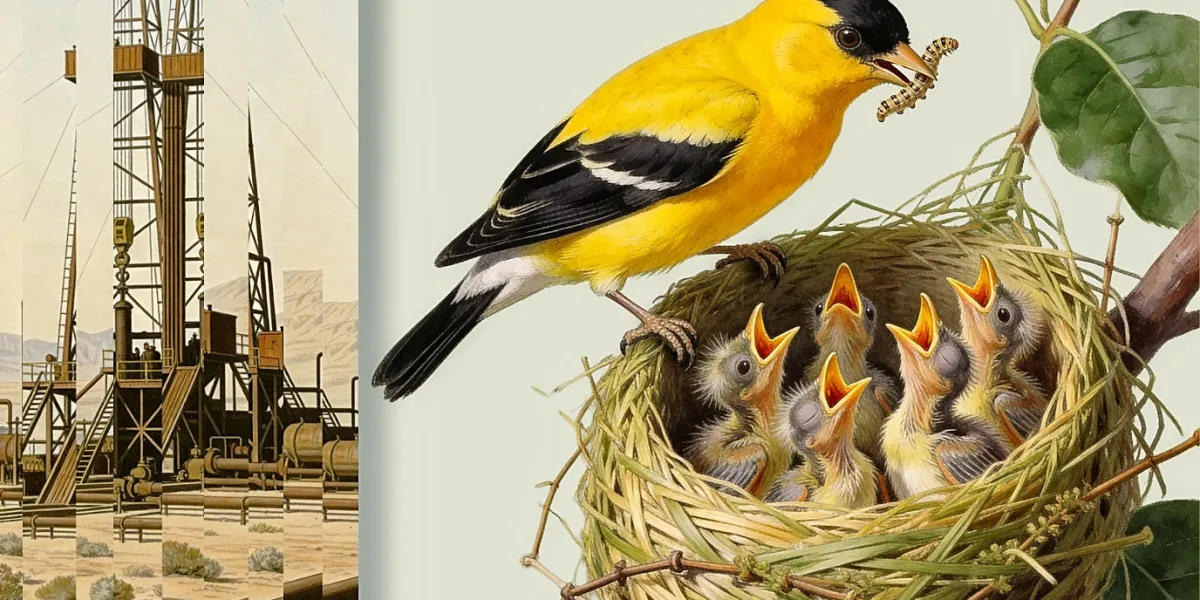
When the covid-19 pandemic started, Jennifer Phillips thought about the songs of the sparrows. They were easier to hear, because the world had suddenly become quieter. Car traffic plummeted as people sheltered at home and shifted to remote work. Air travel collapsed. Cities—normally filled with the honking, screeching, engine-gunning riot of transportation—became as silent as tombs. For years, Phillips has studied how animals react to “anthropogenic noise,” or the racket created by human activity. Most animals really don’t like it, she and her colleagues have learned. Animals constantly listen to the world around them: They’re on the alert for the rustle of approaching predators, or a mating call from a member of their species. As human society has expanded—with sprawling cities, industrial mines, and roads crisscrossing the world—it has gotten noisier too, and animals have trouble hearing one another. Noise is invisible; there’s no billowing smokestack, no soiled waterway. We just got used to it as it vibrated in the background. Phillips and her colleagues had spent time in the 2010s in San Francisco recording the sound of white-crowned sparrows in the Presidio. It’s a park that is half peaceful nature and half automobile noise, since it’s filled with thick clumps of trees and grassy fields but also has two highways that slice through it, feeding onto the Golden Gate Bridge. In past recordings, starting in the 1950s, sparrows had sung with complex and lower-pitched melodies and three major “dialects.” But by the 2010s, traffic in the Presidio had exploded, and the hubbub was so loud that the birds began to sing with faster trills—and at a higher pitch—so their fellows could hear them. The two quietest dialects were either dead or on their way to extinction.
The noise we make is hurting animals. Can we learn to shut up?
The good news is it’s a problem we can solve if we want to.
3,078 words~14 min read