Evidence that the whales and other marine animals are particularly vulnerable to sound is driving calls for quieter vessels
T
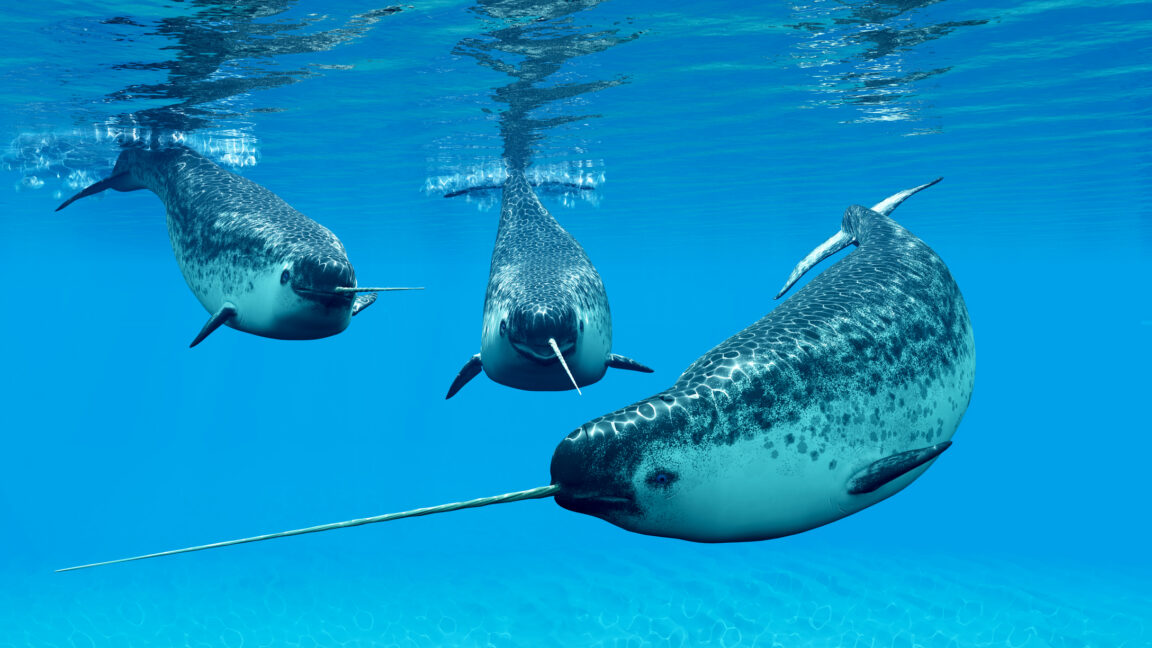
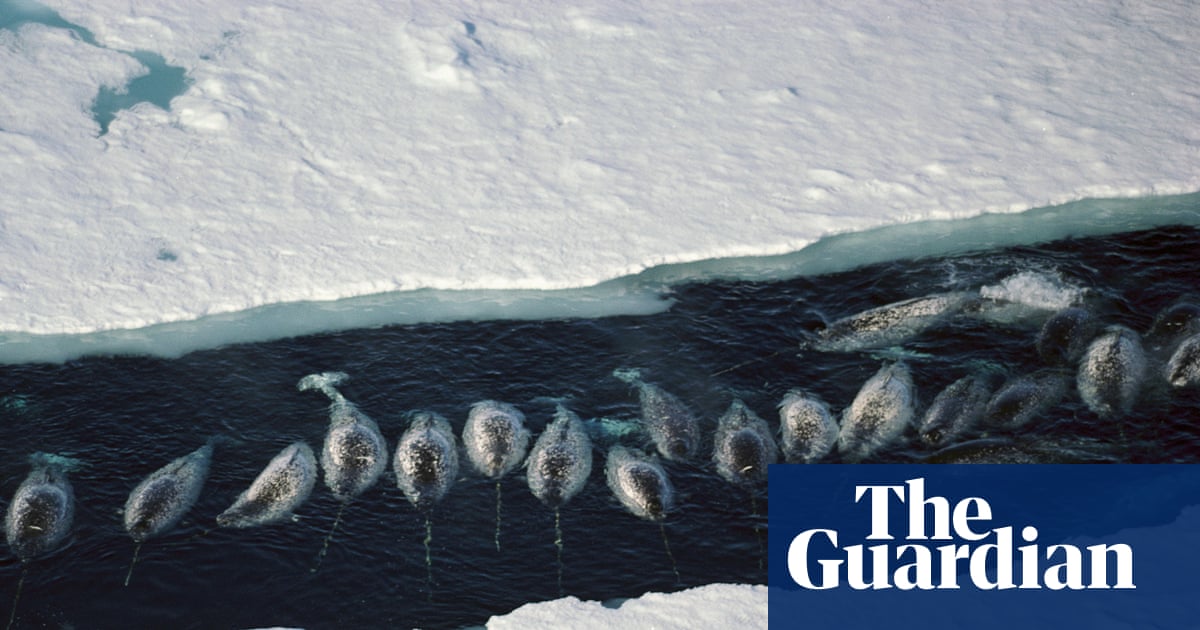
he delicate clicks and whistles of narwhals carry through Tasiujaq, locally known as Eclipse Sound, at the eastern Arctic entrance of the Northwest Passage. A hydrophone in this shipping corridor off Baffin Island, Nunavut, captures their calls as the tusked whales navigate their autumn migration route to northern Baffin Bay.
But as the Nordic Odyssey, a 225-metre ice-class bulk carrier servicing the nearby iron ore mine, approaches, its low engine rumble gives way to a wall of sound created by millions of collapsing bubbles from its propeller. The narwhals’ acoustic signals, evolved for one of Earth’s quietest environments, fall silent.
“Narwhals stop calling or move away from approaching vessels when they hear them,” says Alexander James Ootoowak, an Inuk hunter from Pond Inlet and field technician with the research team that deployed the hydrophone to study these acoustic overlaps.