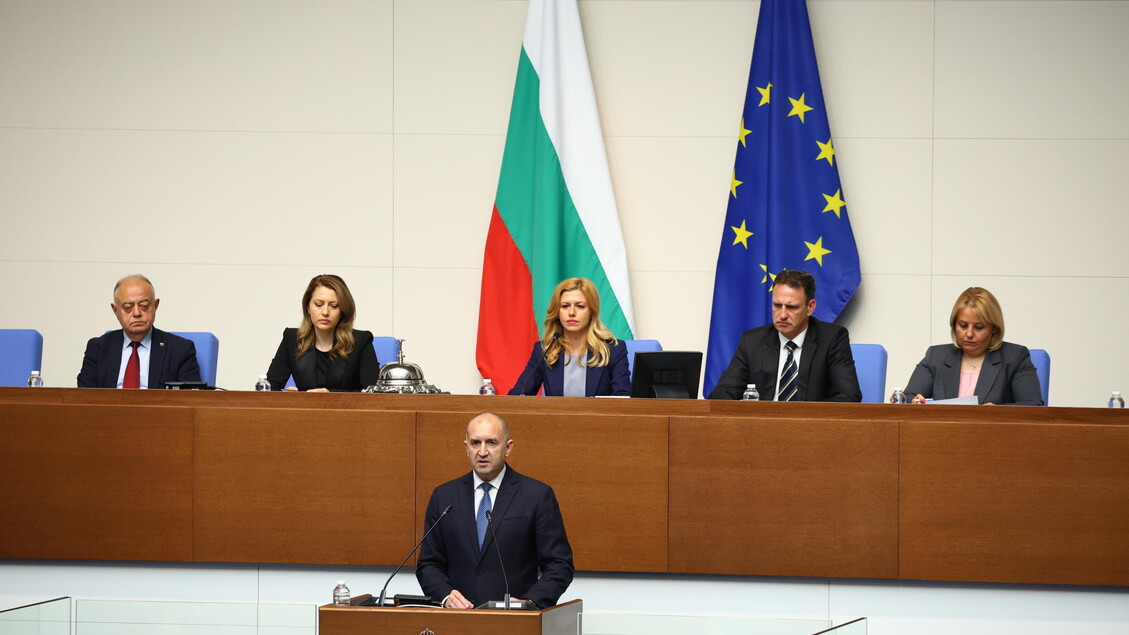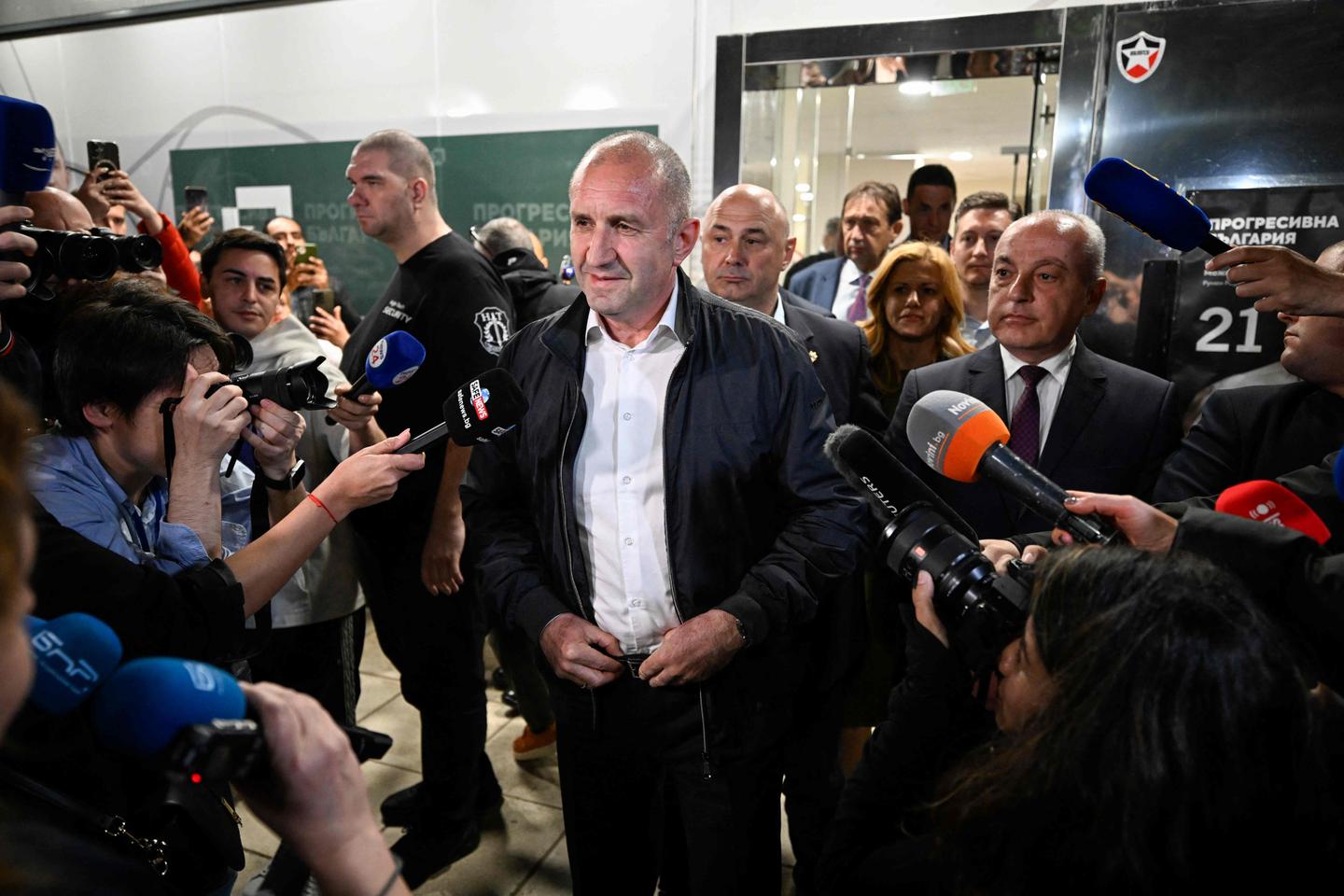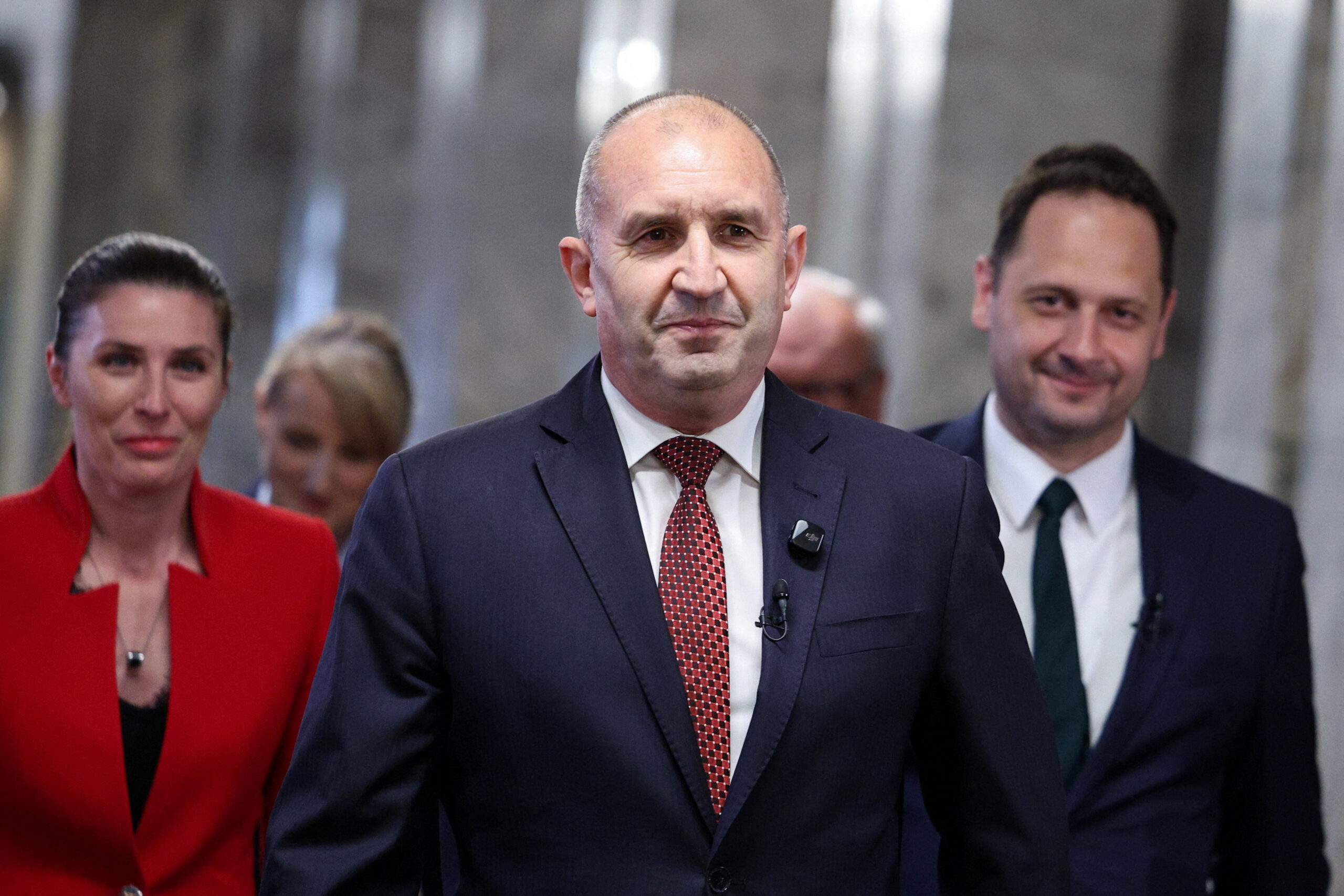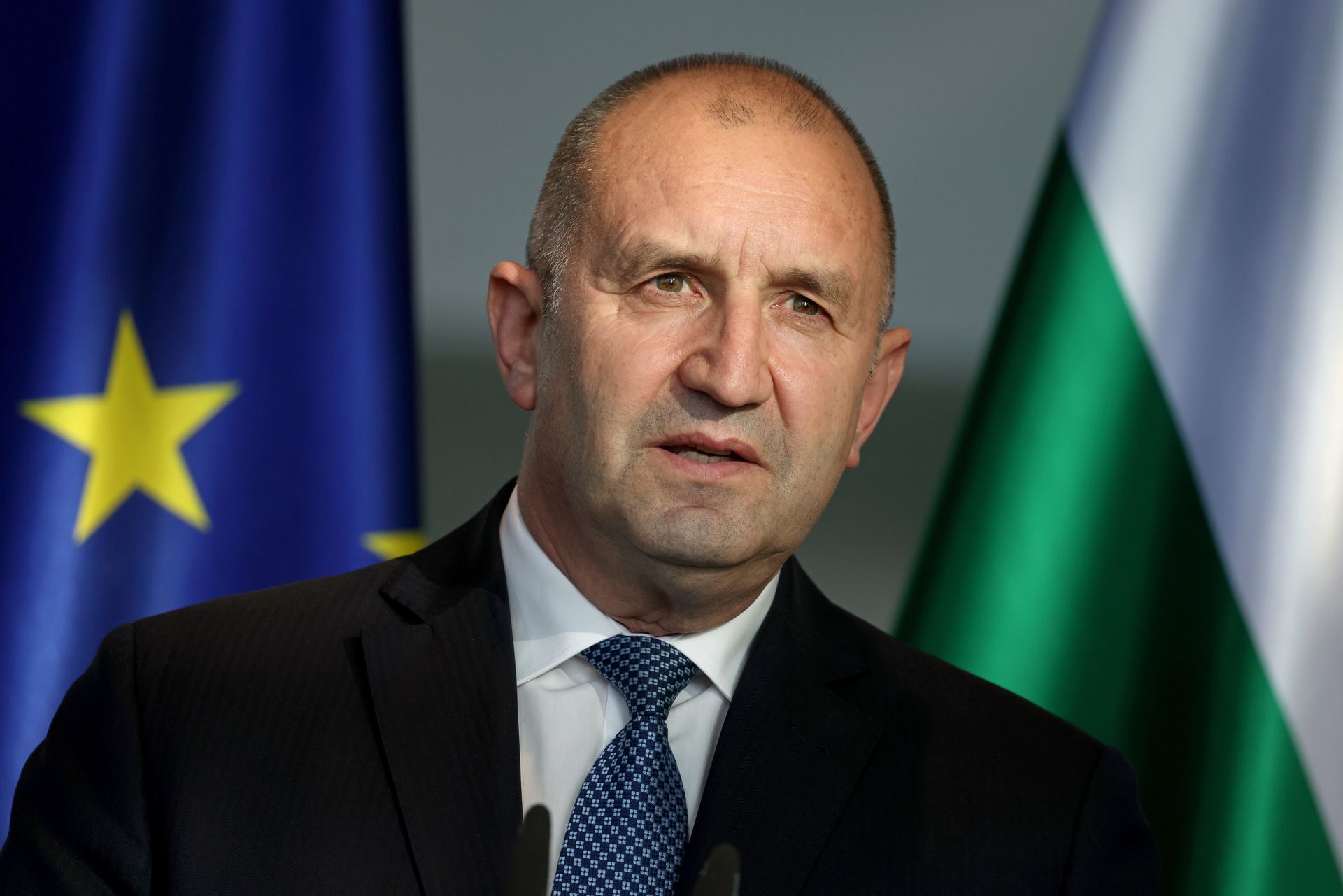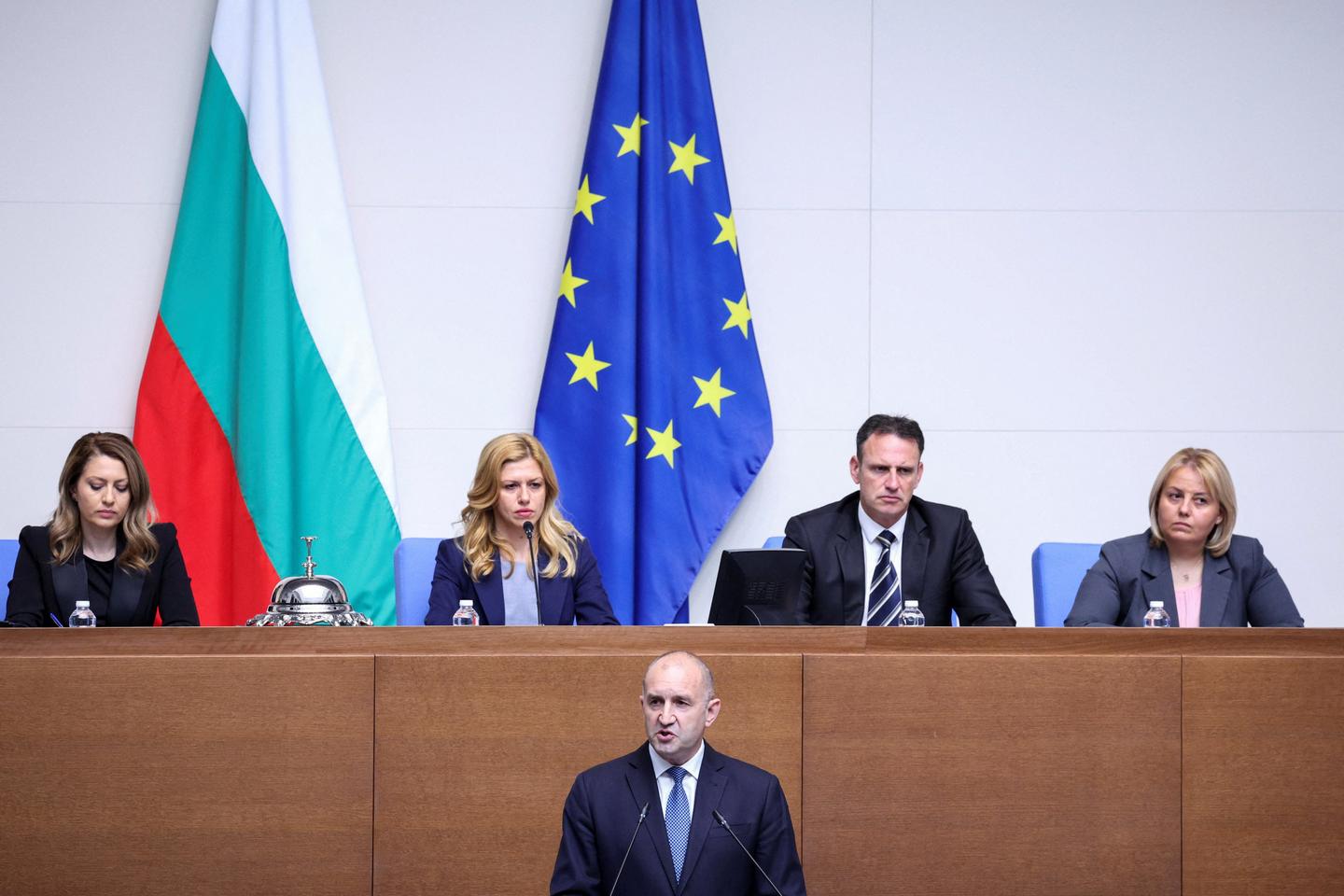
Rumen Radev (center), the new prime minister, at the parliament in Sofia, May 8, 2026. SPASIYANA SERGIEVA/REUTERS
On Friday, May 8, Bulgaria's new prime minister, Rumen Radev, won parliamentary backing for his government with a sweeping majority, once again demonstrating his legendary ability to send both pro-European and pro-Russian signals. Although his April 19 victory was due in part to the pro-Russian current running through this Balkan country of 6.5 million people, Radev has since worked to reassure Bulgaria's European partners.
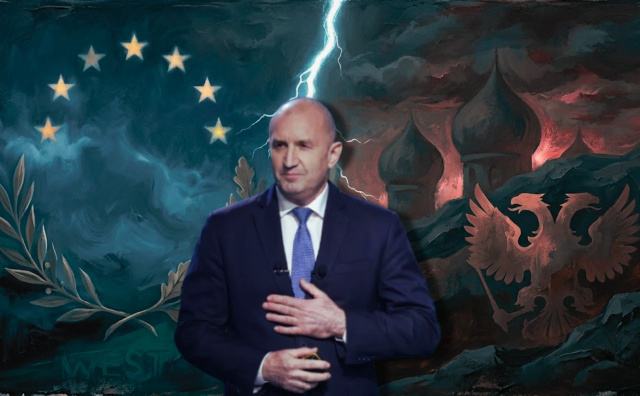
In a balancing act that characterized his two presidential terms from 2017 to 2026, Radev pledged both to "prevent Bulgaria from being drawn into the military conflicts that surround us," while also promising to pursue "one single goal: the modern development of Bulgaria as a contemporary European nation." The first message targeted pro-Russian voters, while the second was aimed more at the pro-European majority in a country that has greatly benefited from European Union membership since joining in 2007.
After winning nearly 45% of the vote and 131 out of 220 seats in parliament, this former air force pilot, known for his minimal public communication, became the first Bulgarian head of government in three decades to secure an absolute majority. He did so with his party, Progressive Bulgaria, which describes itself as center-left. His election puts an end to five years of political instability, marked by eight consecutive legislative elections. On Friday, the new prime minister promised to "restore the effective and efficient functioning" of the National Assembly.