I
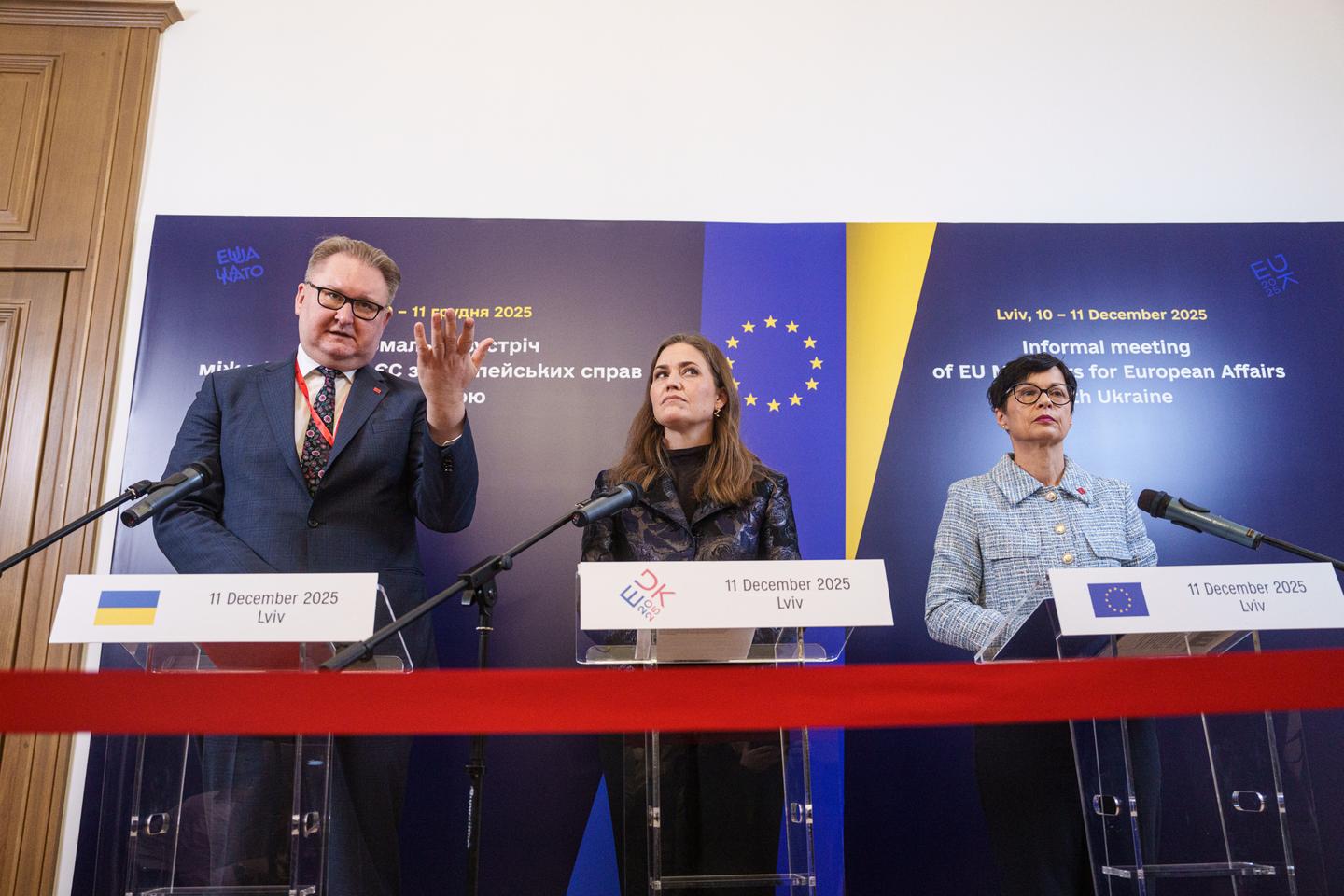
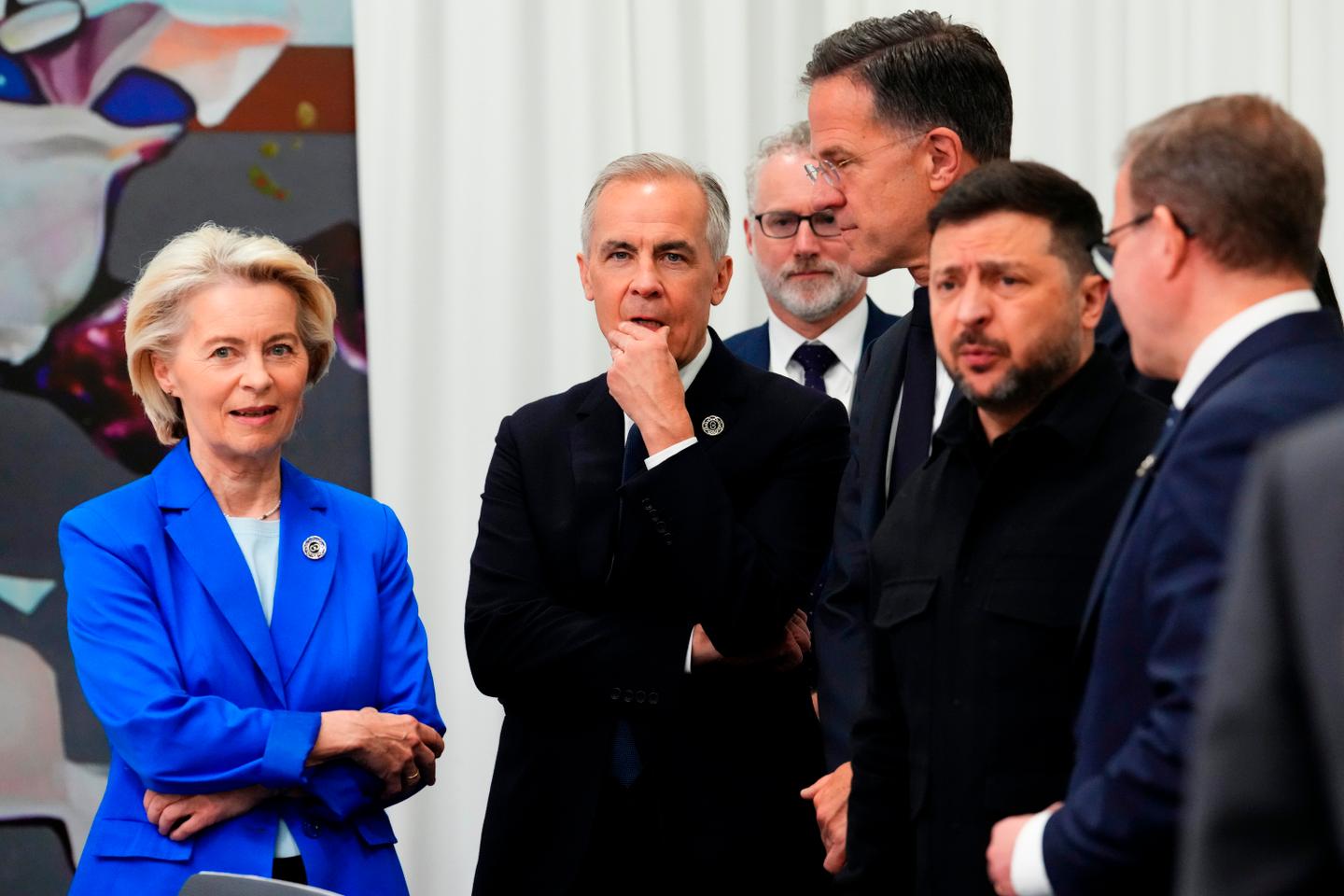
n the ongoing upheaval and reshaping of the global order, two events at the start of May, far from the Strait of Hormuz but not entirely disconnected from its dynamics, marked a potentially decisive step. On Saturday, May 9, in Moscow, the traditional parade celebrating victory over Nazi Germany is set to take place, exceptionally, without any military equipment on the ground. And on May 4 in Yerevan, Canada and Armenia were welcomed into the European orbit.
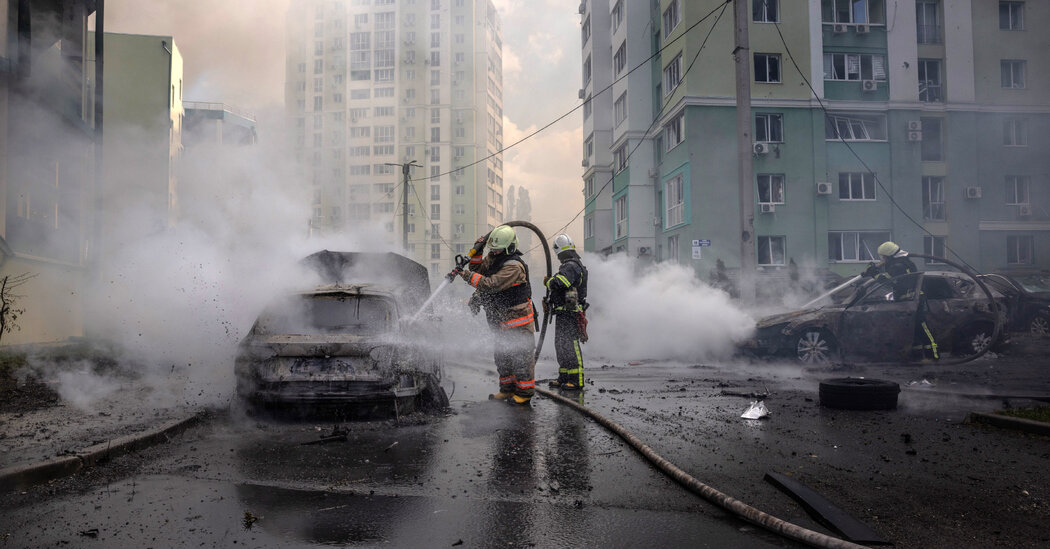
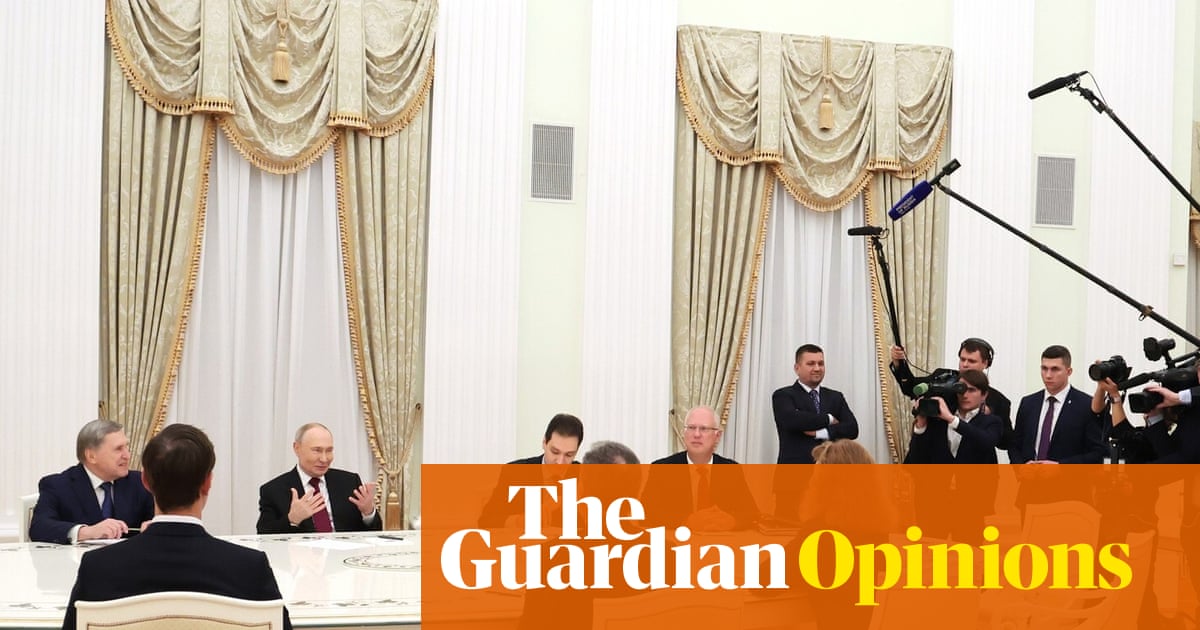
The scaling down of the "Great Patriotic War" parade on Red Square to a light version is highly symbolic. It reveals the difficulties faced by the Russian army in its war against Ukraine and highlights the level of resistance by Ukrainian forces, now capable of striking back at Russian aggression even in Moscow. On Monday, a drone pierced Russian air defenses and destroyed two floors of a Moscow skyscraper, without causing any casualties. Among Russians, already agitated by internet shutdowns imposed by the authorities, the mood is far from festive.
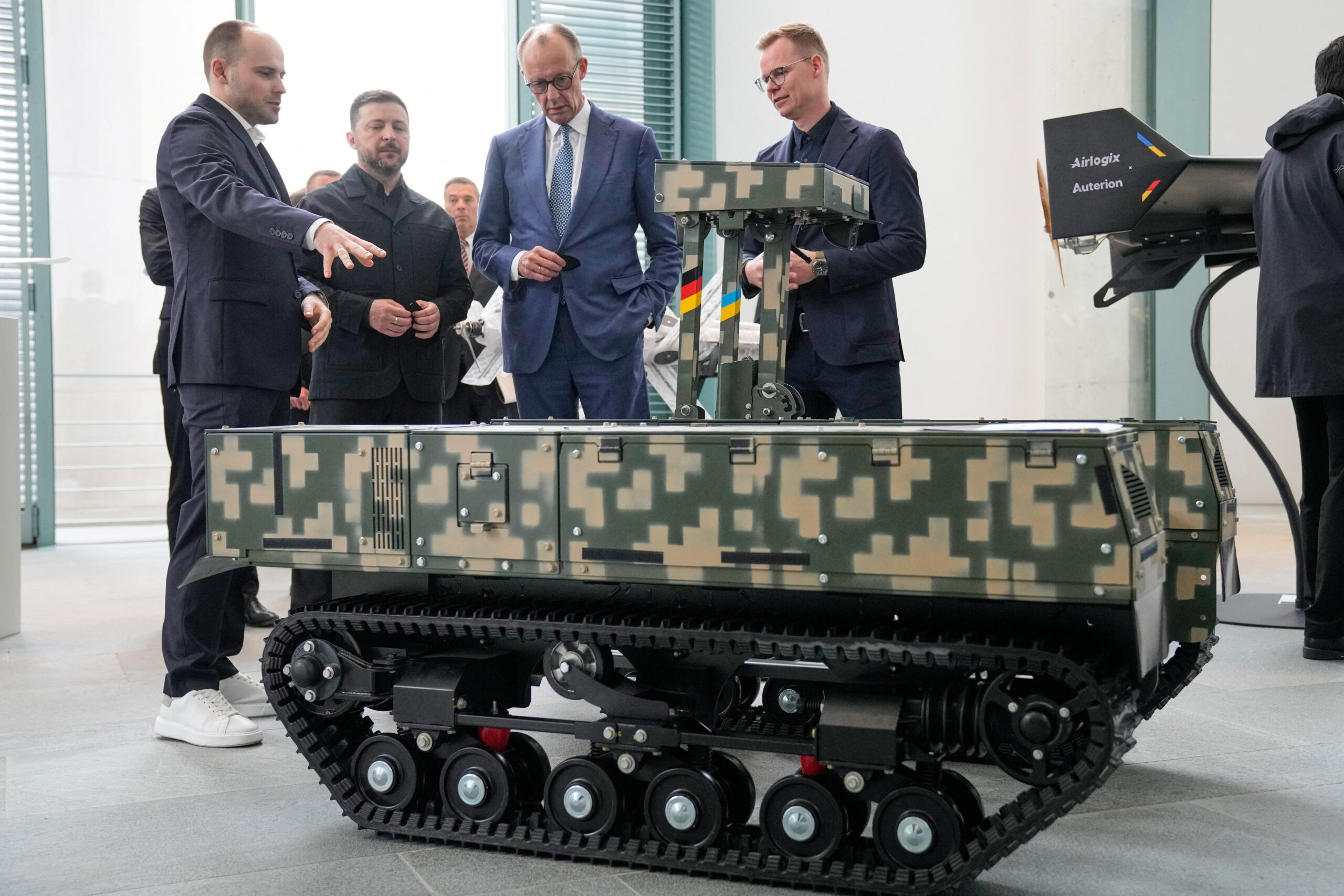
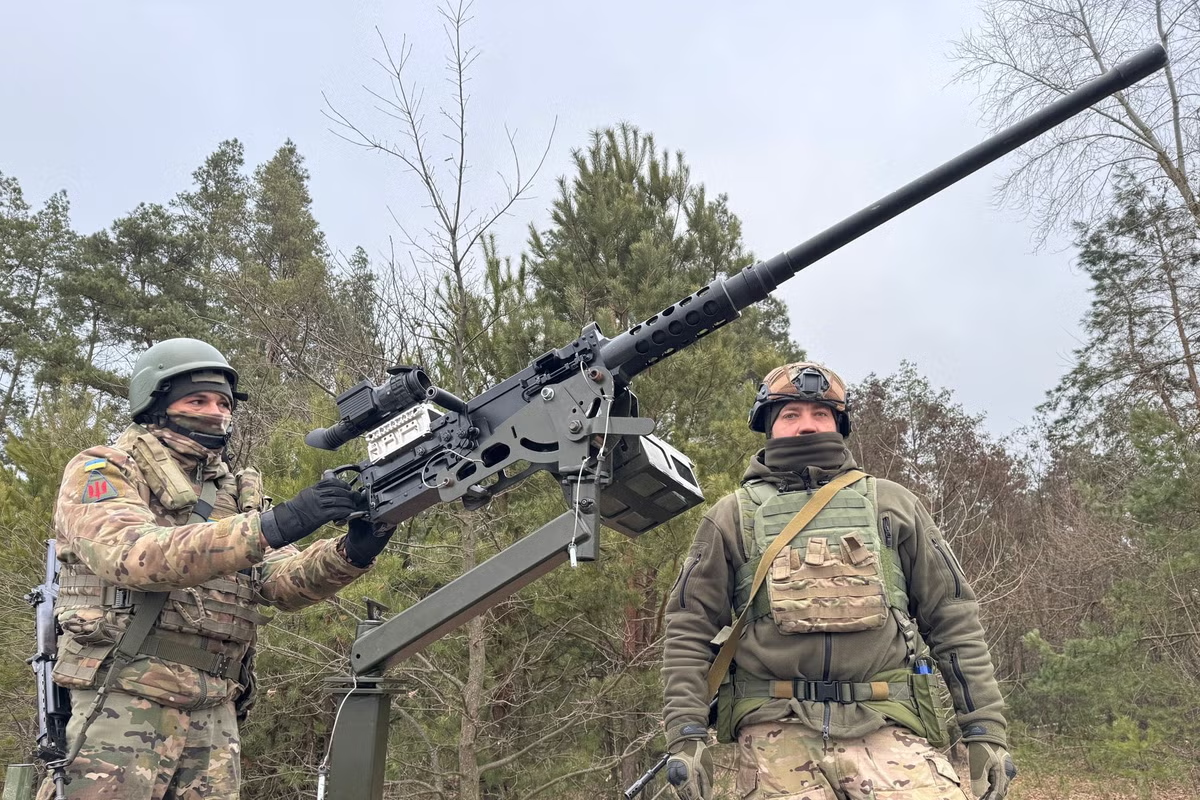
No one would dare call this a turning point in this high-intensity war, now in its fifth year. But morale in Kyiv has clearly improved after a grueling winter for Ukrainians, who endured bombings that deprived them of heating and electricity. Not only did they hold on, not only did their army resist, but it even managed to push back the invader slightly. Russian forces are stalled at the front by a kill zone where, according to Western estimates, drones and robots inflict between 30,000 and 35,000 losses per month, both those killed and wounded. Another reason for relief in Kyiv is the fall of Viktor Orban in Hungary during the legislative elections on April 12, which unlocked a long-awaited €90 billion European loan, €60 billion of which will go to defense.