The shifting loyalties of the White House have inadvertently bound Europe closer together – how long can that unity last?
It was dubbed the “Great European Charm Offensive”.
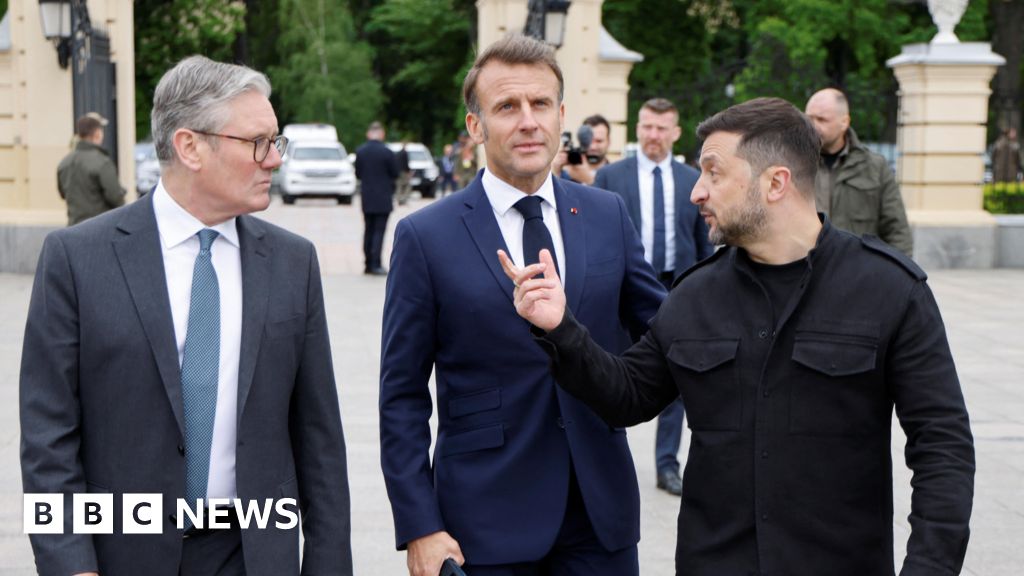
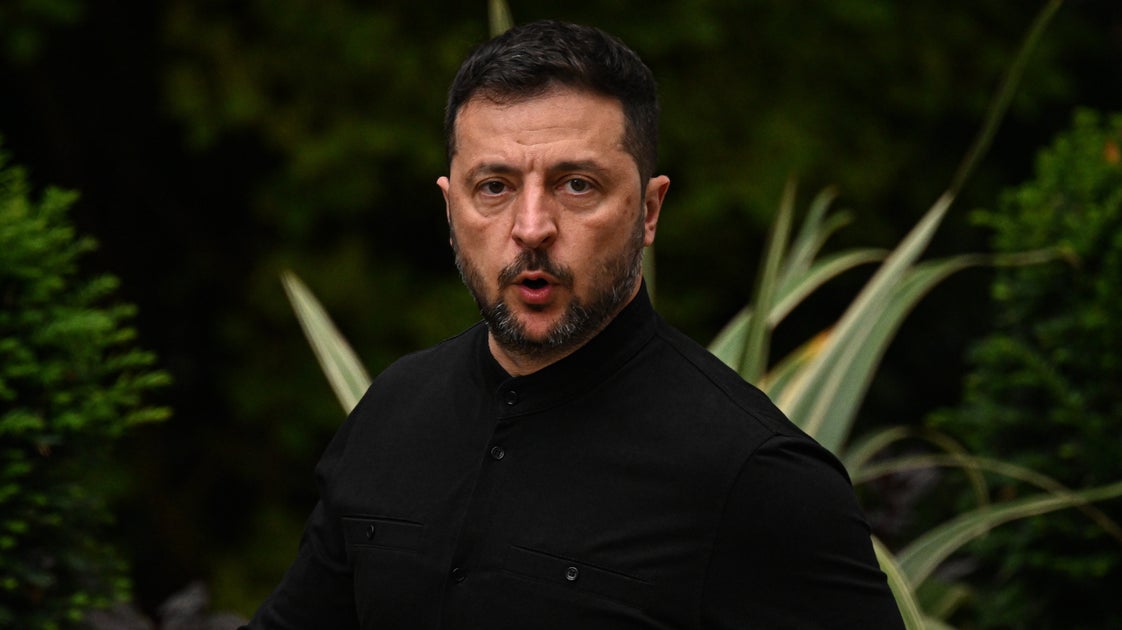
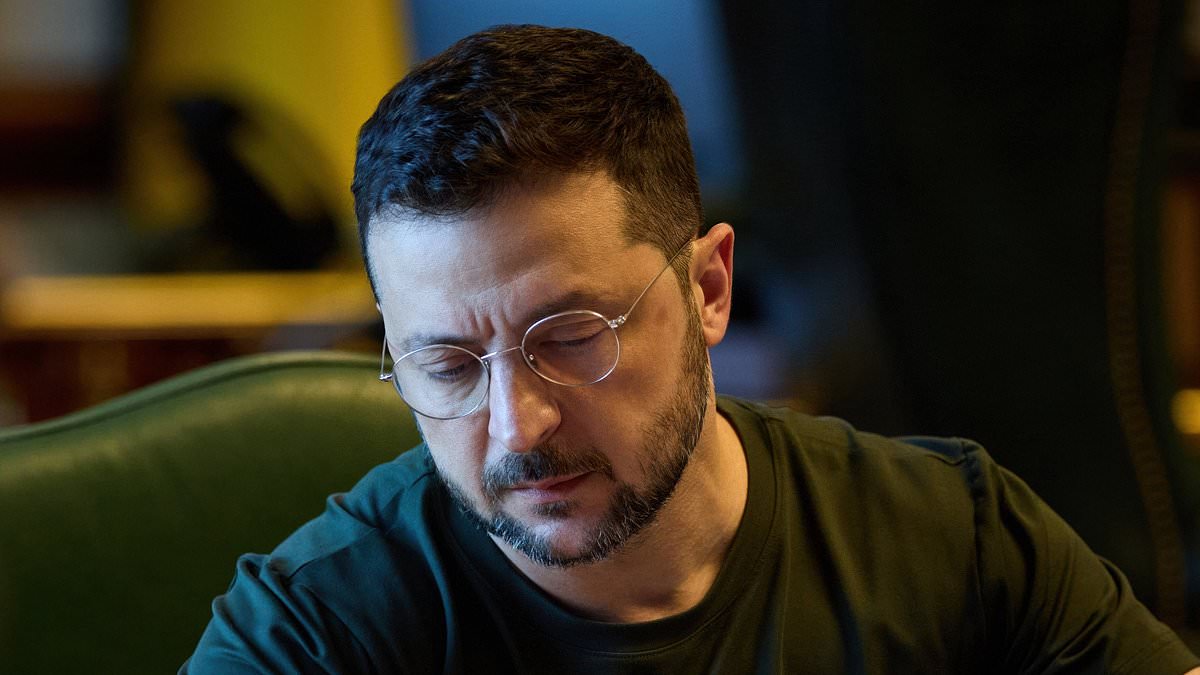
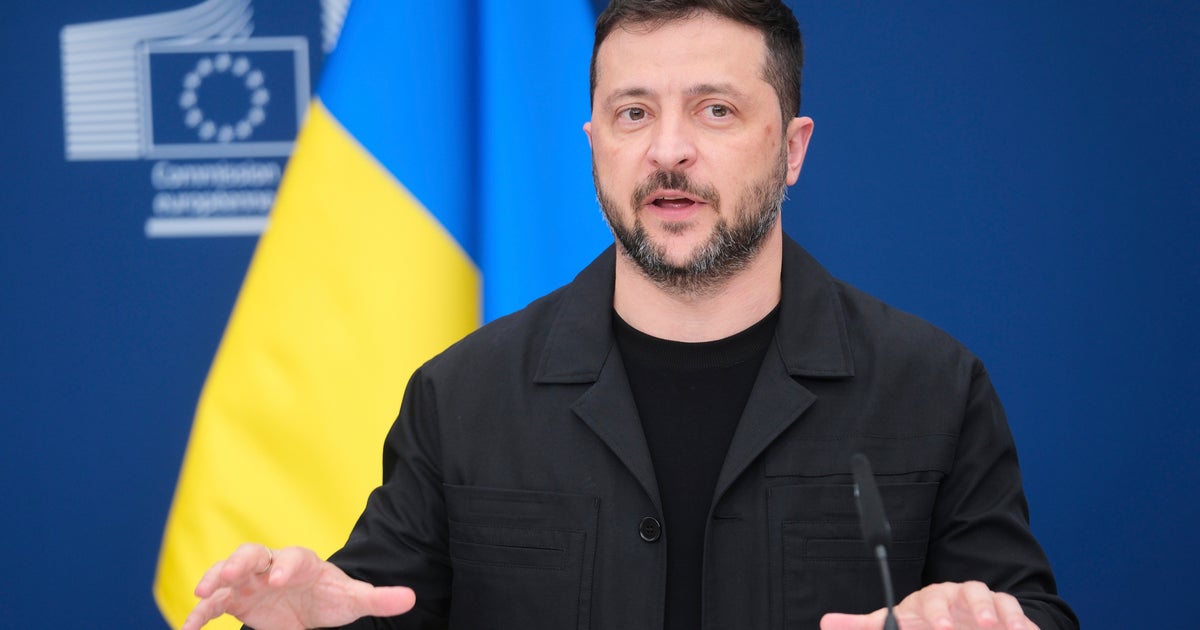
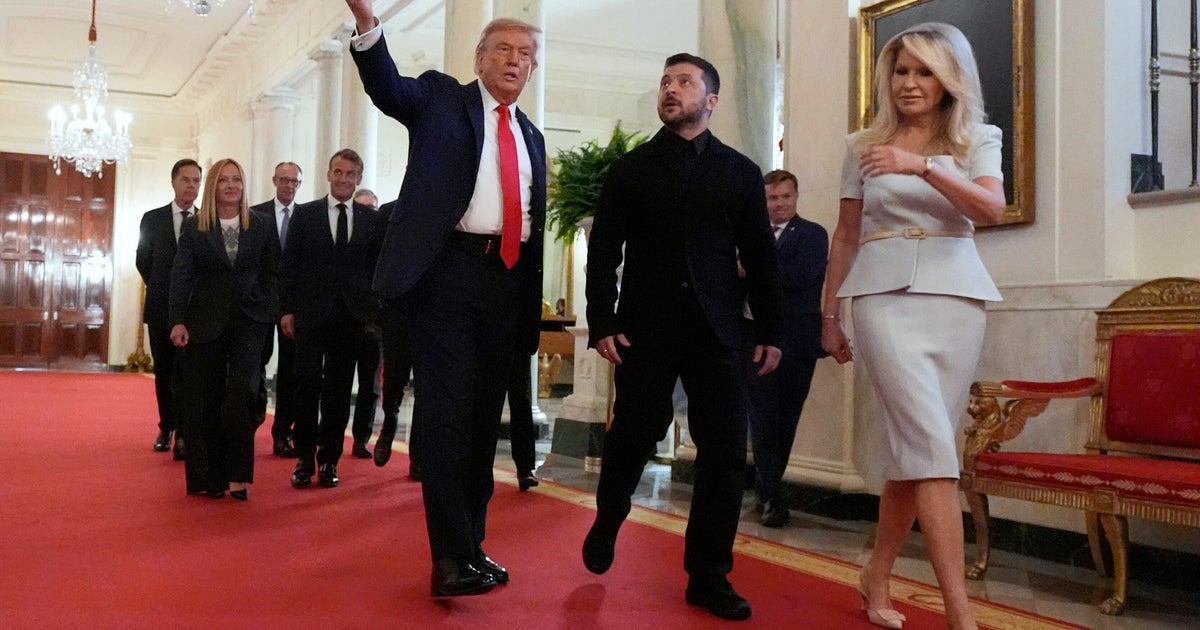
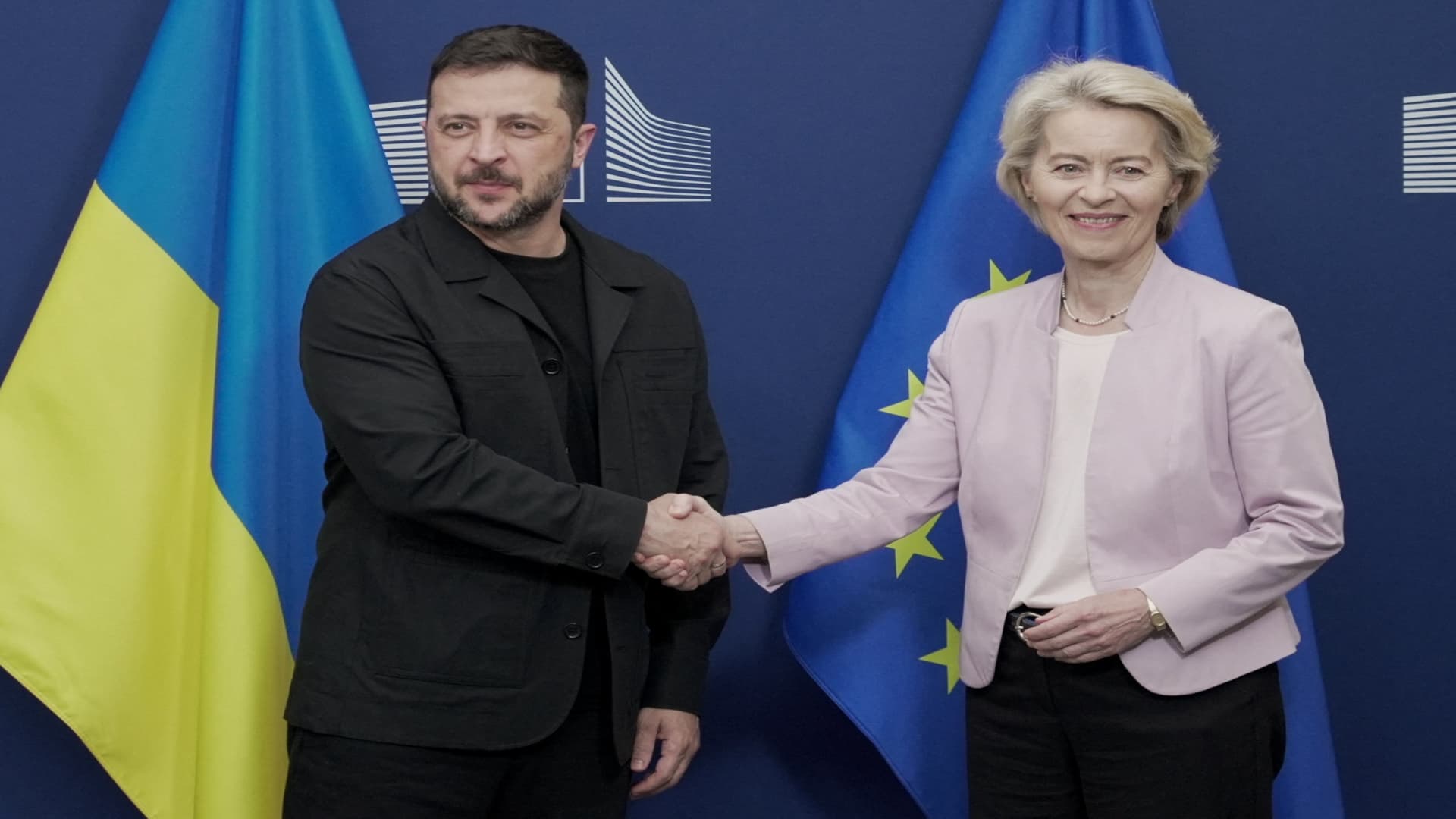
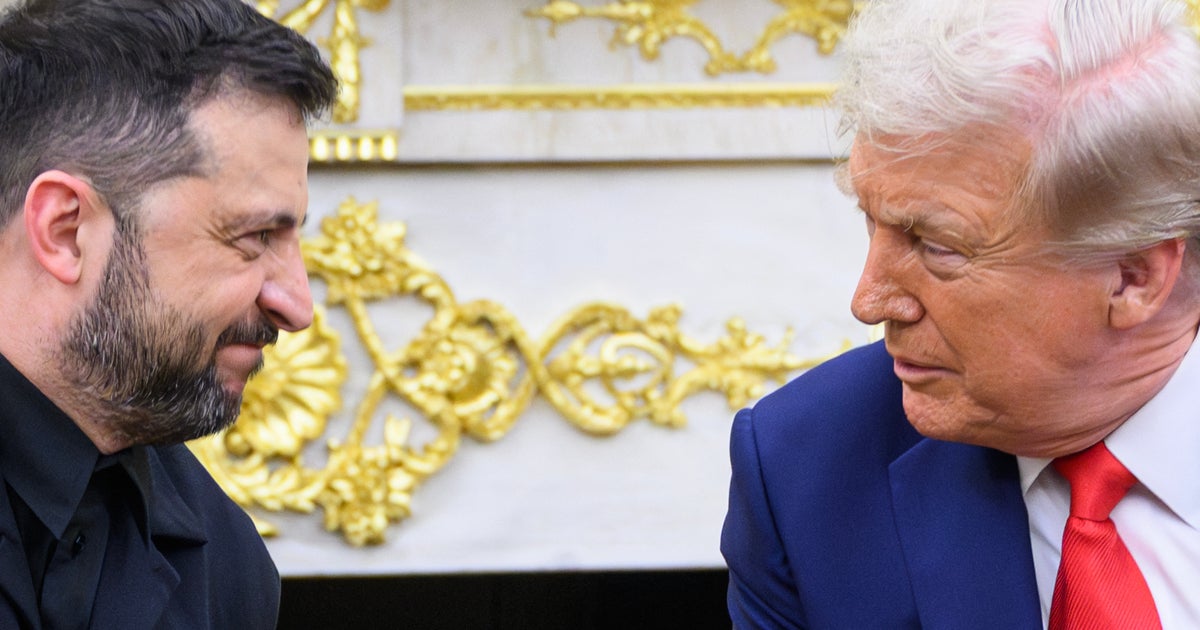
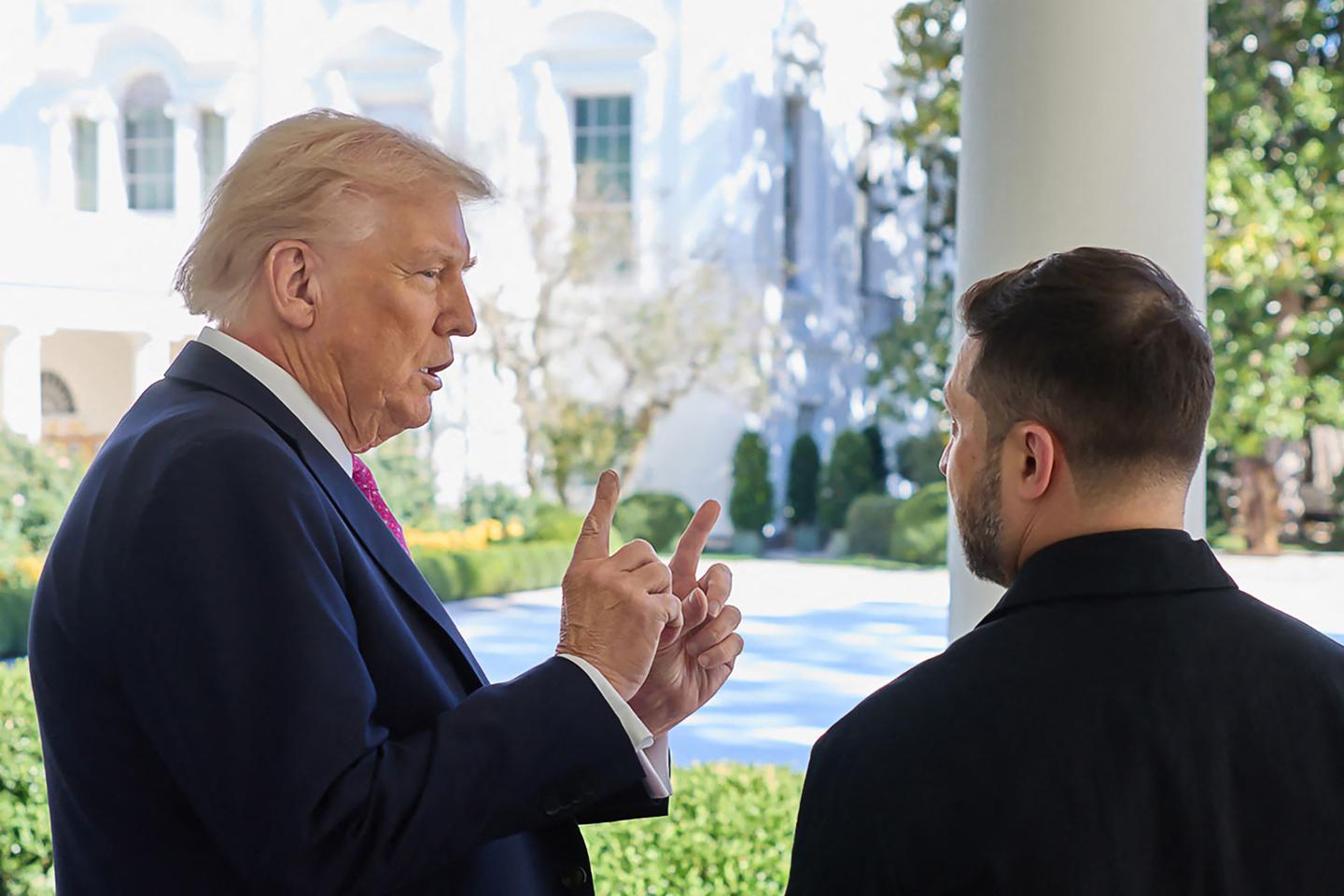
Hours before Volodymyr Zelenskyy headed to Washington for a Monday meeting with Donald Trump, announcements came pouring in from across Europe, making it clear that the president of Ukraine would not be going alone.
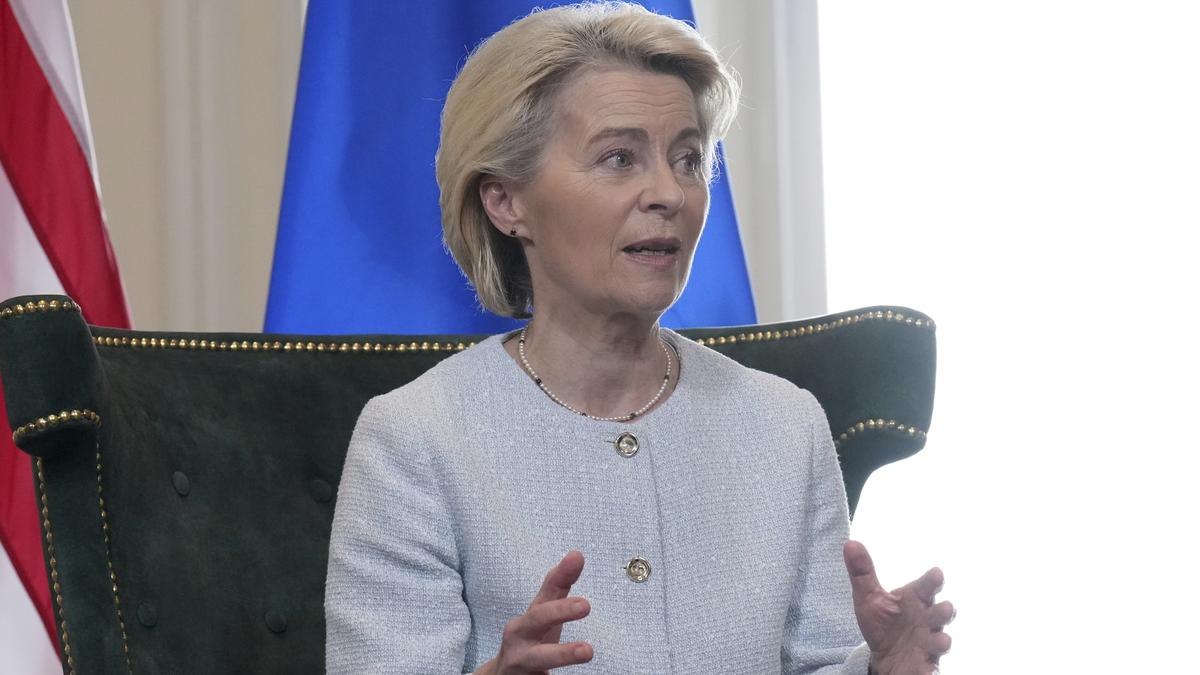
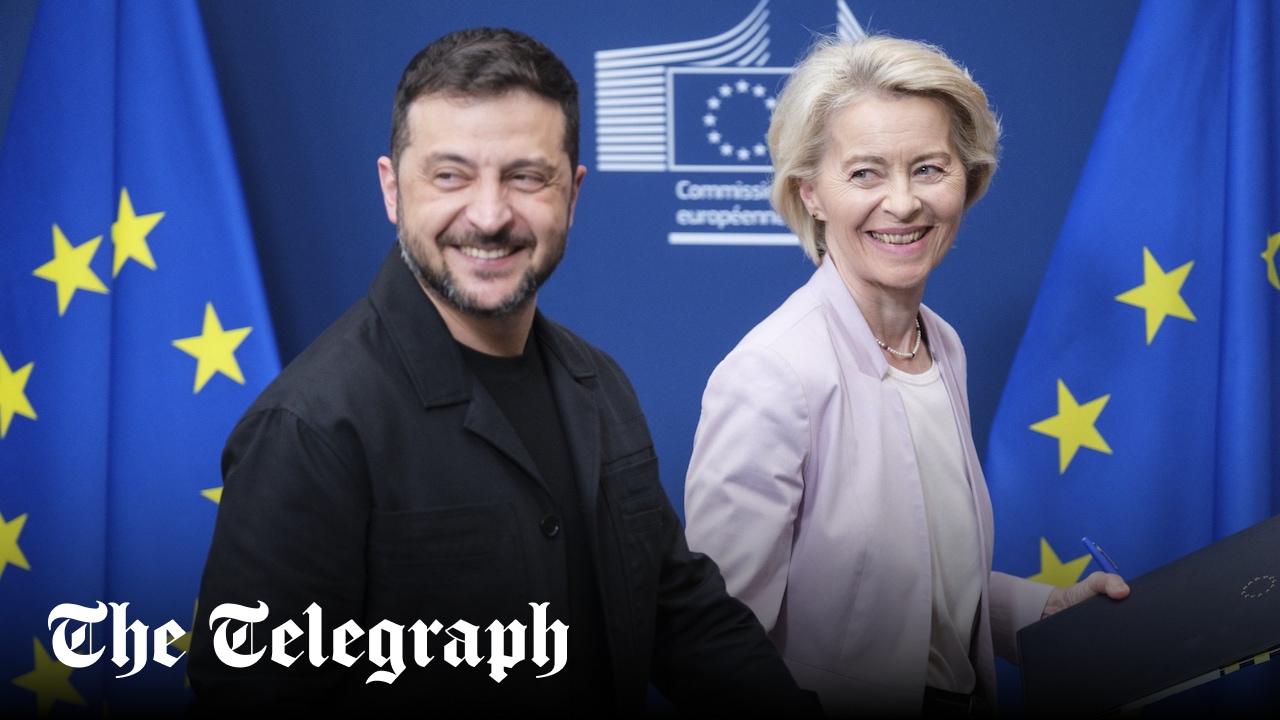
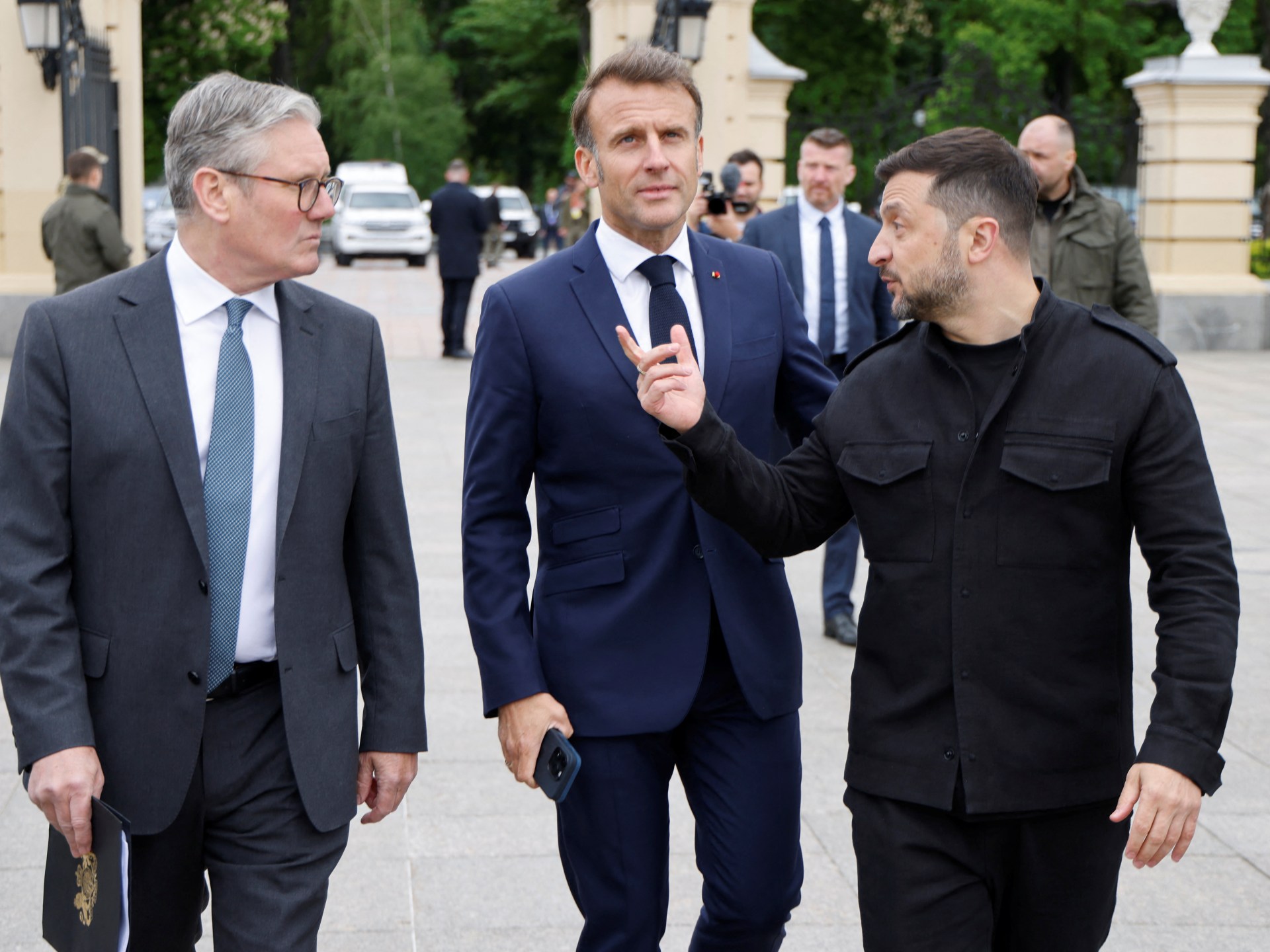
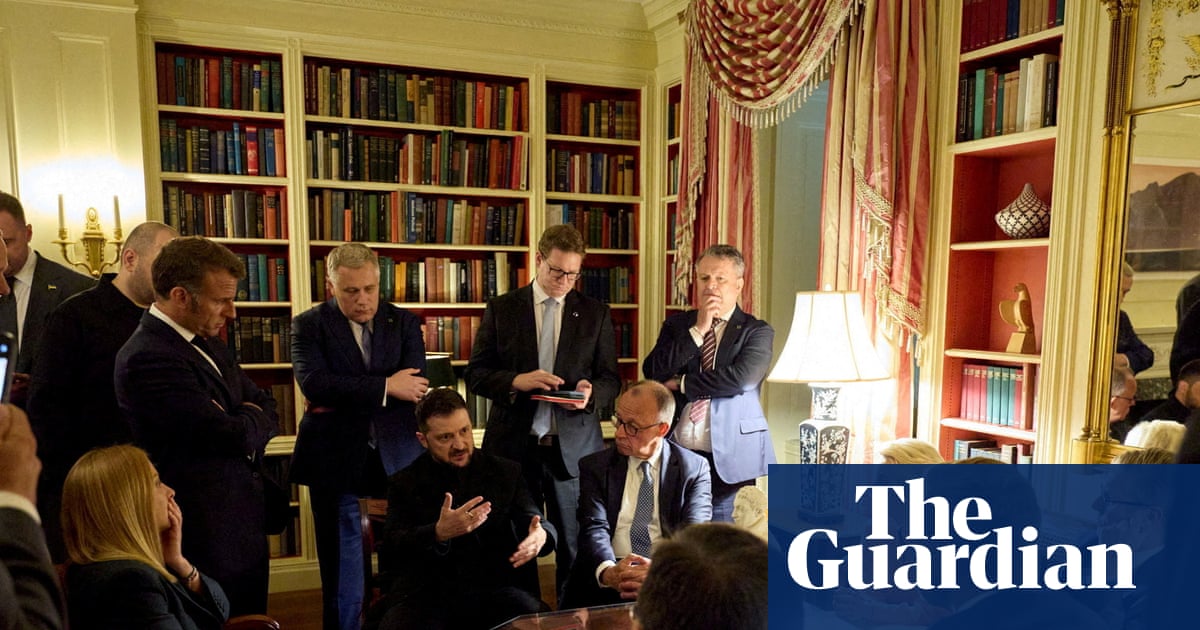
Instead, seven European heavyweights – a “dream team” of leaders representing Europe’s economic and military heft and who had a proven rapport with the US president – hastily cleared their schedules to join Zelenskyy in Washington. The result was a meeting set to become among the “oddest in modern diplomacy”, Simon McDonald, former permanent under secretary at the Foreign Office, wrote in the Guardian.
Their scramble hinted at just how much was at stake. Days earlier, Trump had met with Vladimir Putin in Alaska, rolling out the red carpet for a man wanted by the international criminal court for war crimes. The US president had gone into the summit insisting he wanted “some form of a ceasefire”; he came out of it backing pro-Russian positions. As Trump publicly dropped plans for an immediate ceasefire and insisted it was now up to Zelenskyy to “get it done,” the mood in Moscow was jubilant.