Once the Madrid museum’s biggest draw, The Year of the Famine in Madrid fell out of favour for political and aesthetic reasons
N
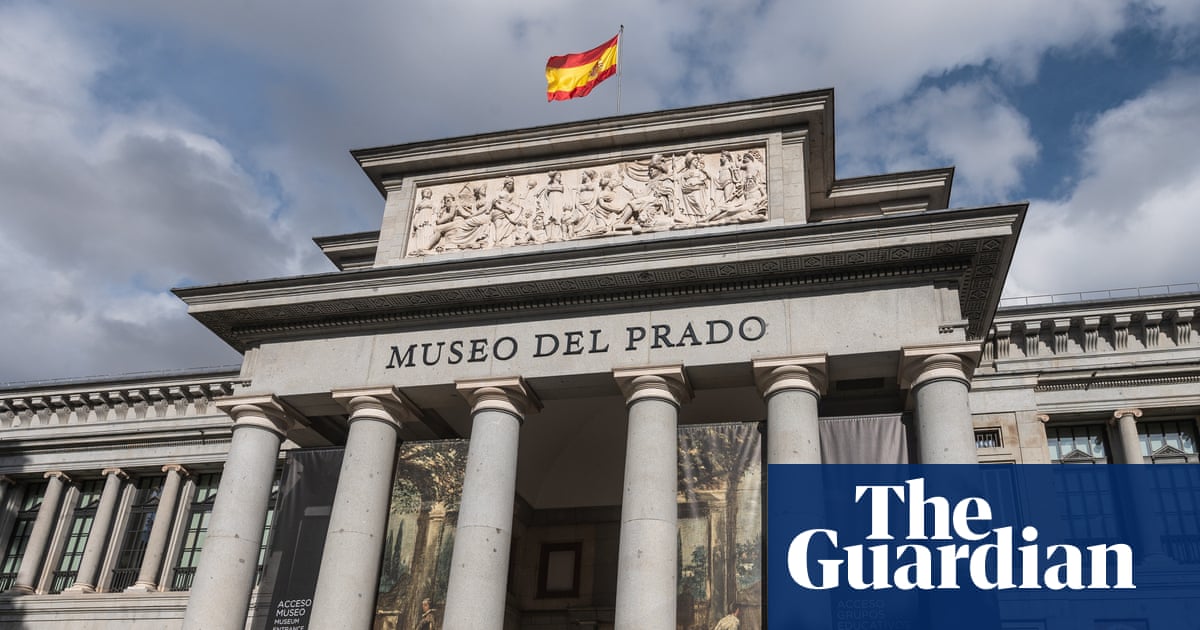
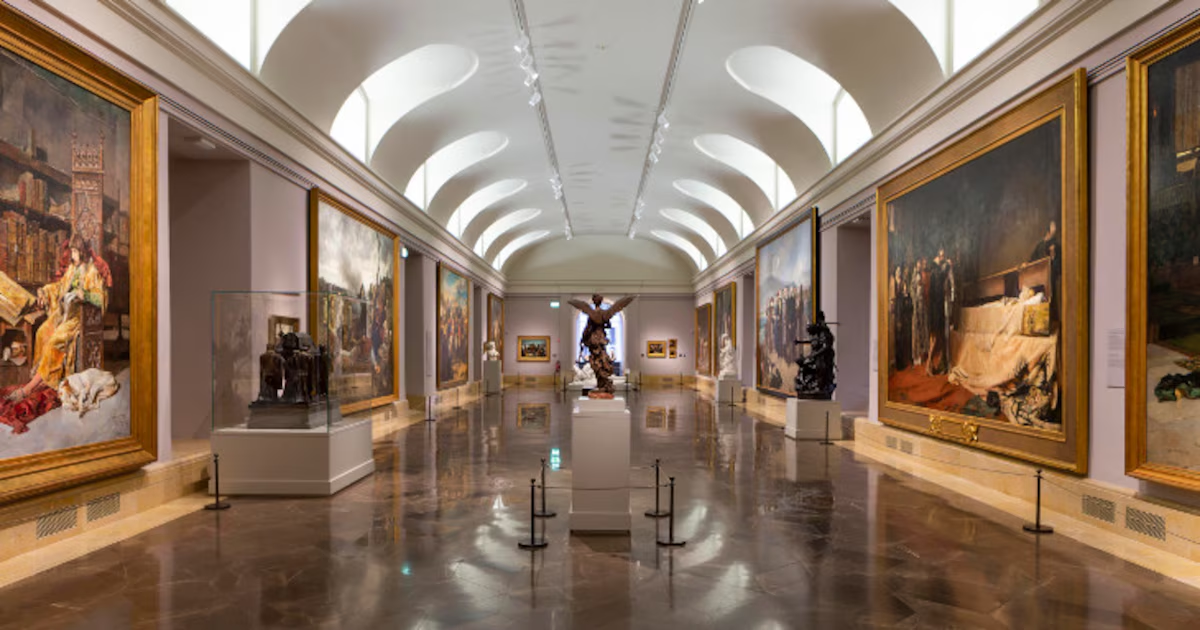
o trip to the Prado these days is complete without a visit to room 12 of the Madrid museum, where Diego Velázquez, a five-year-old princess and a sleepy mastiff stare down from the enormous canvas of Las Meninas.
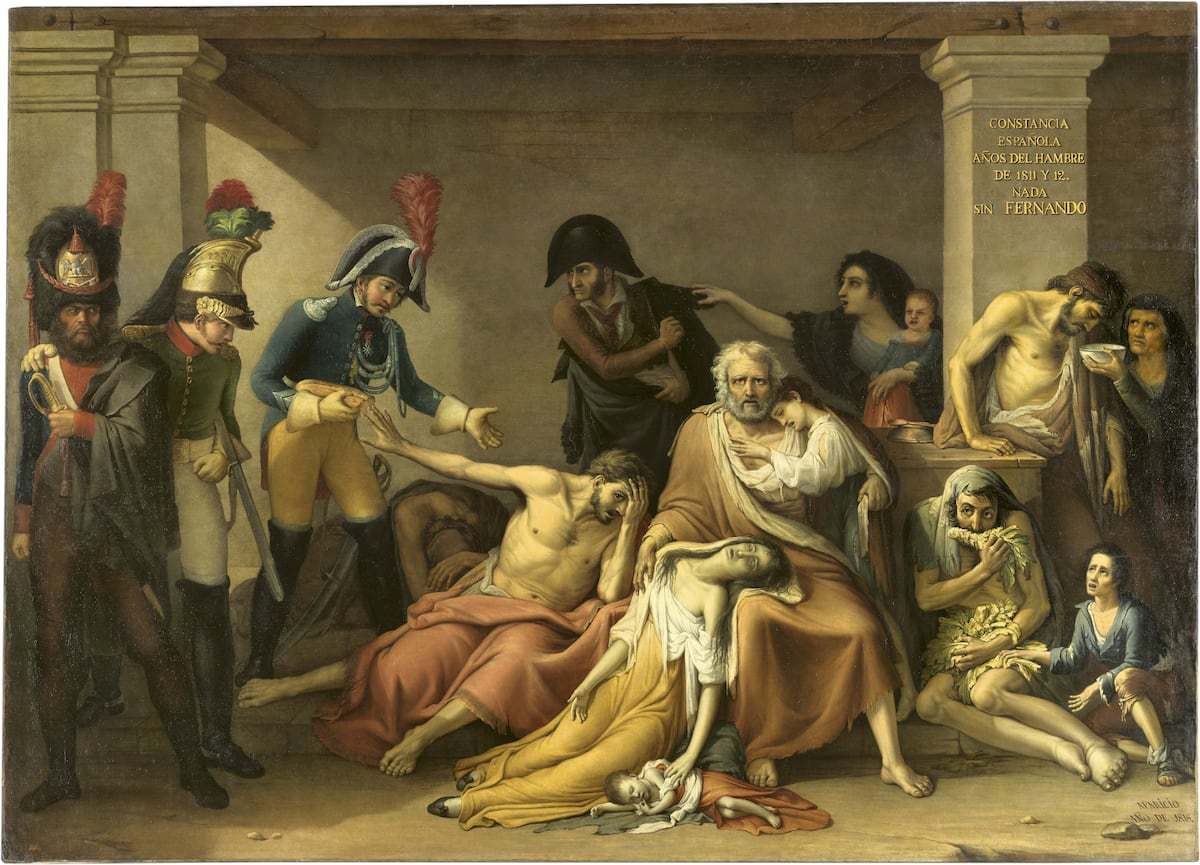
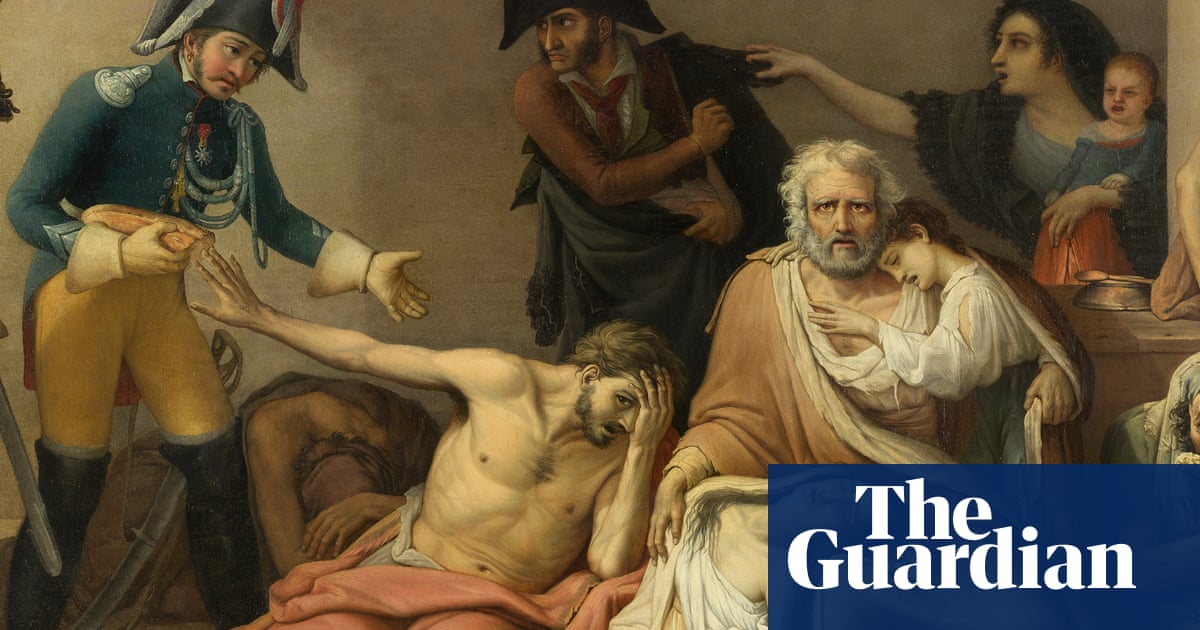
Two hundred years ago, however, the must-see exhibit at the newly established museum was not Las Meninas, but a gigantic allegorical work that sought to remind Spaniards of their heroic resistance to the Napoleonic occupation and their loyalty to King Ferdinand VII.
Painted by José Aparicio in 1818, El año del hambre de Madrid (The Year of the Famine in Madrid), shows a group of emaciated, dying madrileños nobly refusing the bread offered to them by French soldiers. By choosing death over the occupiers’ aid – even as their children perish and they are reduced to gnawing on cabbage stalks – they demonstrate a perfect, if terminal, patriotism.