Reina Sofía’s three-year rehang of works by artists from Spain and beyond is billed as a ‘critical reinterpretation’
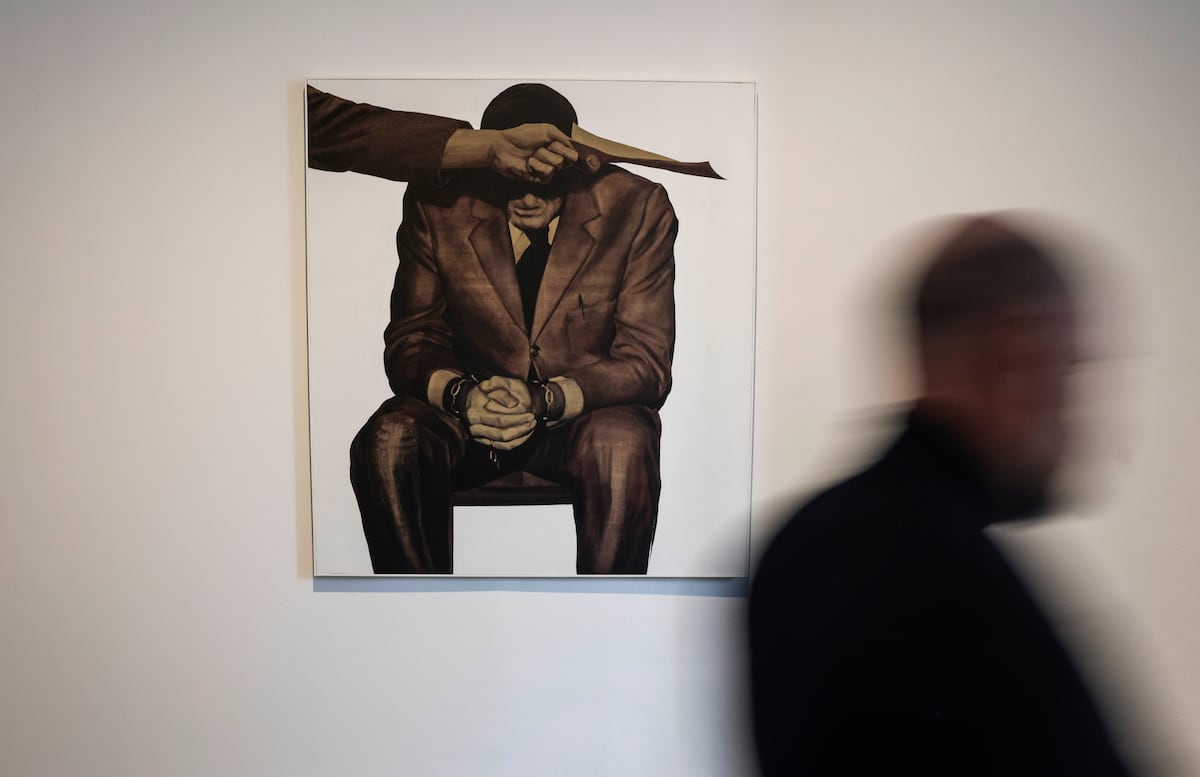
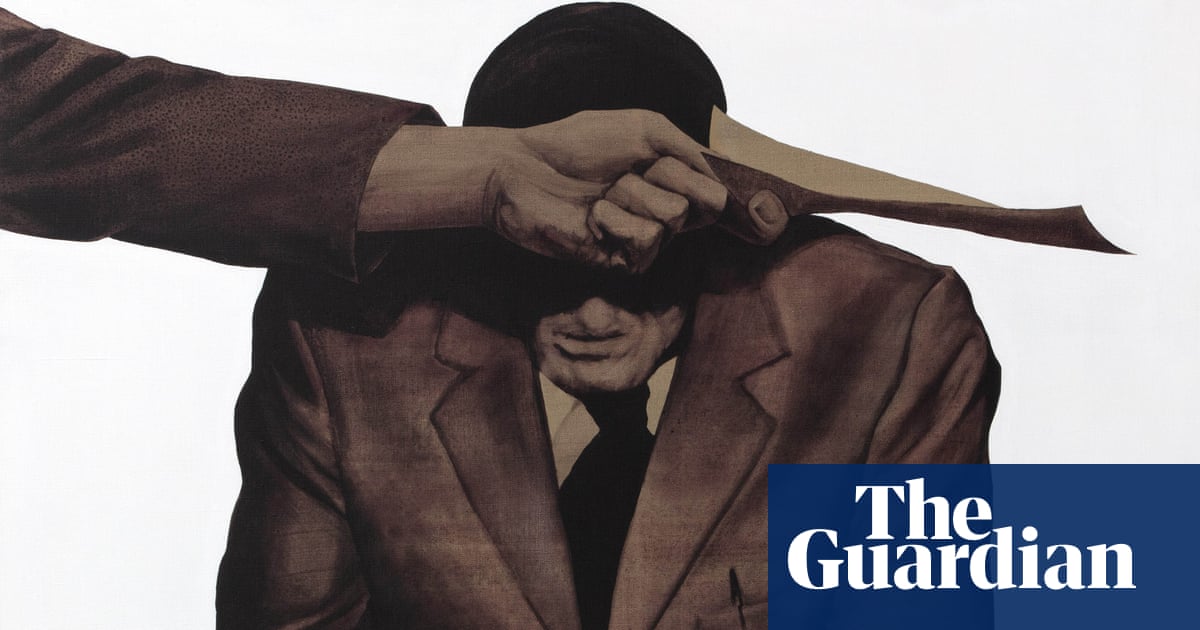
The Reina Sofía’s new rehang opens, quite pointedly, with a painting of a detained man sitting, head bowed and wrists shackled, as he waits for the arbitrary hand of institutional bureaucracy to decide his fate.
The picture, Document No …, was painted by Juan Genovés in 1975, the year Francisco Franco died and Spain began its transition to democracy after four decades of dictatorship. Genovés’s faceless, everyman victim of the Franco regime’s control and repression is the natural starting point for the Madrid museum’s exploration of the past 50 years of contemporary art in Spain.
Through the 403 selected works, the museum’s curators examine how artists from Spain and beyond have chronicled and reacted to socio-historical changes, from the hedonistic explosion of creativity that followed the dictator’s demise to the Aids epidemic, from second-wave feminism to growing environmental awareness, and from decolonisation to global terrorism.
According to Ángeles González-Sinde, the president of the Reina Sofía’s board, the rehang – an exercise museums undertake to re-evaluate and reinvigorate their collections – is much more than a simple rejigging. Almost two-thirds of the works on display in the new Contemporary Art: 1975 to the Present collection, which occupies the museum’s fourth floor, have never been exhibited as part of the permanent collection.