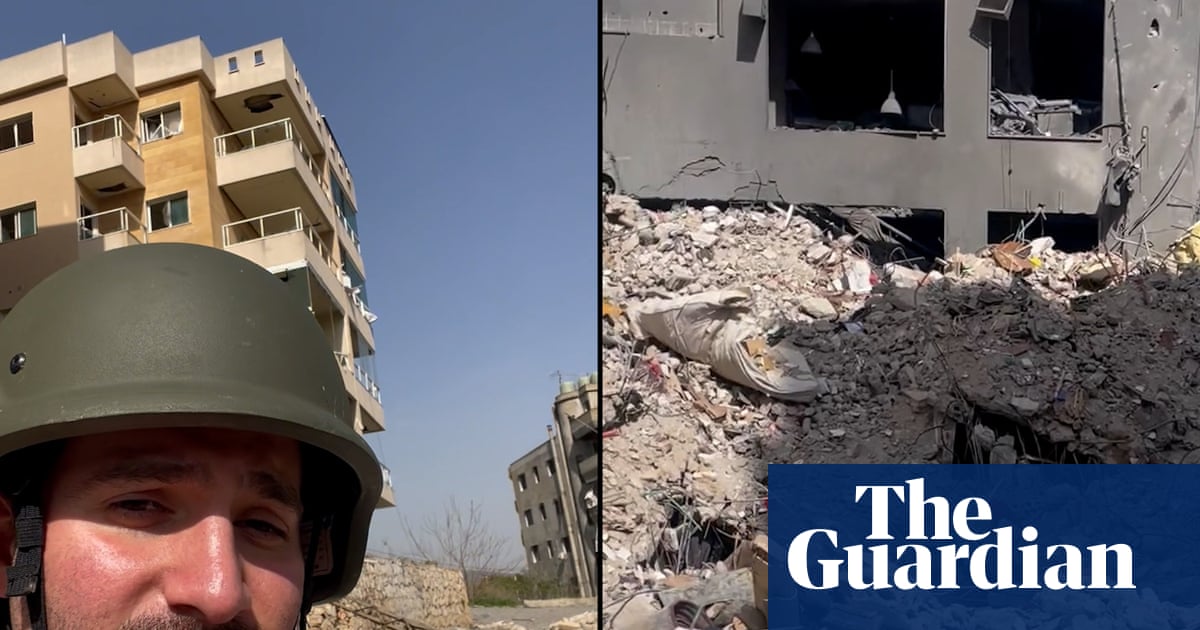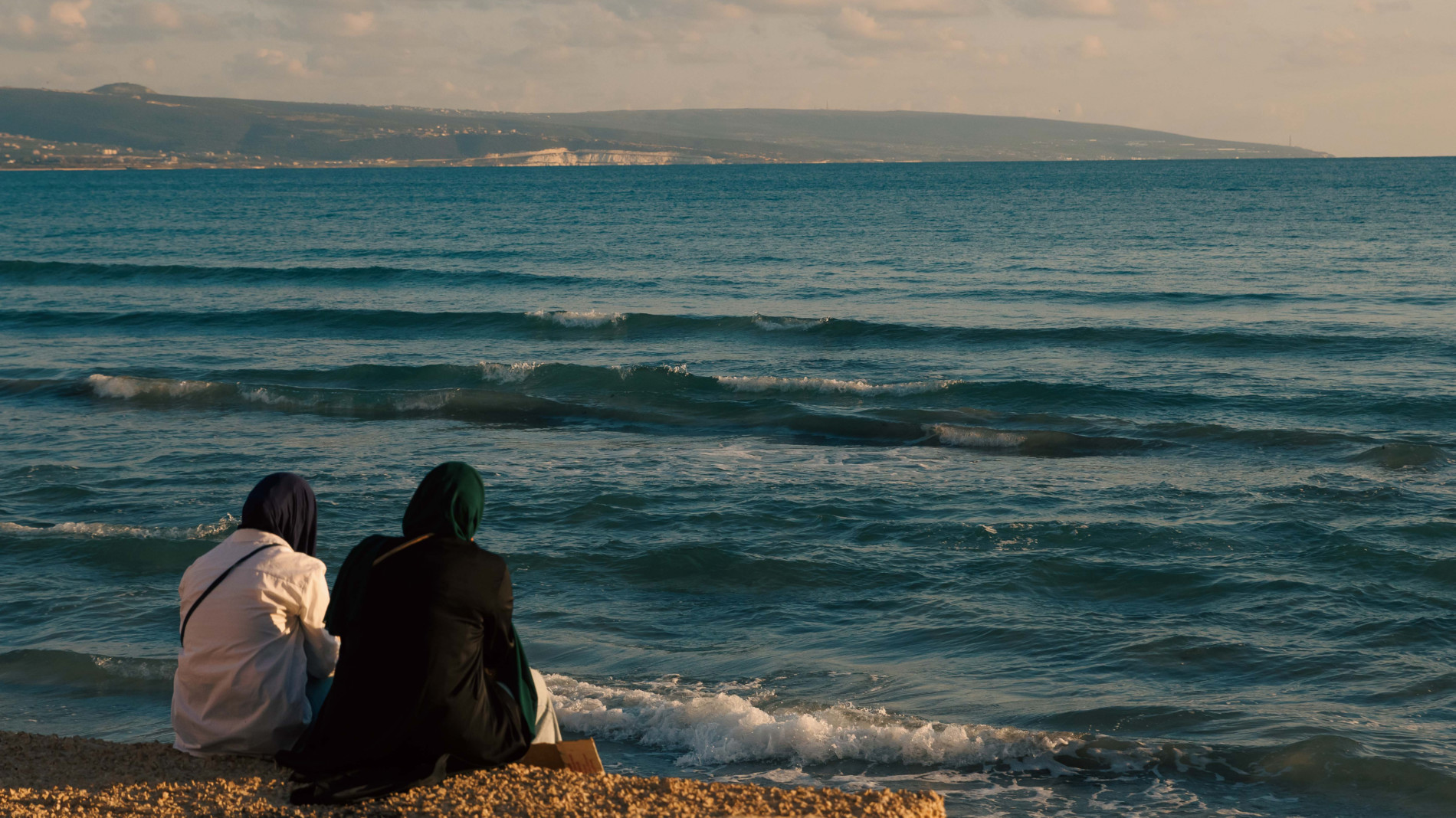
On the seafront in Sour, a major coastal city in southern Lebanon, the scene repeats itself every day. From Nabih Berri Street, dozens of people watch the southern Lebanese coastline, visible to the naked eye all the way to the border town of Naqoura.
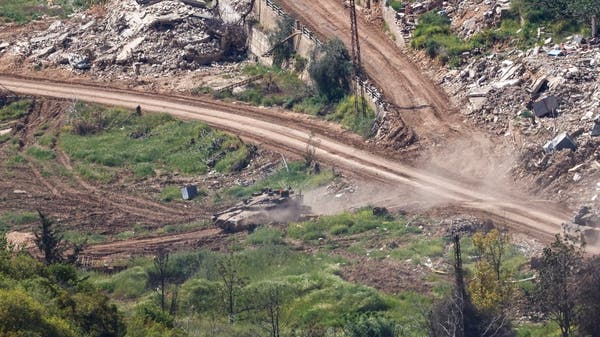
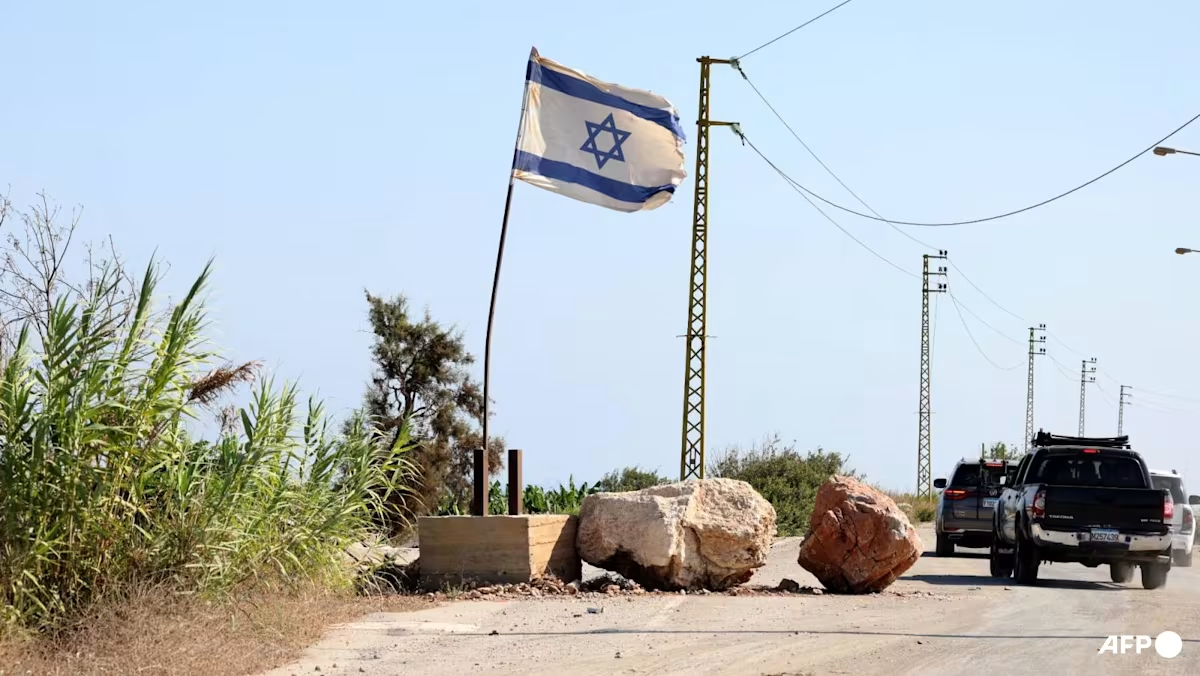
Their faces show anxiety, even disbelief. A local woman points towards large white rocks in the distance: the cliffs of al-Bayada, barely eight kilometres away, now an advanced position for Israeli troops as part of their ongoing invasion of southern Lebanon.
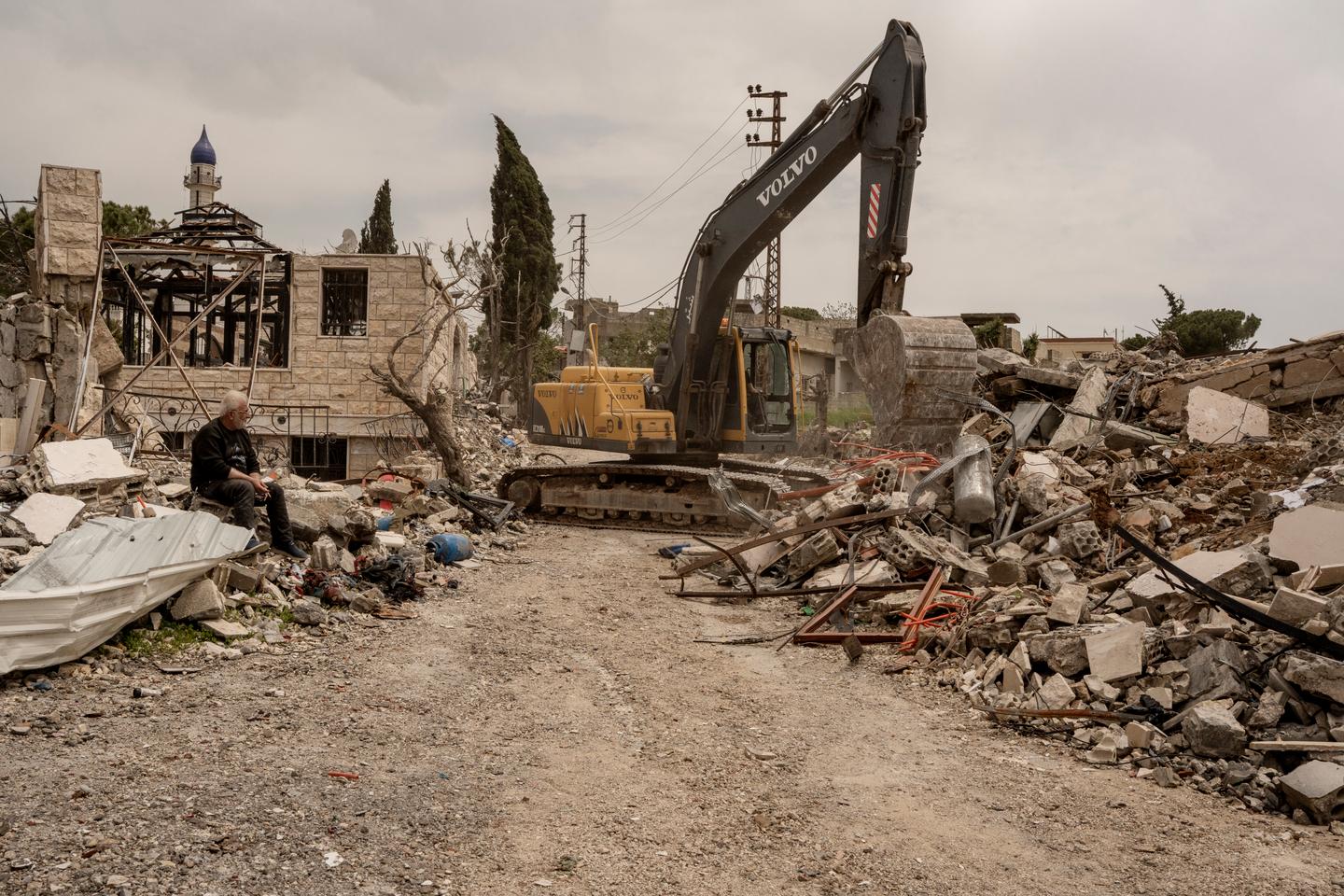
Even if the soldiers themselves are not visible, the occupation of the territory is a heartbreak for the residents of Sour, compounded by a persistent sense of being watched.
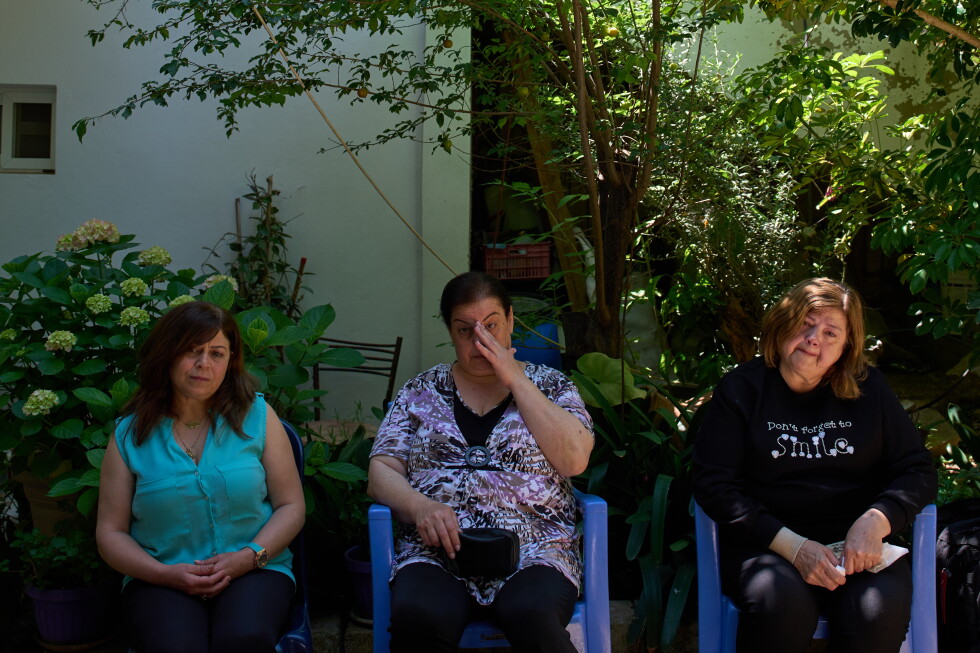
“Israel has always wanted to take Naqoura. The headland offers a clear view of the entire coastline. We used to be under constant drone surveillance; now we know they are watching us directly from there,” said Lina, despairing. Her apartment overlooks what she calls “the newly occupied territories”.
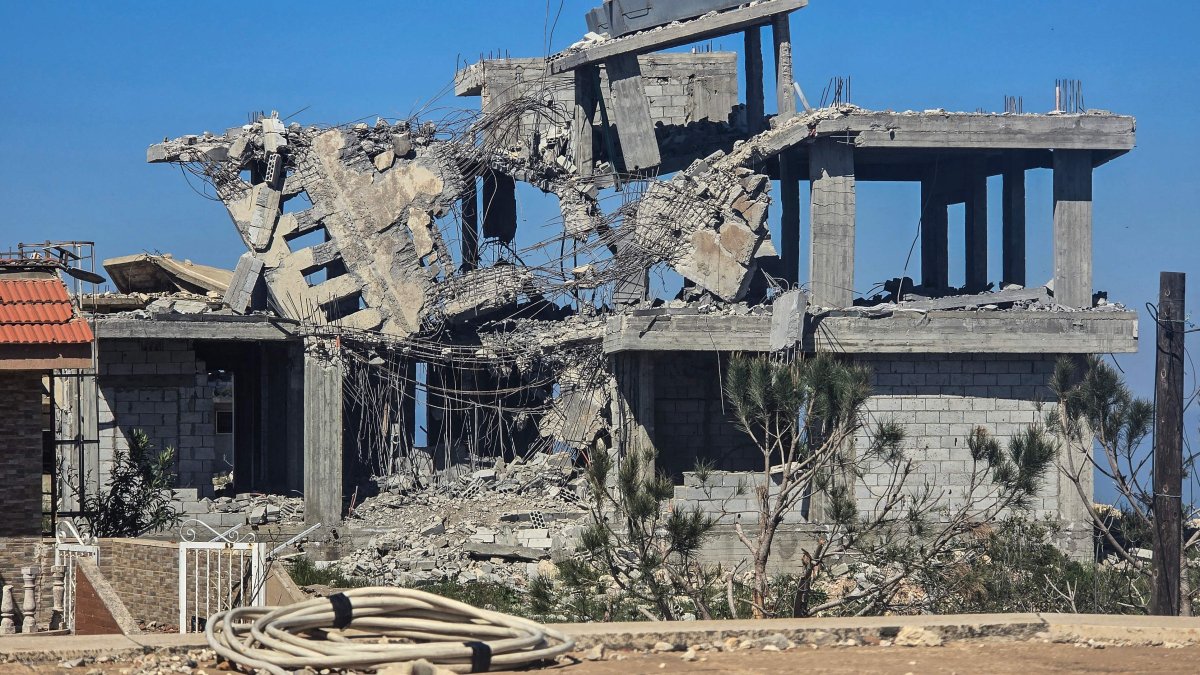
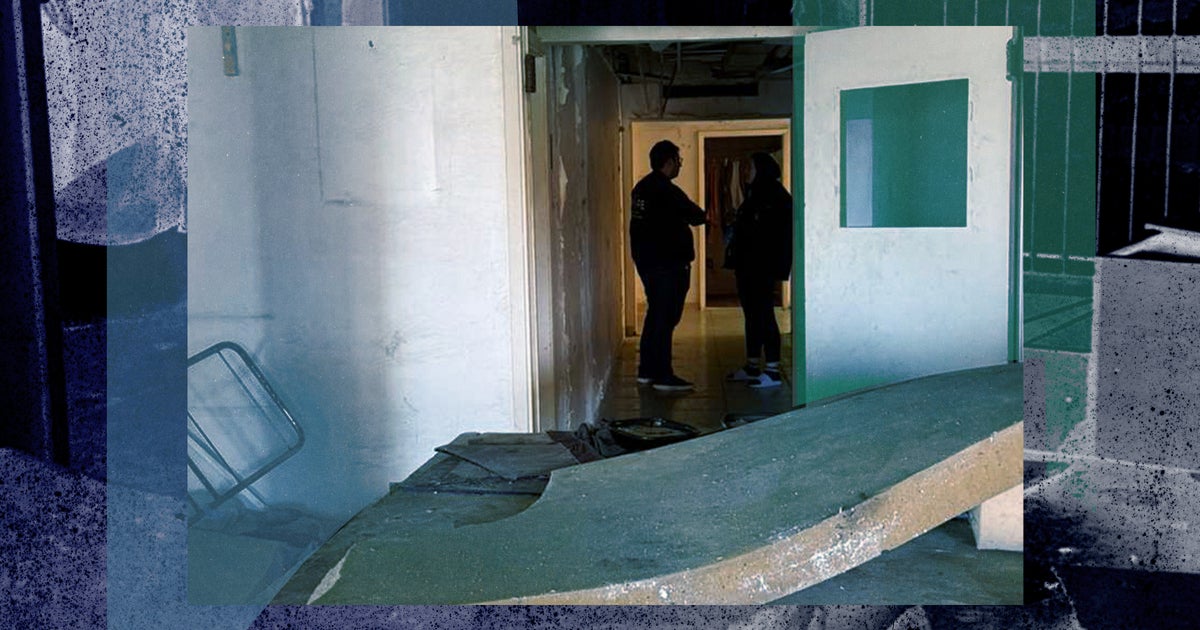
In the surrounding streets, many displaced residents from villages closest to the Blue Line – the boundary drawn by the UN in 2000 to mark Israel’s withdrawal from southern Lebanon – have found refuge, despite the severe damage inflicted here by Israeli forces.