https://arab.news/g8cnv
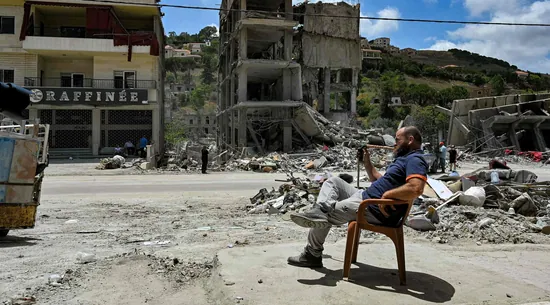
Last week, my esteemed colleague Hiba Nasr, an Asharq News correspondent in Washington, wrote a post on X that reflected palpable anguish about the receding shadow of the Lebanese state in her village in southern Lebanon after the army’s withdrawal in the face of a new Israeli assault.
Hiba wrote about her tranquil village, nestled in the Wadi Al-Taym valley and sheltered by the majesty of Mount Hermon, despairing at how the state, after having given residents the impression that they could again have hope and dream, was abandoning them.
“It weighs heavily on us to be abandoned for decades, only to appear in the news as part of a conflict we never chose,” she wrote. May we return … May it be a nightmare that ends soon.”
Beyond the suffering and pain of the population native to this land, the Lebanese oscillate between a blame game and fears for the future. One segment finds comfort in addressing a world it had known for decades, decrying the constant marginalization of the state in favor of Hezbollah, Iran’s “Trojan horse.”