https://arab.news/4zrab
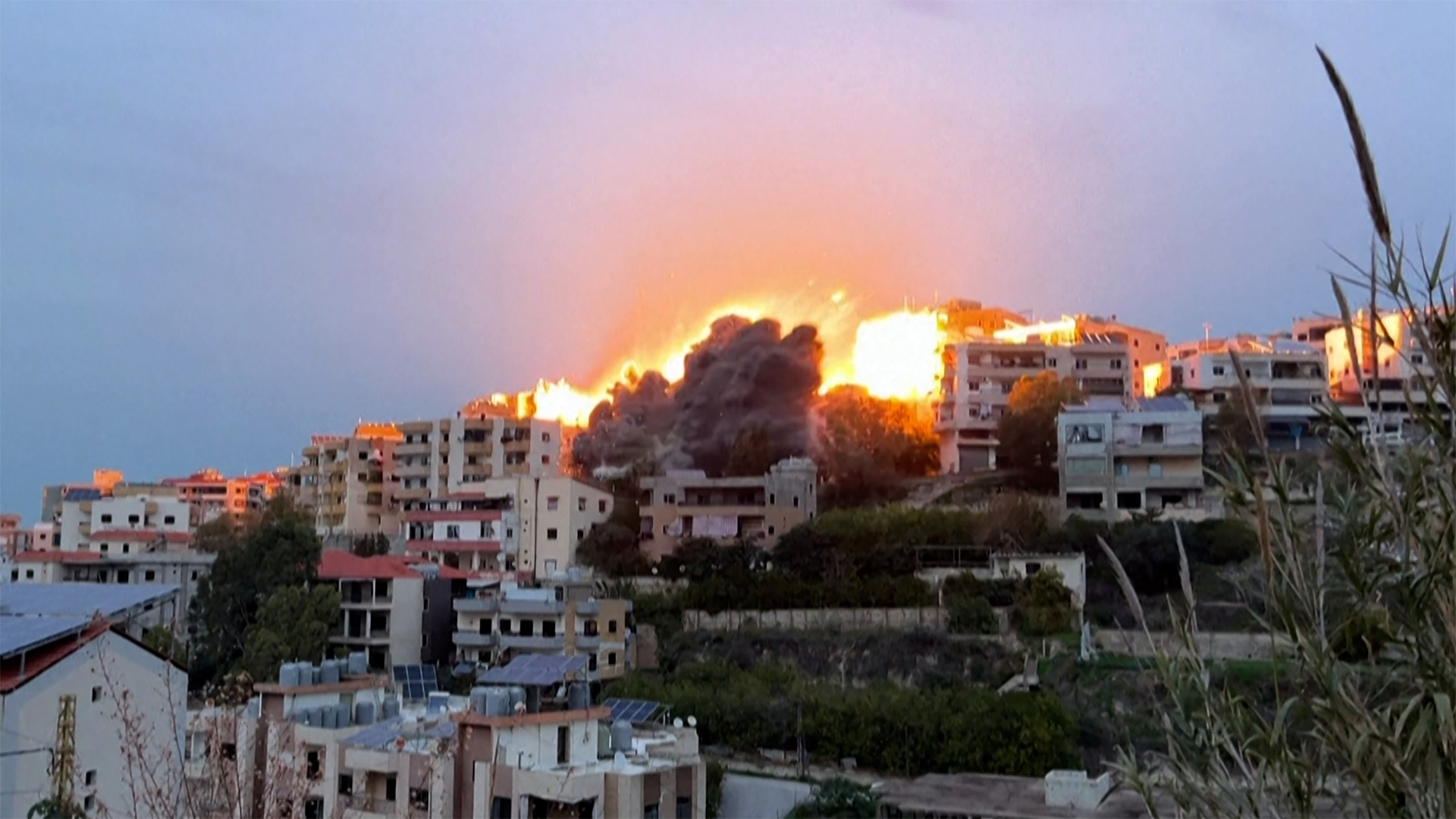
It has been about 150 days since Joseph Aoun and Nawaf Salam took office. On the one hand, Lebanon is experiencing its best chapter in two decades. On the other hand, there are concerns about the slow pace of progress — and that another war is on the verge of erupting.
Regardless of whether the fighters on either side of the Litani River are preparing for a decisive battle — which is unlikely — the road is long before Lebanon can fully reclaim its sovereignty from both Israel and Hezbollah. Israeli forces still occupy Lebanese land and Hezbollah has handed over only a fraction of its weapons — barely the tip of the iceberg.
The repeated rhetoric in both leaders’ speeches about the “Israeli enemy” carries no real weight today, nor is it necessary in modern political discourse.
The bitter truth, for some, is this: it is Israel — not the Lebanese authorities — that will determine the shape of Hezbollah’s future. Israel will define its size, the limits of its capabilities and its influence.