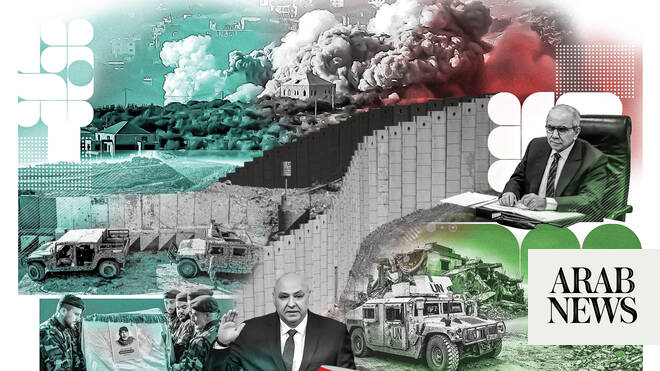
LONDON: With Lebanon’s parliamentary elections only six months away, the war-weary country is still mired in economic crisis, divisions over diaspora voting, escalating Israeli attacks, and disputes over Hezbollah’s disarmament.
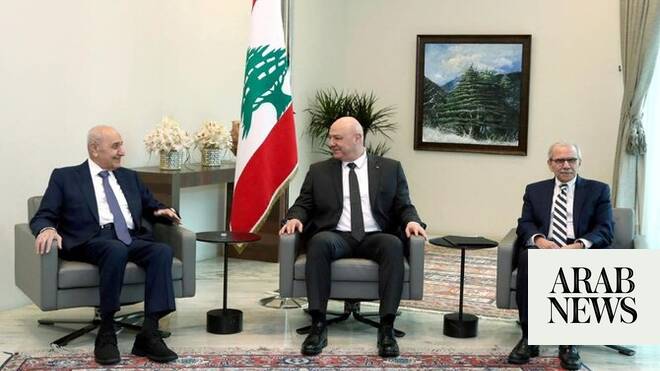
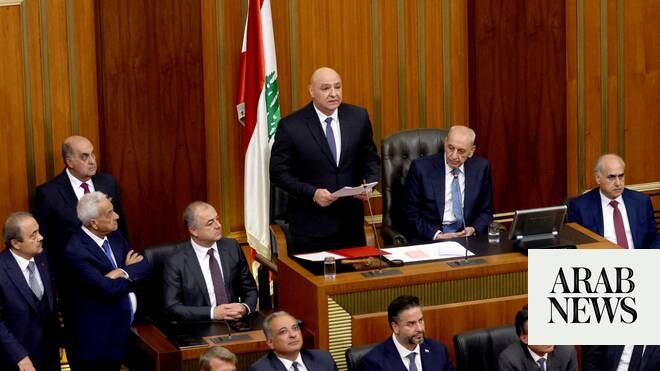
At the start of 2025, parliament ended more than two years of political paralysis when it formed a new government, appointing Joseph Aoun as president and Nawaf Salam as prime minister. However, the country’s coalition-based system has continued to impede decision making.
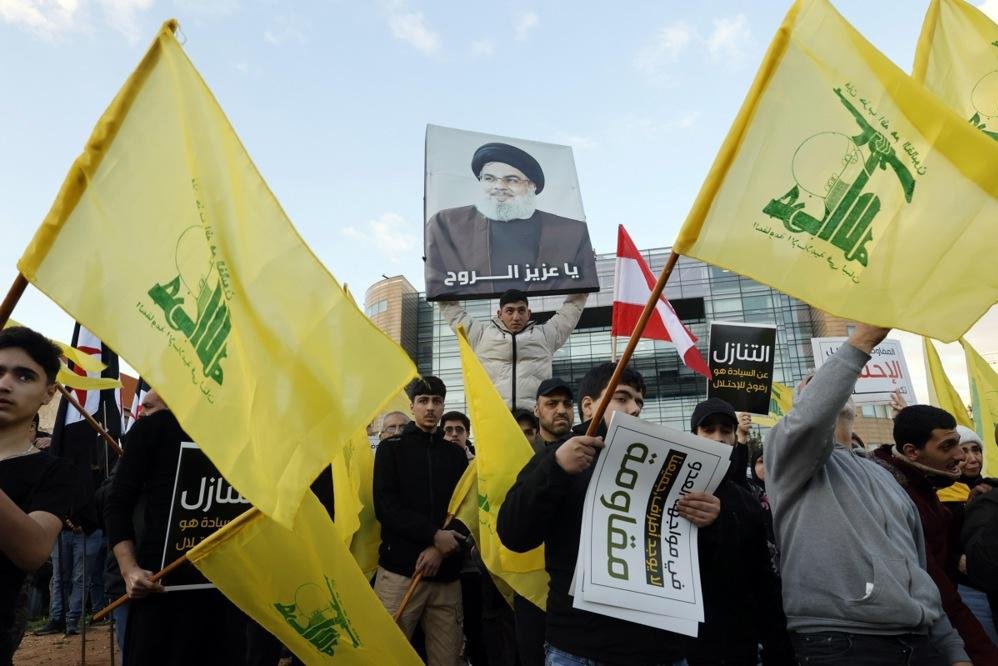
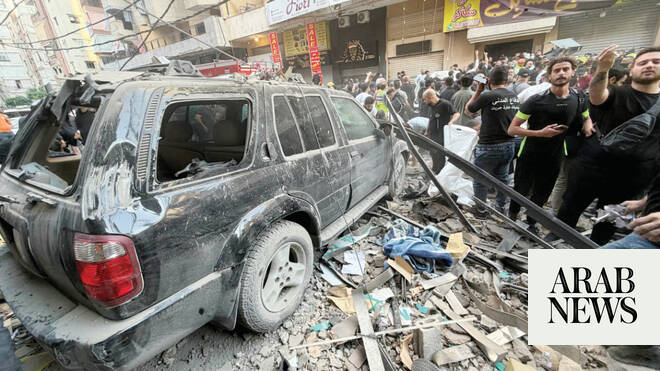
Meanwhile, even as the country marks exactly one year since the Israel-Hezbollah ceasefire came into effect, Israeli strikes have continued and Hezbollah has refused to disarm, threatening a return to open conflict.
Against this backdrop, analysts say that even timely elections in May may not prevent a return to the institutional gridlock that followed the 2022 vote, nor stave off further instability.
Smoke rises after Israeli strikes following Israeli military's evacuation orders, in Chehour, southern Lebanon, on November 19, 2025. (REUTERS)