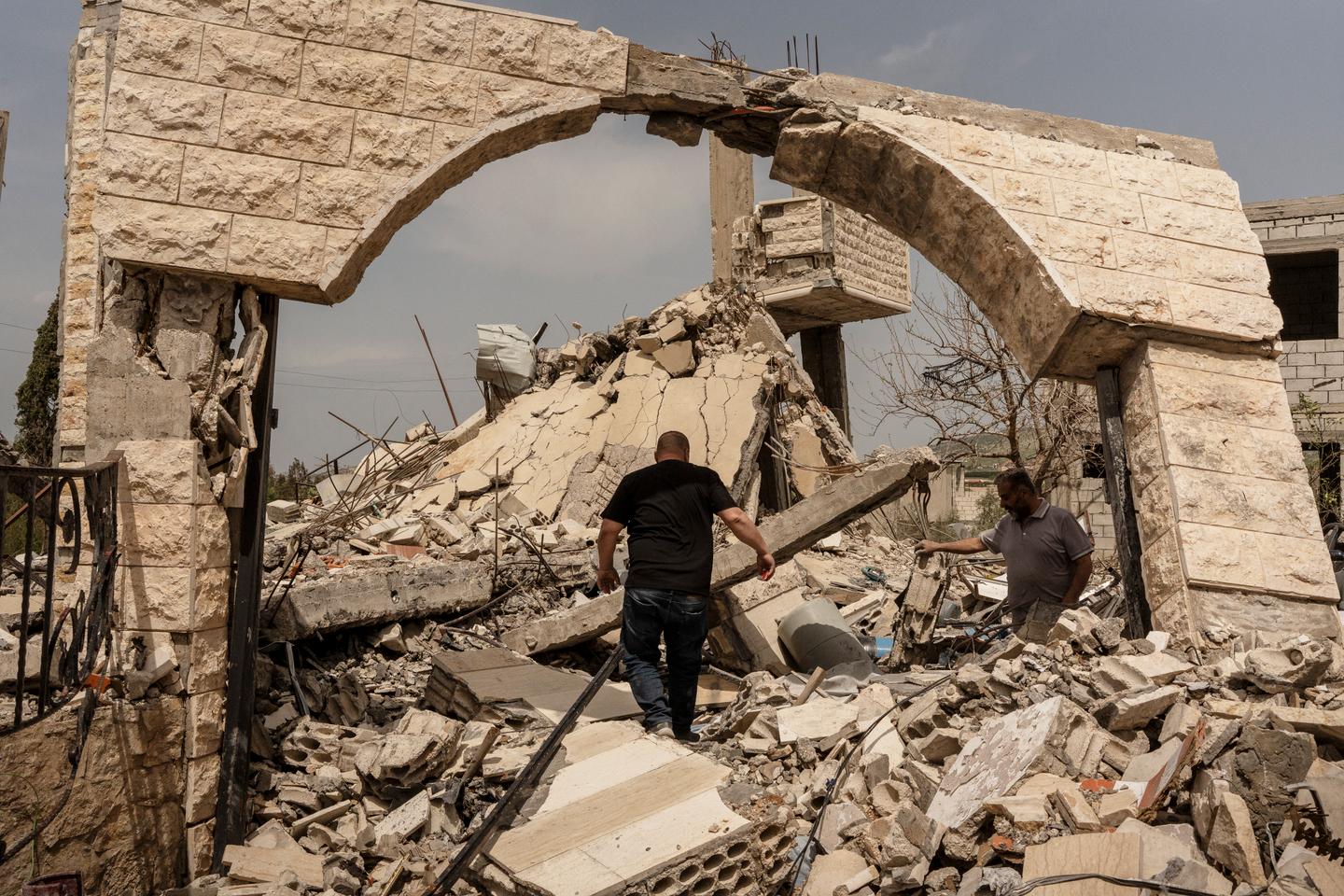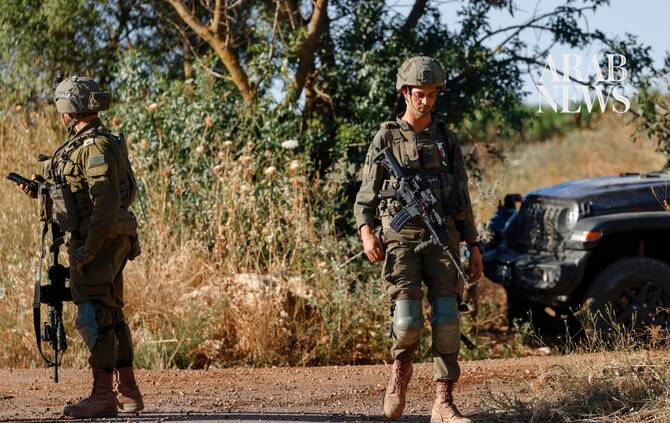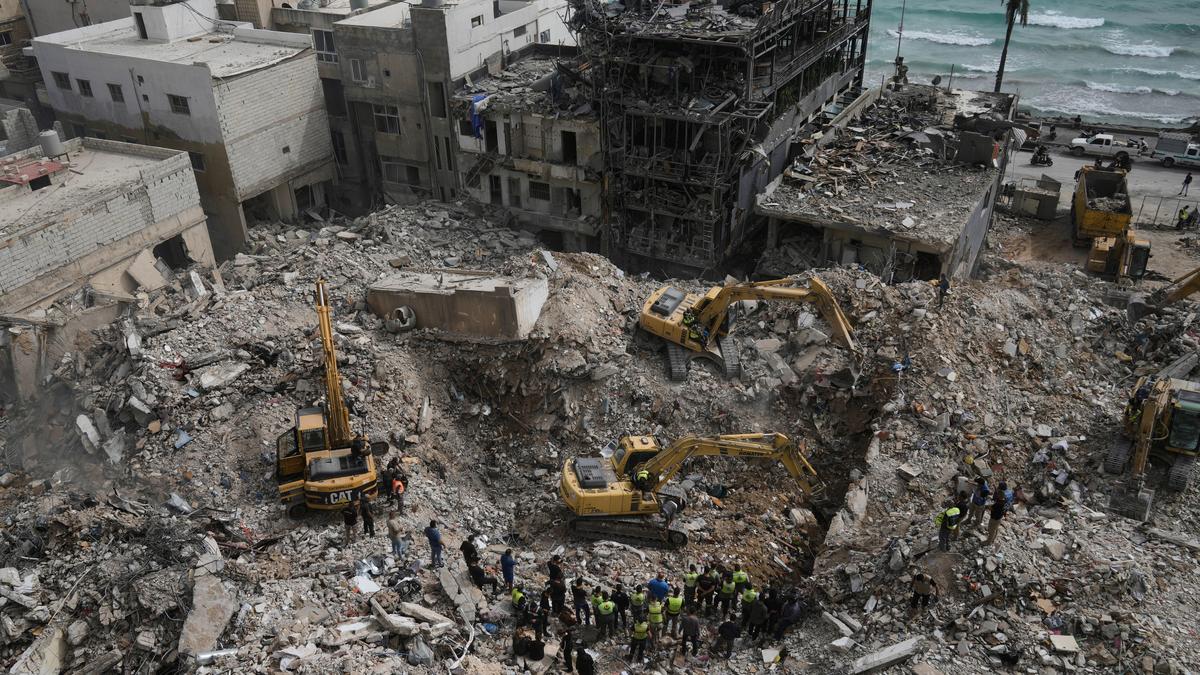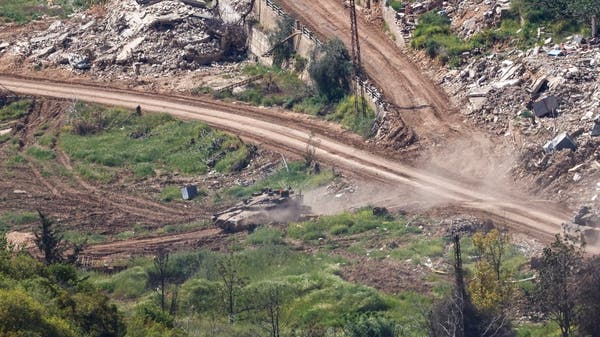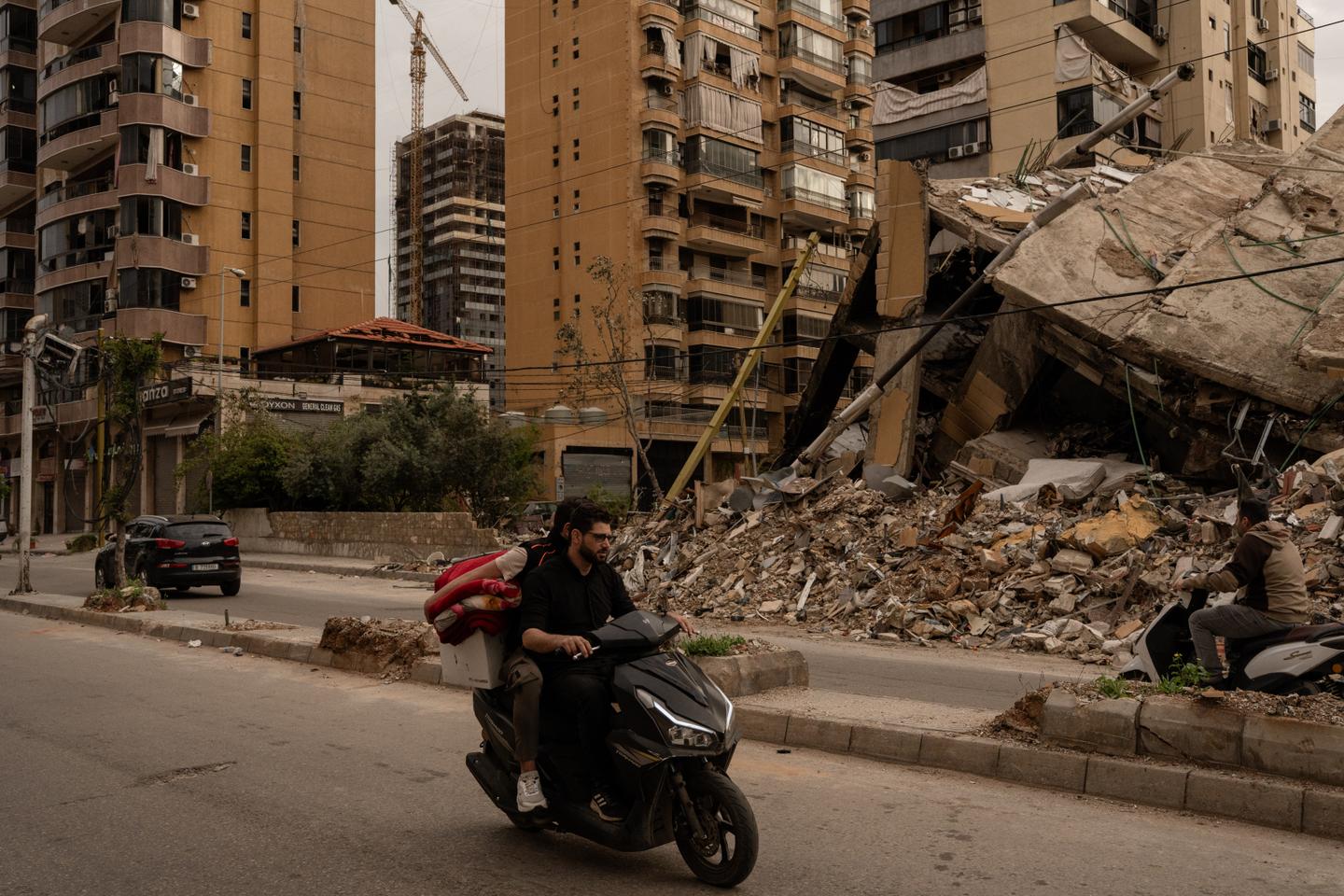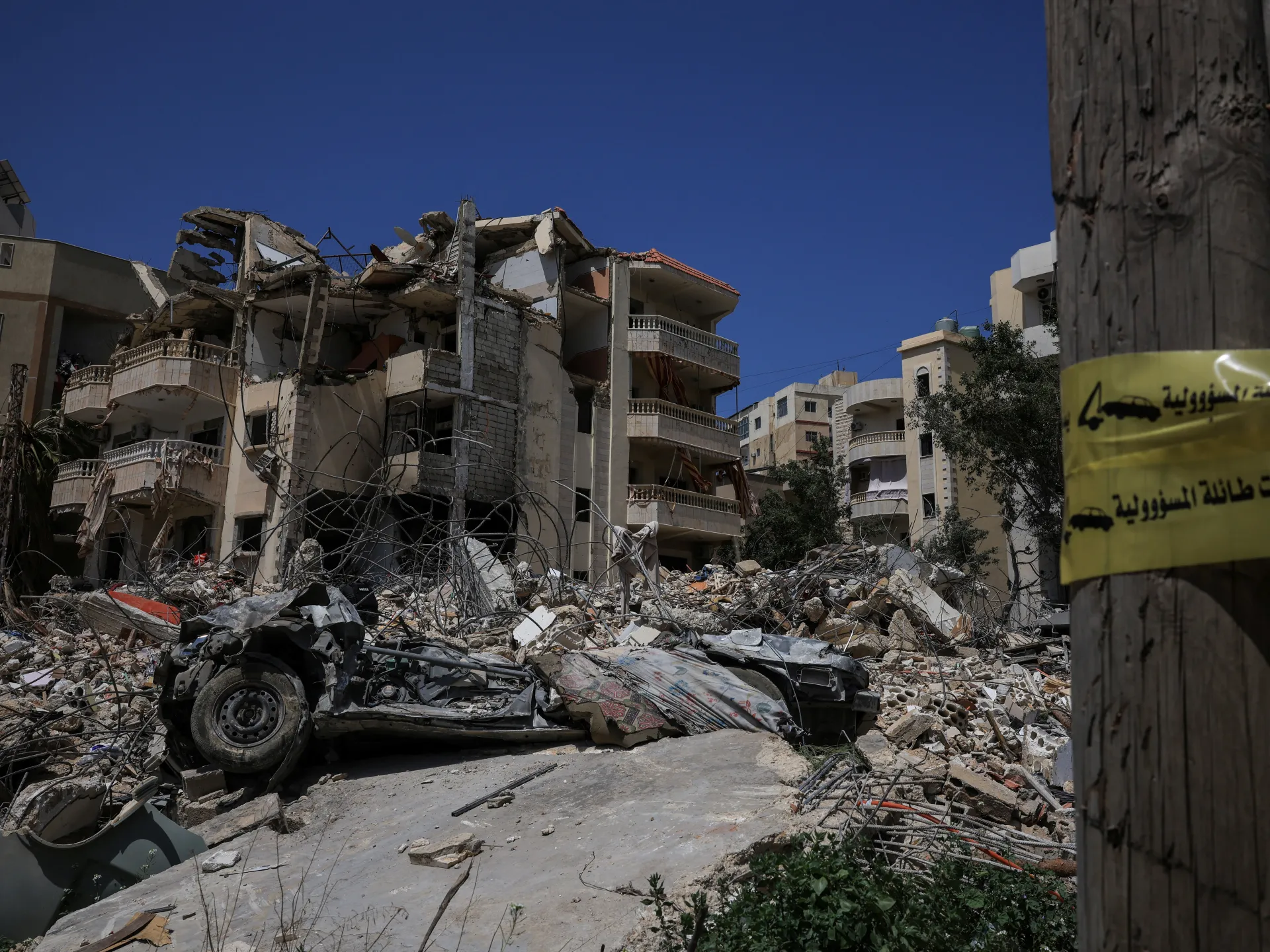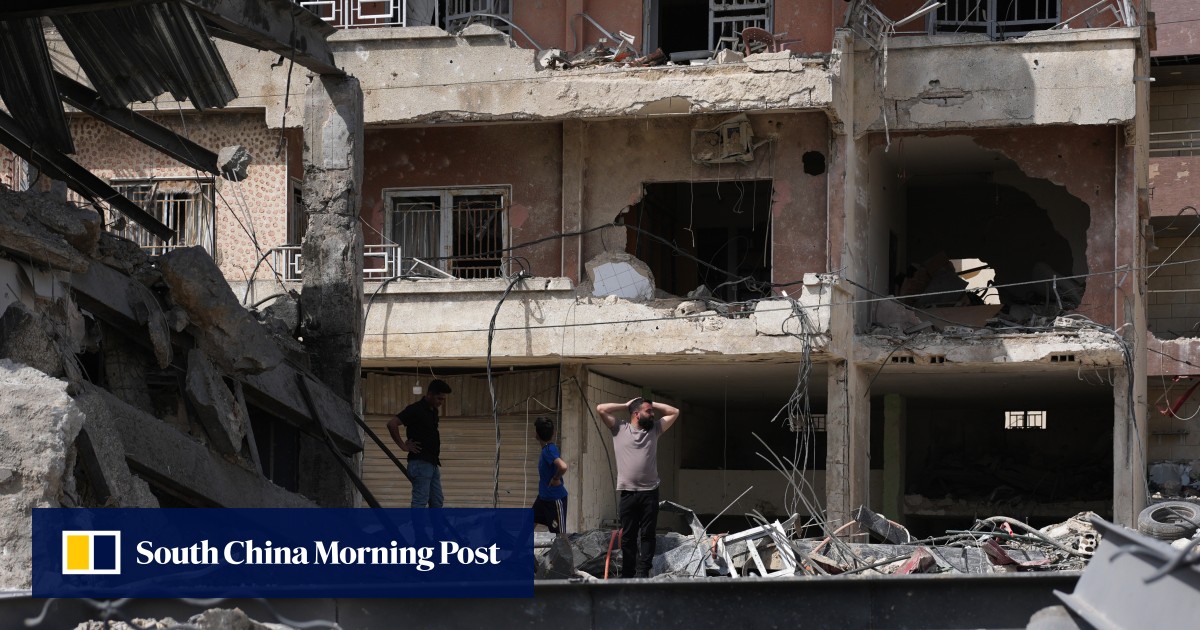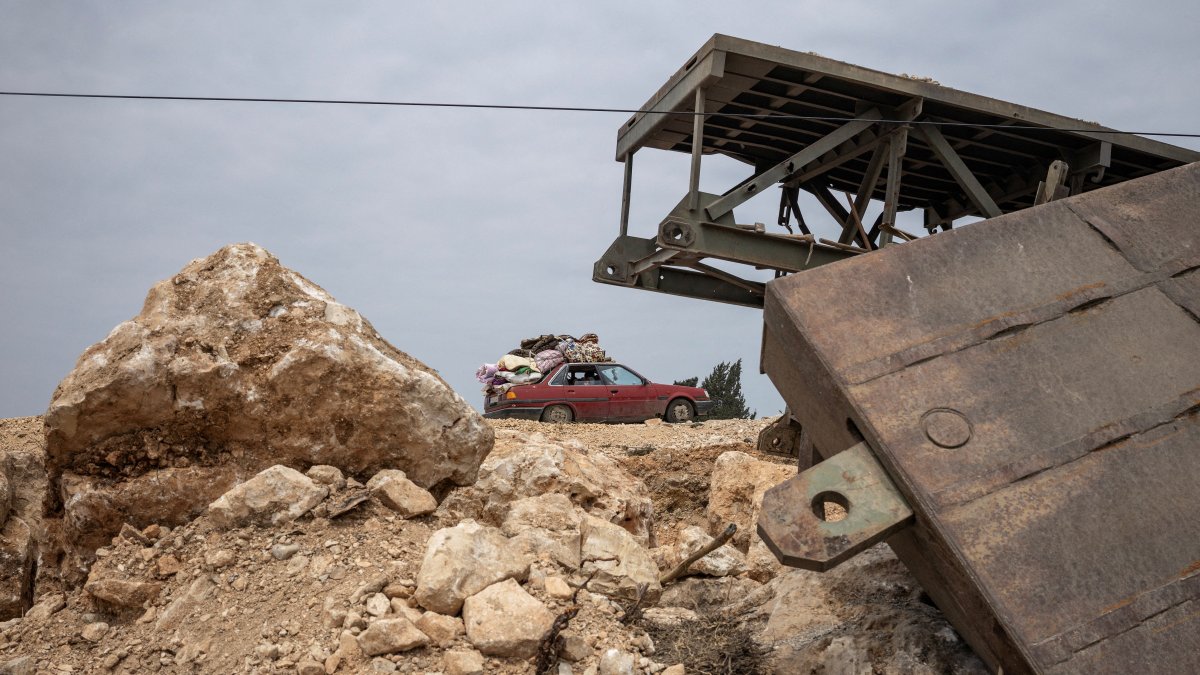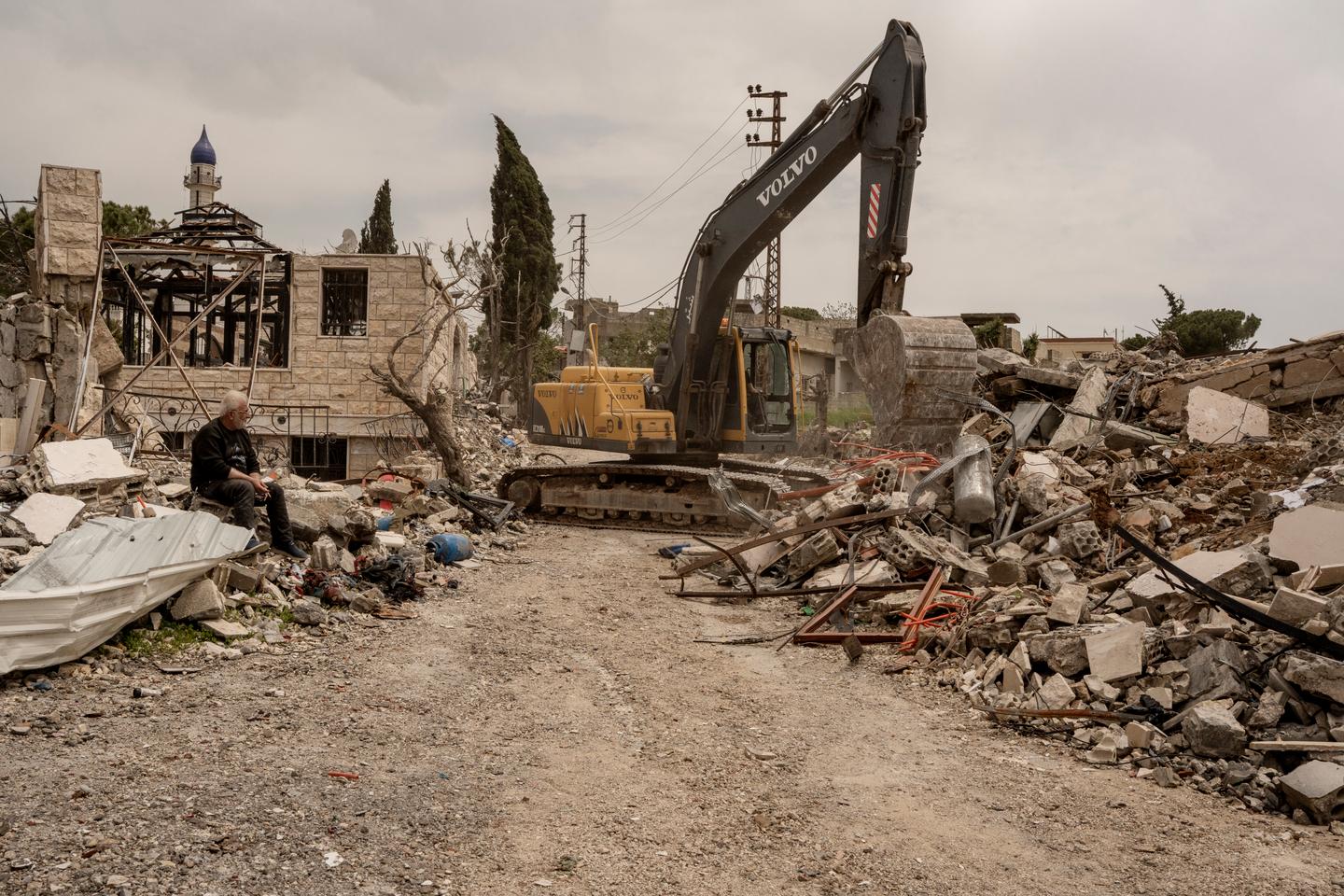
A man who lost two of his sons searches for the body of one of them in the rubble, the day after the cease-fire took effect, in Arnoun, Lebanon, on April 17, 2026. ADRIENNE SURPRENANT/MYOP FOR LE MONDE
"Don't go into Yohmor, they target anyone who is there! And don't go up to Beaufort Castle, or the snipers will shoot you down! That's in a red zone," warned Abou Fadel, a 42-year-old contractor stationed with his bulldozer on the main square of Arnoun, a town in southern Lebanon, on Wednesday, April 22. He had tried to clear rubble in the village of Yohmor, but 15 minutes later, Israeli shelling forced him out. A few residents have risked going there to retrieve some belongings. That afternoon, an Israeli strike targeted a vehicle there, killing two people.
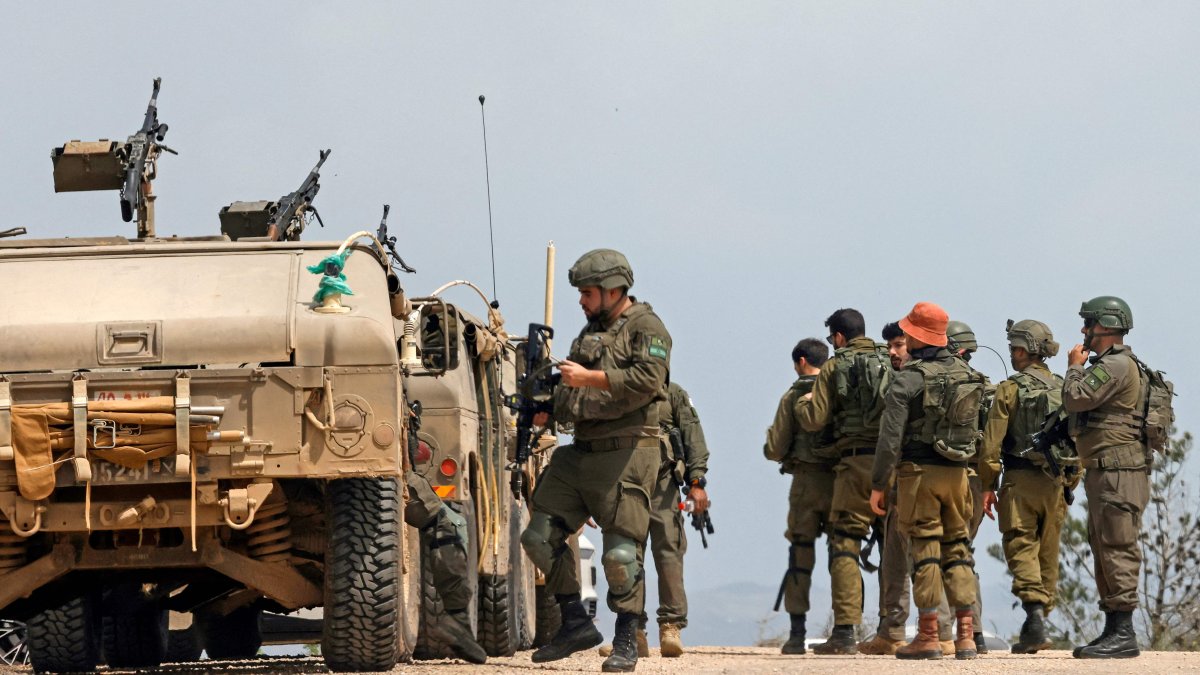
The "red zone" is the area drawn by the Israeli army on a map released on Sunday, the third day of the ceasefire between Israel and Hezbollah that began on April 17 and has already been marred by numerous violations. This "advanced defense zone," marked by a "yellow demarcation line," is similar to the line drawn in the Gaza Strip after the October 2025 ceasefire. The "yellow line," which Palestinians are forbidden from approaching, on pain of being shot, splits the enclave in two from north to south, separating an area under the control of the Palestinian group Hamas and another held by the Israeli army.