Developments in Berlin and Tokyo show how far the strategic environment has shifted in response to authoritarian threat and American unpredictability
W
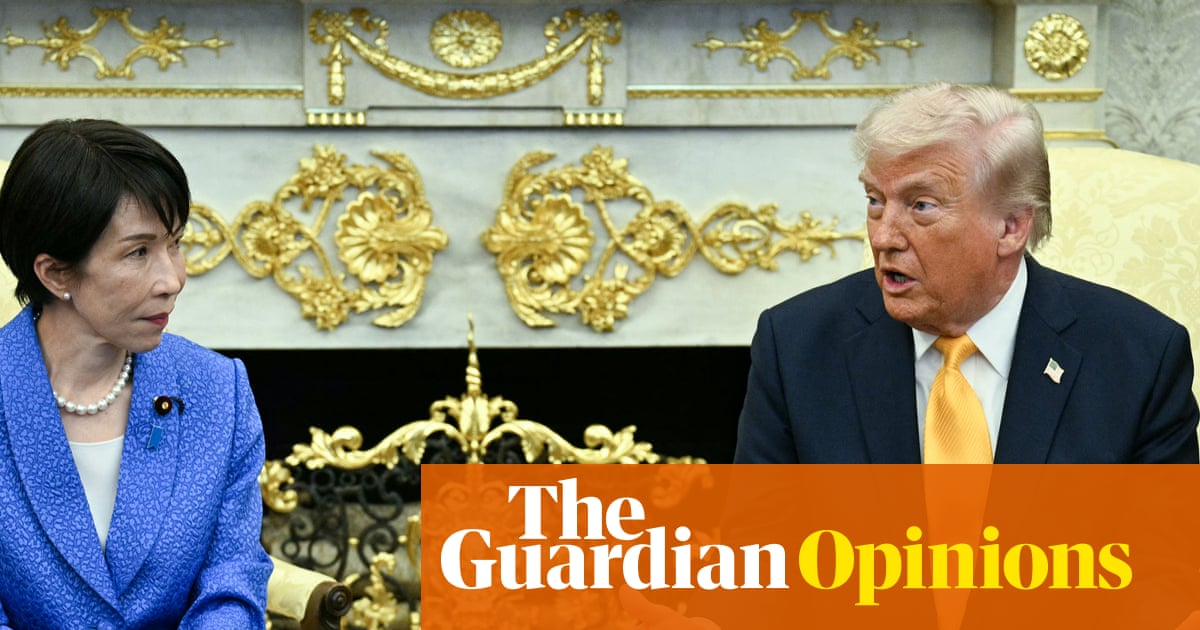
hen Donald Trump hosted Sanae Takaichi, the Japanese prime minister, last month, he could not resist a gratuitous reference to Pearl Harbor. The US president is impelled to trash longstanding alliances. He has done more than anyone to demolish the postwar global order.
This week alone, the Polish president, Donald Tusk, questioned whether the US would be “loyal” to Nato if Russia attacked. A Pentagon memo reportedly floated suspending Spain from Nato and reviewing support for the British claim to sovereignty over the Falkland Islands. And a report said US officials believe that it has depleted munitions so rapidly in Iran as to put in question contingency plans to defend Taiwan against a Chinese invasion in the near future.
But the outlines of the new world being built in response to authoritarian menace and US unpredictability also came a little more clearly into view. Two major powers are shaking off postwar restraints. Germany published its first military strategy since the end of the second world war – laying out the context for its vast rearmament and recruitment plans. While the country says it is taking on more responsibility within Nato, it is also setting out its national interests more distinctly.