A
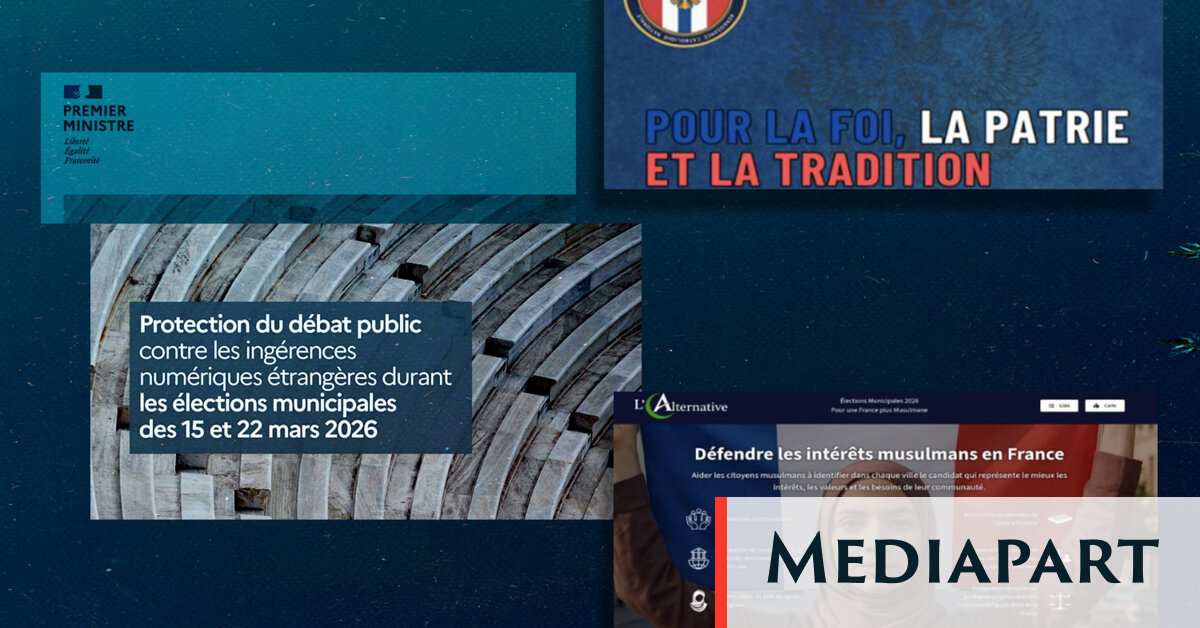
s the 2027 French presidential election approaches, France must confront a reality that is now widely documented: Foreign digital interference in national elections. This is no longer a matter of suspicion, but of analysis substantiated by academic studies, journalistic investigations, and parliamentary reports.
Kremlin-orchestrated influence operations have been widely demonstrated. The US and China have also developed direct and indirect information influence strategies, using online platforms, ideological networks, or economic actors operating within France.
Recent examples from Central Europe should serve as a warning. In Slovakia, the 2023 parliamentary campaign was marked by the massive dissemination of pro-Russian content, spread through disinformation networks on Facebook and Telegram. In Romania, authorities documented online influence operations aimed at undermining trust in institutions and polarizing public opinion on sensitive geopolitical issues. In both cases, the digital sphere became the primary vector for political destabilization strategies.
Subscribers only