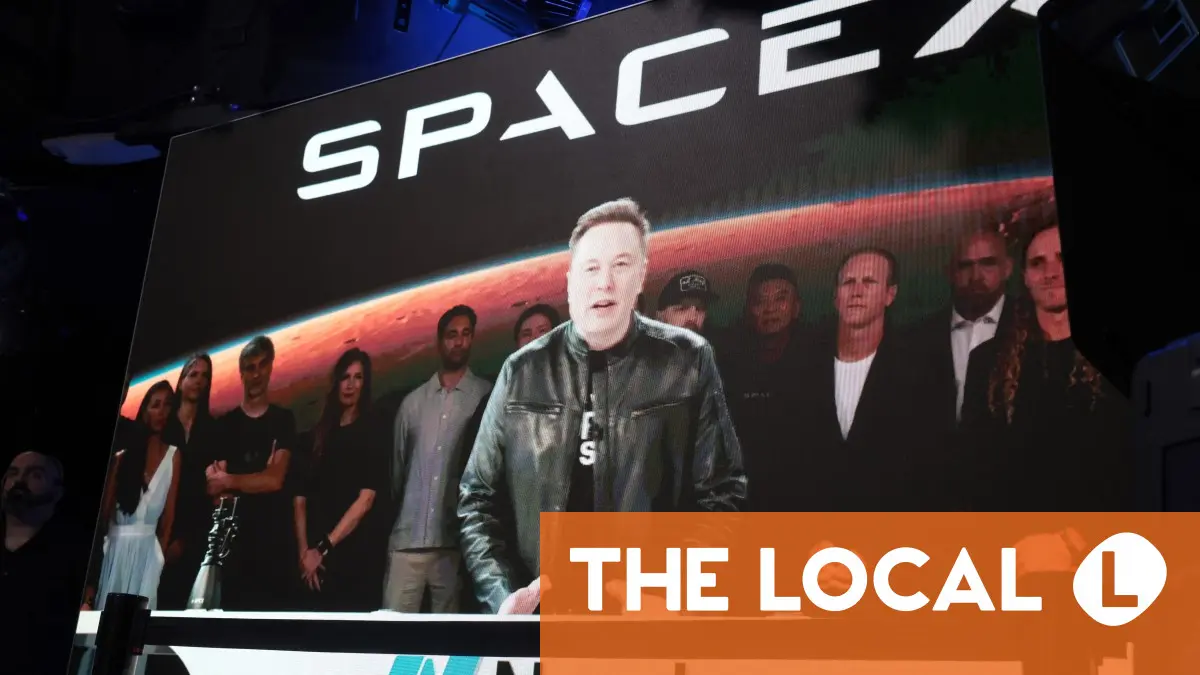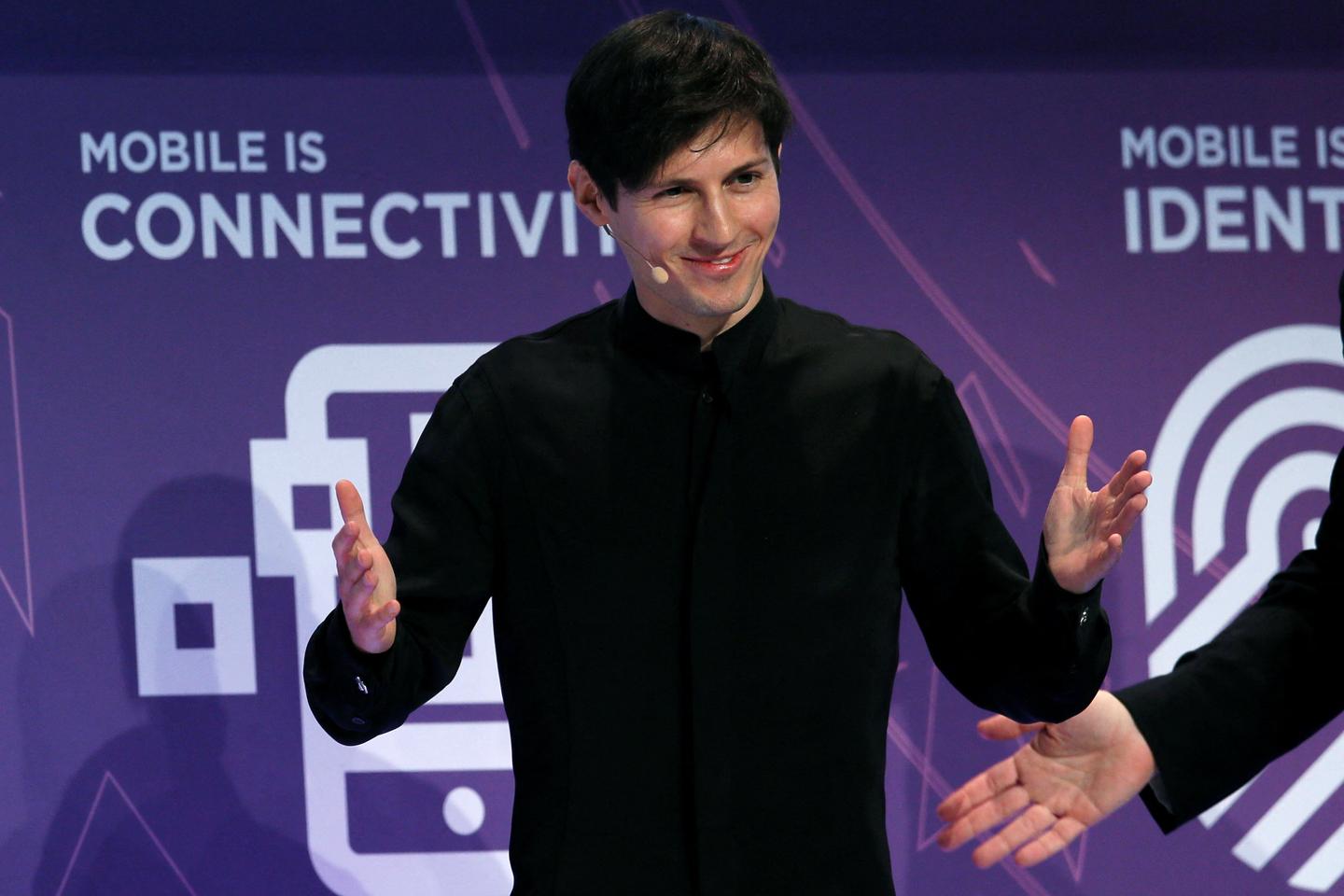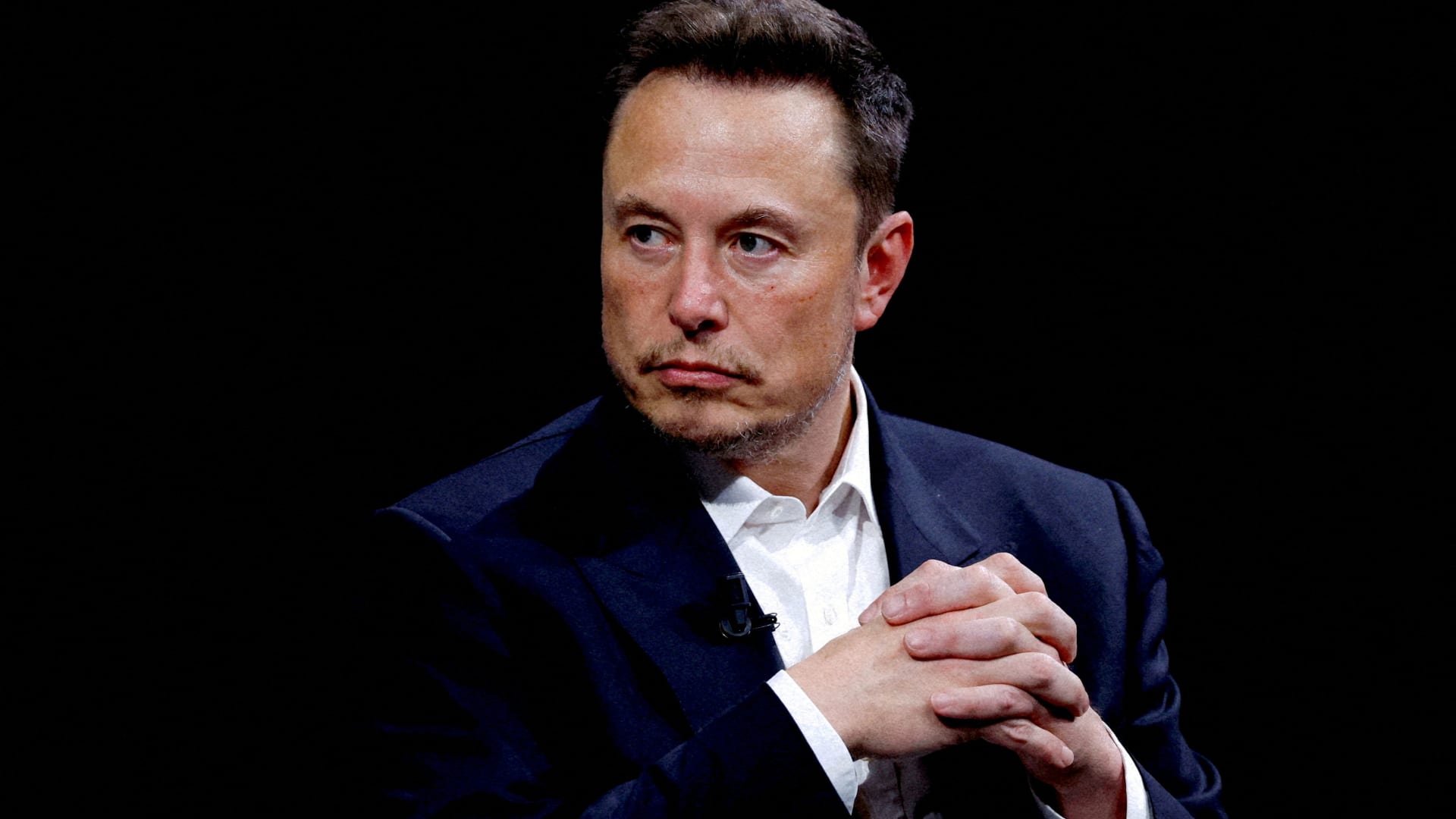
On September 28, the day Moldova held recent parliamentary elections, Elon Musk shared a post by Pavel Durov, the founder of the social network Telegram, on X. In the message, Durov claimed to have faced pressure in the summer of 2024, after he was arrested in France for a series of infractions related to his messaging service. According to the French-Russian billionaire, French intelligence services had offered, "through an intermediary," to plead his case to the judges handling the matter if he agreed to "help the Moldovan government censor certain Telegram accounts" ahead of the country's autumn 2024 presidential election, which was marked by extensive Russian interference. "Wow," wrote Musk.
"So here we have the boss of X once again backing Russian propaganda, on an election day," wrote MEP Nathalie Loiseau, the same day, also on X. A few months earlier, the founder of Telegram had already criticized what he described as French "interference" in the Romanian presidential election and supported the pro-Russian far-right candidate. Loiseau, who previously served as European affairs minister under President Emmanuel Macron, was not alone in reacting to the allegation. Durov's message, which has since been viewed more than 37 million times, received an official response – albeit one with far less reach – from the French Response X account, which the French Foreign Ministry created, less than a month ago, precisely to counter such online disinformation attempts.