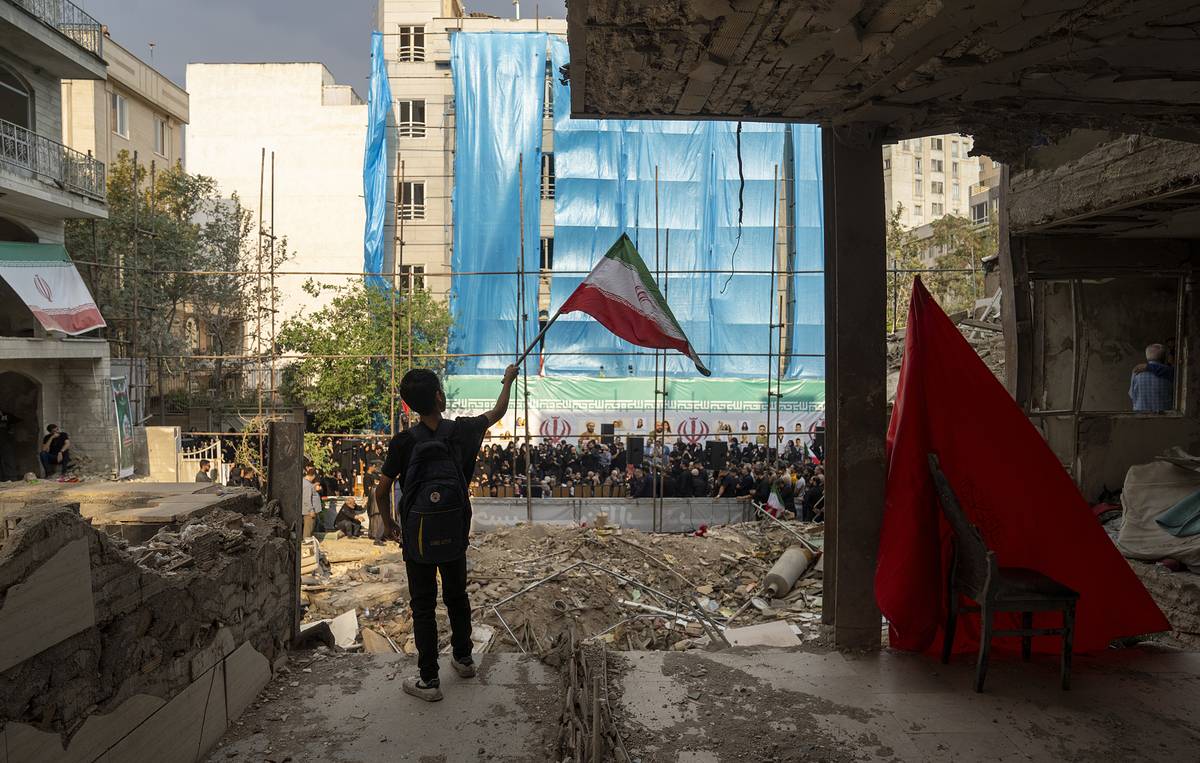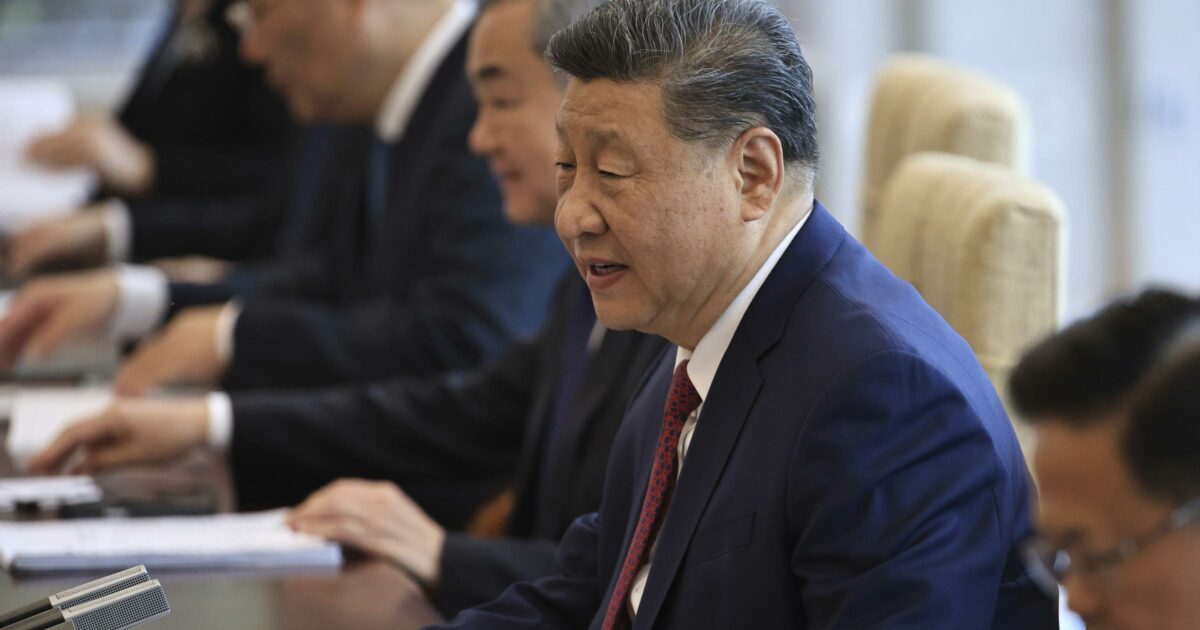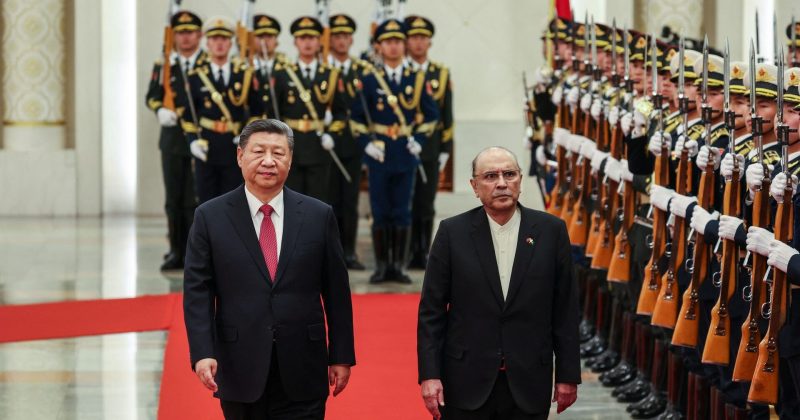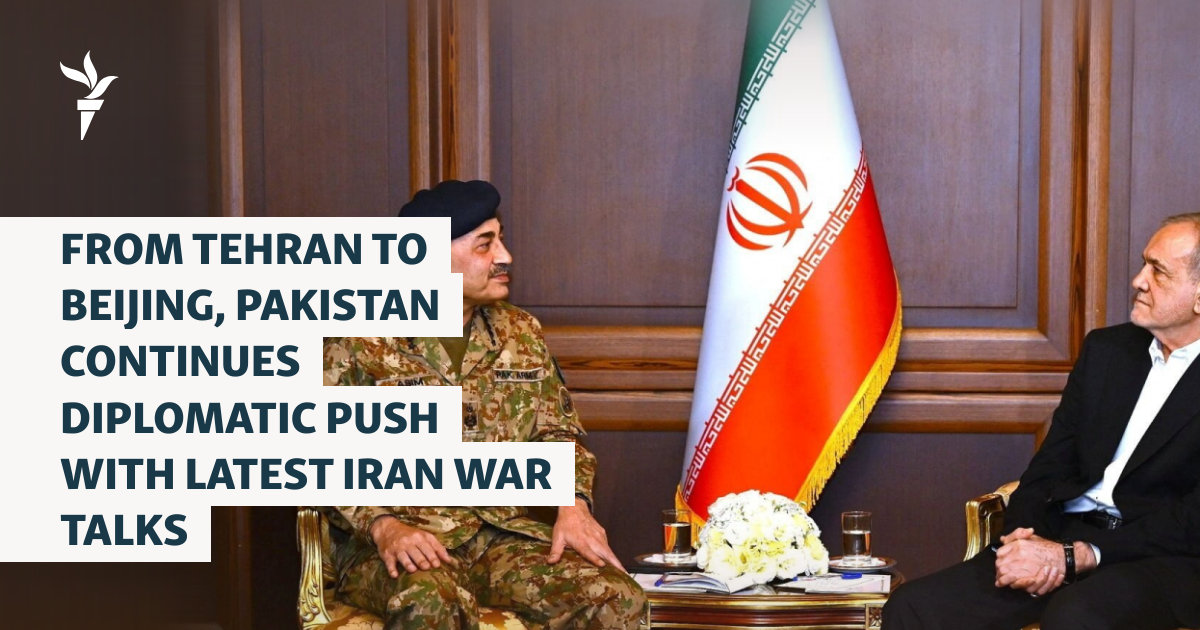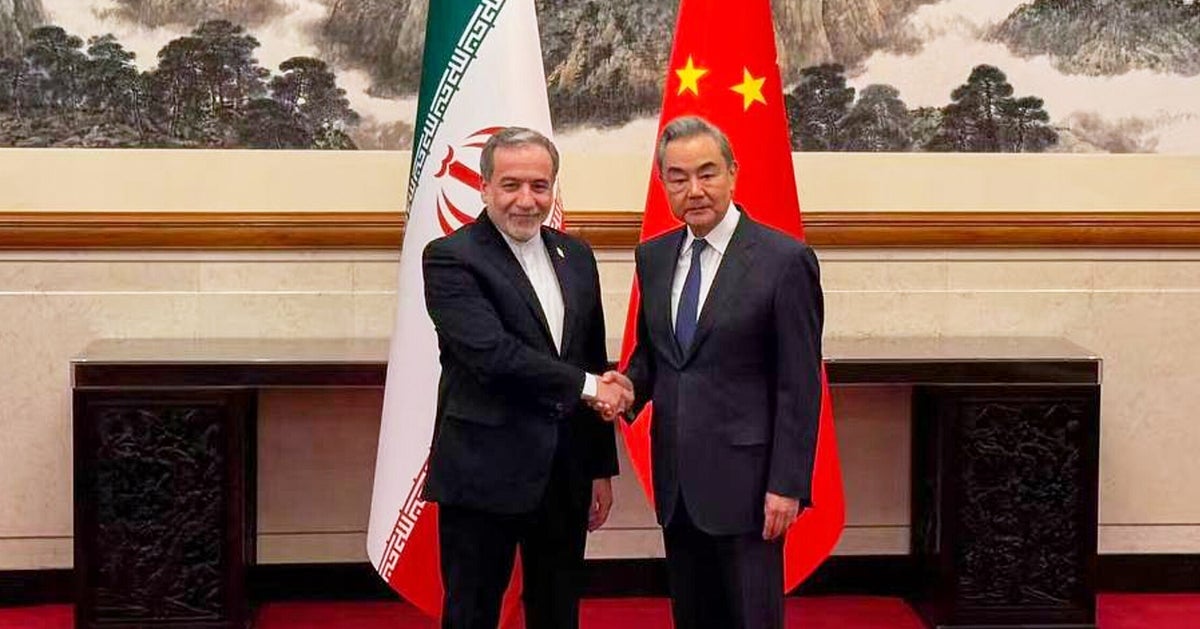
April 9 (UPI) -- Pakistan brokered the two-week U.S.-Iran cease-fire announced this week, with China playing a supporting diplomatic role. Beijing was hurt by the conflict's higher oil prices and supply disruptions, yet it also gained diplomatic credit by encouraging a pause in the fighting.
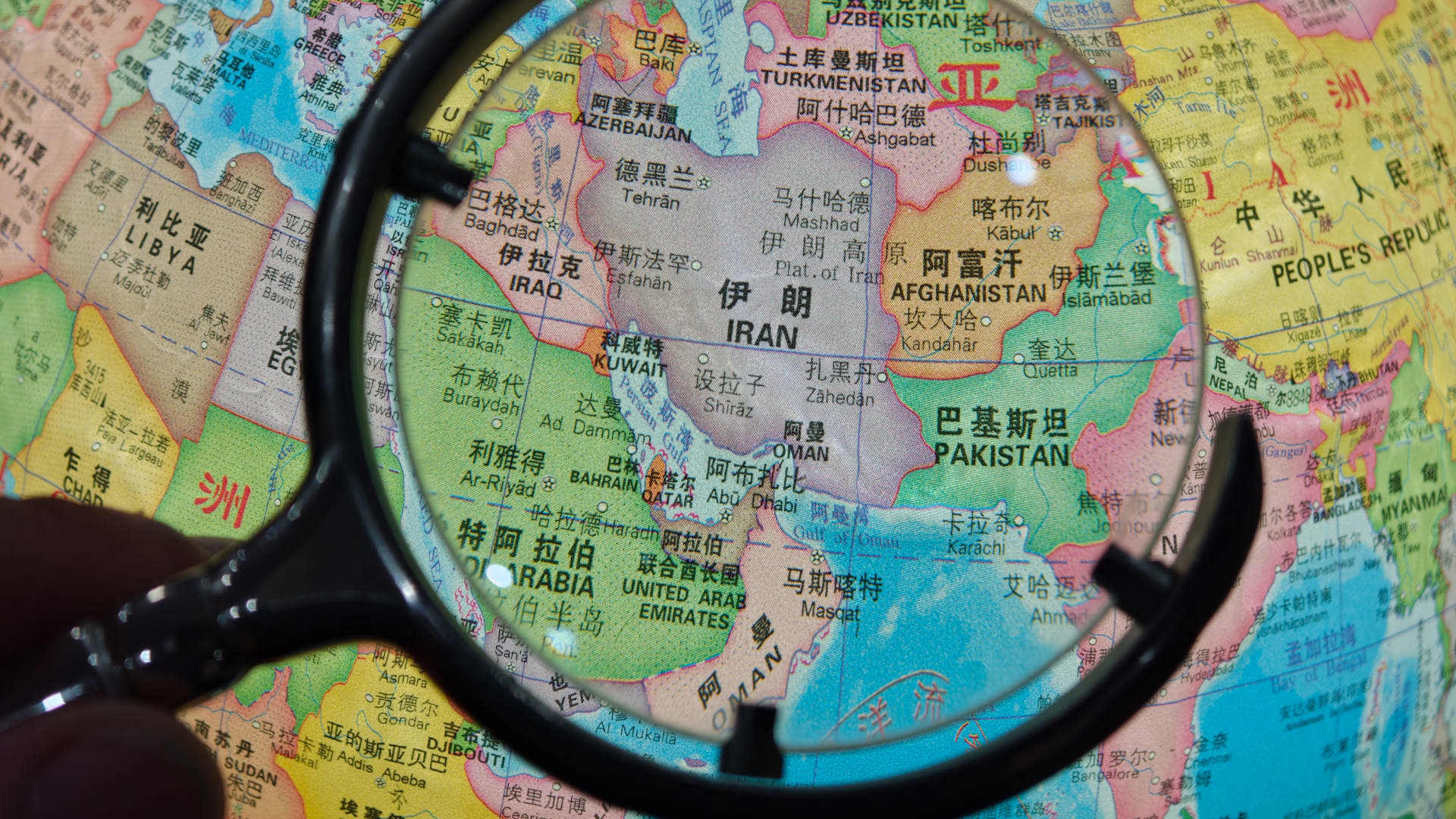
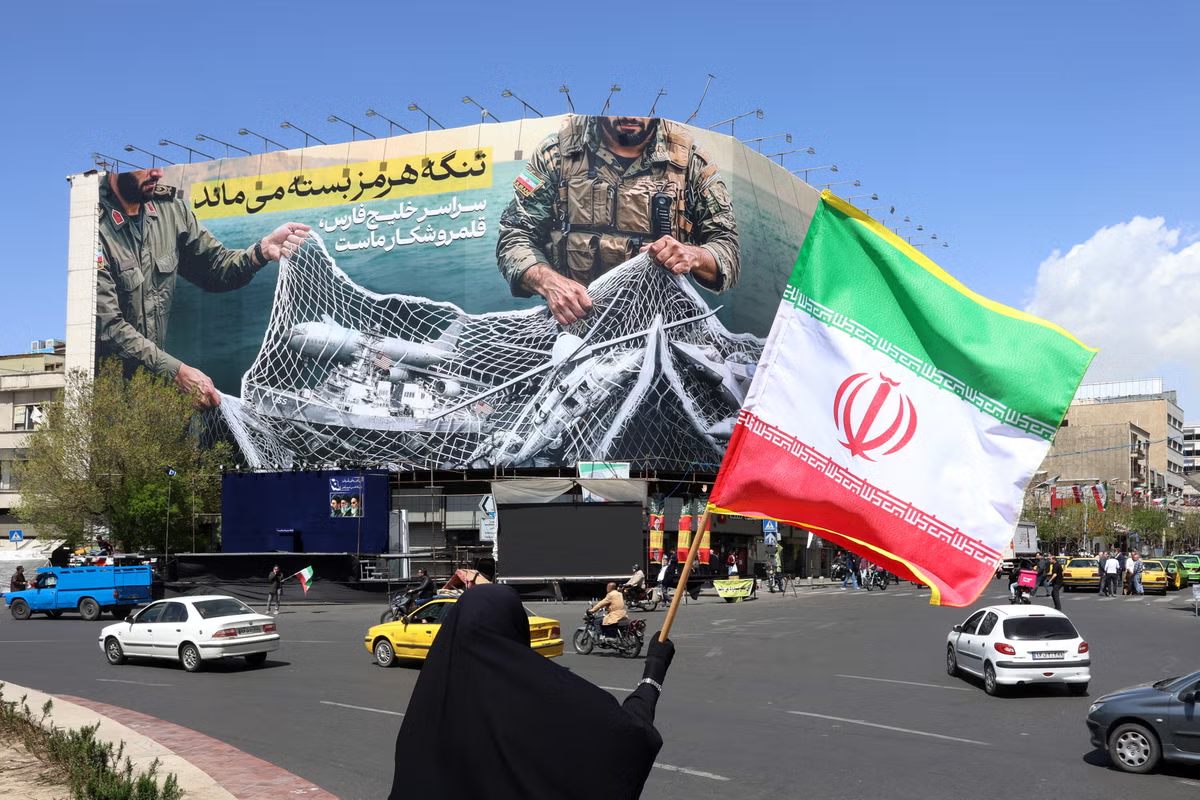
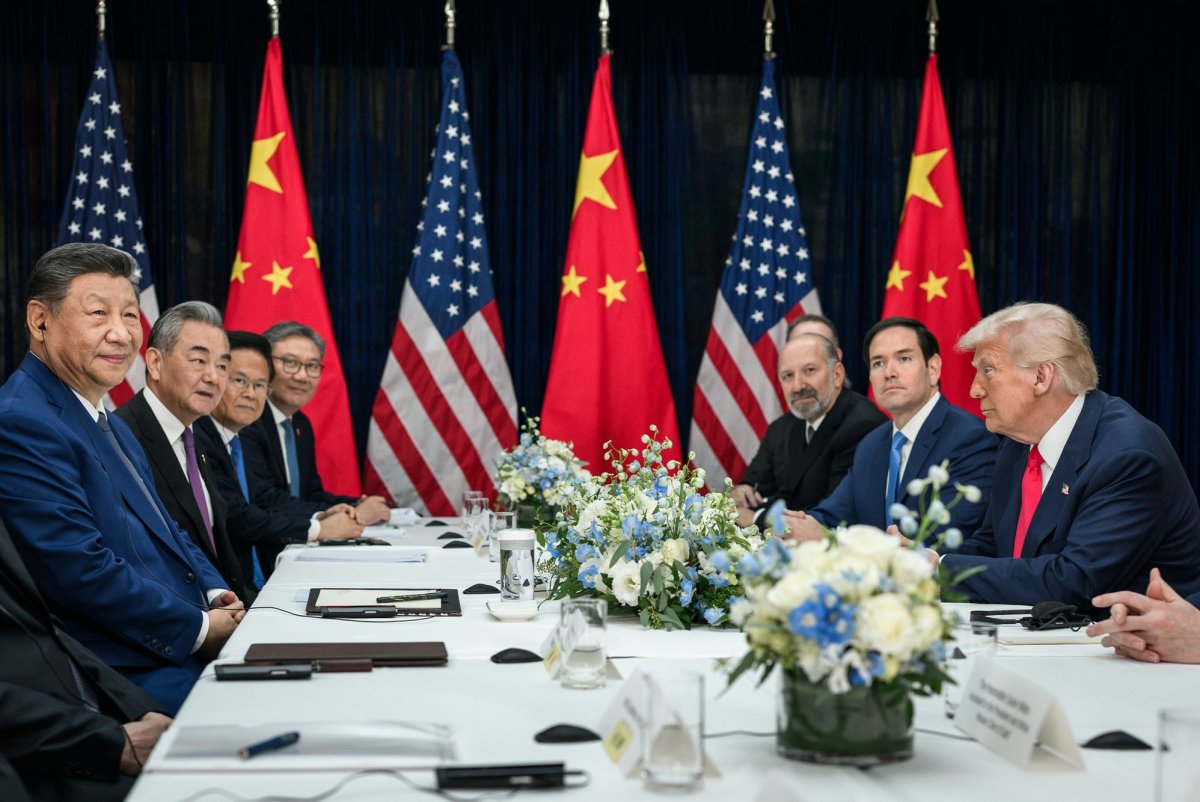
Iran, however, has already sought to exploit the truce. Citing Israel's continuing actions in Lebanon, it has continued to threaten passage through the Strait of Hormuz while adding maximalist demands such as war reparations and a U.S. military withdrawal from the region. As Washington negotiates with Tehran and considers whether military action may resume, it should keep a clear view of its principal geopolitical rival: if the war returns, China may emerge as its greatest strategic beneficiary.
No easy U.S. option
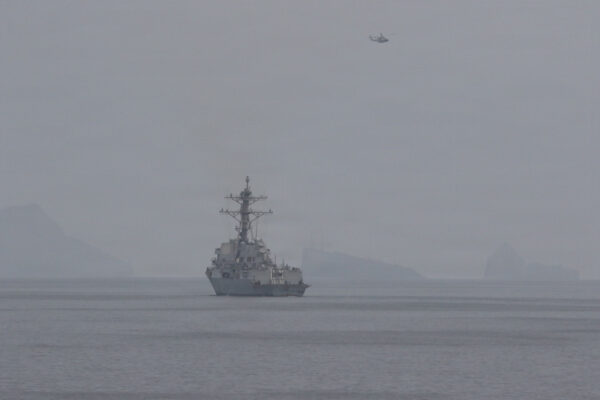
The United States has no good choices. Renewed fighting might impose additional military and economic pain on Iran, but even if most of its drones and missiles are destroyed, enough could survive to threaten Gulf shipping, pressure oil-importing economies, and unsettle the broader global economy. The present truce may also give Tehran time to regroup, possibly with help from Russia and China.