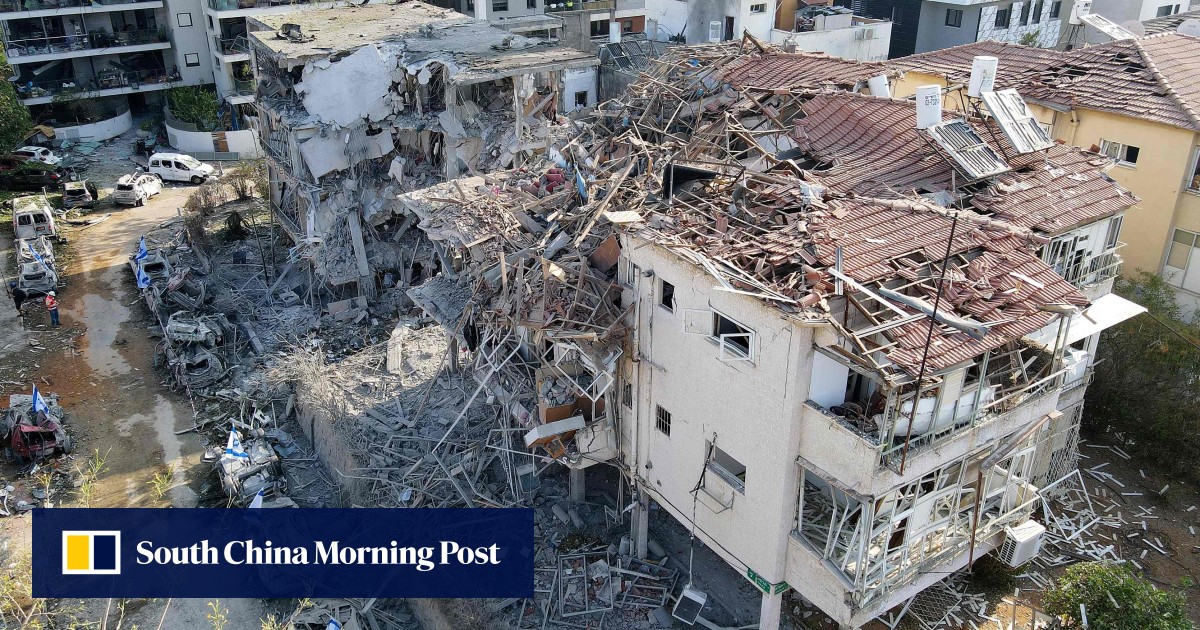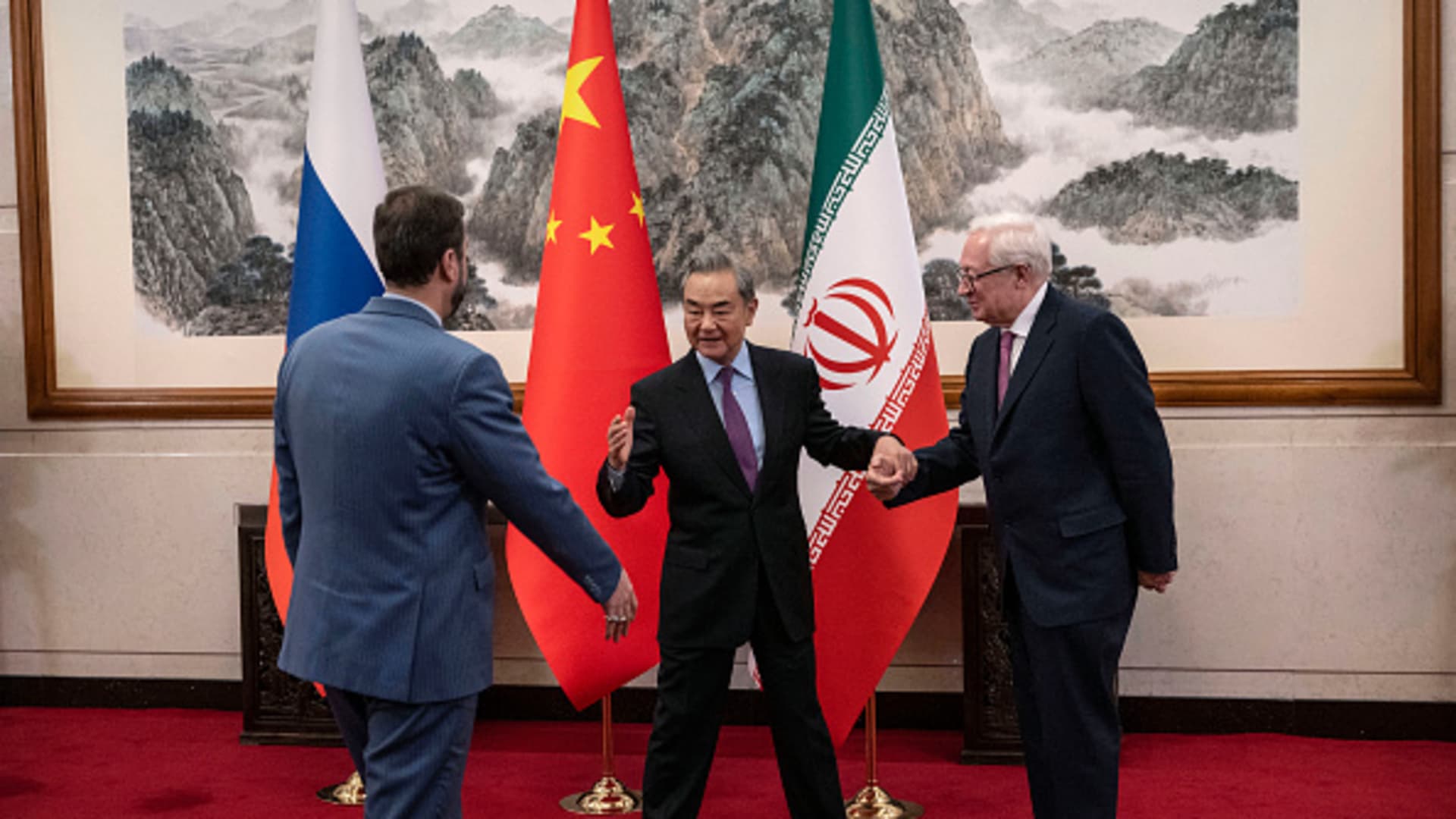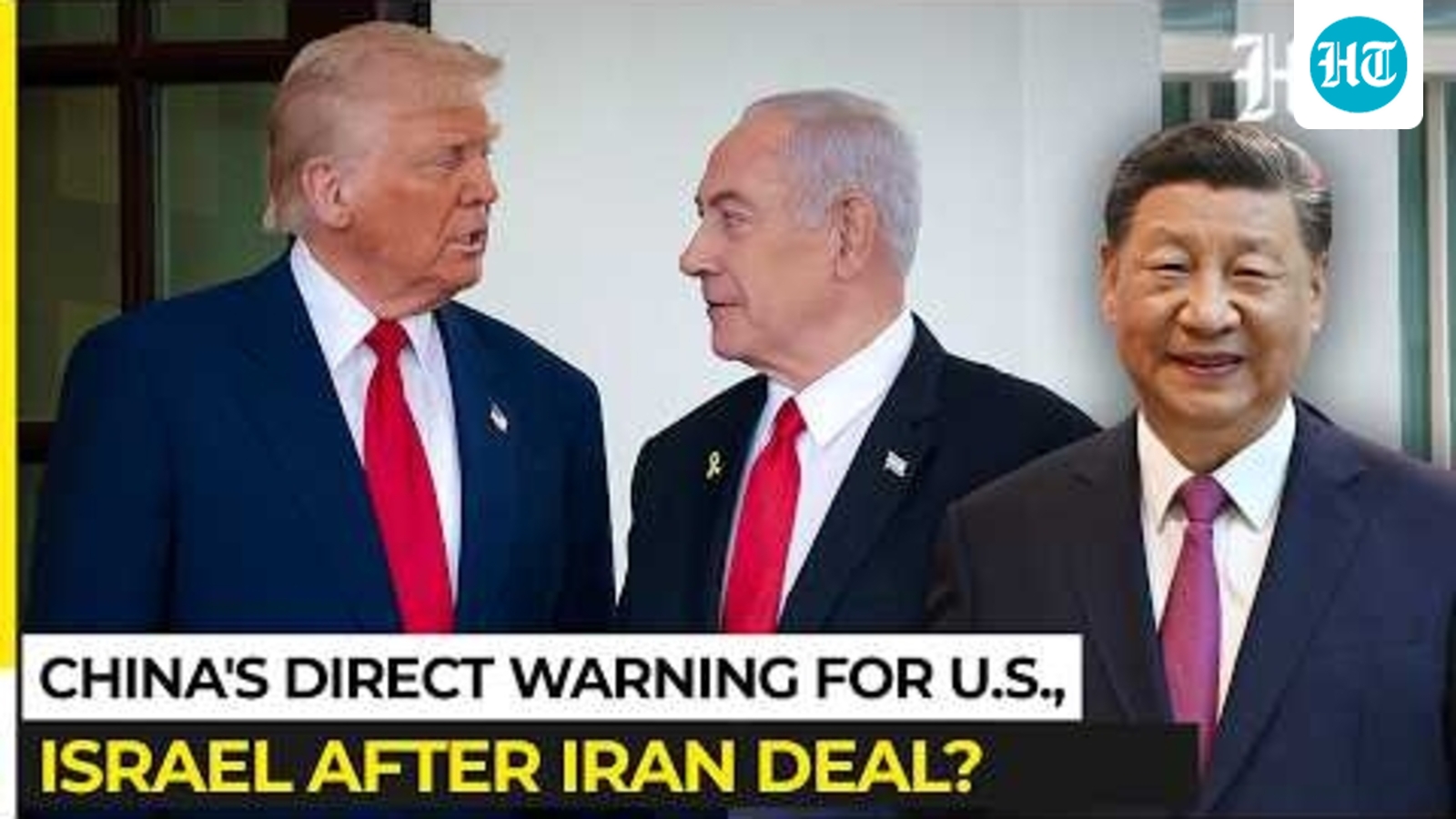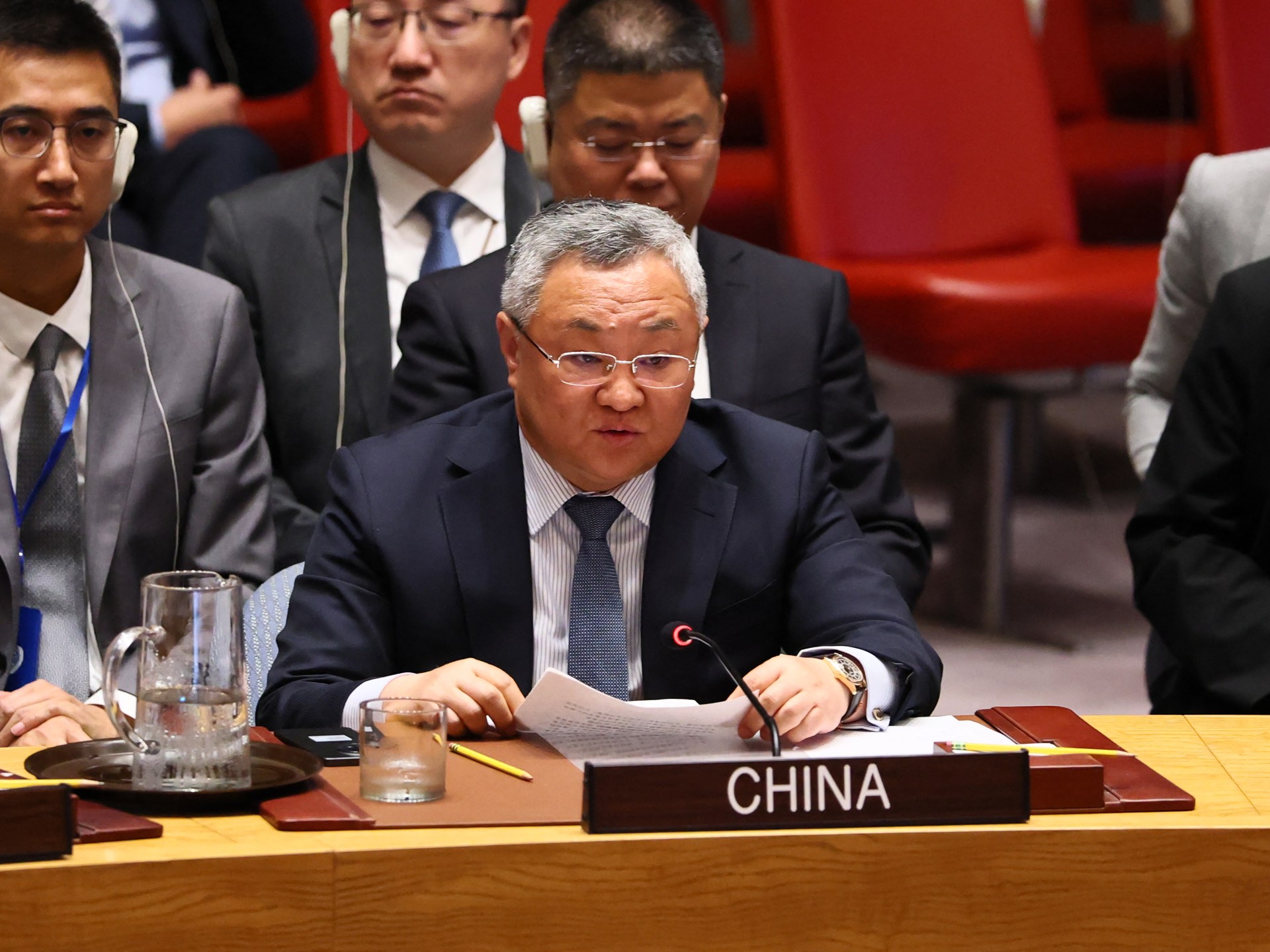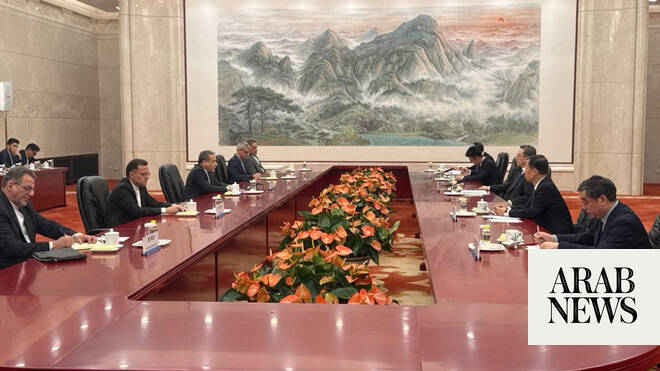
BEIJING: When Israel attacked Iran nearly two weeks ago, the Chinese government, a longtime friend of Iran, jumped into action — at least, when it came to words. It condemned the attacks. Its leader, Xi Jinping, got on the phone with the Russian leader and urged a ceasefire. Its foreign minister spoke with his counterpart in Iran.
But that’s where China stopped. The usual rhetoric was delivered. De-escalation and dialogue were trumpeted. Yet China offered no material support.
Despite Beijing’s clout as a near-peer rival to the United States and its ambition to play a bigger role on the world stage, Beijing refrained from offering military support to Iran, let alone getting directly involved in the conflict. The decision underscored the limitations it faces in the Middle East.
“Beijing lacks both the diplomatic capabilities and the risk appetite to quickly intervene in, and to think it can successfully navigate, this fast-moving and volatile situation,” said Jude Blanchette, director of the China Research Center at RAND.
Given the tangled politics of the Middle East, where China holds substantial economic and energy stakes yet wields minimal military influence, Beijing “isn’t inclined to stick its neck out,” Blanchette added. Instead, the Chinese government opts to remain “a measured, risk‑averse actor.”