Beijing may be reaping some diplomatic benefit but Trump’s war holds risks for its energy security and economy
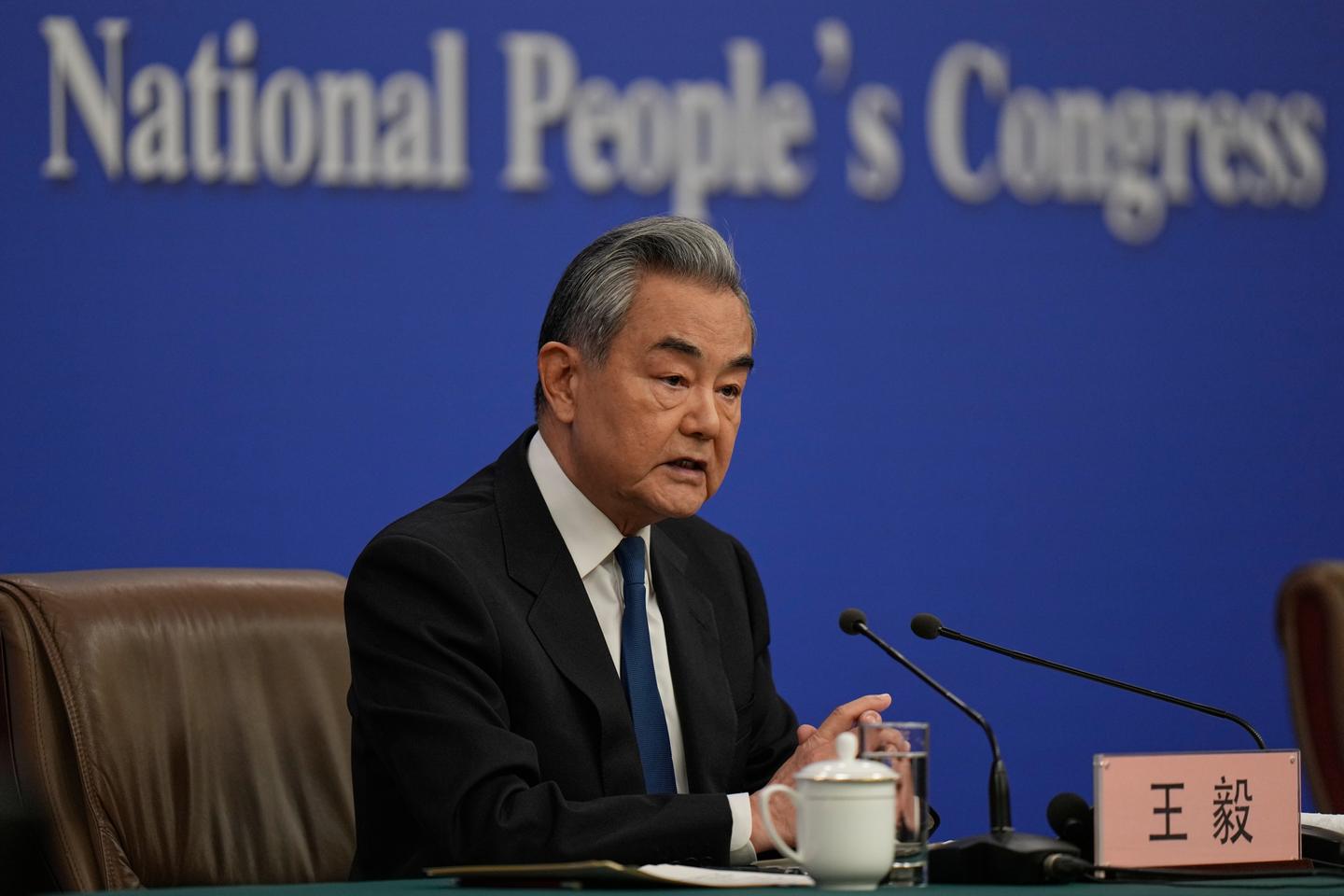
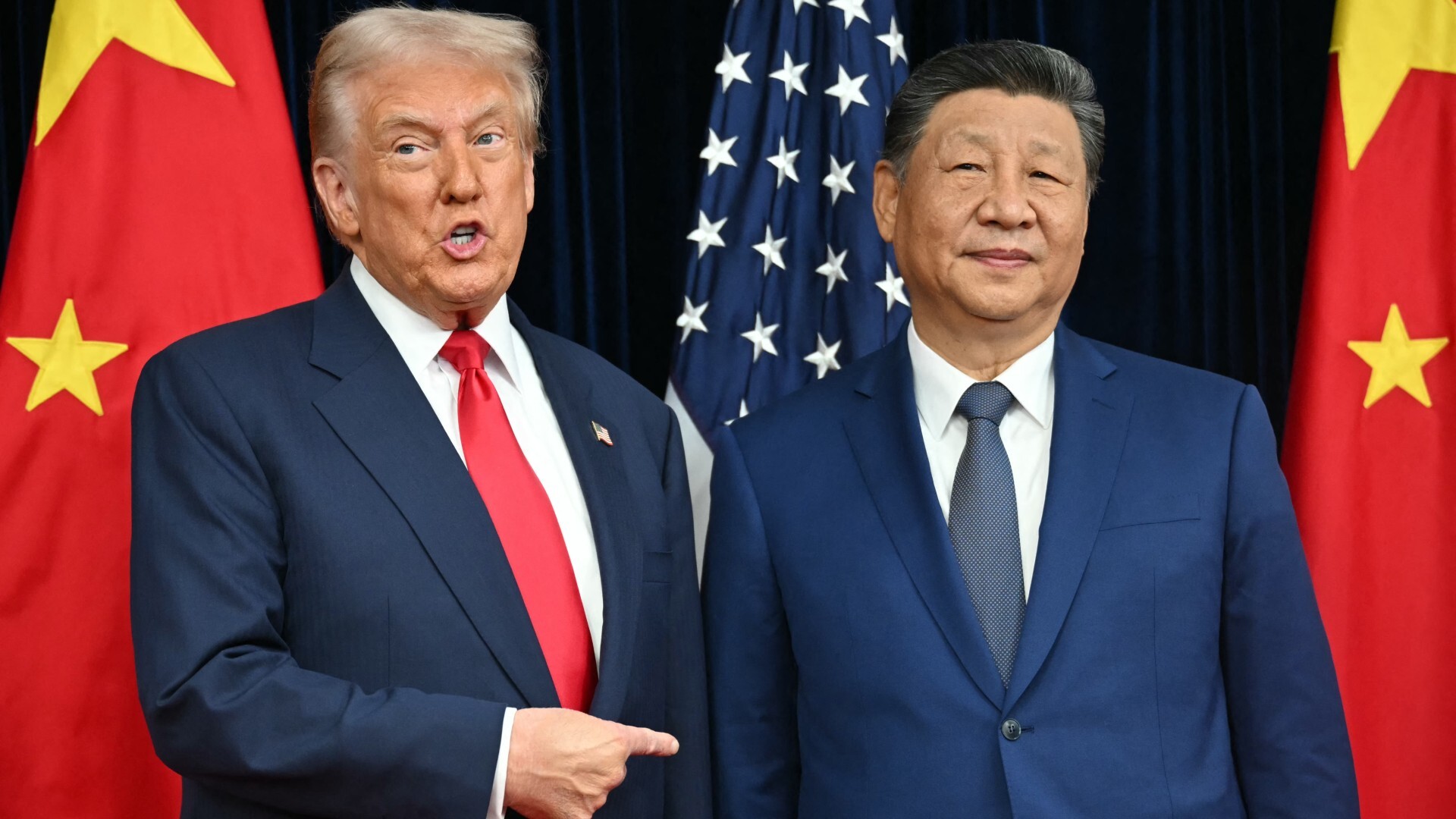
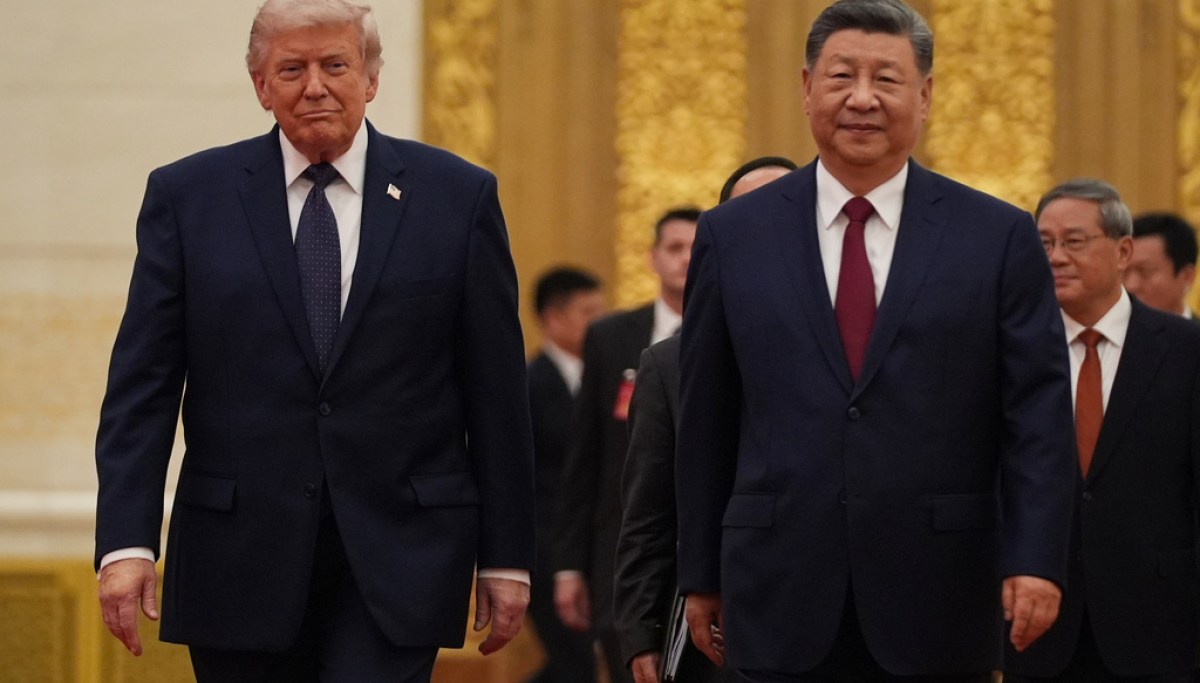
Two months ago, China’s foreign minister, Wang Yi, promised it would be a “big year” for China-US relations. He was right, but perhaps not in the way he expected.
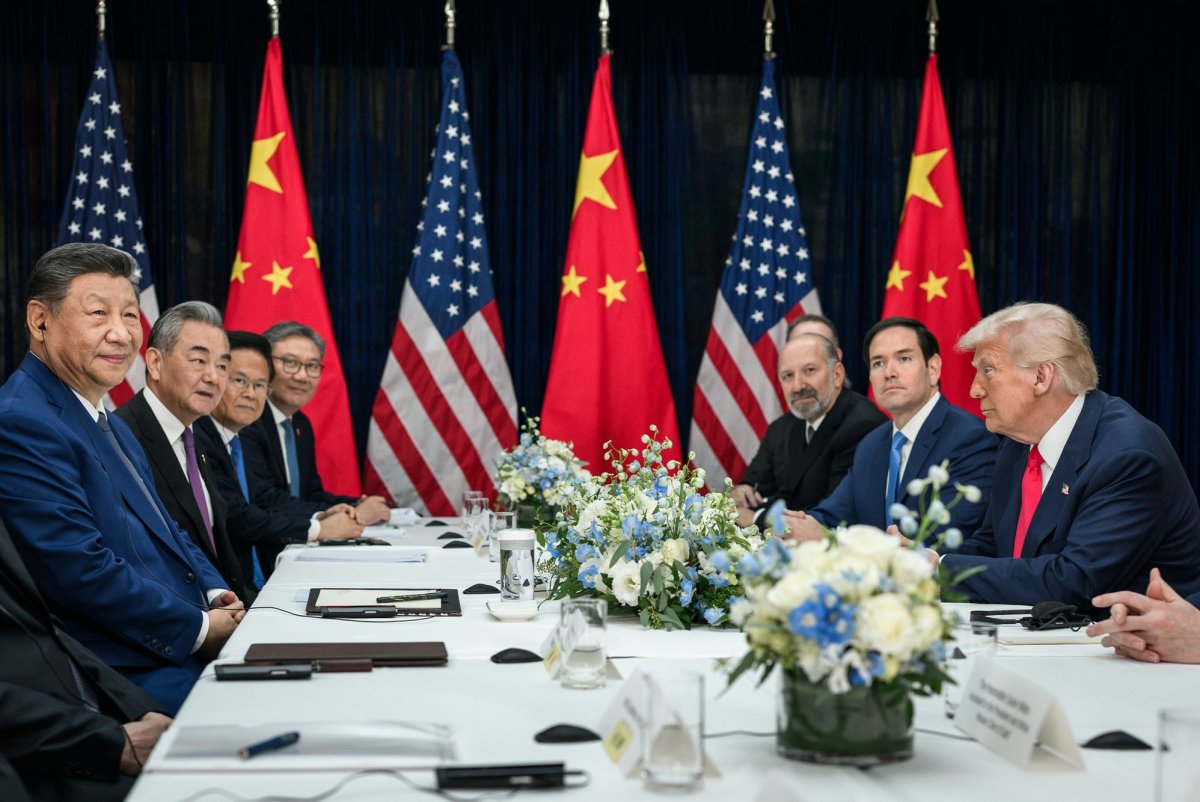
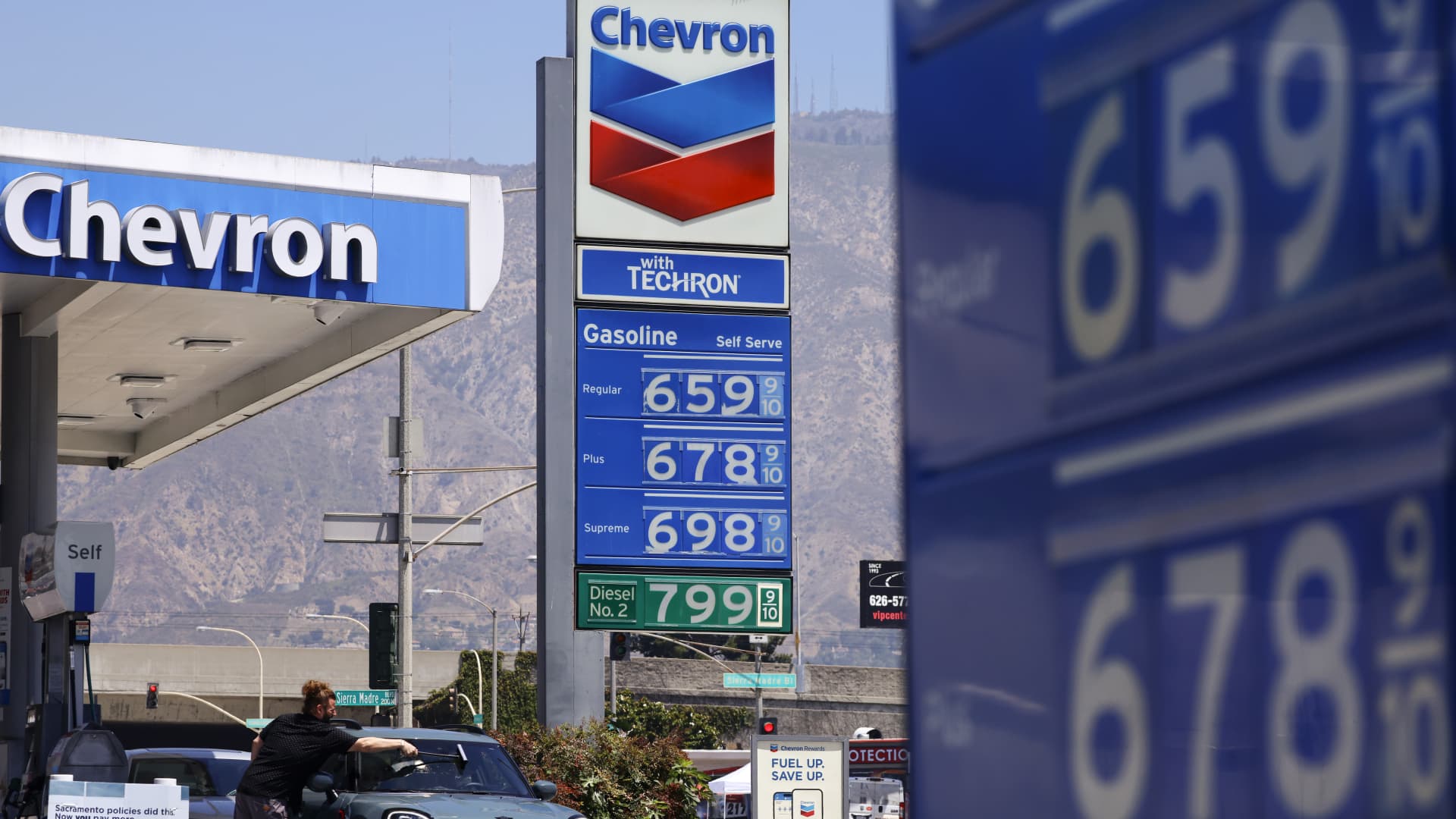
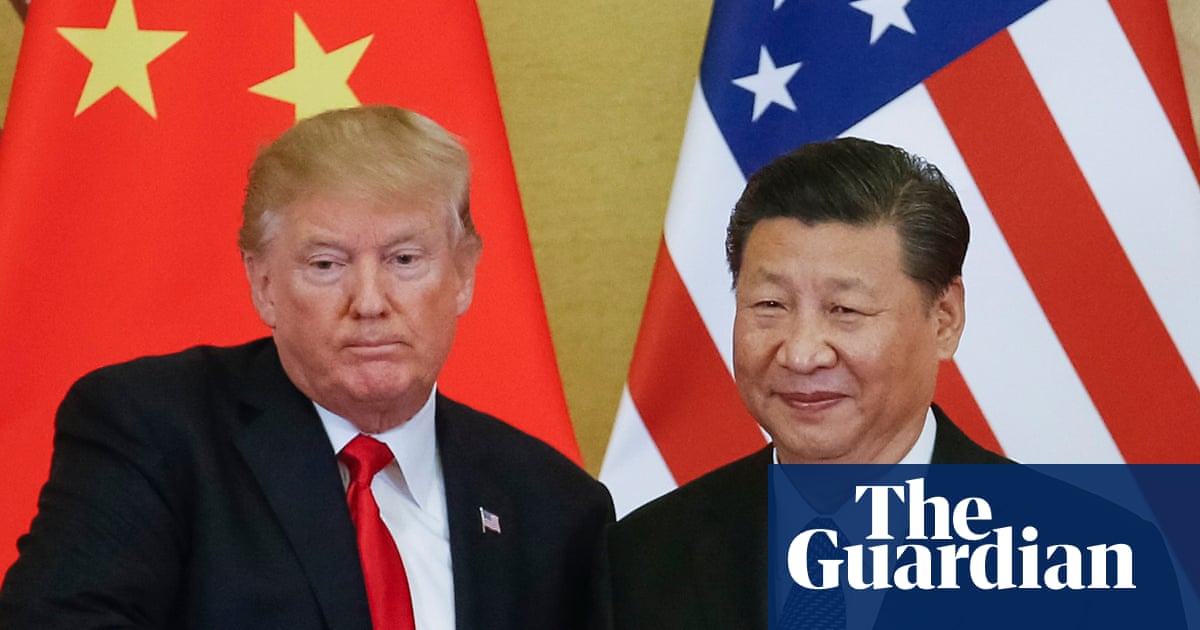
Wang was speaking before a planned visit by the US president to Beijing in March, which would have been Donald Trump’s first trip to China since 2017. But the trip, and a meeting with his Chinese counterpart, Xi Jinping, was kicked back by several weeks after Trump decided to launch strikes with Israel against Iran, starting a war in the Middle East that has caused a global energy crisis and roiled diplomatic relations across the board.
The storm unleashed by the conflict has disrupted the delicate relationship between the world’s two superpowers.
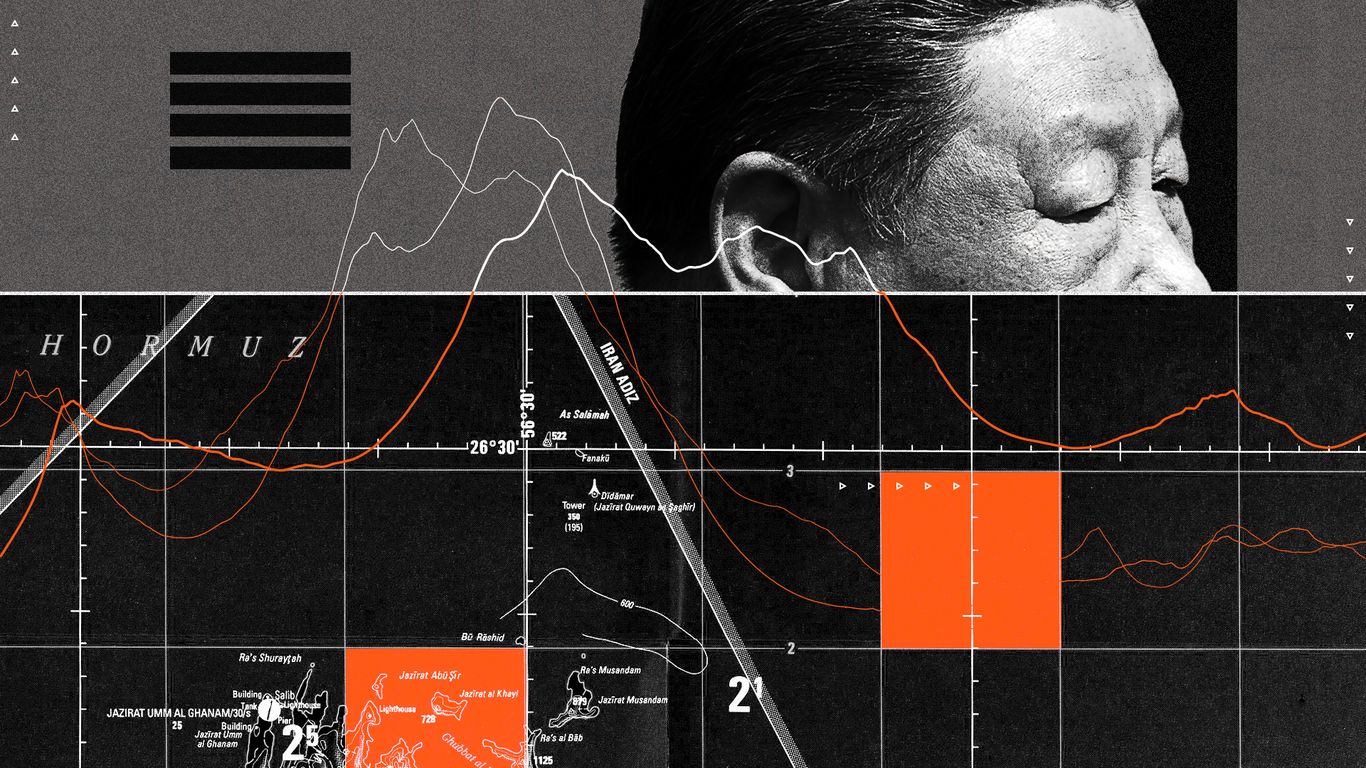
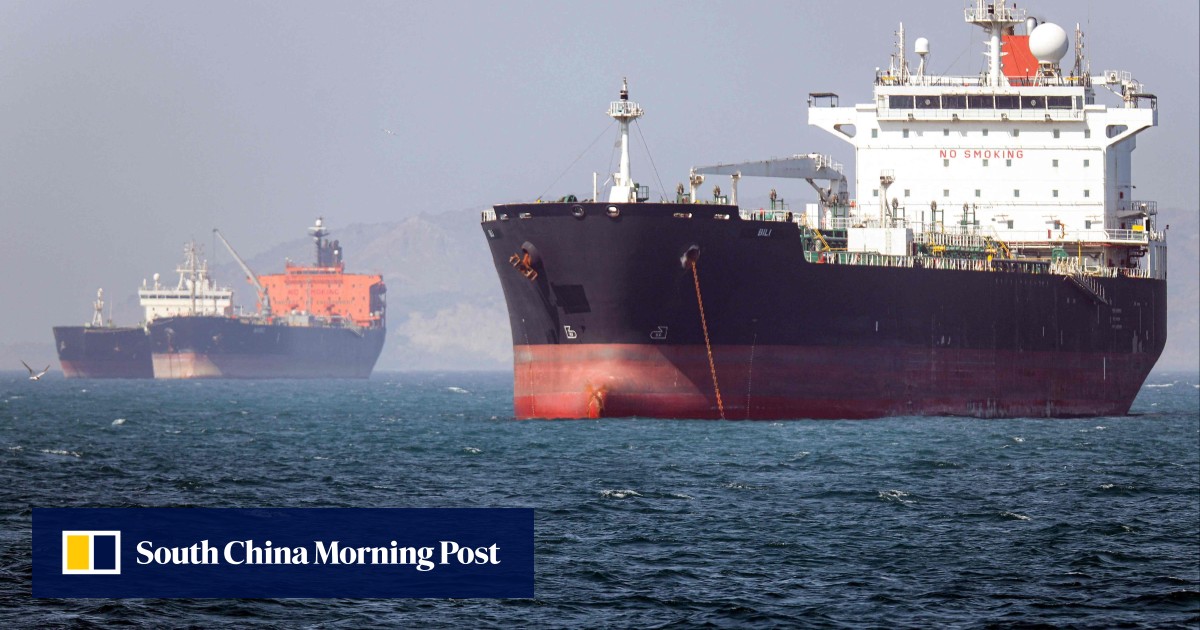
Wang said in March that the two sides should “treat each other with sincerity and good faith”. Now, China is accusing the US of “dangerous and irresponsible” behaviour regarding its blockade in the strait of Hormuz, and has vowed to retaliate against the threat of US tariffs. Meanwhile, the US treasury secretary, Scott Bessent, accused China on Tuesday of being an “unreliable global partner” for stockpiling oil.