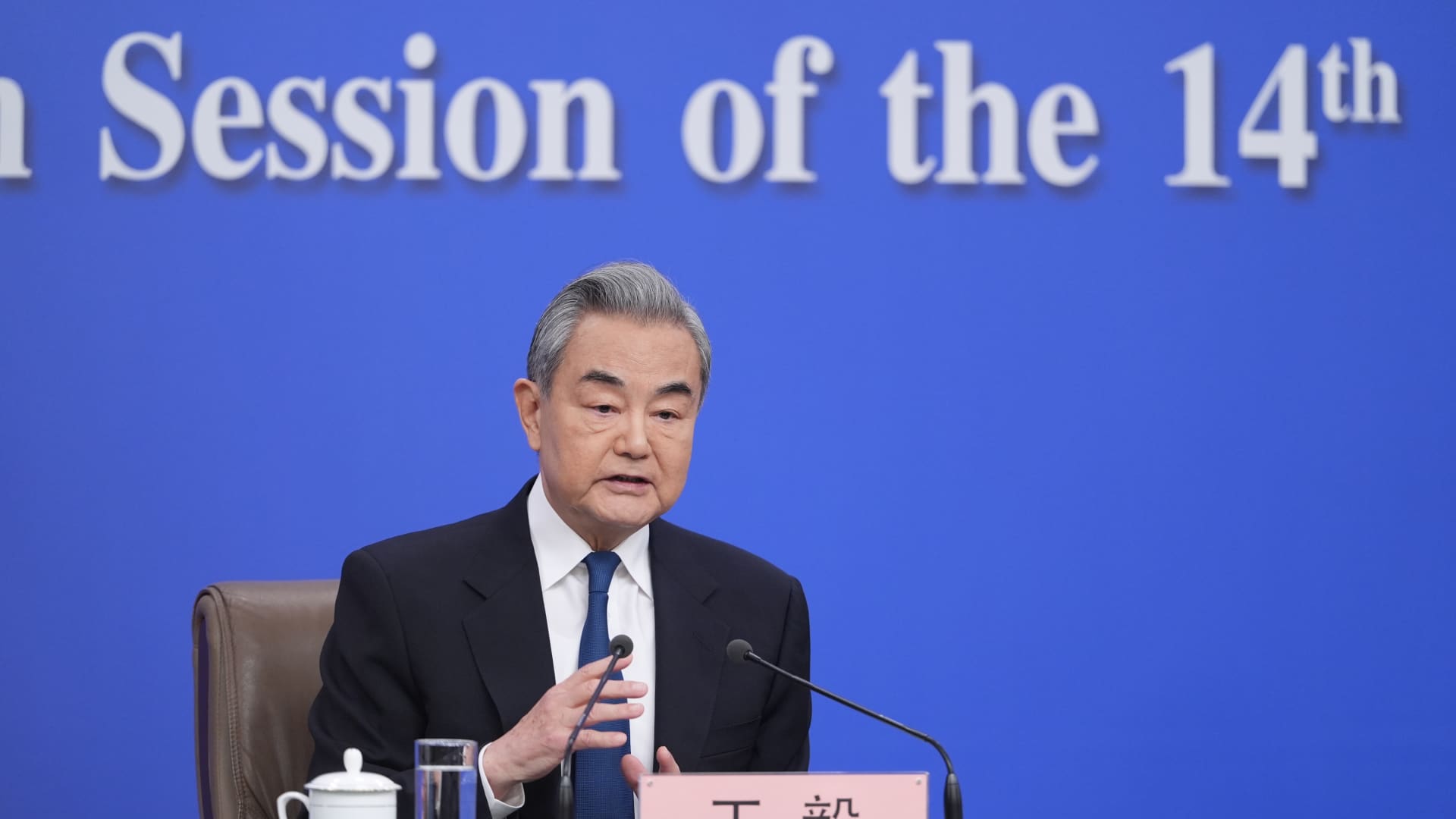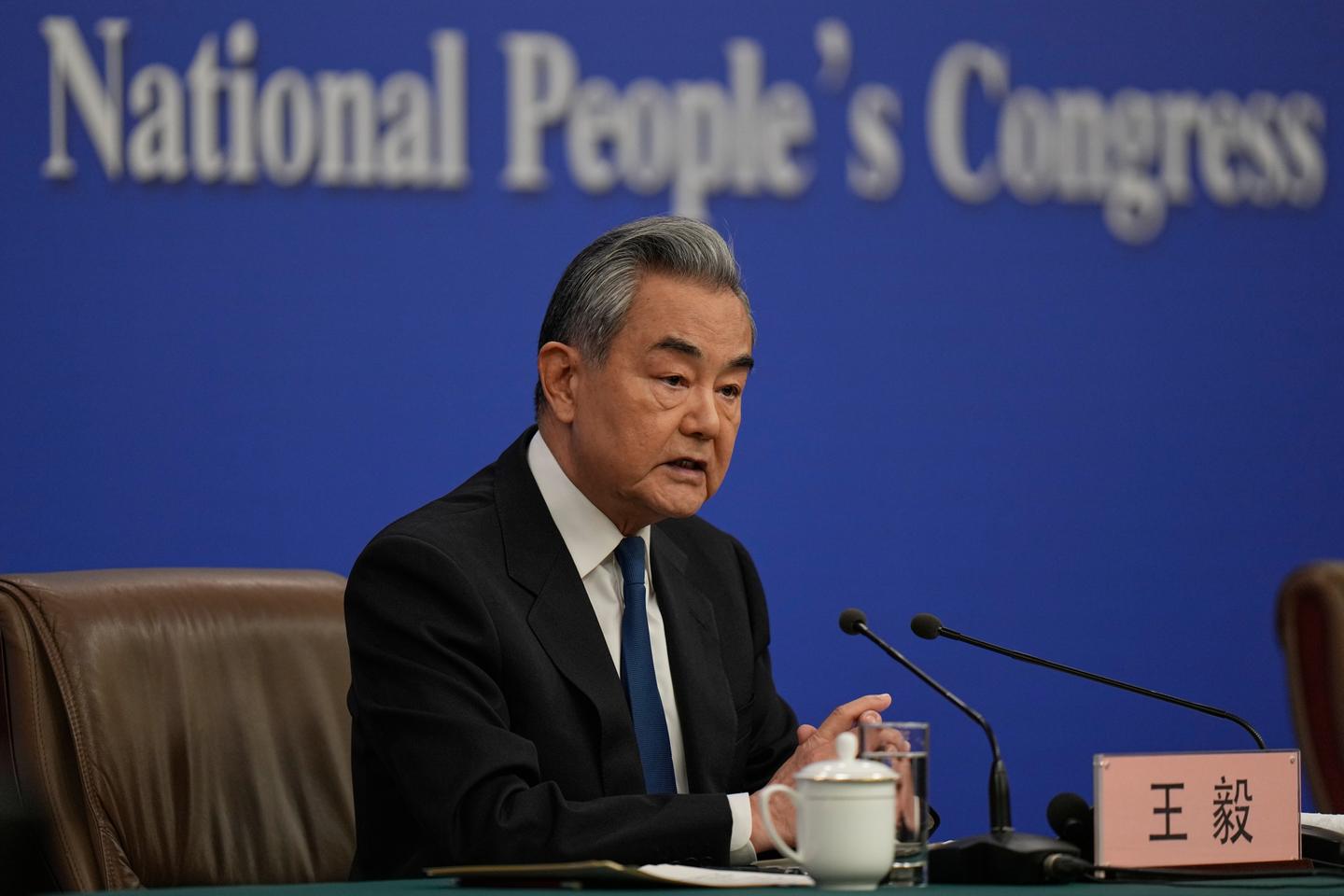
Wang Yi, China's foreign minister, in Beijing, March 8, 2026. ANDY WONG/AP
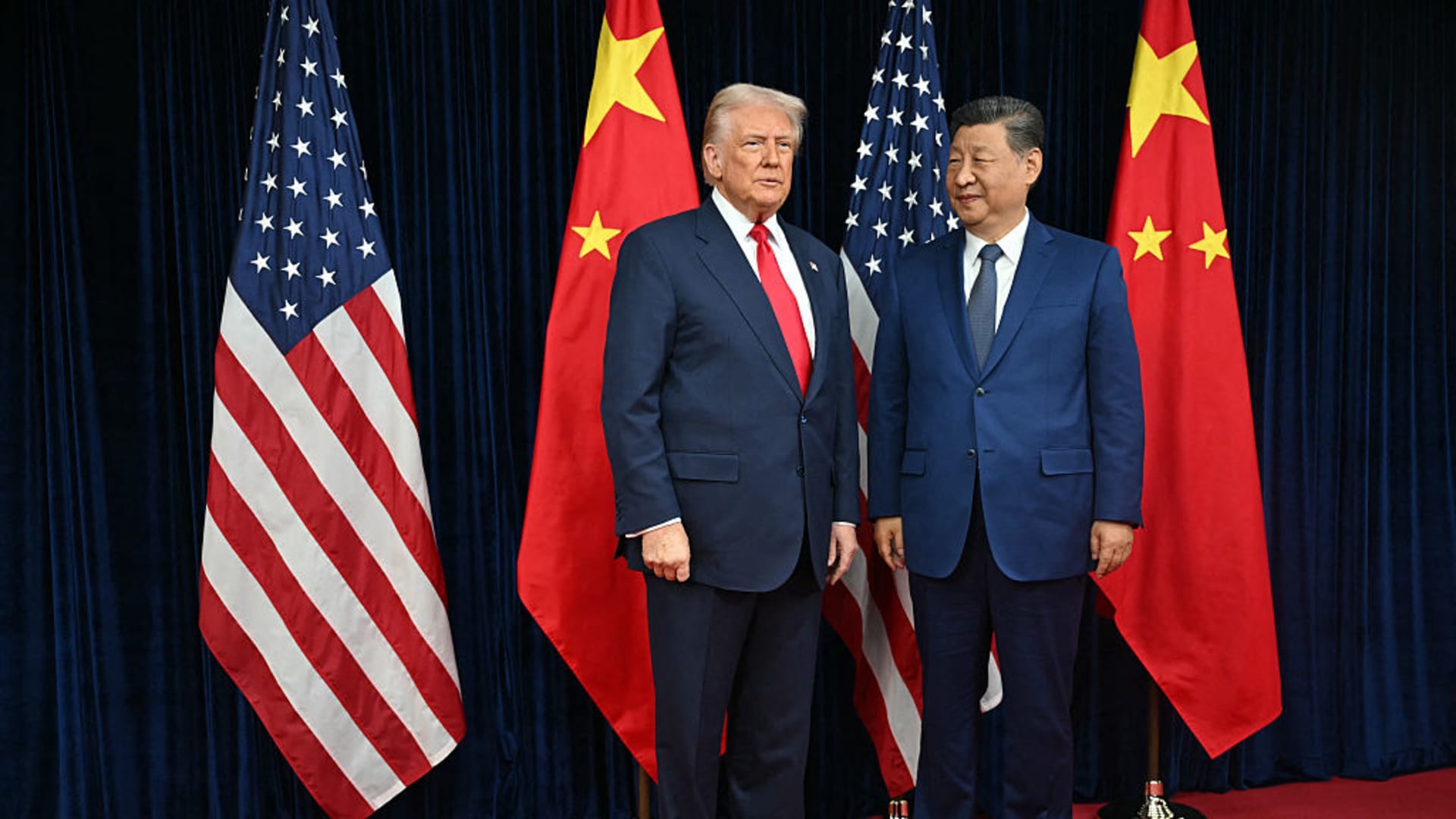
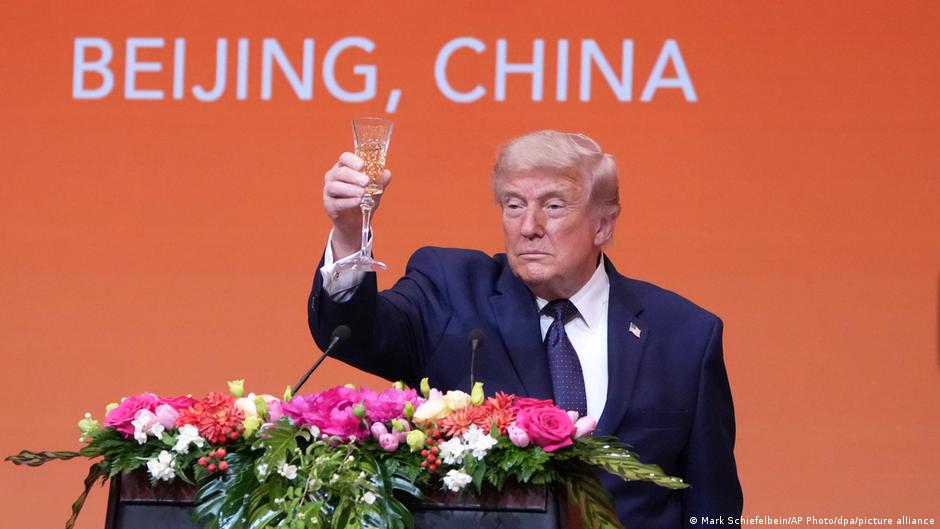
In just two months, Donald Trump has launched military operations against two of China's key partners and oil suppliers, Venezuela and then Iran. Beijing, which positions itself as a big brother for the Global South and for countries standing up to the United States, had already strongly condemned these actions but now, at the start of March, faces a dilemma. Should it cancel the US president's visit to the Chinese capital, which is currently being organized but has already been announced by the White House for March 31 to April 2, in order to express its anger and show that Trump has crossed the line?
All signs now indicate that China is prepared to go ahead with the visit. Foreign Minister Wang Yi made this clear on Sunday, March 8, during his annual press conference on the sidelines of the Communist Party's National People's Congress. "This year could be a landmark year for China-US relations. The agenda for high-level meetings is already on the table," said the head of Chinese diplomacy. "China remains committed and open."
The communication exercise was subtle: Beijing was not about to soften its harsh words condemning the war in Iran, but it was also necessary to give a clear indication in this final stretch if the two capitals want to keep to the schedule. The experienced Wang, who has served as minister since 2013 – with the exception of a seven-month period in 2023 when his replacement was appointed and then dismissed – conveyed the message in two stages.