A
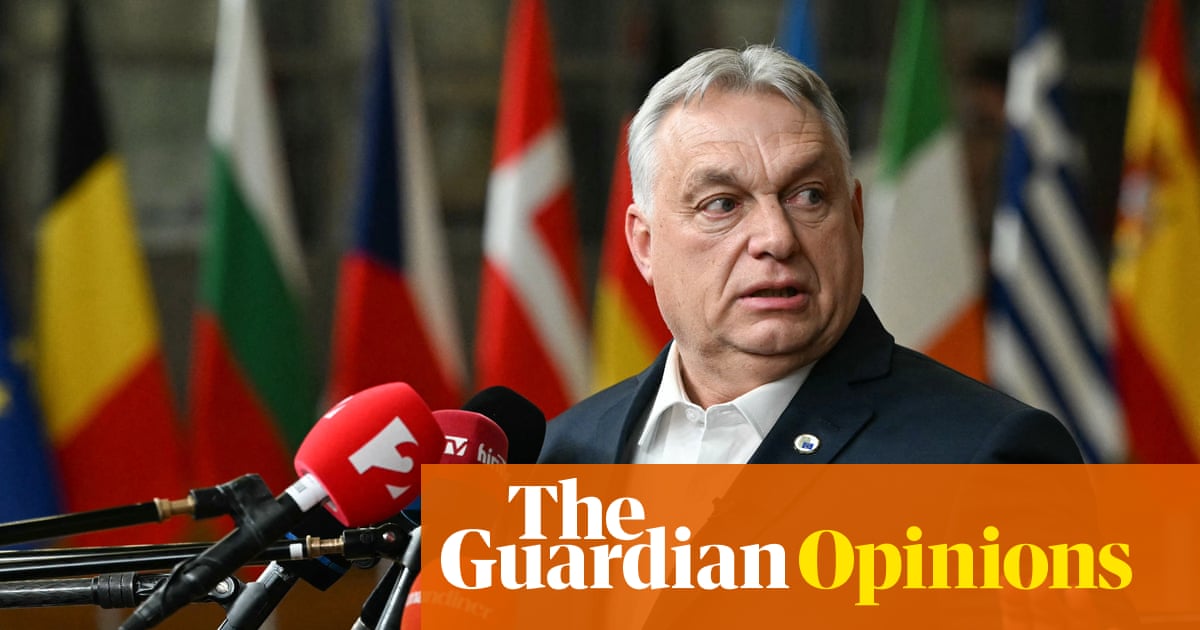
biting phrase has circulated for several months within European diplomatic circles, first uttered by Ukrainian Deputy Foreign Minister Andrii Sybiha to describe Hungarian Prime Minister Viktor Orban: "Russia's most valuable frozen asset in Europe."
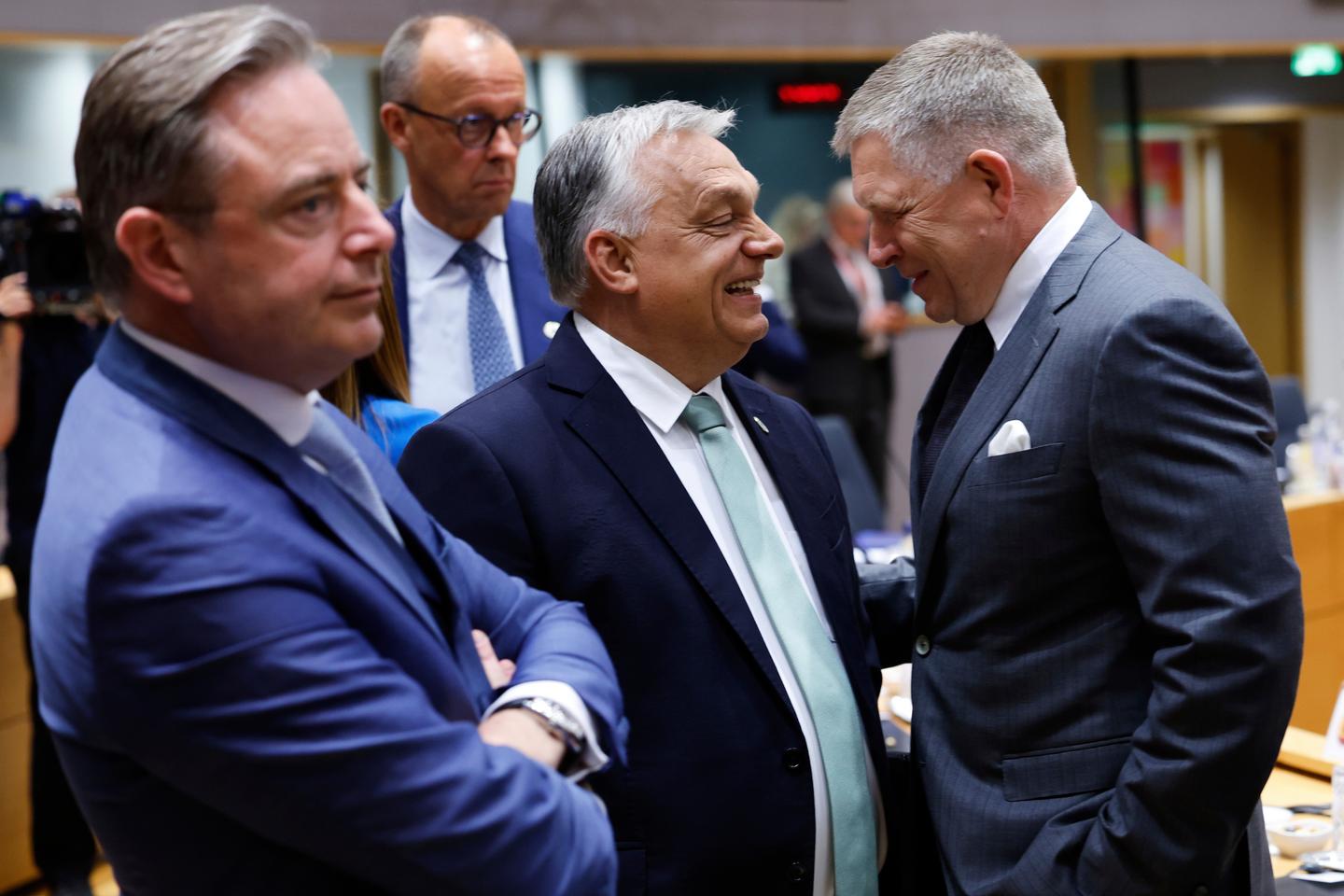
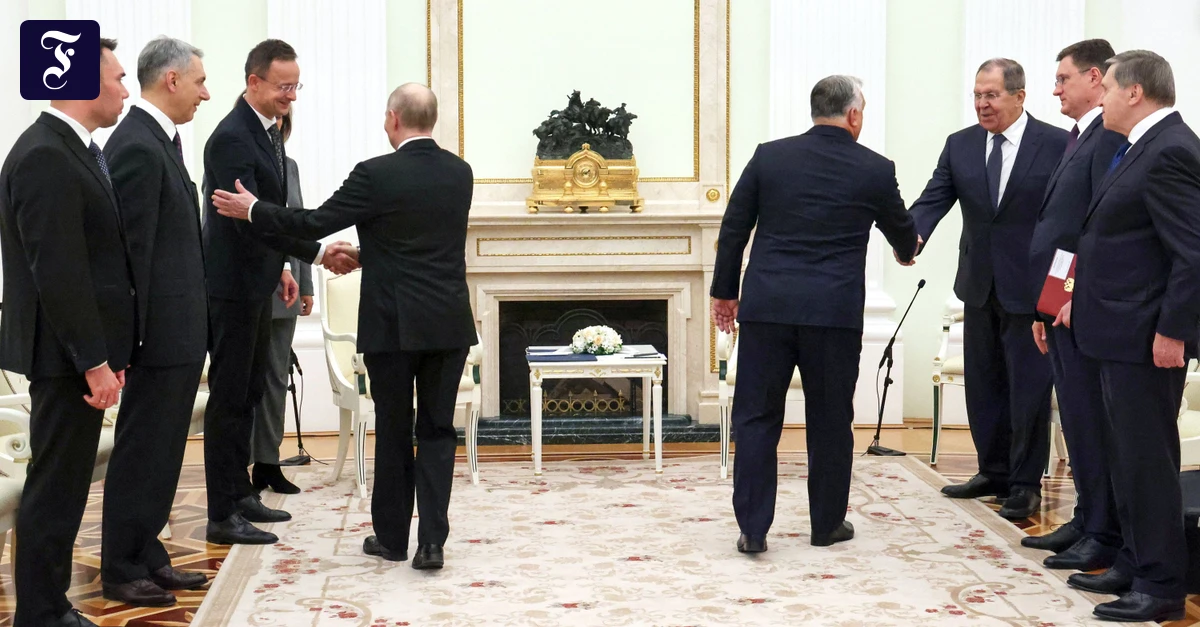
Since February 24, 2022, when Russia launched its full-scale invasion of Ukraine, Budapest has become the European Union's systematic obstacle in supporting Kyiv. In recent months, Hungary has wielded its veto against sanctions targeting Russia's shadow fleet, blocked an EU loan of €90 billion to Ukraine and launched direct attacks against Volodymyr Zelensky, especially regarding energy policy. And if Orban's regime was aiming to bolster its image as the Kremlin's Trojan horse in Europe, the Washington Post recently revealed that Hungarian Foreign Minister Péter Szijjarto regularly called his Russian counterpart, Sergey Lavrov, during confidential Council of the EU meetings to provide real-time updates.
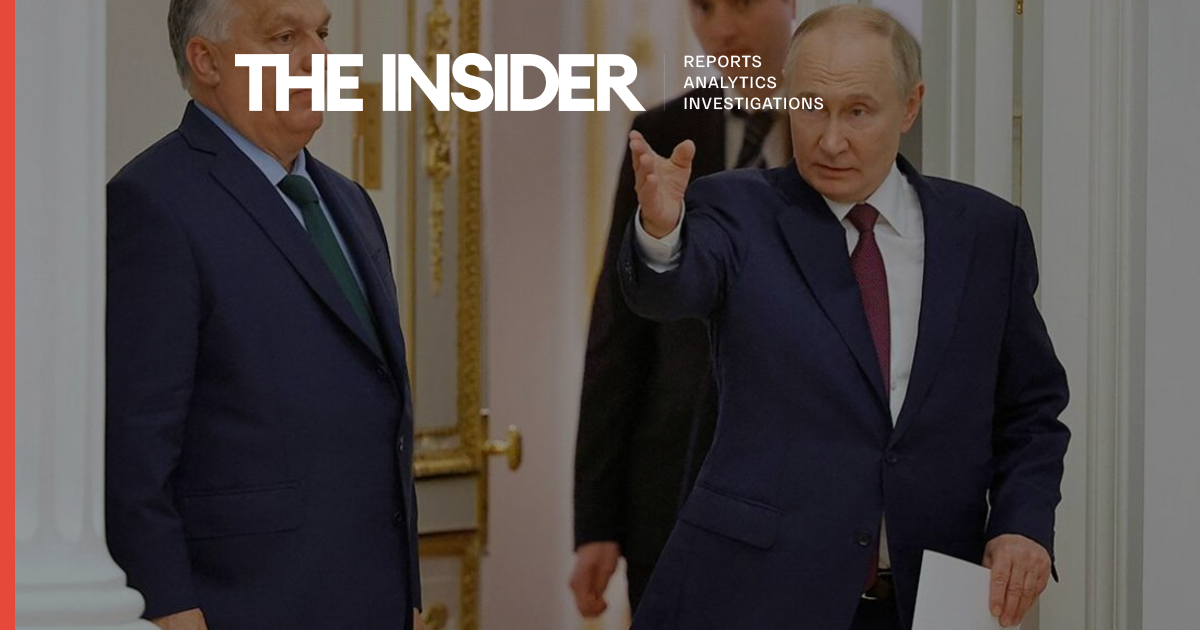
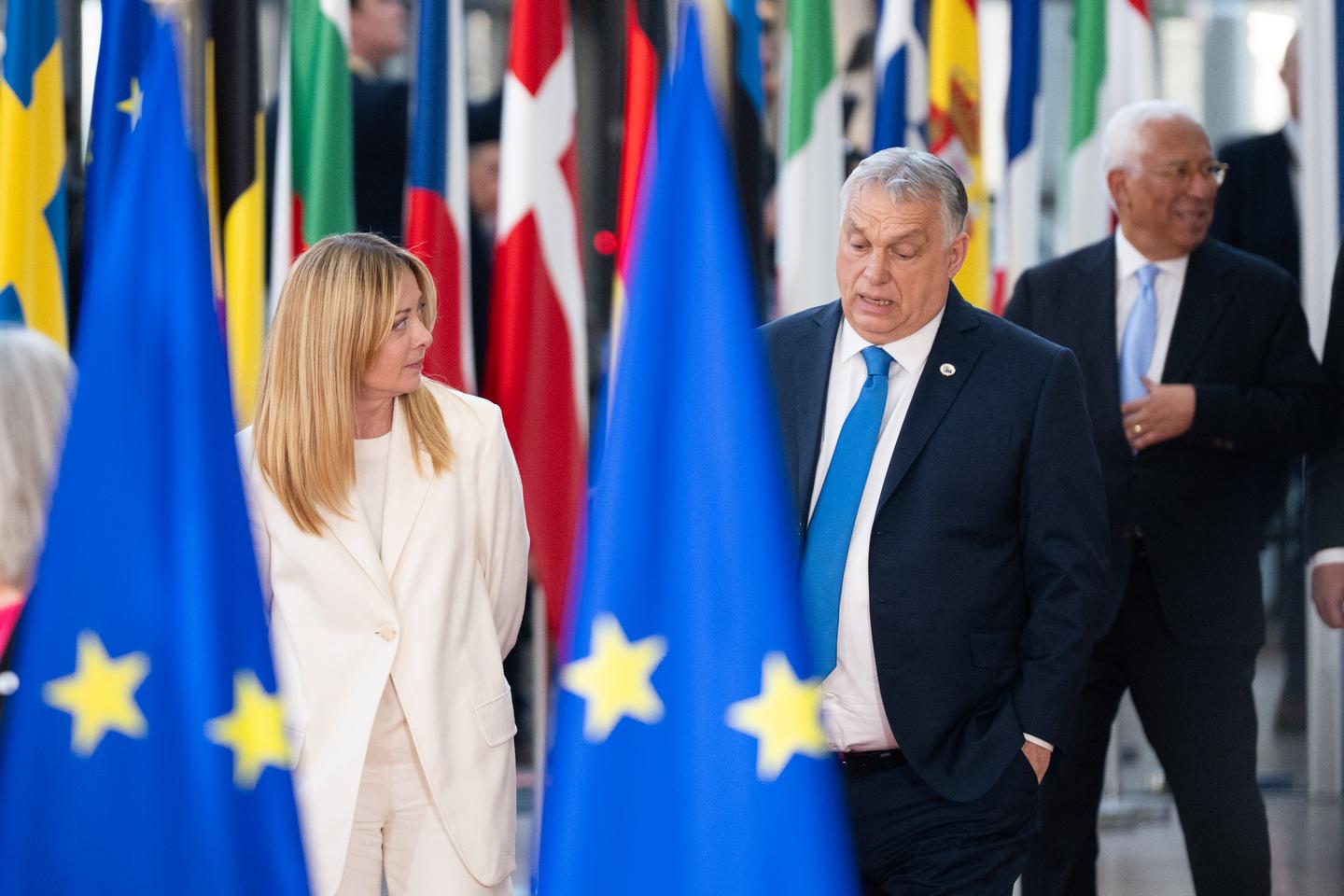
Fearing the loss of this valuable ally, the Kremlin has sought to directly influence the election. According to VSquare, an online media outlet specializing in Central Europe, three Russian military intelligence agents experienced in electoral manipulation in Moldova and Georgia were dispatched to Budapest. But Russia is not the only global power to have found a foothold in Hungary at the heart of the EU. Beijing has established an unrivaled industrial network in the country: Since 2022, over €10 billion in Chinese investment has flowed into the battery sector, including a mega-factory in Debrecen (Hungary's largest-ever foreign investment); the first European car factory for Chinese automaker BYD in Szeged; and a Budapest-Belgrade rail line funded by a $1.8 billion (€1.6 billion) Chinese loan. Orban's government has classified the terms of the rail deal as a state secret for 10 years, preventing any oversight of the largest rail investment in the nation's history.