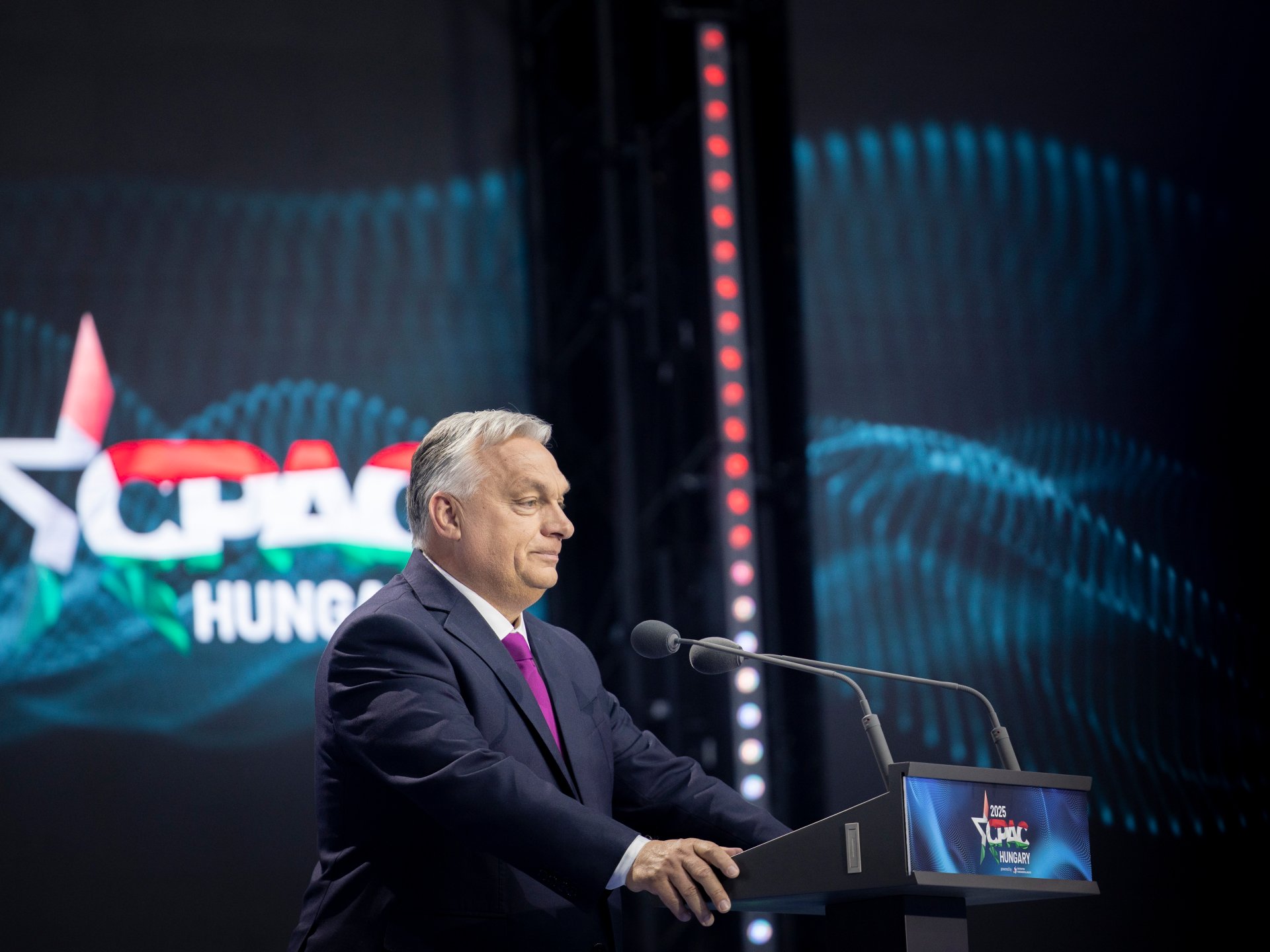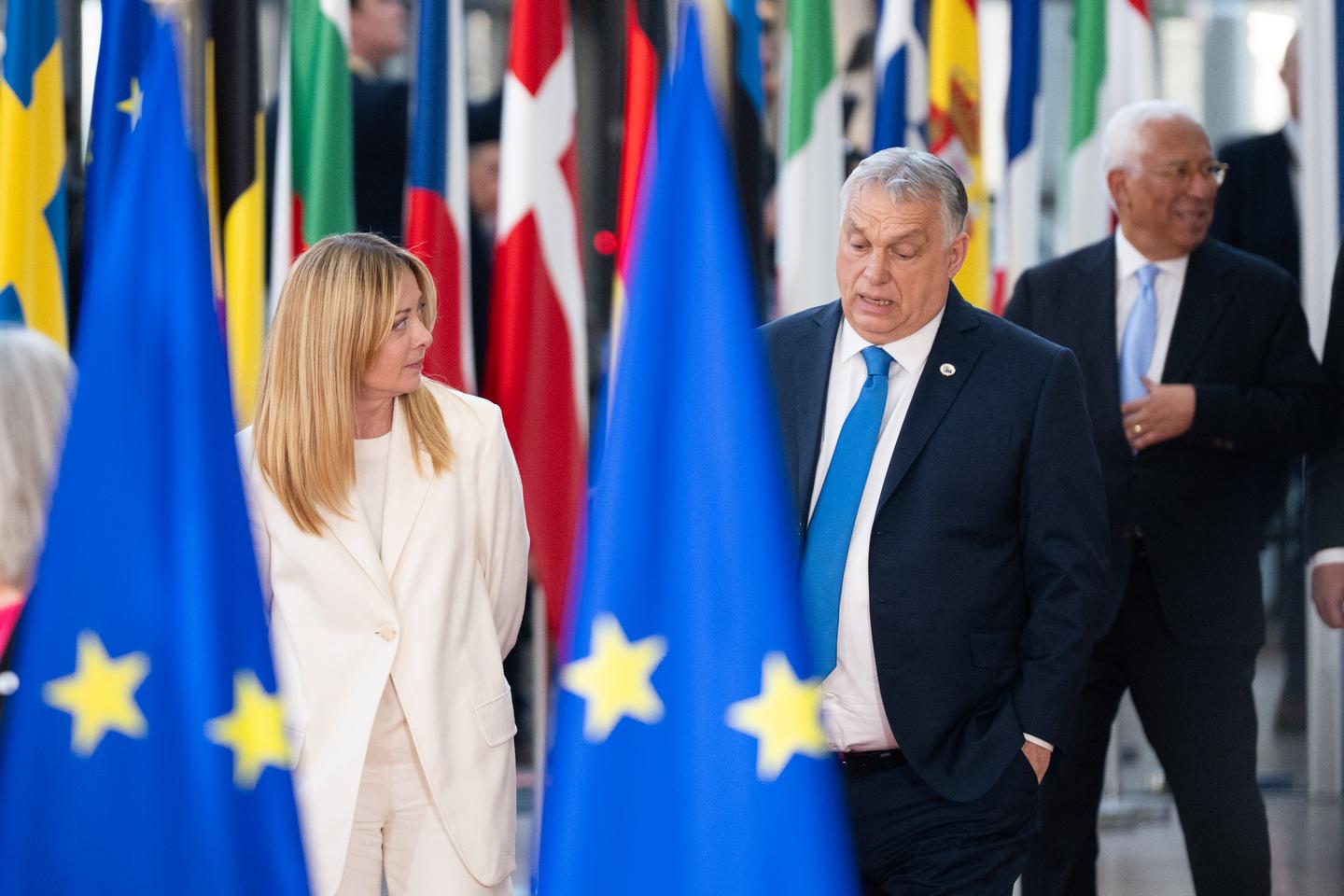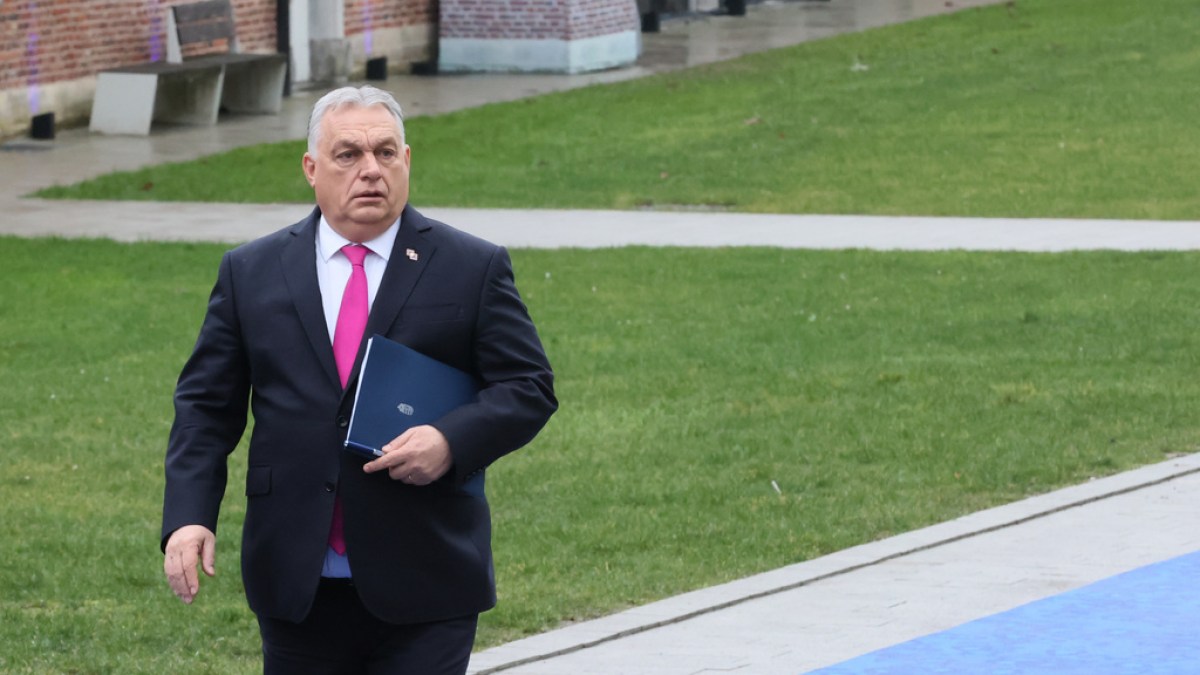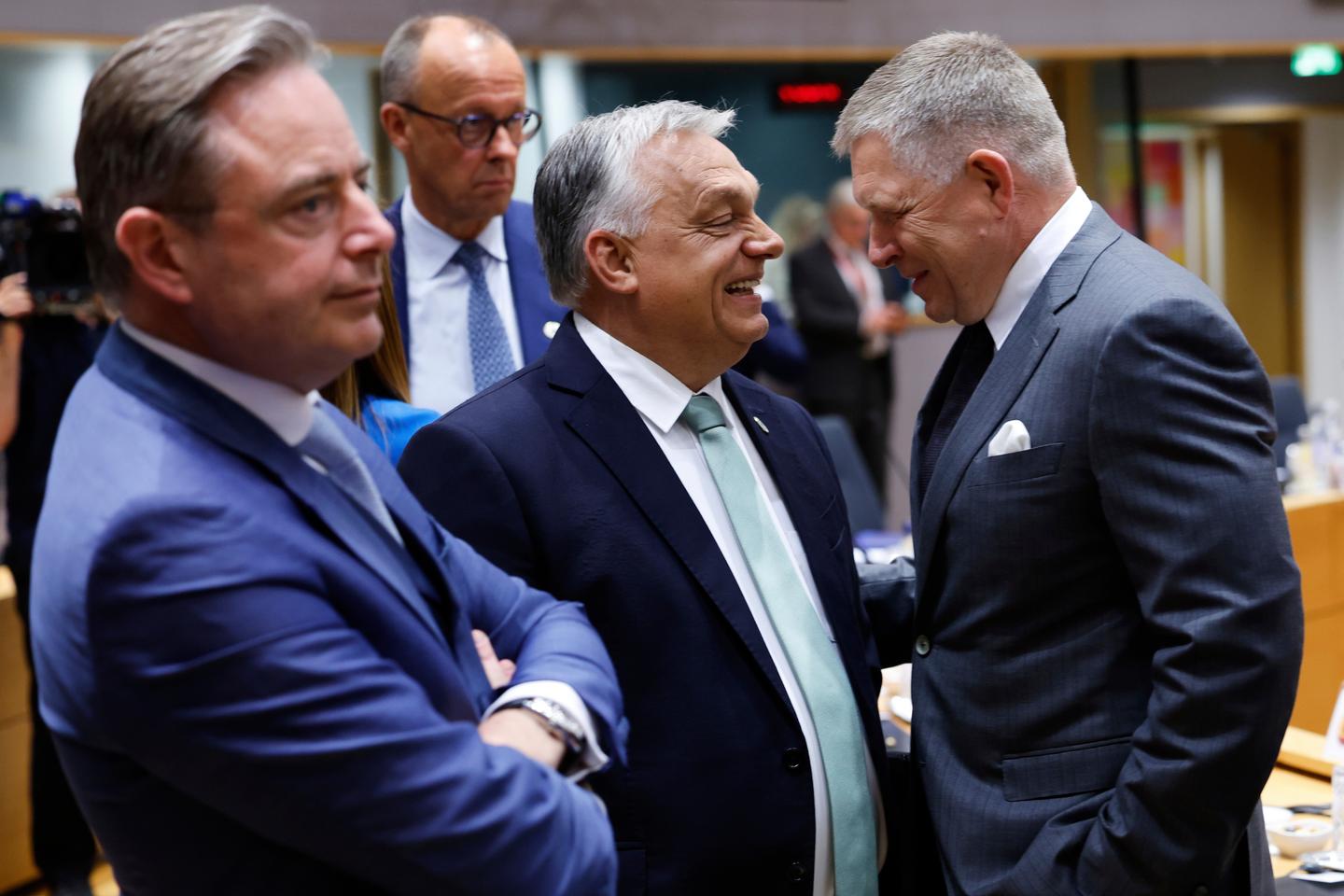
From left to right: Belgian Prime Minister Bart De Wever, German Chancellor Friedrich Merz, Hungarian Prime Minister Viktor Orban, and Slovak Prime Minister Robert Fico at a European Union summit in Brussels, June 26, 2025. GEERT VANDEN WIJNGAERT/AP
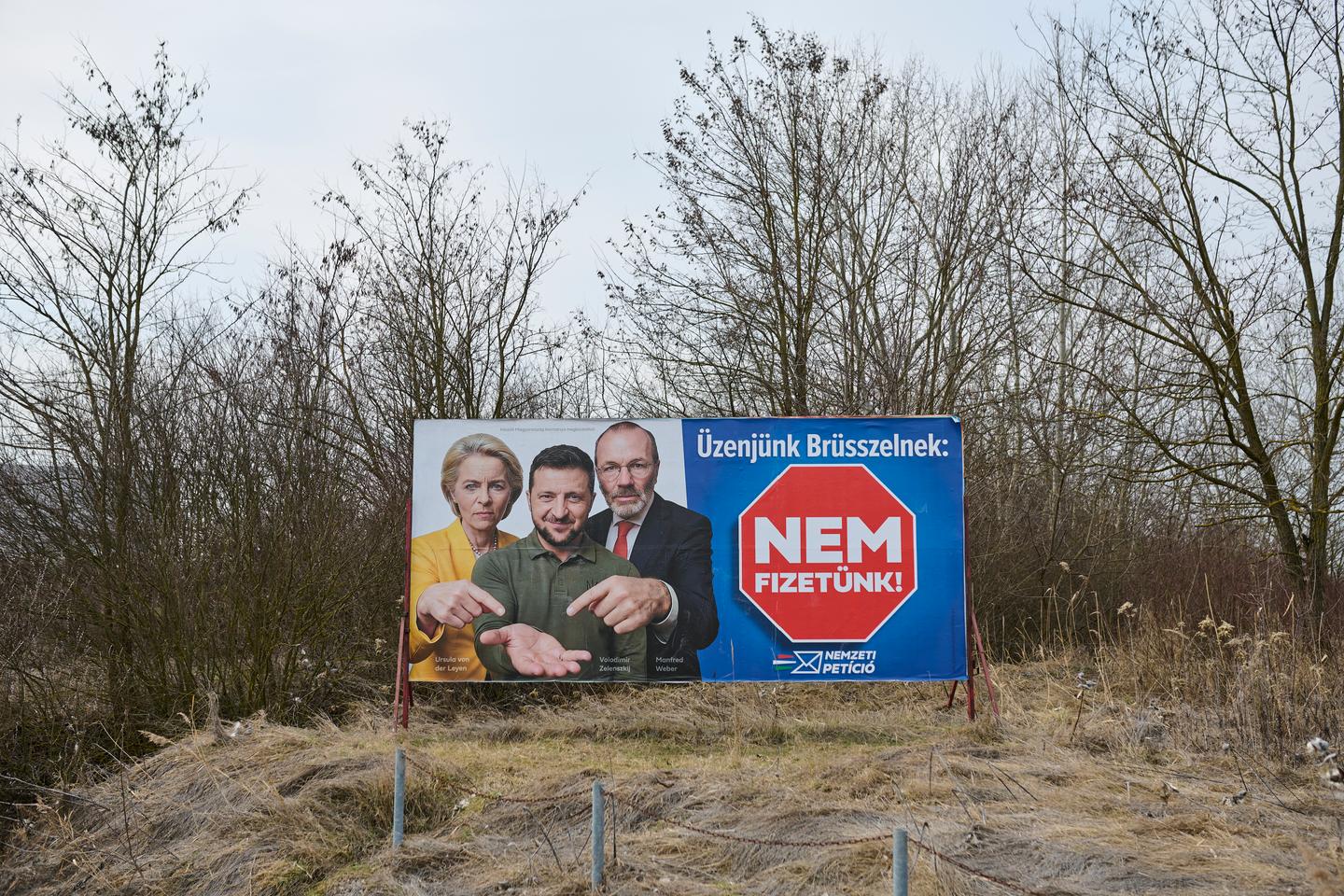
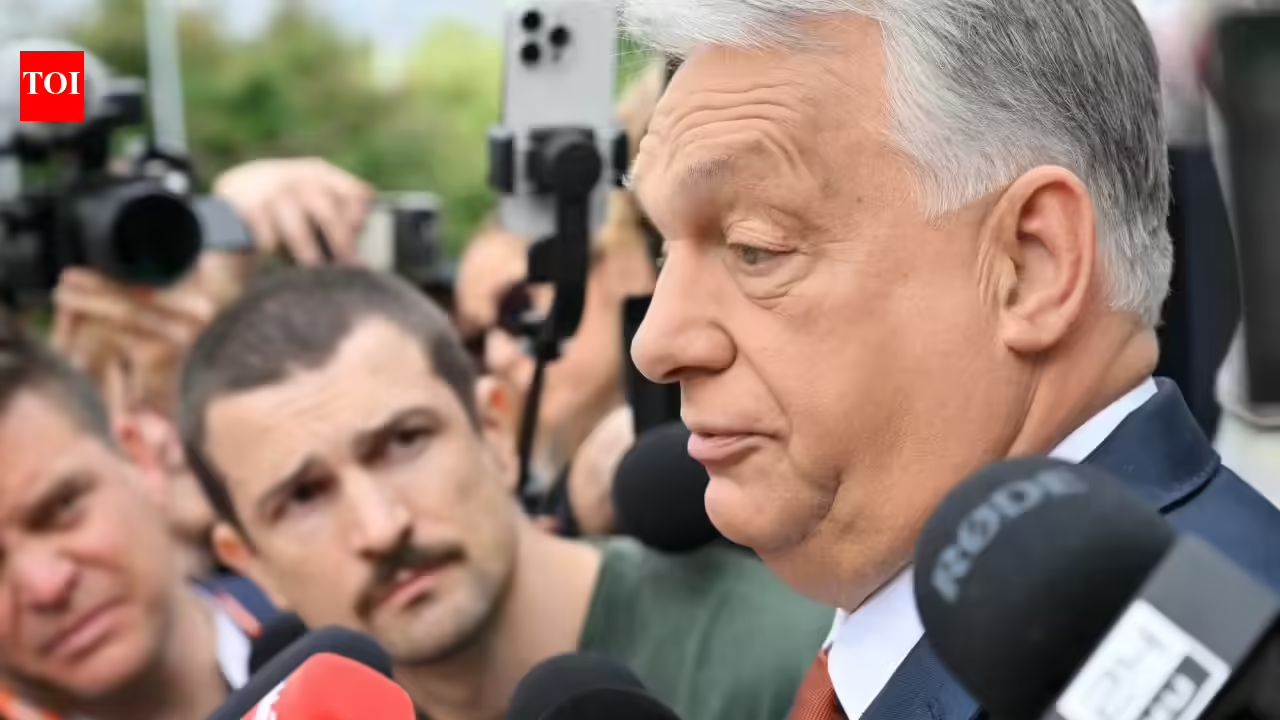
"Fasten your seatbelts," Viktor Orban warned Hungarians and Europeans on Monday, December 15. He announced his intention to once again disrupt the crucial European Council meeting convening on December 18 and 19 in Brussels, to decide on a new aid package for Ukraine. Increasingly isolated due to his pro-Russian stance, Orban sought to block the use of Russian assets that had been frozen on December 12, by an overwhelming vote of the other member states, who were already forced to use an unprecedented procedure to bypass his veto.
Since that vote, Orban accused the European Union (EU) of "installing a dictatorship" and warned that any plan to use these assets to fund Ukraine would be "a declaration of war." Known for escalating his rhetoric ahead of European Council meetings, will the nationalist head of government this time see through his threats of a veto? Or will he, as so often before, end up compromising, or even leaving the room at the crucial moment, as he did in December 2023 when he "went for a coffee" as his counterparts decided to open EU accession talks with Ukraine?