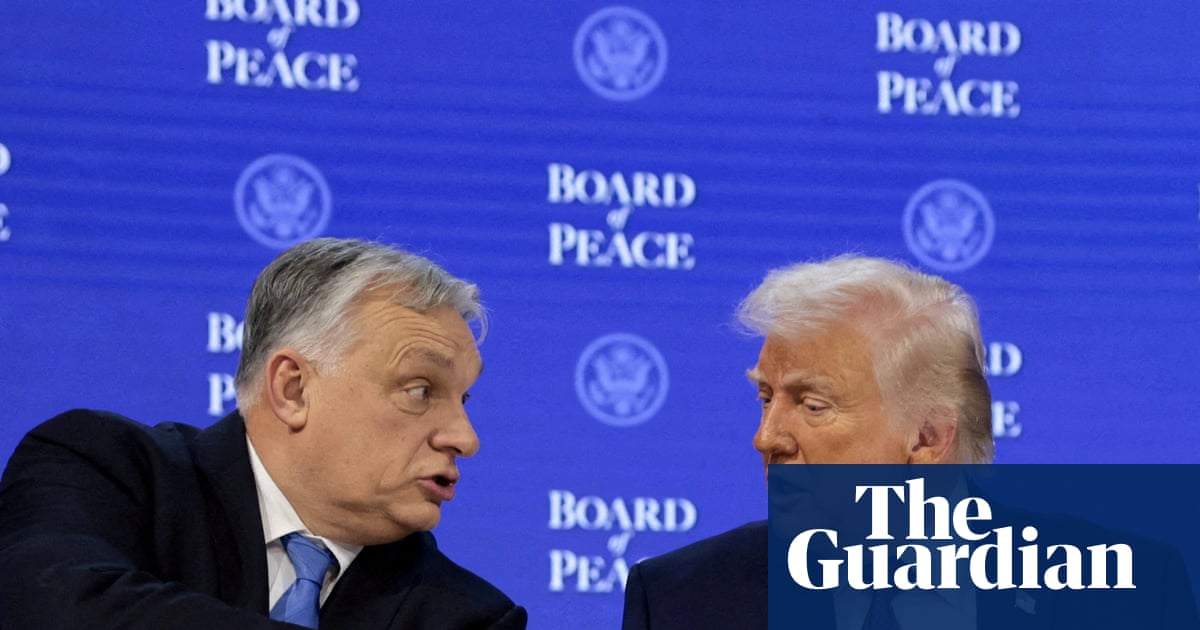
In Hungary, the Iran war is exposing tensions. On April 12, voters may decide that Orban’s geopolitical contortions are a liability
O
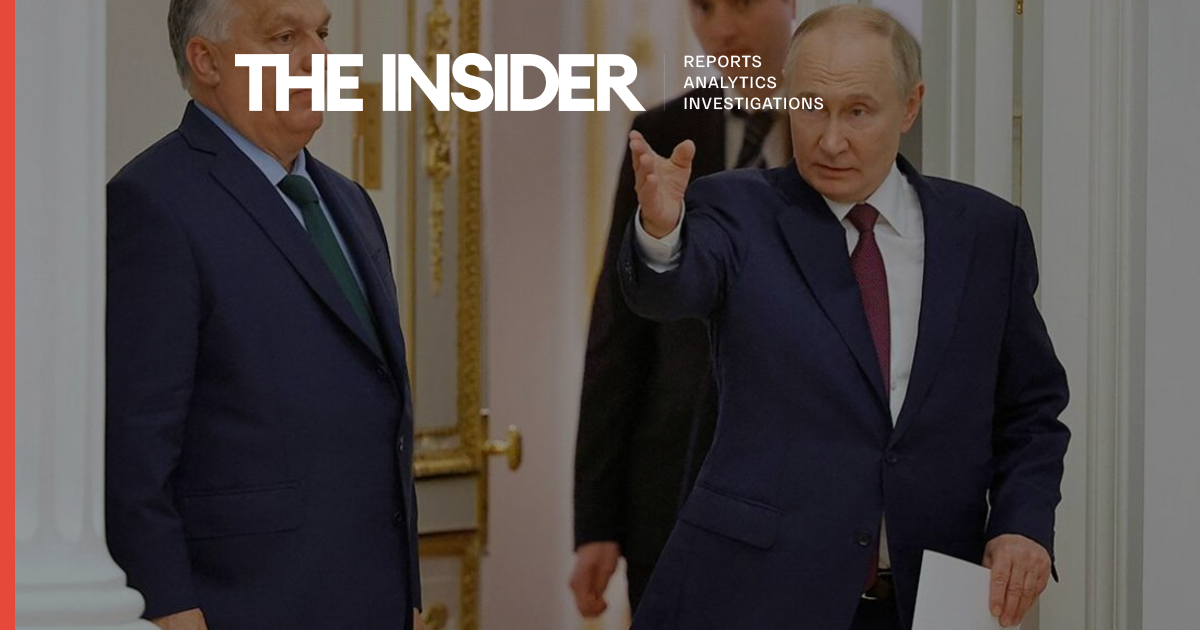
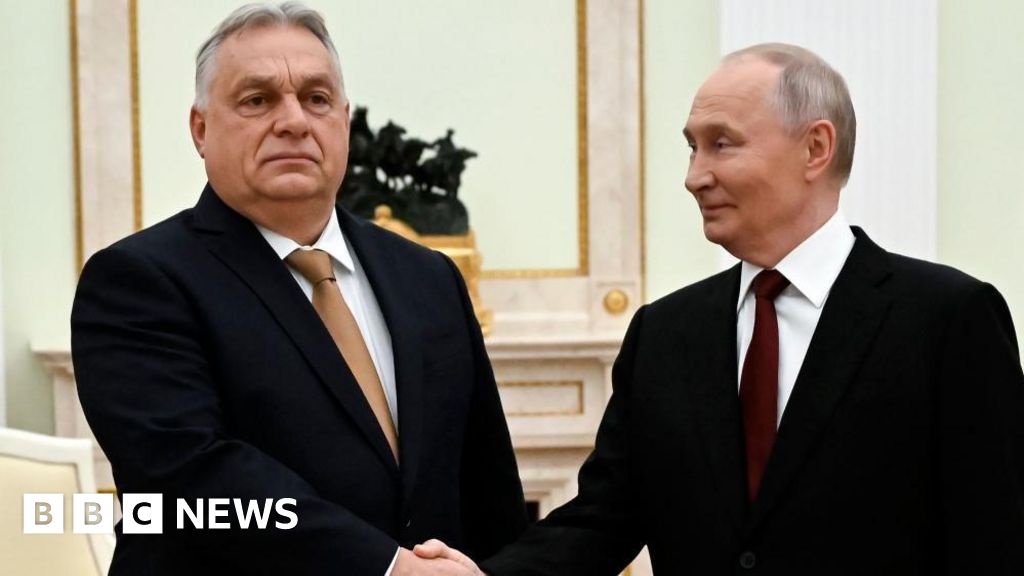
n 3 March, Viktor Orbán held a phone conversation with Vladimir Putin. According to official Hungarian reporting, the discussion focused on “energy issues” and other routine matters. What followed was anything but routine. Within days, the Hungarian foreign minister, Péter Szijjártó, had flown to Moscow, and returned with two freed prisoners of war, dual citizens of Ukraine and Hungary.
Hungary is not part of the military conflict in Ukraine, but the message was unmistakable. With his PoW diplomacy, Putin was not only signalling goodwill towards Hungary, he was effectively endorsing Orbán’s re-election on 12 April.
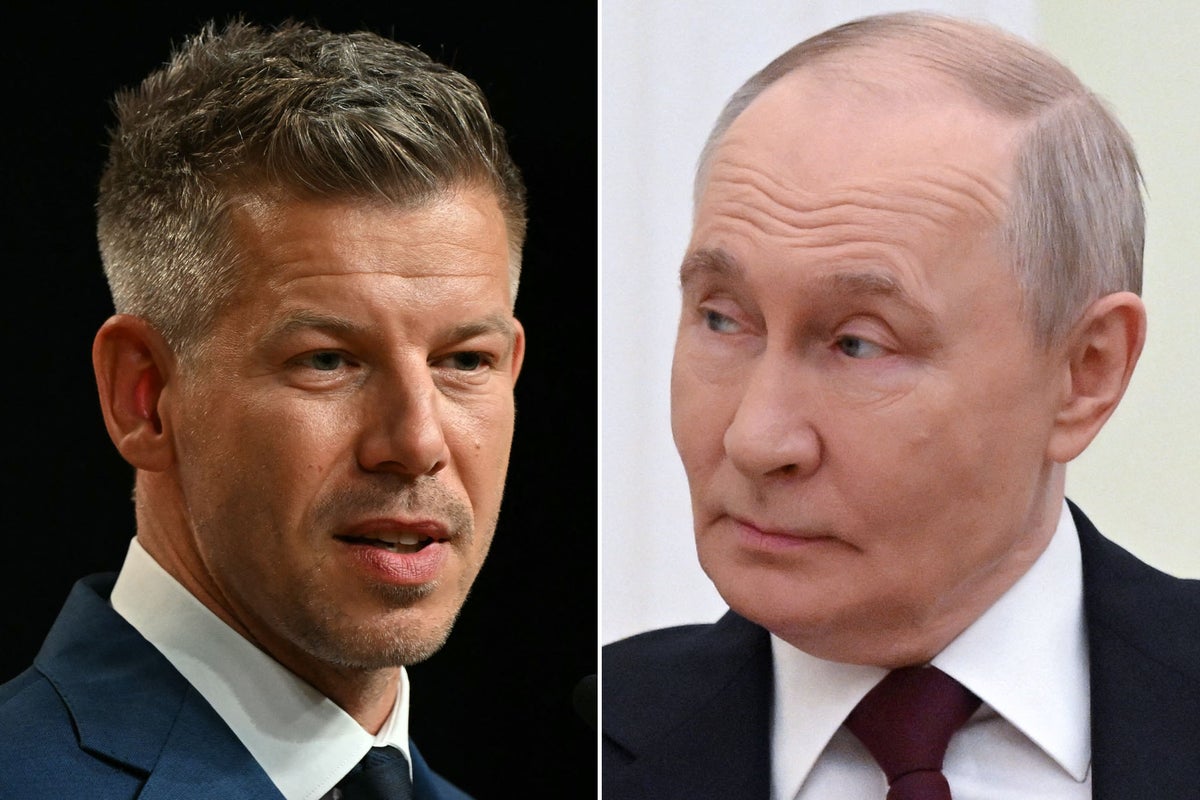
From reports of Russian operatives assisting Orbán’s campaign to promises of cheap energy and a disinformation operation to portray the Hungarian opposition as run by Ukraine, a coordinated effort by the Kremlin to influence the outcome is widely suspected. An official communique from the Russian foreign intelligence service last August made little secret of its preference, citing an alleged Brussels plot to bring opposition challenger Péter Magyar to power. In recent days there have been allegations – denied by Szijjártó – that the foreign minister briefed the Kremlin on the proceedings of confidential EU meetings.