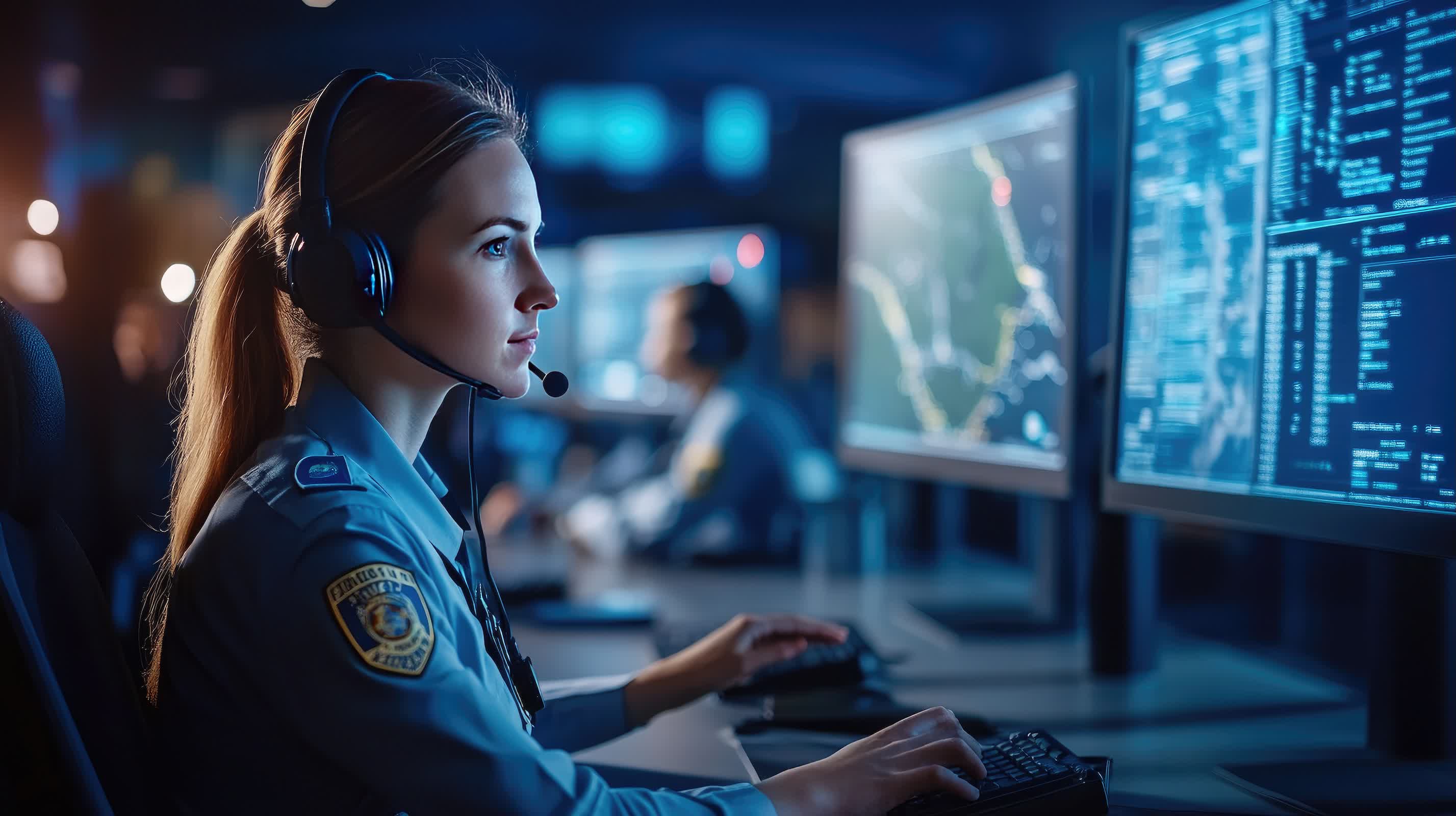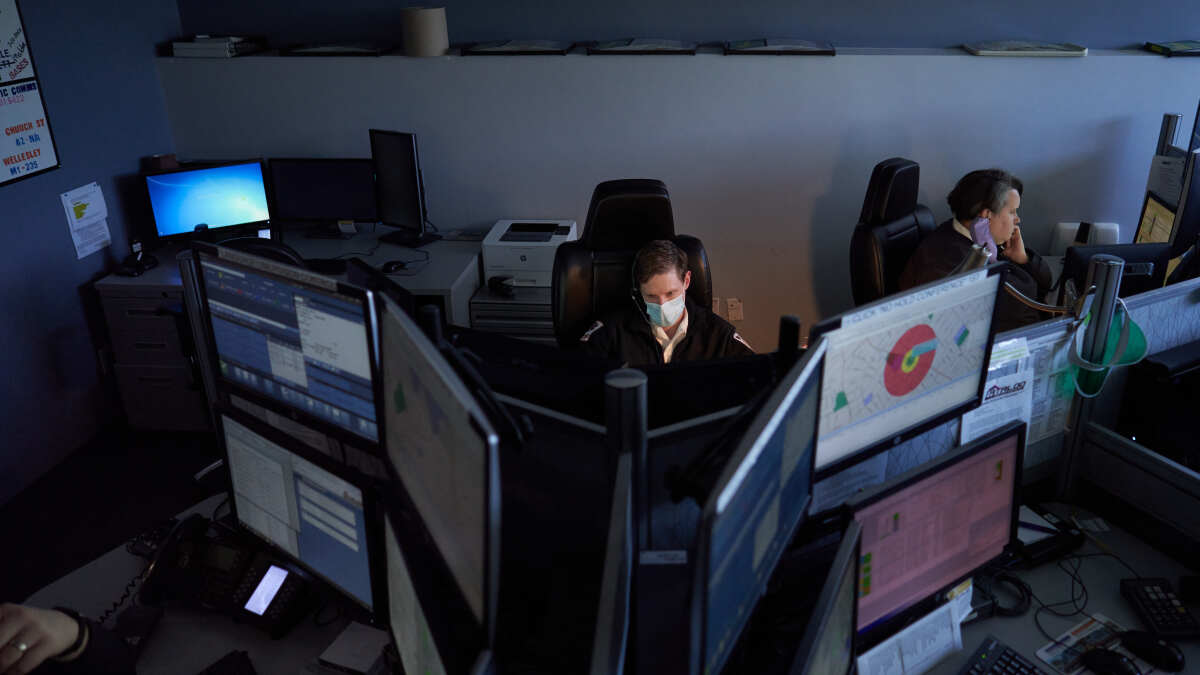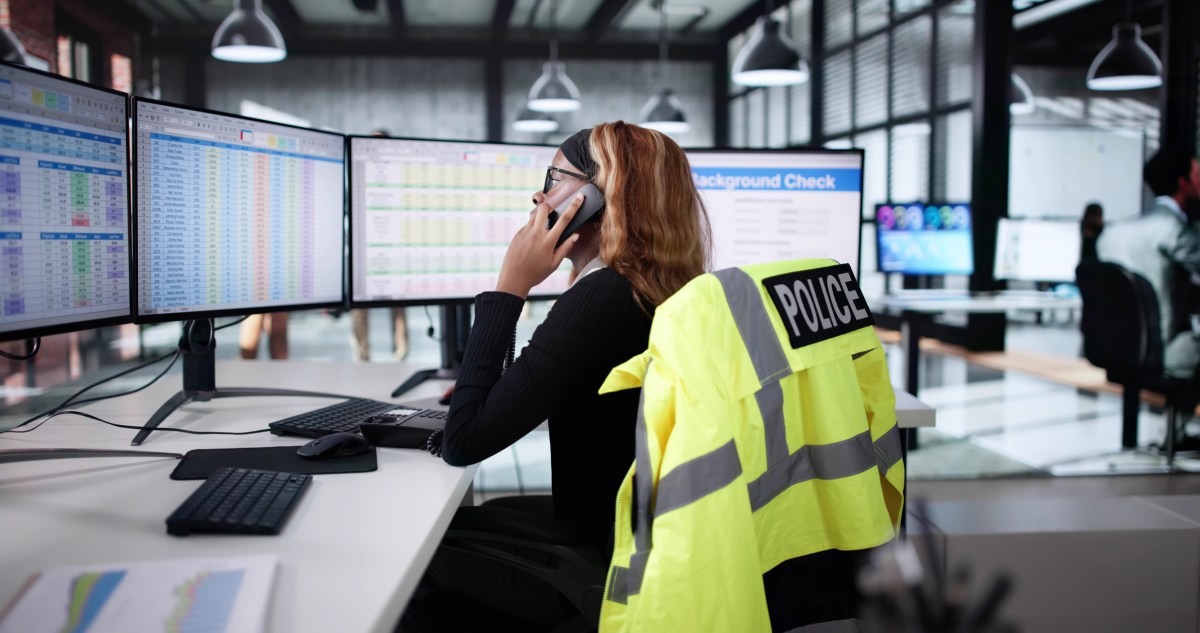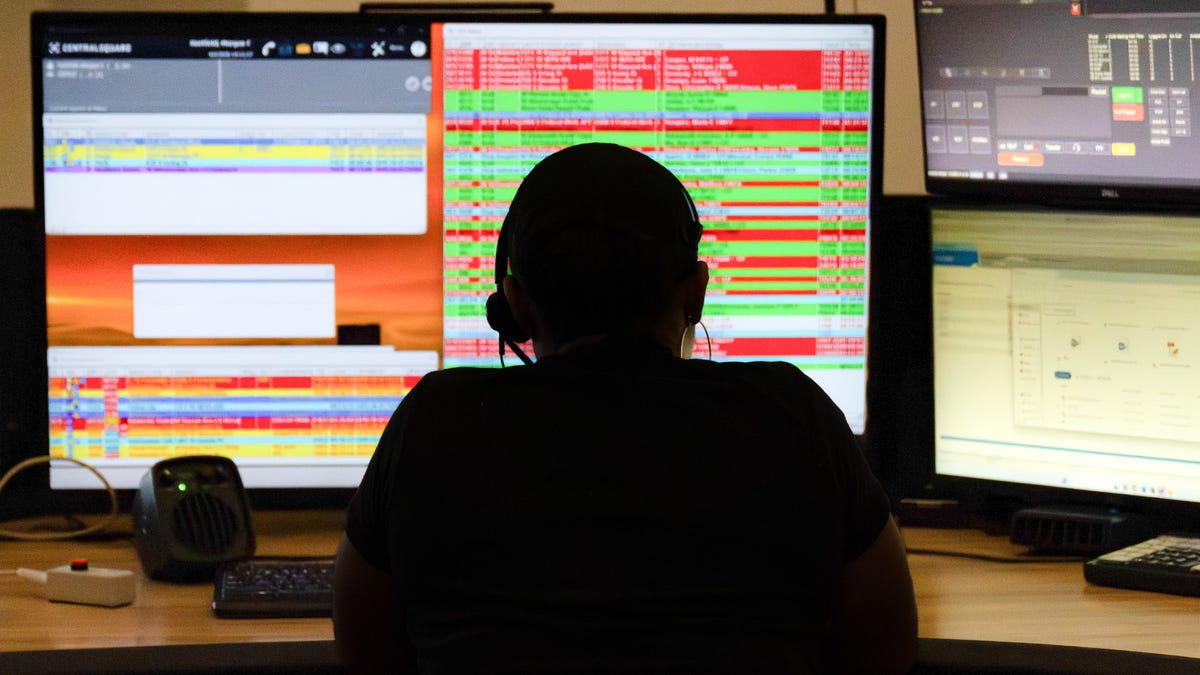
DENVER ‒ In one of the last places where a real live person answers the phone immediately, AI is now playing an increasingly important role in helping 911 dispatchers speed police, firefighters and paramedics to emergencies.
The most sophisticated AI systems can listen and interact with callers, in some cases by handling non-emergency calls while staying alert for something that's actually a crisis. Other AI systems can automatically translate languages to make sure every caller gets the help they need immediately.
Only in rare circumstances are the AI systems directly answering 911 calls, but are instead more often being used to lighten the high-pressure load on trained dispatchers who are often working in short-staffed operations centers.
"When someone calls 911 they don't want to end on hold. But how do you do that in this day and age?" said Stephen Kennedy, the 911 coordinator for Sumpter County in central Florida, which handles about 80,000 calls annually.
The use of AI by emergency services reflects its growing use across society, from analyzing medical images to detecting fraud and navigating driverless vehicles.