Anthropic, Google, and others are developing better ways for agents to interact with our programs and each other, but there’s still more work to be done.
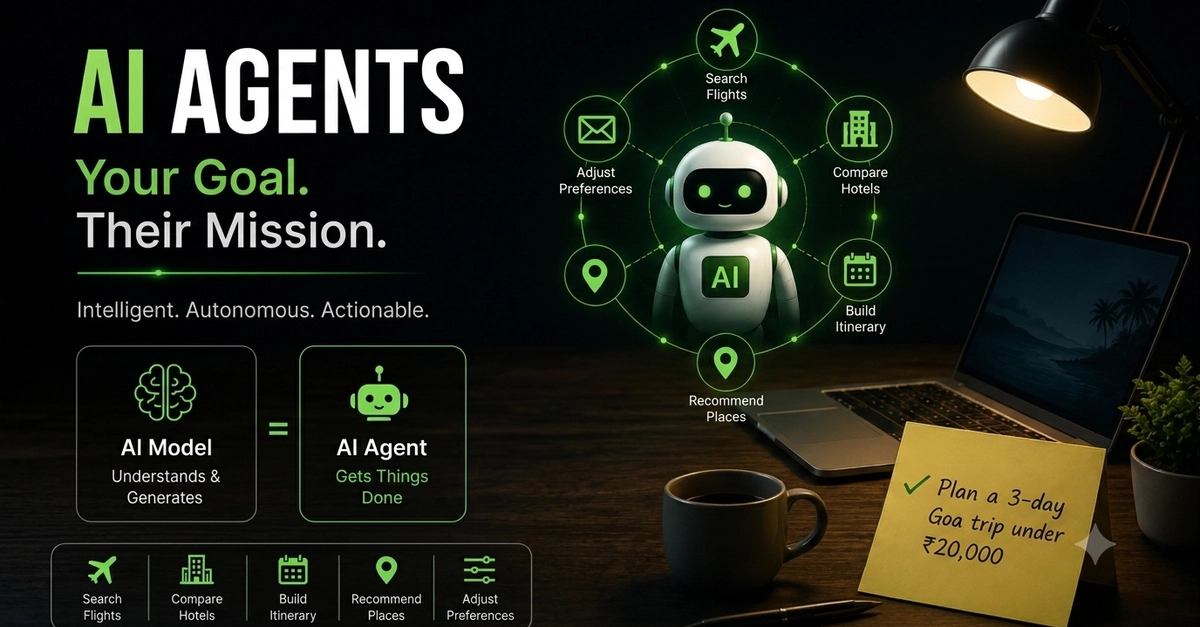
A growing number of companies are launching AI agents that can do things on your behalf—actions like sending an email, making a document, or editing a database. Initial reviews for these agents have been mixed at best, though, because they struggle to interact with all the different components of our digital lives.
Part of the problem is that we are still building the necessary infrastructure to help agents navigate the world. If we want agents to complete tasks for us, we need to give them the necessary tools while also making sure they use that power responsibly.
Anthropic and Google are among the companies and groups working to do those. Over the past year, they have both introduced protocols that try to define how AI agents should interact with each other and the world around them. These protocols could make it easier for agents to control other programs like email clients and note-taking apps.
The reason has to do with application programming interfaces, the connections between computers or programs that govern much of our online world. APIs currently reply to “pings” with standardized information. But AI models aren’t made to work exactly the same every time. The very randomness that helps them come across as conversational and expressive also makes it difficult for them to both call an API and understand the response.