O
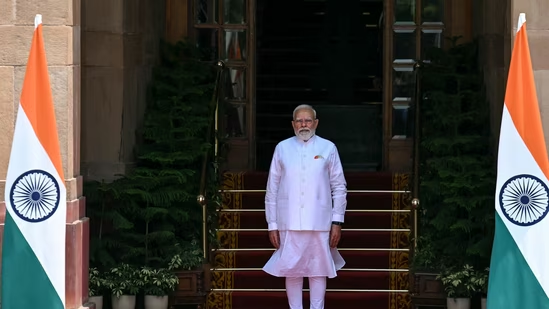
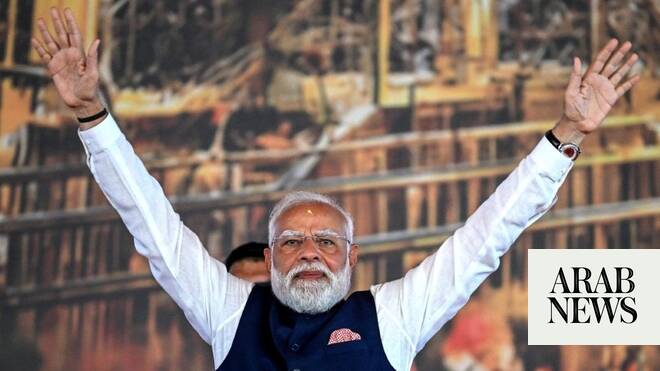
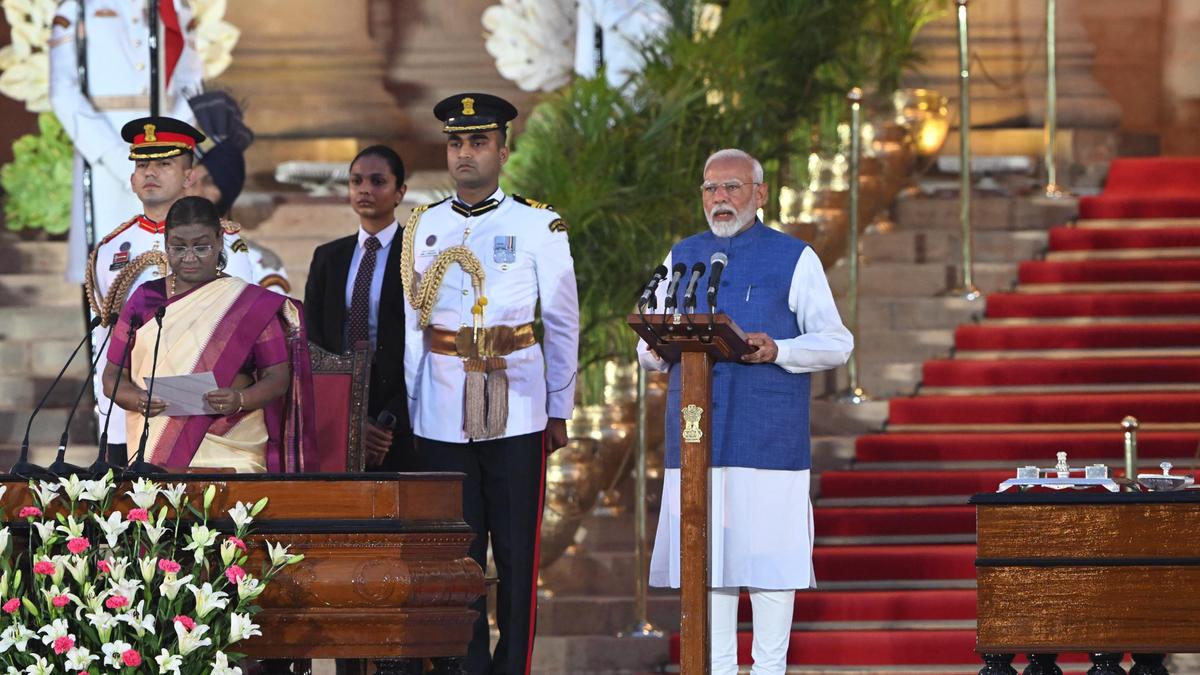
n March 22, 2026, Narendra Modi completed 8,931 days as head of an elected government in India, combining over thirteen years as Chief Minister of Gujarat (from October 7, 2001 to May 21, 2014) with three consecutive terms as Prime Minister. The milestone surpassed the record of Pawan Kumar Chamling, who served as Chief Minister of Sikkim for 8,930 days. Neither the congratulations from within the ruling dispensation nor the alarm from its critics engages the constitutional question the milestone makes unavoidable: why does India’s Constitution impose no limit on how long a single individual may hold the office that wields actual executive power?
India is unusual among large democracies in this respect. The United States adopted the Twenty-Second Amendment in 1951, responding to Franklin Roosevelt’s four consecutive terms. South Korea, Brazil, Colombia, and Indonesia all impose presidential term limits. Among parliamentary democracies, the question is considered less urgent because the Prime Minister serves at the confidence of the legislature. But this theoretical availability of removal is precisely the assumption that requires scrutiny in the Indian context.
Constituent Assembly’s rationale