N
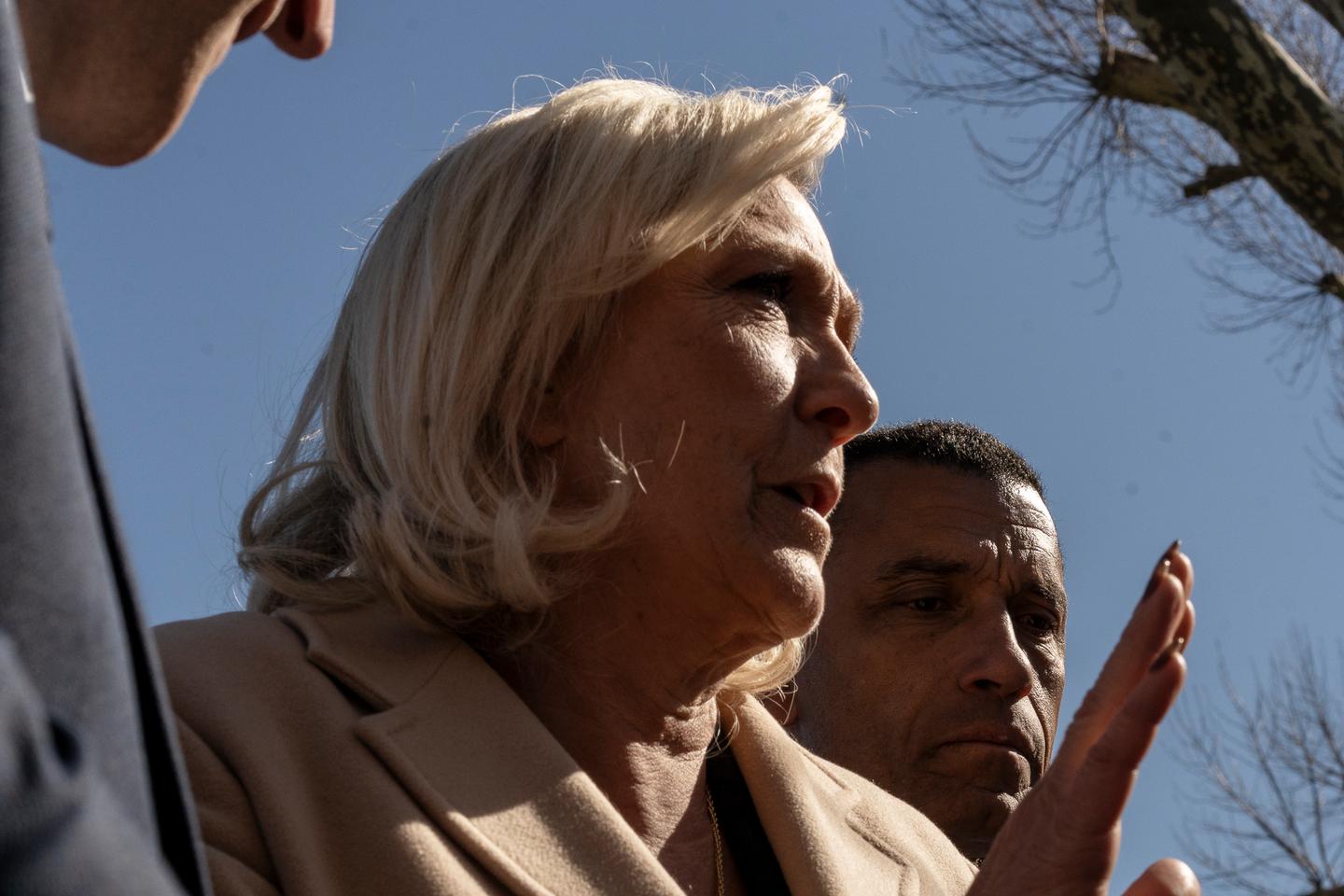
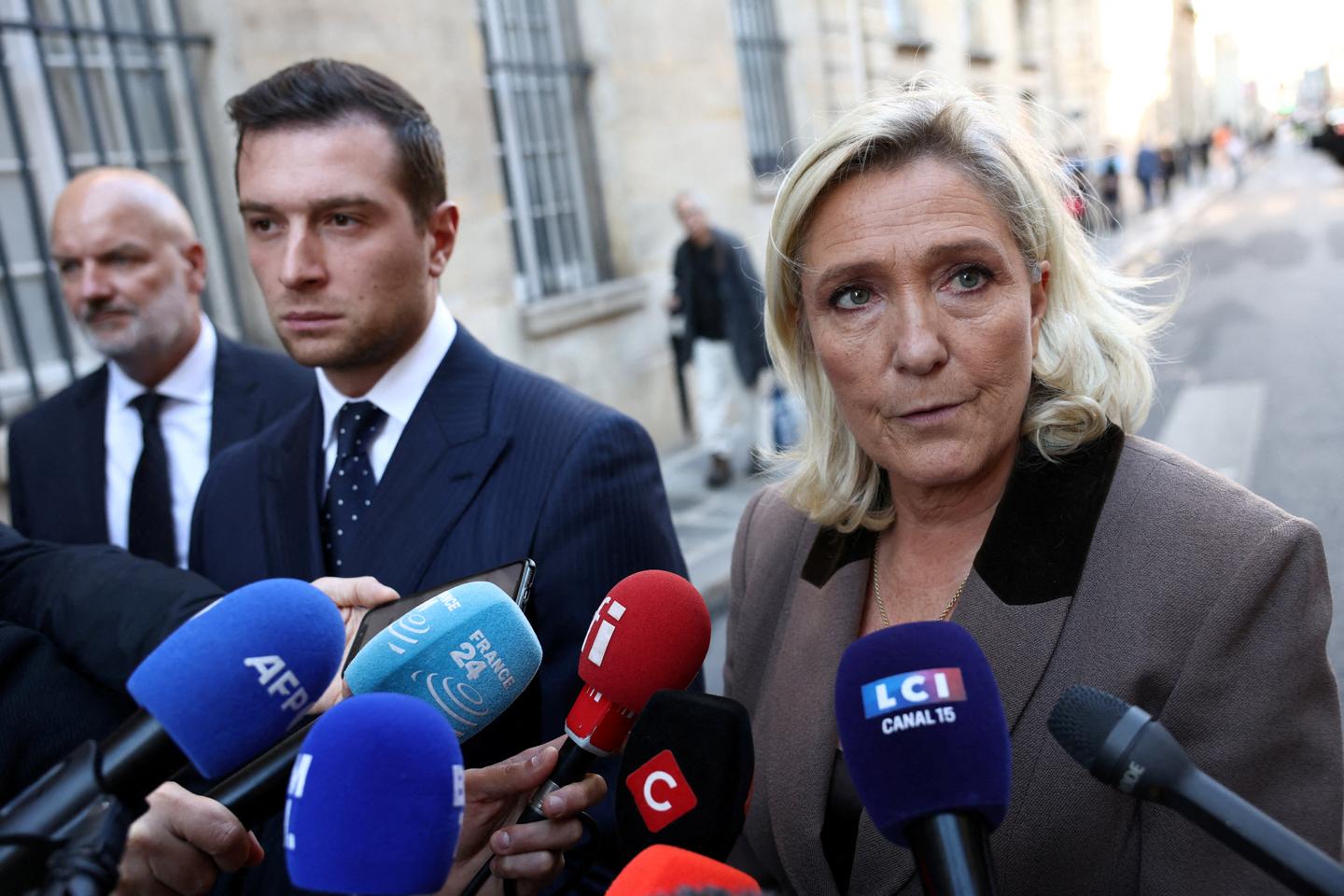
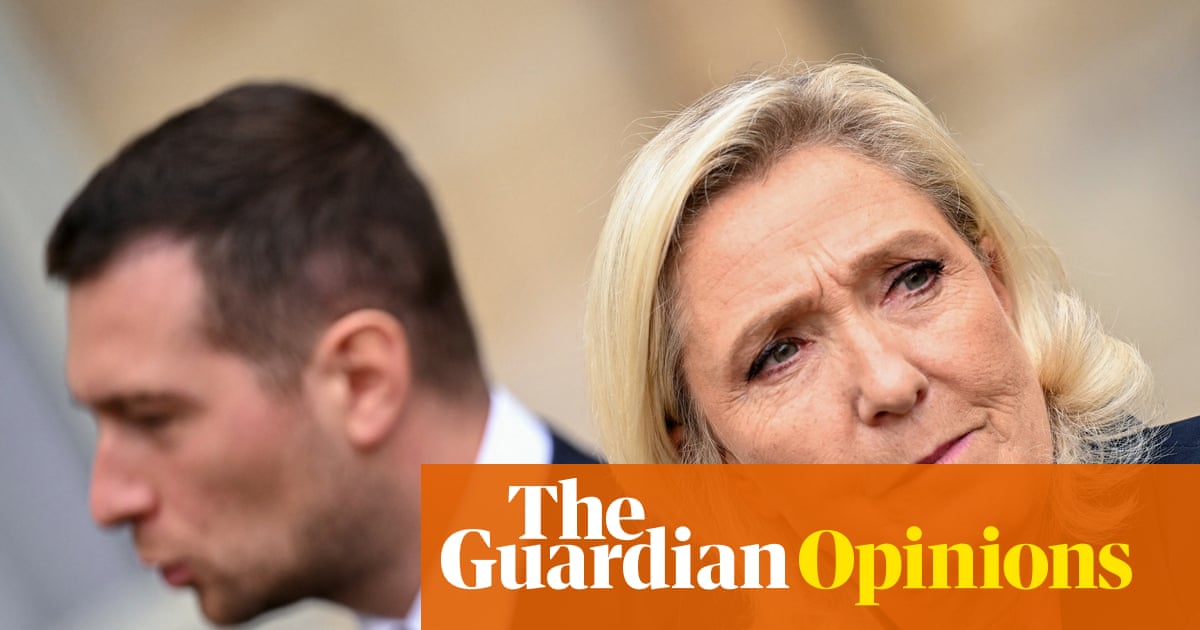
ot a week goes by without Marine Le Pen and her lieutenant Jordan Bardella openly contradicting each other in front of voters, with no attempt to even hide it. In Budapest, on Monday, March 23, Le Pen repeated the line she has used since she took over her father's party in 2011: "We must not reach out to the right, we must reach out to all French people," she declared, the day after local elections that yielded mixed results for her party. In doing so, she reaffirmed her steadfast "neither left nor right" stance, presenting herself as the defender of those who feel forgotten or scorned by the system.
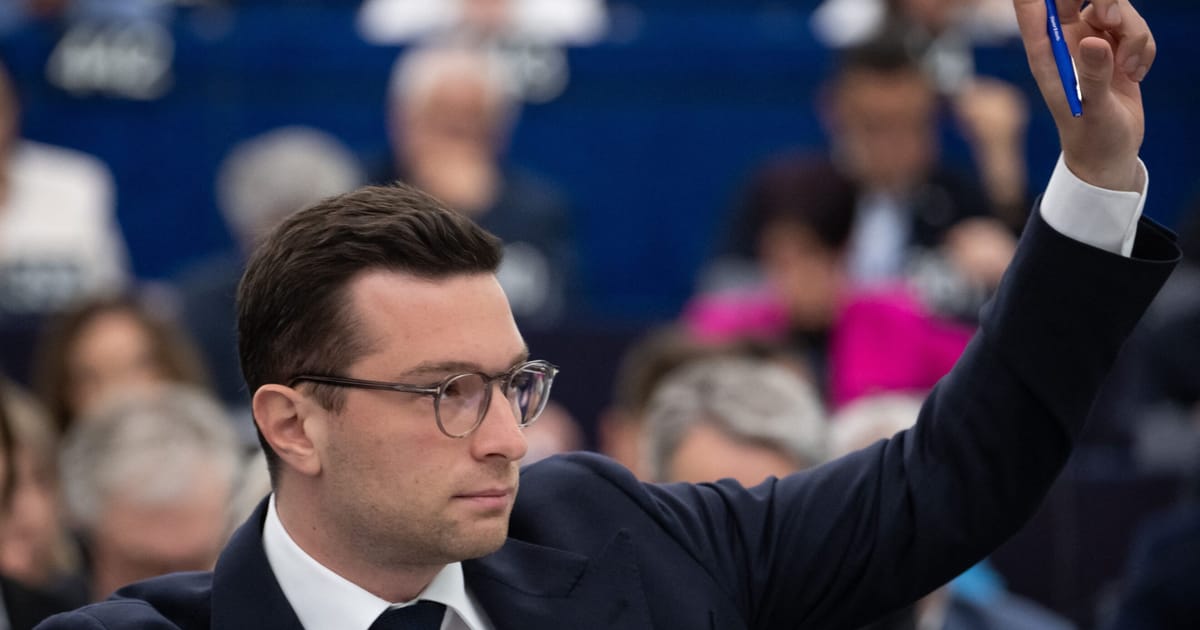
Three days later, in an interview with Le Figaro, Bardella renewed his strong overtures to disillusioned right-wing voters, presenting himself as the natural heir to the late RPR and UMP parties of Jacques Chirac and Nicolas Sarkozy. "Obviously, many of my values are rooted in a right-wing ethos," he declared, praising the success in Nice of his ally Eric Ciotti, himself a former leader of the present-day conservative party Les Républicains.
When questioned, officials from the far-right Rassemblement National party insist this battle of competing strategies is handled with full awareness. They describe it as a calculated division of roles, dictated by opportunism, and nothing to be surprised about. Yet, especially in times of tight budgets, it seems utterly contradictory for Le Pen to present herself as the protector of the vulnerable – defending the state, public services, civil servants, and a return to a retirement age of 62 – while at the same time allowing Bardella to increasingly court the pro-business, economically liberal right, which dreams only of tax cuts, deregulation and longer working hours.