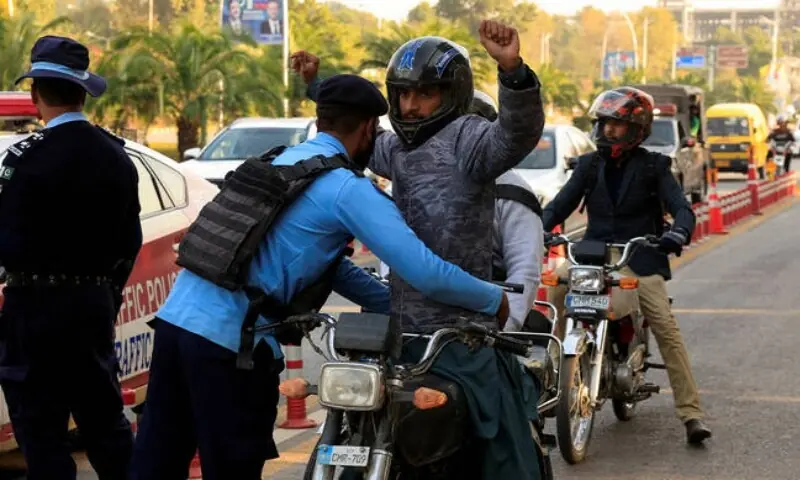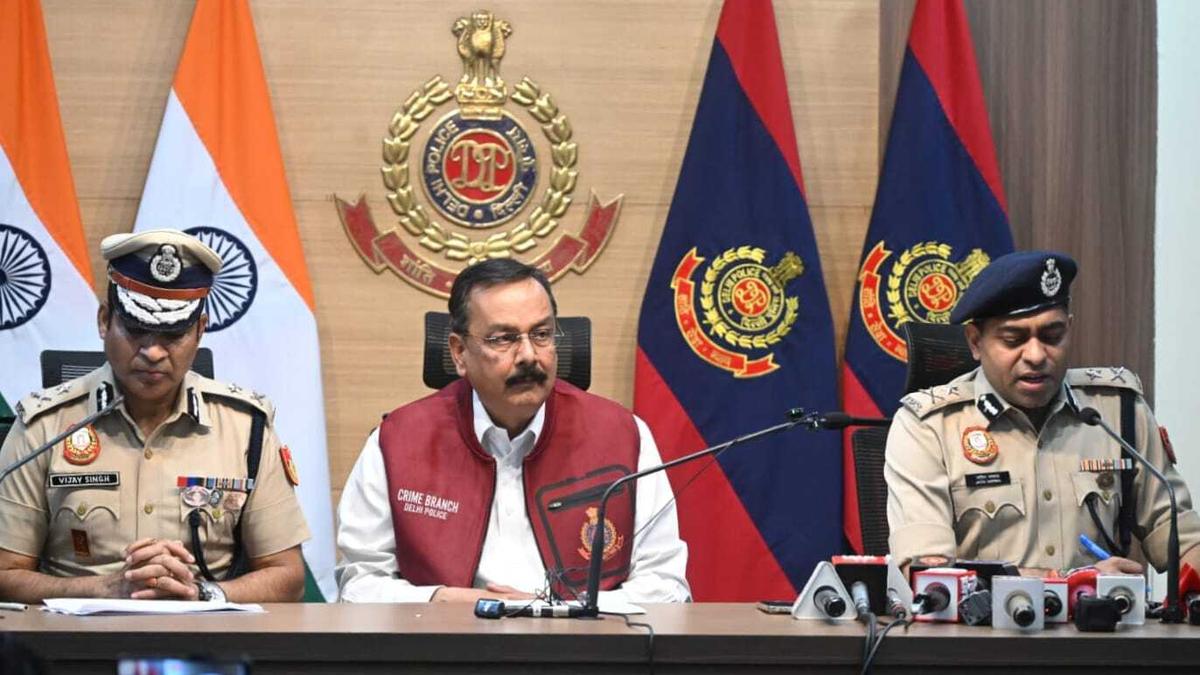
While street-level drug peddlers and organised syndicates have existed for decades, the rise of social media and digital payment systems has pushed the Delhi police to diversify their strategy in fighting drug trafficking.
According to police officers, their biggest challenge is tracking suppliers operating online. “This is both a boon and a bane for us because, on the one hand, the criminal no longer has a face but leaves a digital footprint which can be tracked,” said Abhishek Dhania, Additional Commissioner of Police, Crime and Anti-Narcotics Task Force (ANTF).
The Delhi police have been running Operation Kavach, a special drive to arrest drug traffickers, for the past three years. More than 7,000 people have been held and large quantities of drugs have been seized. In its 13th edition, held from March 29-31, the police registered 229 cases under the Narcotic Drugs and Psychotropic Substances Act, arrested 267 people, and seized substantial quantities of narcotics, including 100 kg of ganja, heroin, and psychotropic substances.
Over 5,000 people were also taken into preventive custody.
Officers said digital transactions, cryptocurrency payments, and operators based abroad have made it harder to dismantle syndicates. In response, the Delhi police have upgraded their technical capabilities. “Through mobile forensics and data analysis, we are able to track traffickers online. We are using specific tools to analyse Internet protocol detail records and call detail records,” Mr. Dhania said.