A
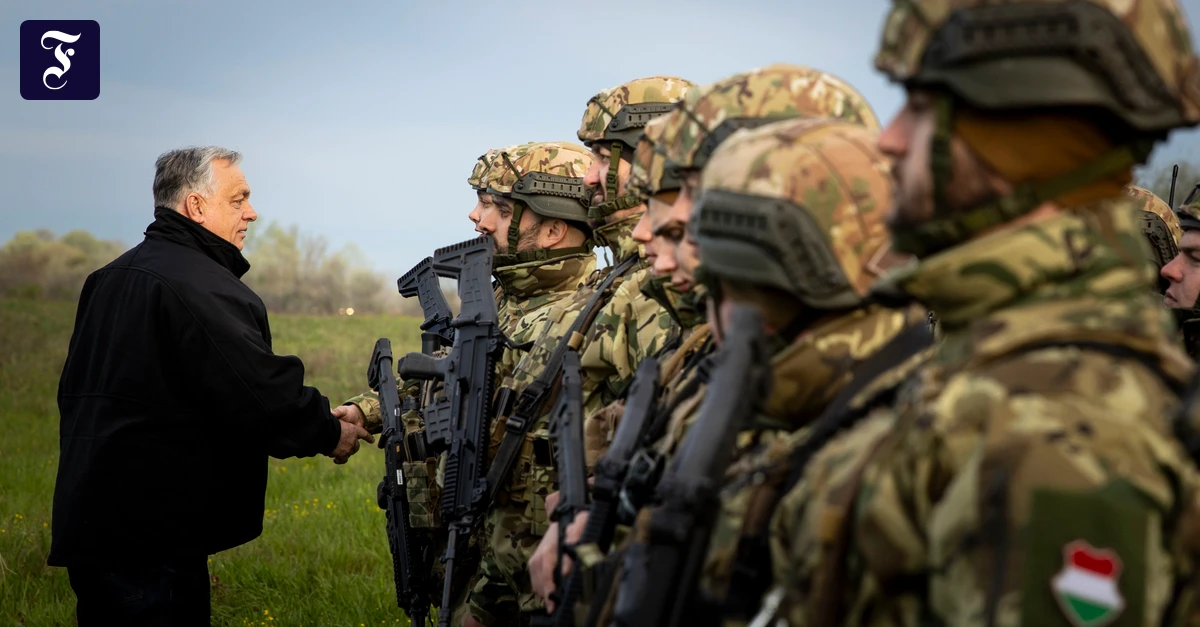
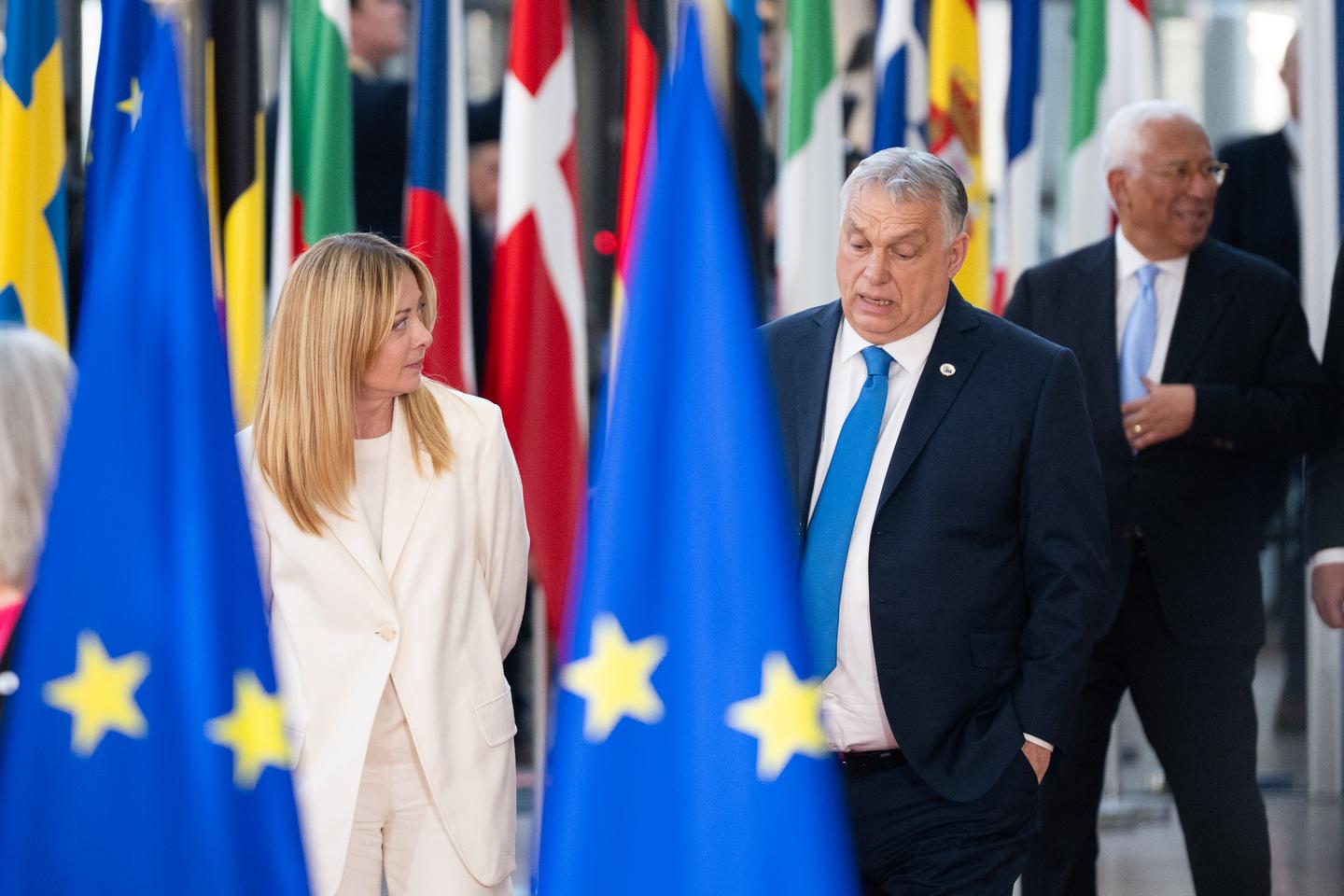
fter 16 years in power in Hungary, Viktor Orban has already secured his place in European history. Never before has the leader of a European Union member state had such strained relations with Brussels and the rest of the bloc as this prime minister of a small country with barely 9.5 million inhabitants. Yet Orban has demonstrated his ability to cause disruption by blocking a €90-billion European loan for Ukraine, a measure approved by 24 other countries representing over 400 million Europeans.
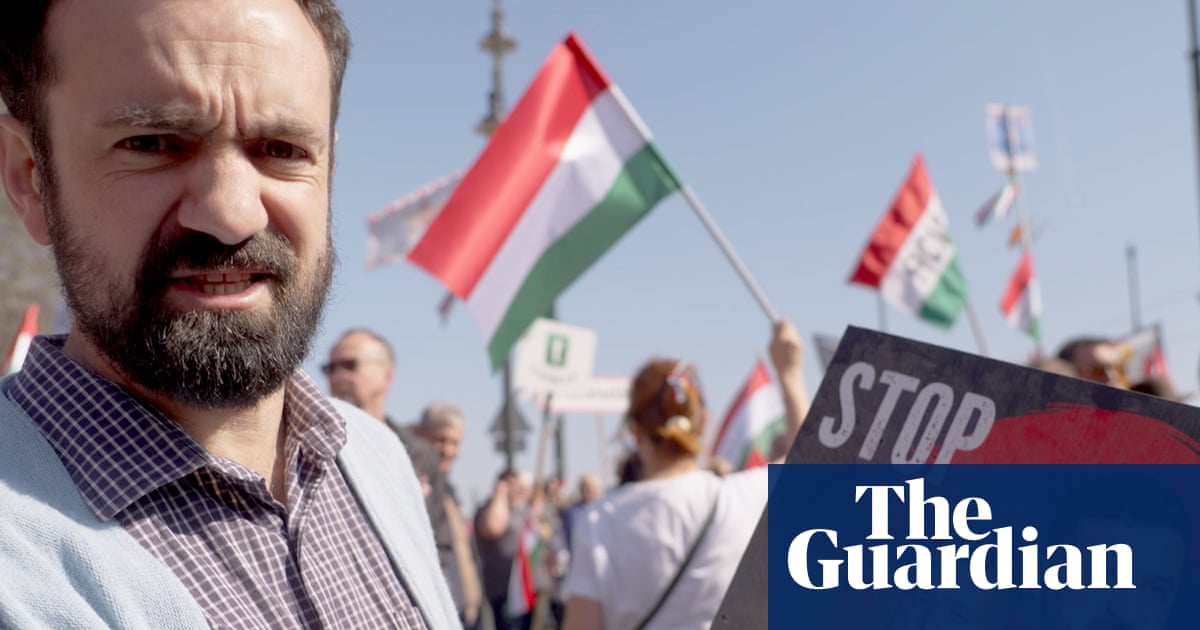
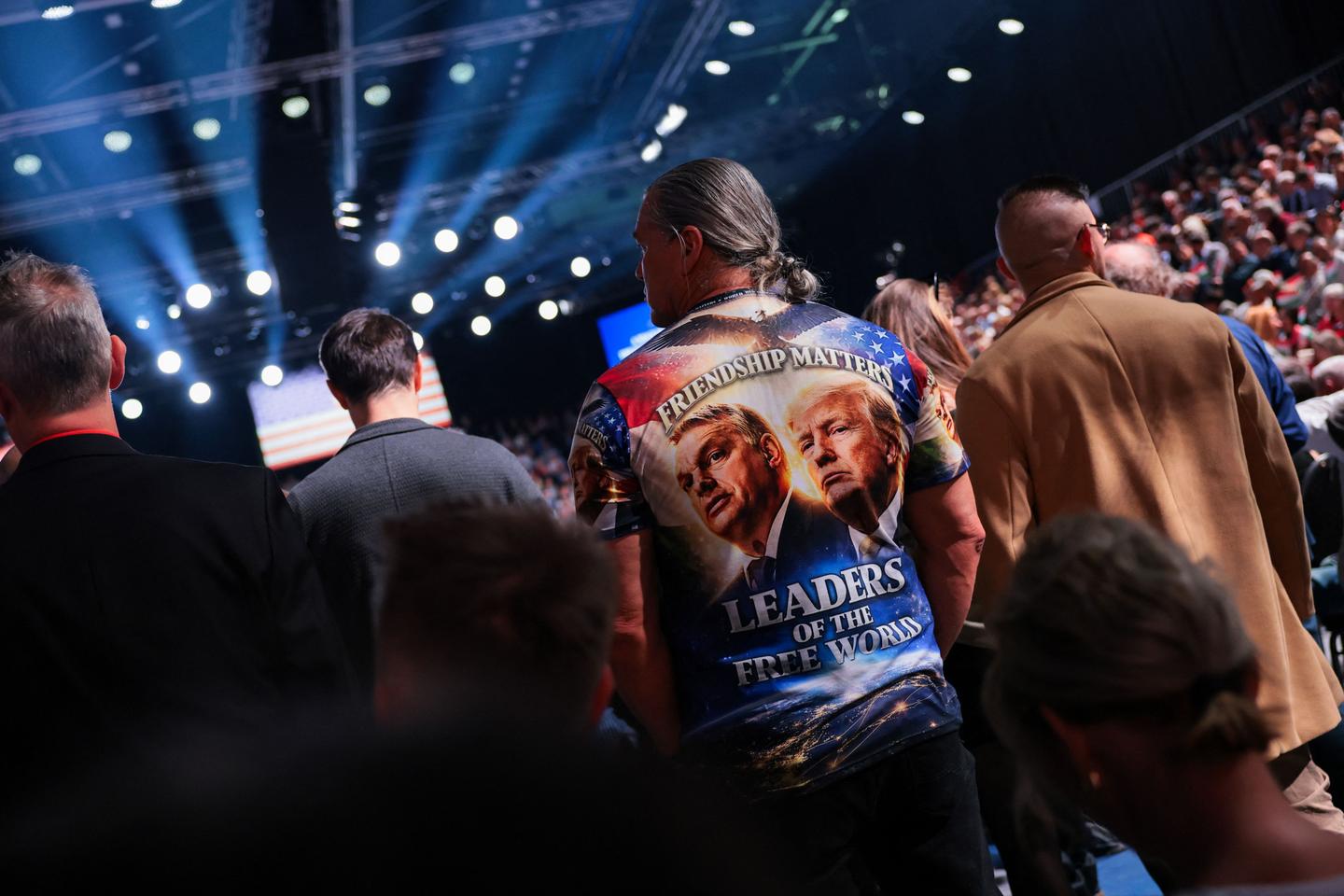
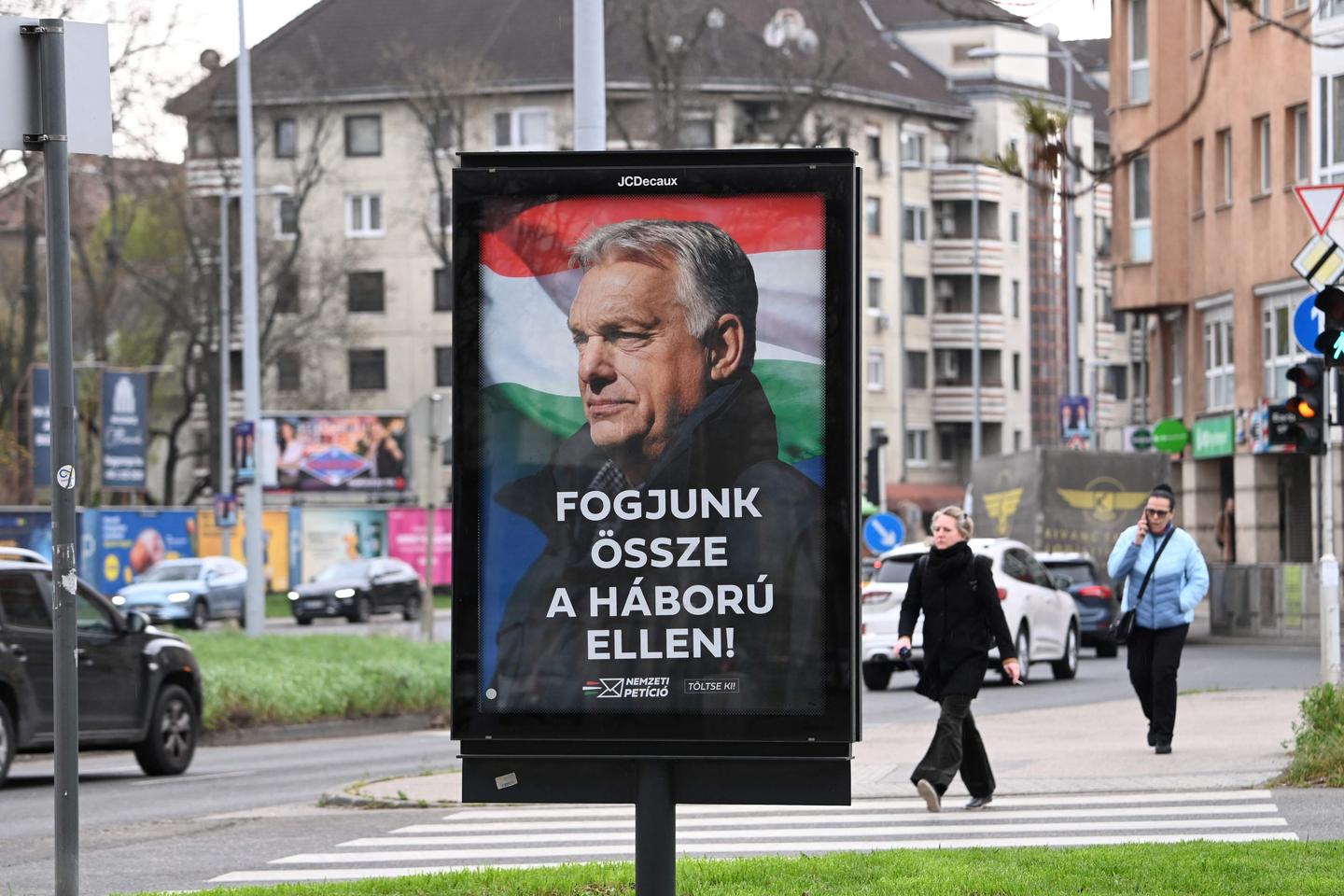
With the Hungarian legislative elections on Sunday, April 12, expected to be extremely challenging for him, Orban has centered his entire campaign on attacking Ukraine, which Hungary, due to its strong political and economic ties with Moscow, has consistently refused to support.
Hungary's chosen relationship of dependence is illustrated by the oil pipeline delivering Russian oil, which Budapest staunchly defends, and by the deferential conversations between Foreign Minister Péter Szijjarto and his Russian counterpart Sergey Lavrov revealed by website The Insider on Tuesday, March 31.
Faced with the Trojan horse of Vladimir Putin within its ranks, the EU has not remained idle. But it has reached the limits of its legal containment policy toward a country that repeatedly disregards its values. Severe sentences handed down by the Court of Justice of the European Union, the suspension of more than €18 billion in European funds and threats to suspend voting rights: None of this has worked. Hungarian democracy has been in constant decline since 2010, and even though the Hungarian leader has sometimes shown himself willing to make minor concessions, including on sanctions against Russia, he ultimately ends up blocking everything.