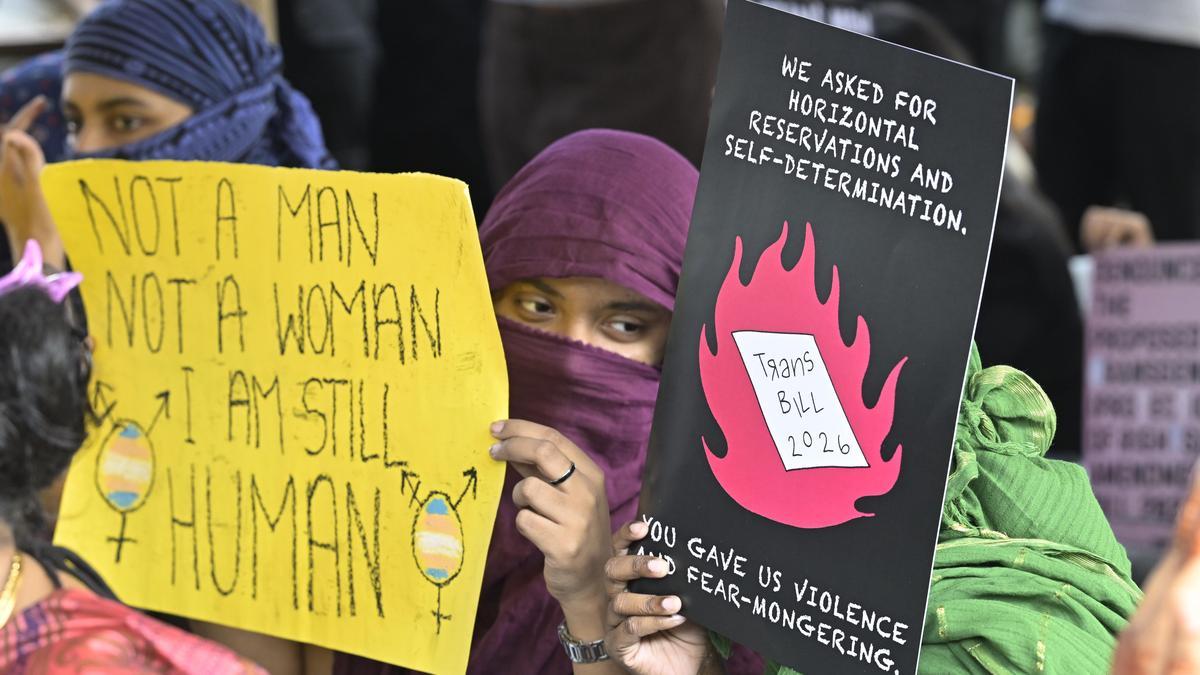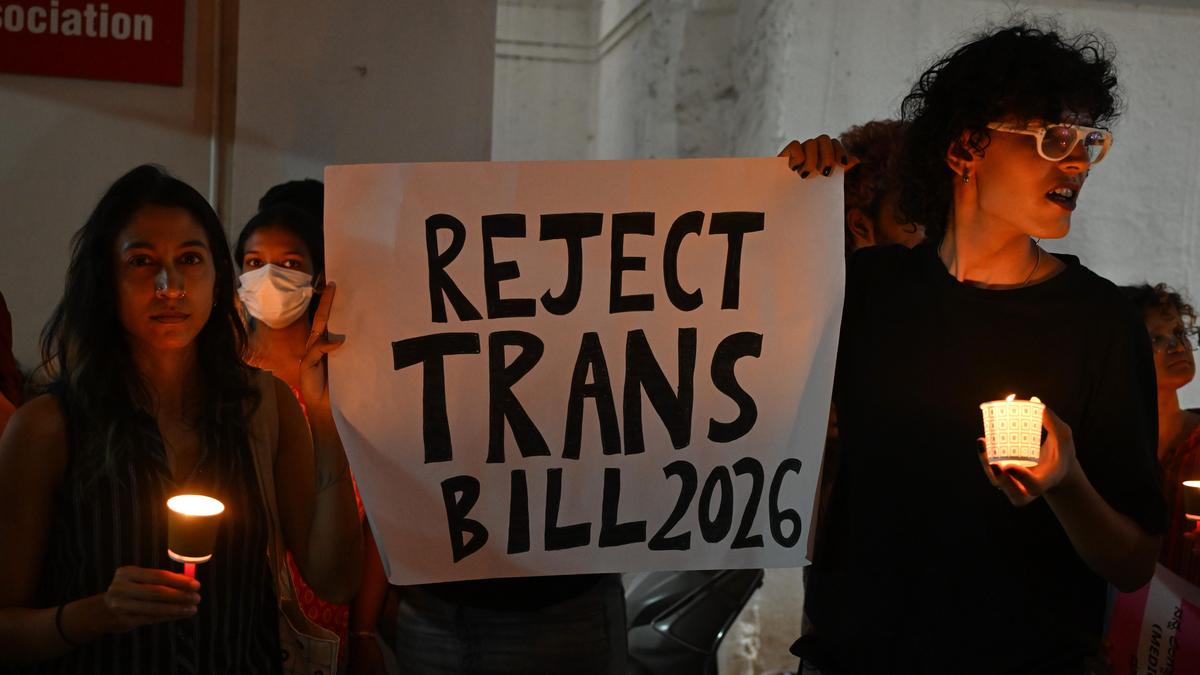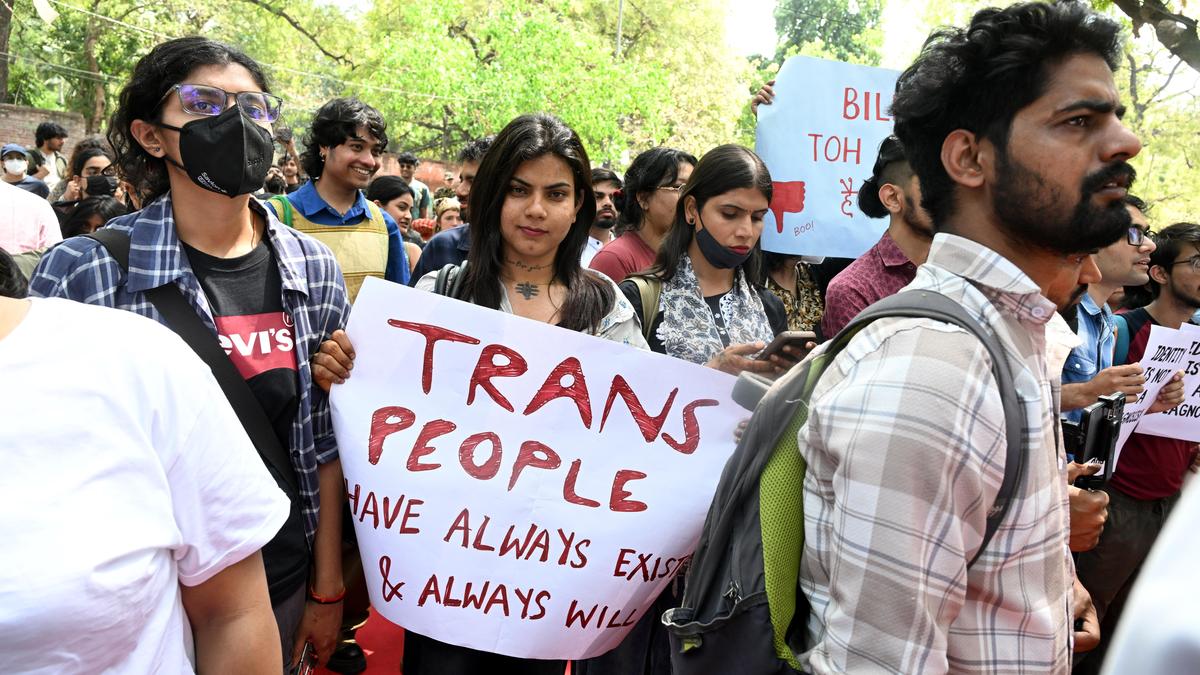
Health practitioners across the country have raised concerns regarding the Transgender Persons (Protection of Rights) Amendment Act 2026, stating that it will “disrupt established treatment protocol”, adding that many might stop providing gender-affirmative care “fearing legal consequences”.
In addition to narrowing the definition of who a transgender person is and removing the right to self-identification of gender, which will automatically exclude many, the amendment includes a section on offences, which states that “compelling” one to “outwardly present a transgender identity” is a punishable offence.
Parliament clears Transgender Bill amid an uproar
In response to a question in the Parliament on Wednesday (April 1, 2026) to whether the government is cognizant that this section will harm access to gender-affirmative care, B.L. Verma, the Minister of State for Social Justice and Empowerment said, “The provisions relating to forced conversions are intended to prevent abuse, coercion and exploitation, including instances of forced bodily harm or compelled identity and are not intended to restrict legitimate gender-affirmative care.” He did not clarify what is meant by “legitimate” gender-affirmative care.