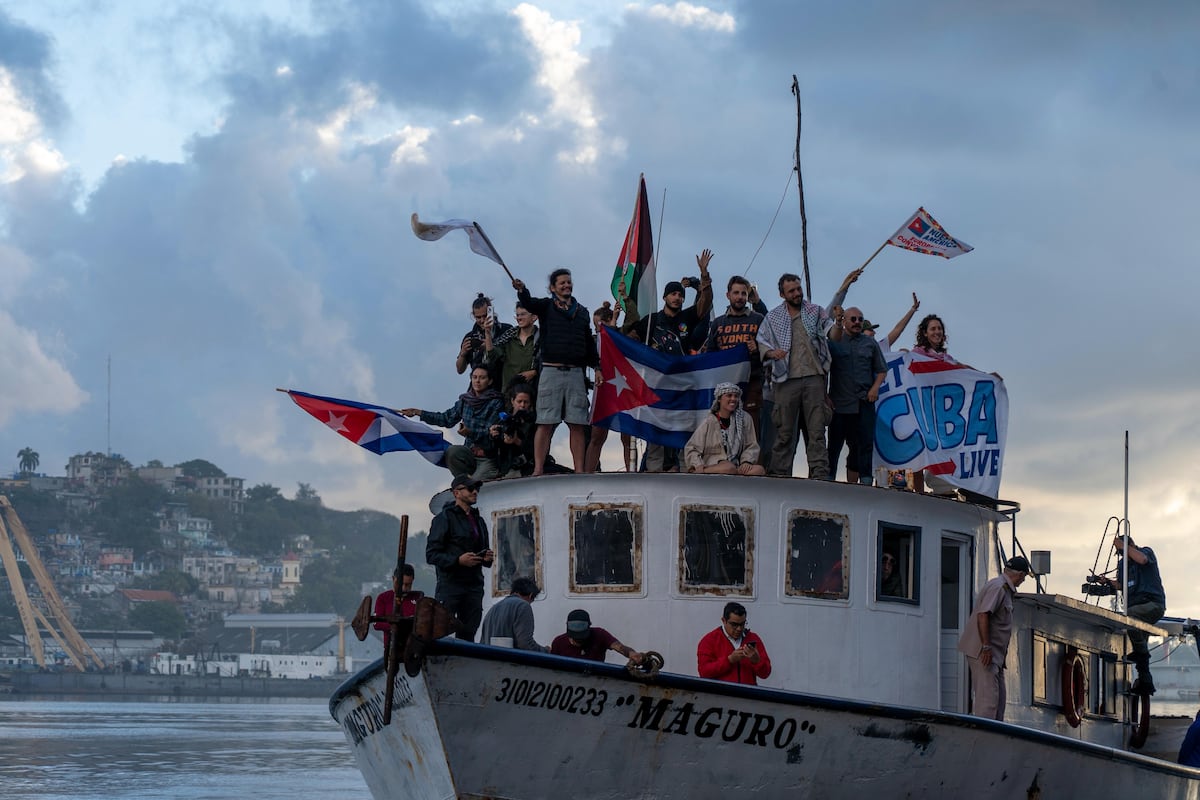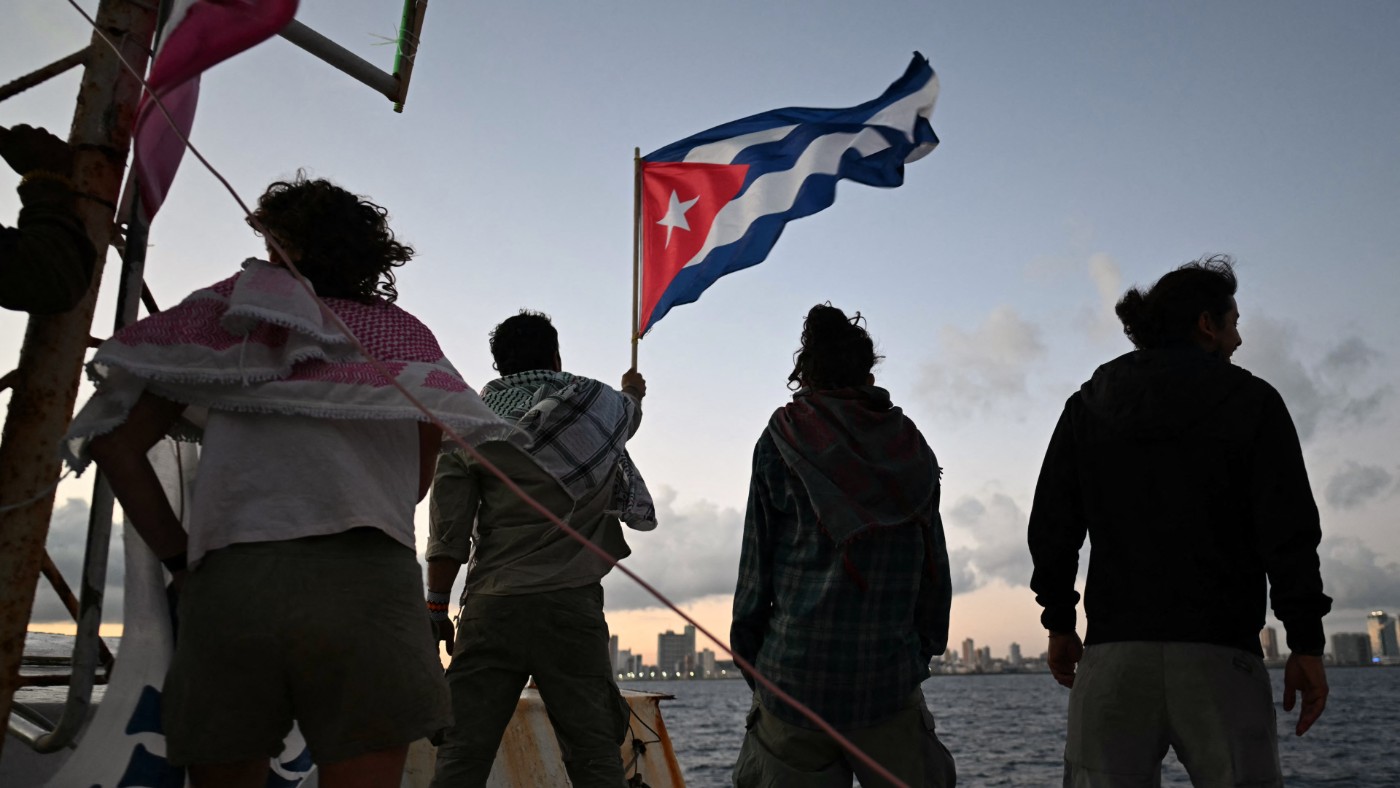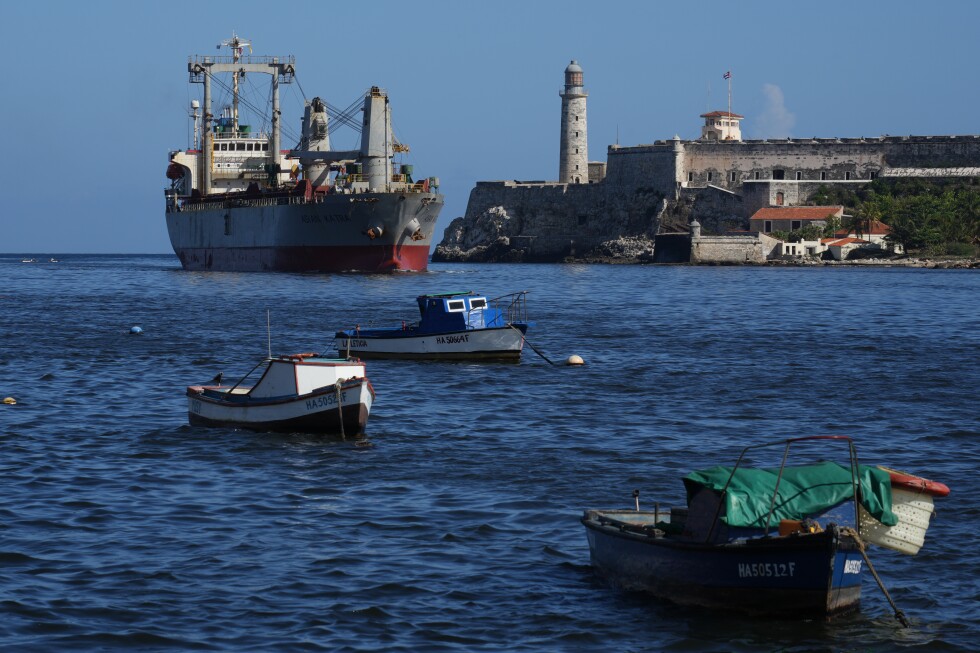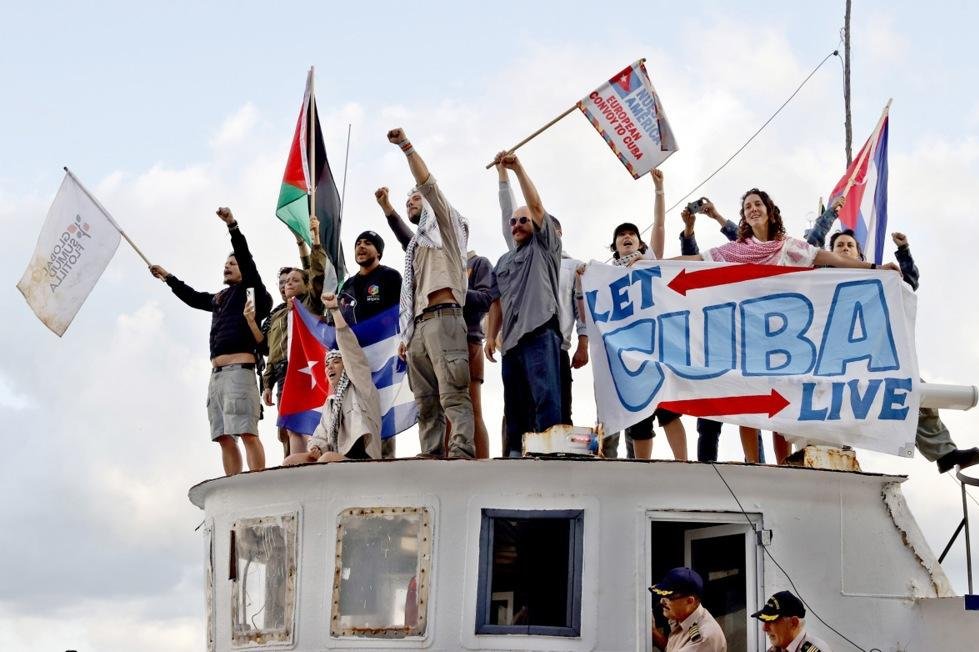
Members of the Nuestra America Convoy wave as they arrive at the port in Havana on Tuesday. The convoy, inspired by the Global Sumud Flotilla that delivered humanitarian aid to Gaza in 2025, aims to send a message of political support to Cuba, which has been subject to a U.S. oil embargo since January. Photo by Ernesto Mastrascusa/EPA
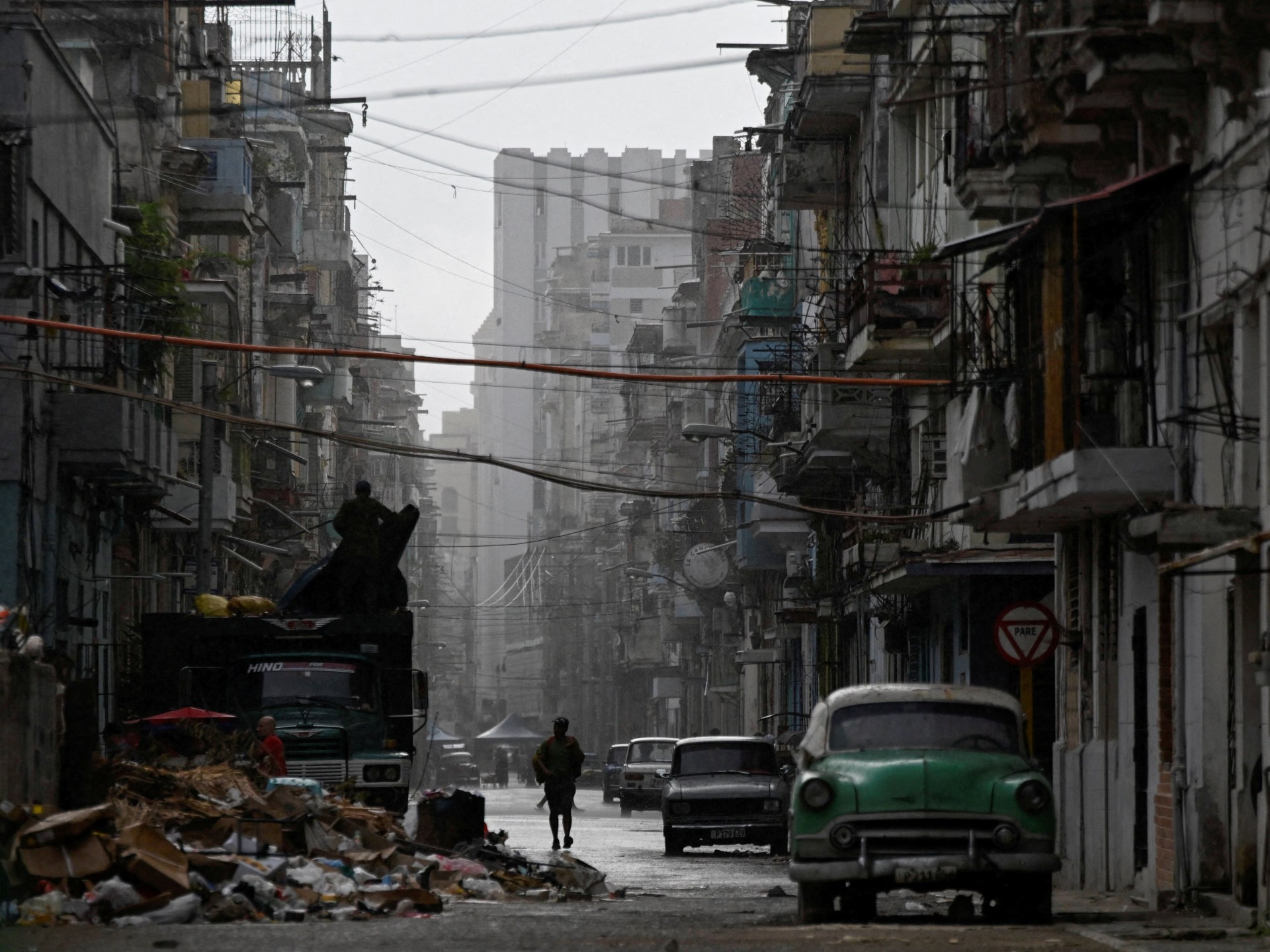
March 26 (UPI) -- The flow of humanitarian aid to Cuba has increased in recent days with shipments of food, medicine and fuel from governments, regional allies and an international flotilla of activists amid a crisis marked by widespread blackouts and shortages of basic supplies.
However, alongside the arrival of that assistance, a debate has also grown inside and outside the island over its real impact, distribution and motives of some of those behind it.
Mexico provided the most significant shipments, with more than 1,200 tons of food transported on two Navy vessels in mid-March, followed by new cargo announced days later.
Meanwhile, Caribbean countries are preparing additional packages with powdered milk, infant formula, nonperishable food, medical supplies and energy equipment, such as solar panels and batteries. China sent 60,000 tons of rice.