The Italian PM has won plaudits for her tightrope-walking pragmatism. But have voters now had enough?
G
iorgia Meloni has a long history of defying expectations. She holds the record as Italy’s youngest cabinet member, at 31, and is its first female prime minister, thus overcoming two of Italian politics’ most formidable obstacles, gerontocracy and machismo. After she took office in autumn 2022, she quickly put to rest concerns that her post-fascist background would make her a foreign policy radical. Staunch support for Ukraine and a pragmatic relationship with EU leaders won her international credibility.
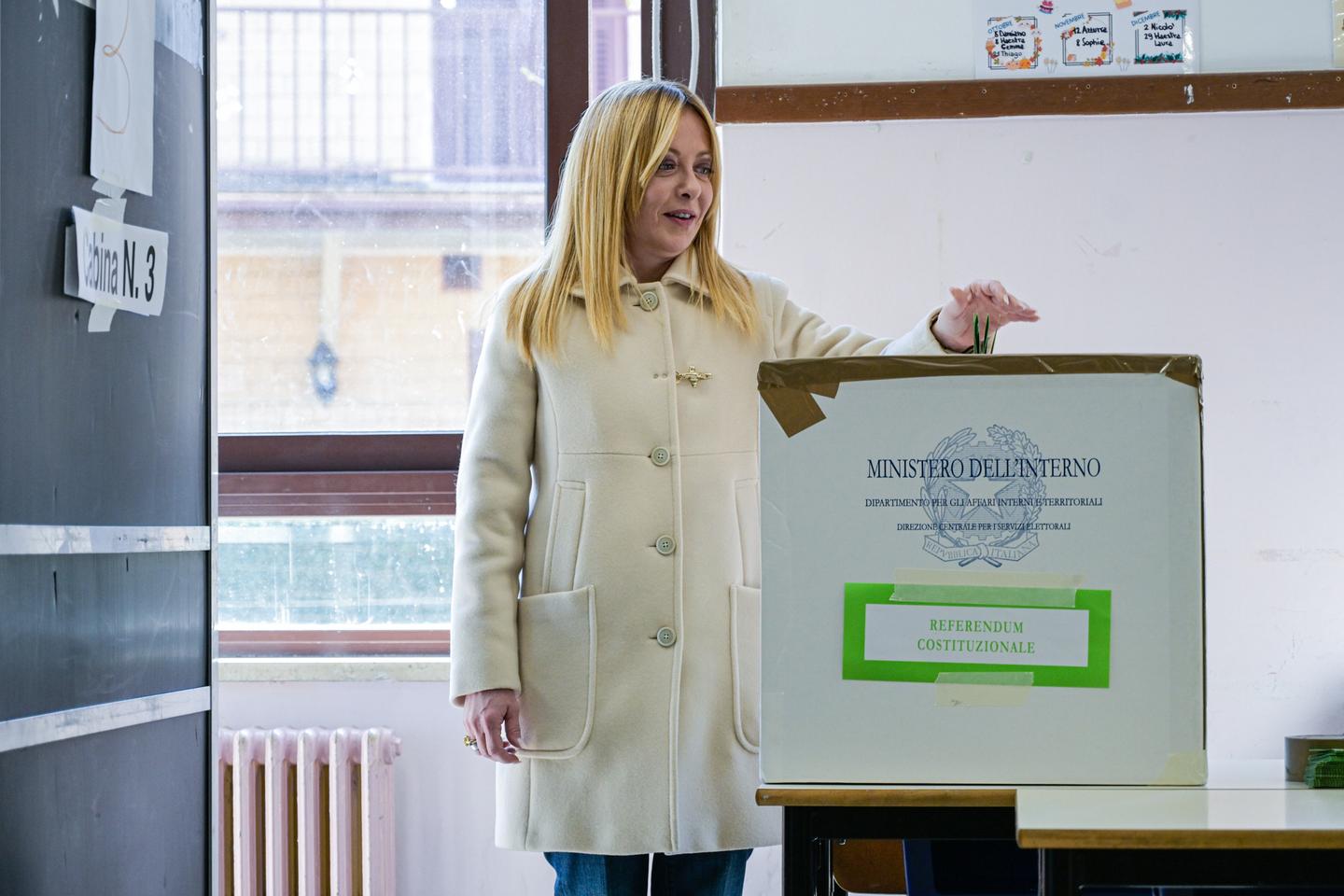
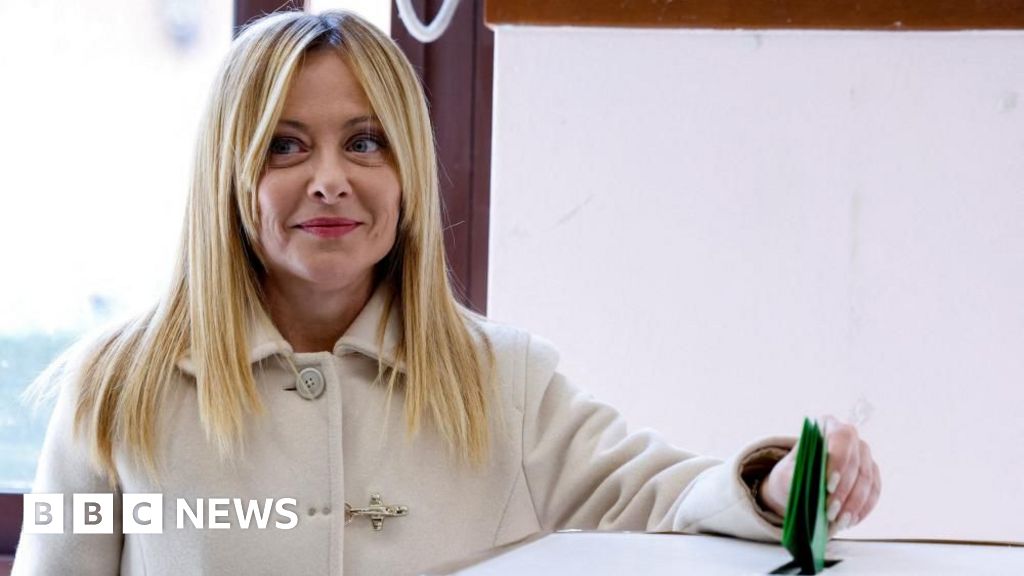
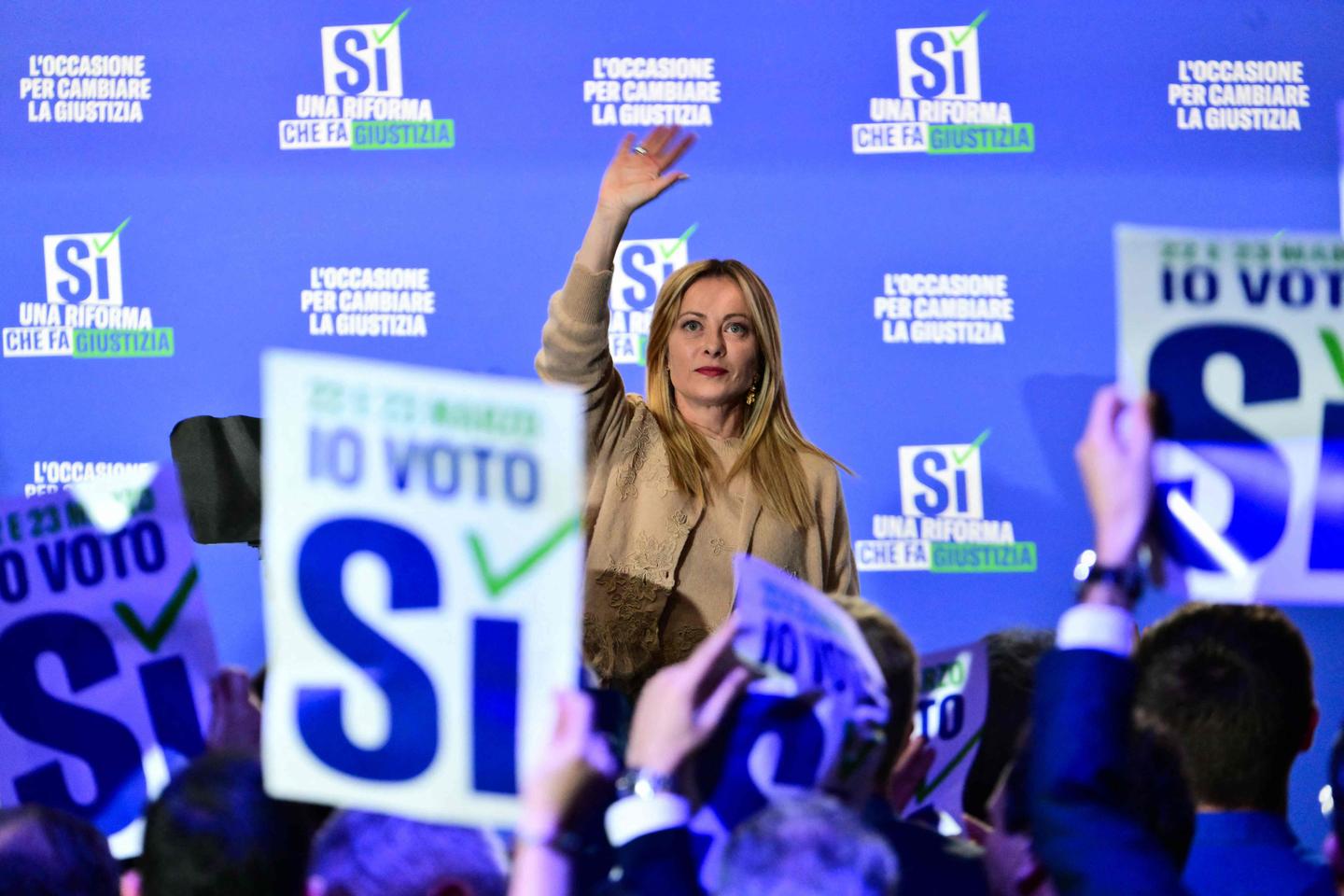
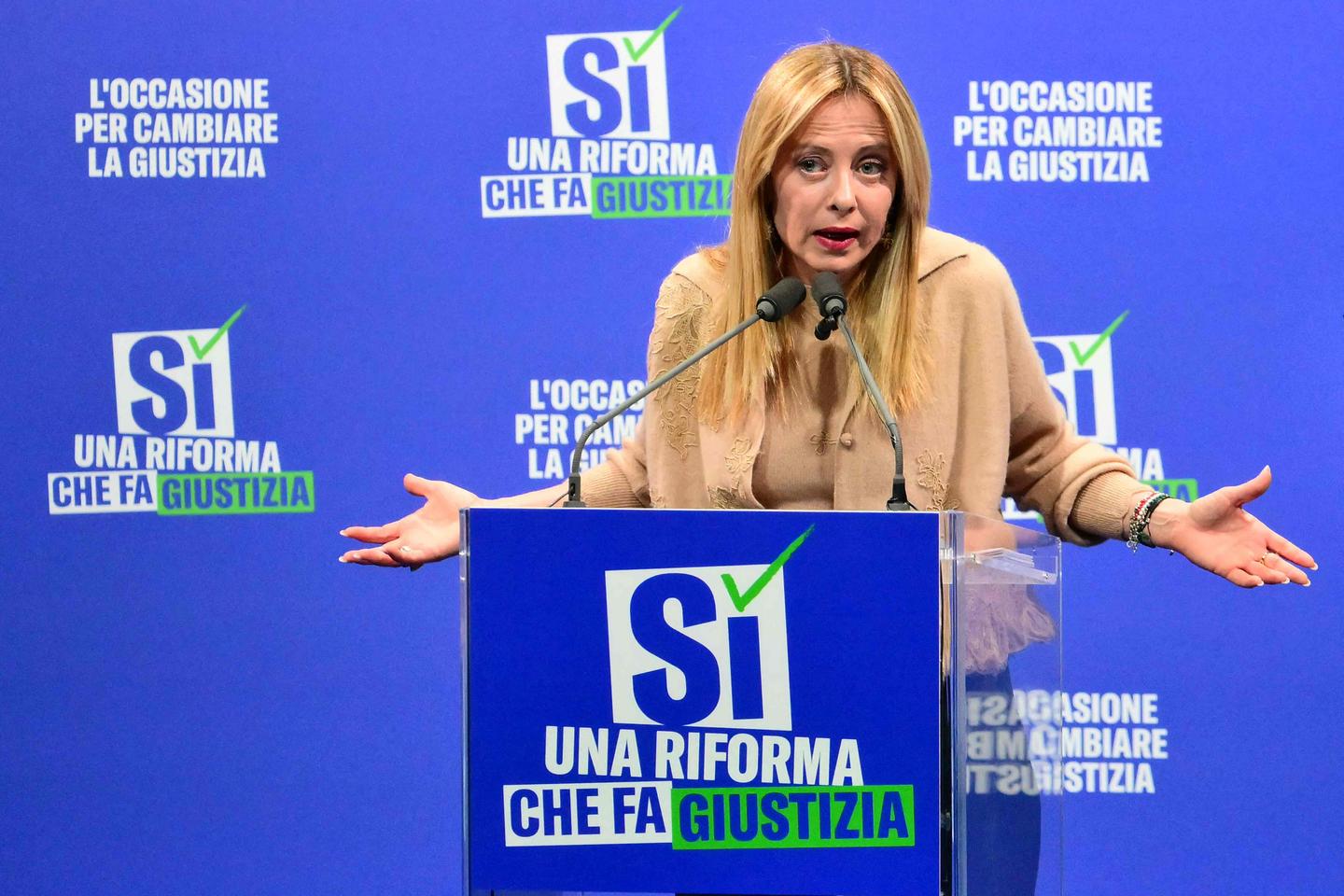
Against this backdrop, the defeat she suffered in this week’s referendum – where Italians rejected the government’s proposed constitutional reform of the judiciary by 53.2% to 46.8% – appears all the more significant.
Things were not supposed to go this way. Approval ratings for Meloni’s Brothers of Italy party have remained largely stable since 2022, a remarkable feat in Italian politics. She has also regularly outperformed most fellow European leaders in terms of popular support. And not long before the referendum, polls still had the yes campaign ahead. So what happened?