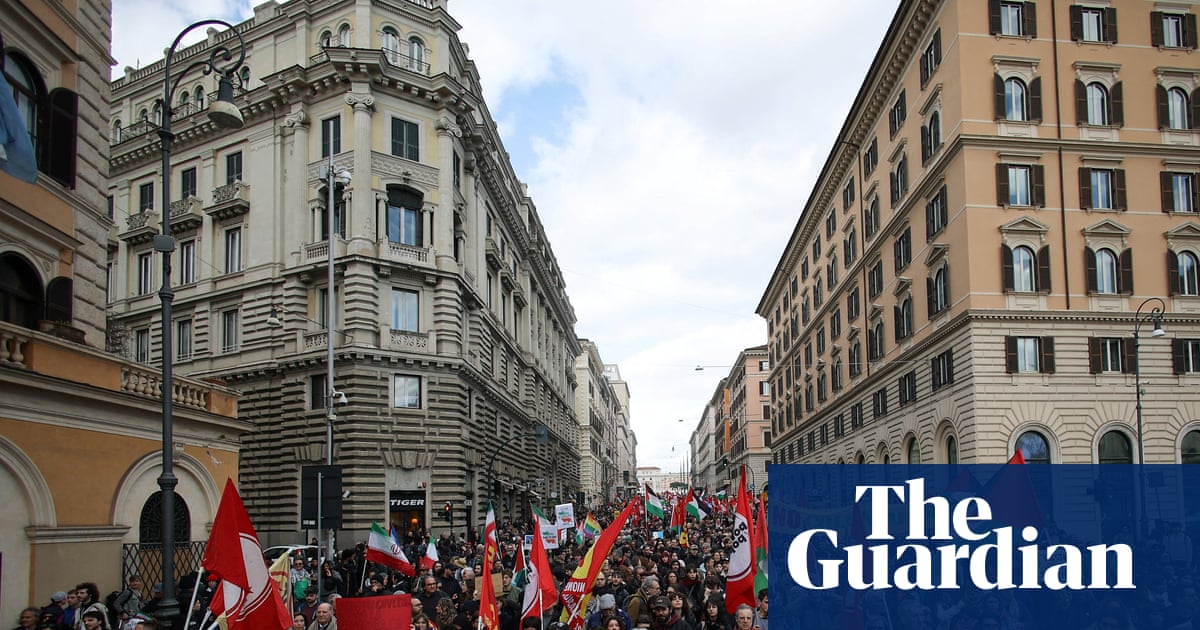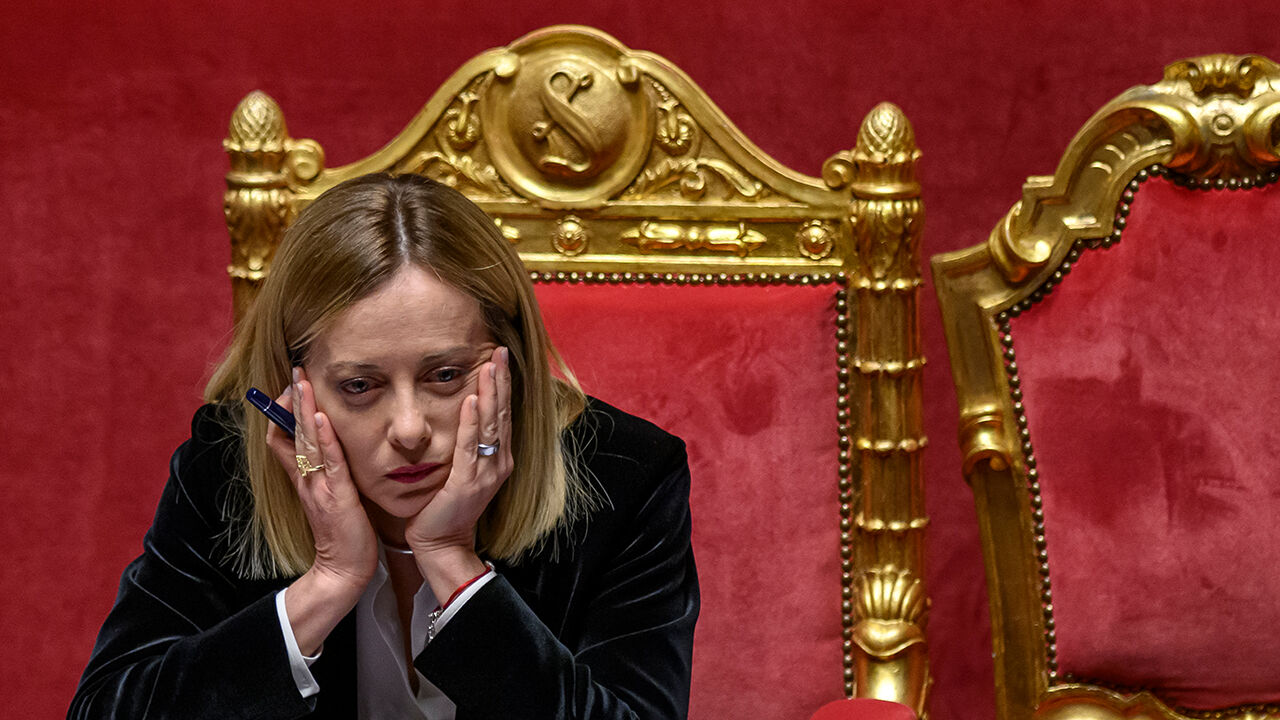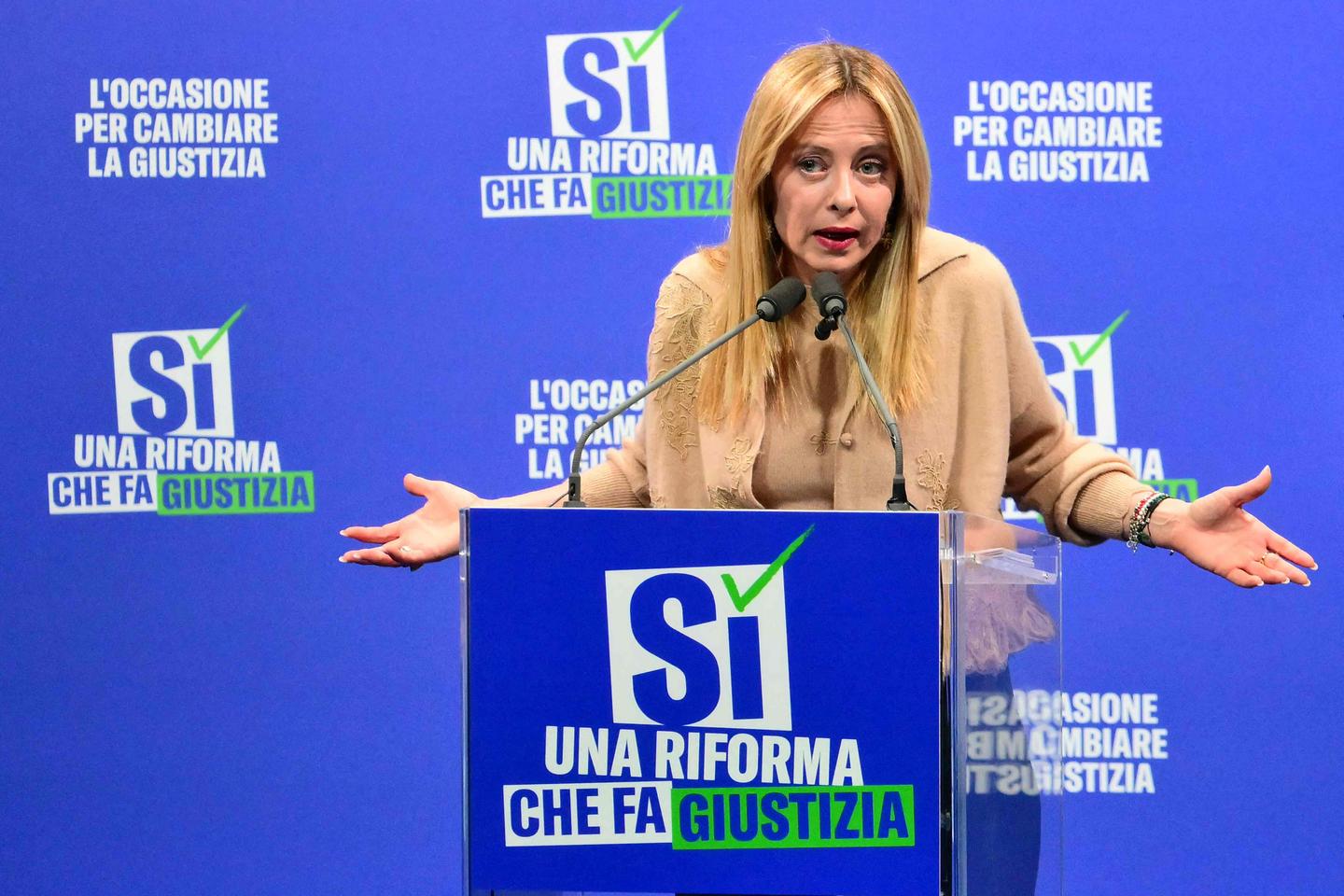
Italian Prime Minister Giorgia Meloni during a referendum vote on judicial reform, in Rome, March 23, 2026. VALENTINA STEFANELLI/AP
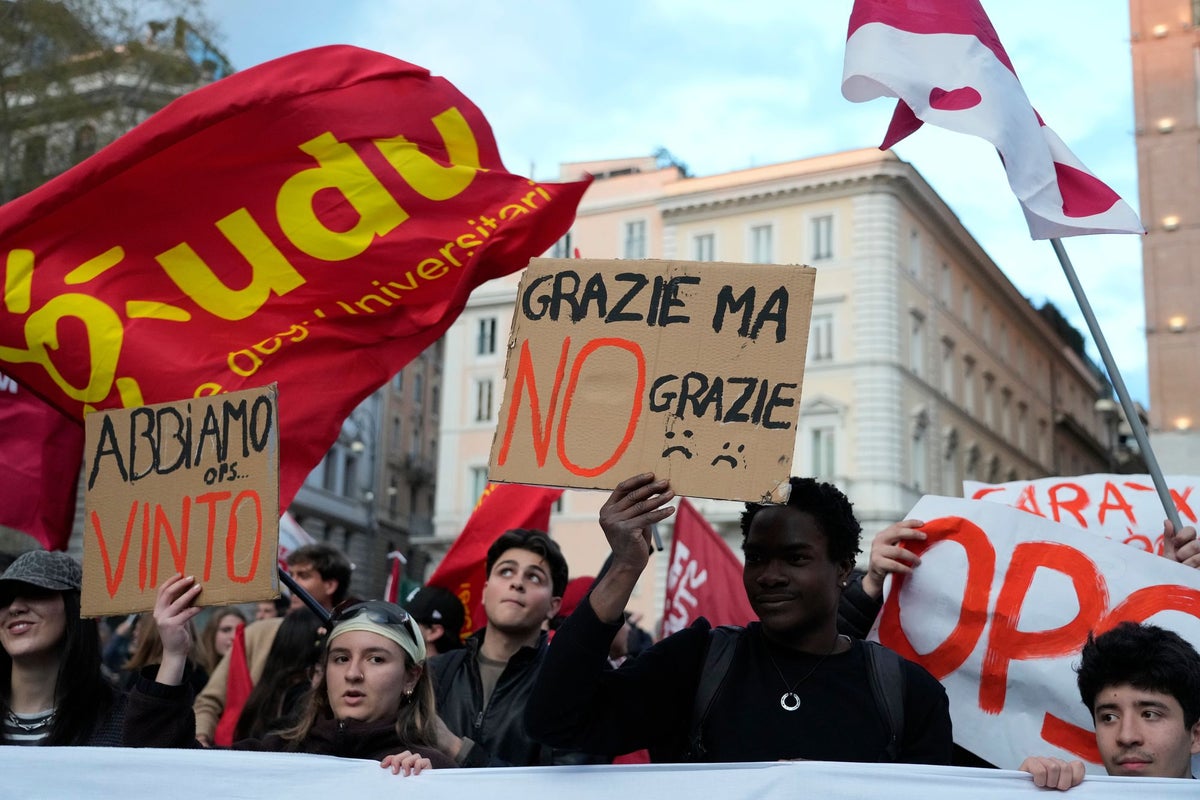
Giorgia Meloni faced a crucial political challenge. Italians dealt her a stinging defeat. On Monday, March 23, opponents of the judicial reform proposed by the government of this far-right leader, who has roots in the neo-fascist movement, won a clear victory in a constitutional referendum that proved decisive for the remainder of a legislative term that has so far been marked by exceptional stability. The "no" camp secured 53.7% of the vote amid an unprecedented voter turnout of nearly 60%, nine points higher than the last similar vote held in 2020.
The majority's strategy of relentlessly stigmatizing the judiciary, presenting the reform as a way to end the influence of so-called "red judges" on Italian democracy, failed to deliver a victory. In response, the "no" camp defended a republican culture they saw as threatened by Meloni's increasingly illiberal exercise of power.
The international context, fraught with threats, also worked against the prime minister, calling into question the stance of a leader who, in the face of opposition even within her own party, initially chose to align herself with the Trump administration. Finally, just days before the vote, media revelations about both personal and business ties between Andrea Delmastro Delle Vedove, undersecretary for justice, and members of the Calabrian mafia, further undermined the "yes" campaign.