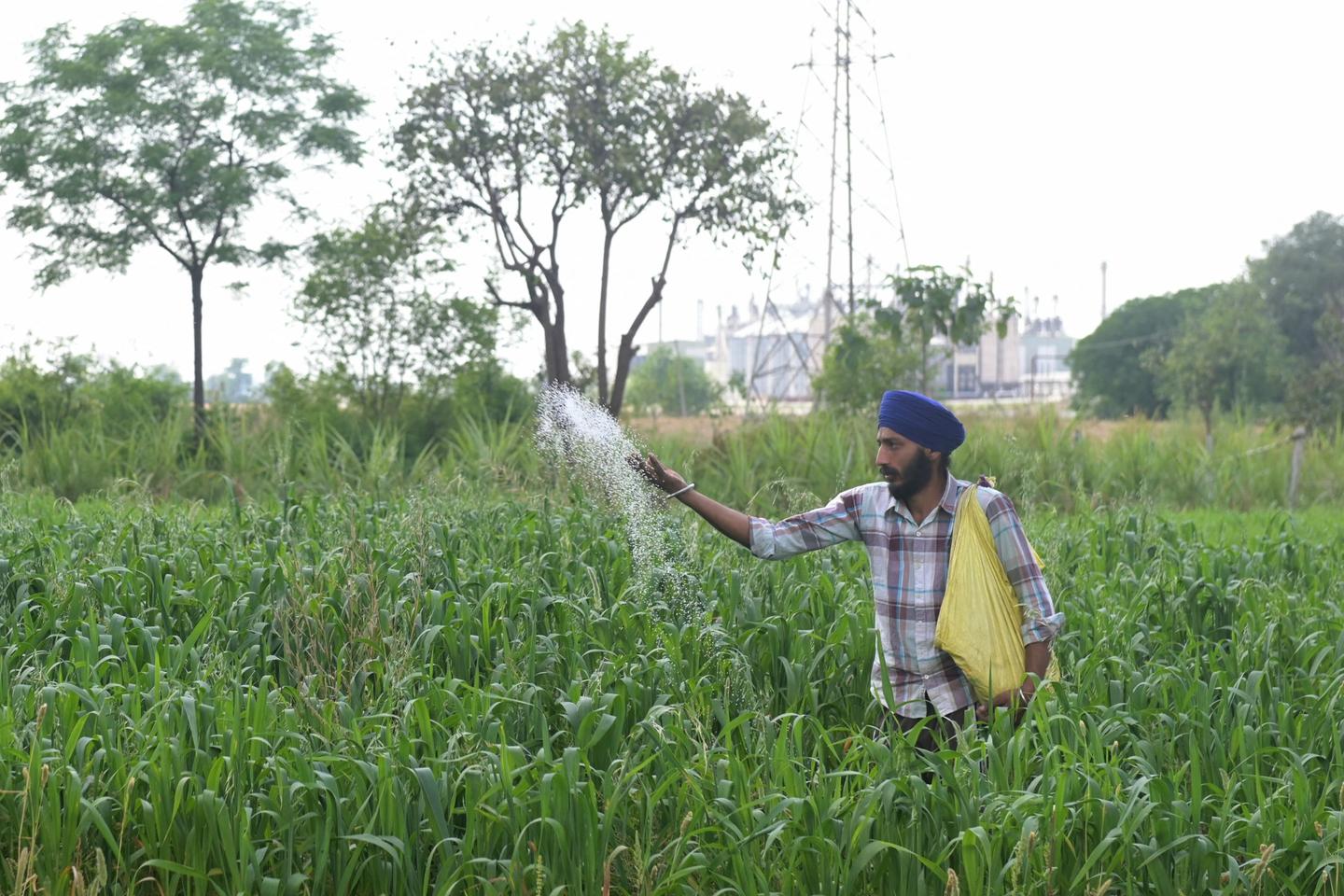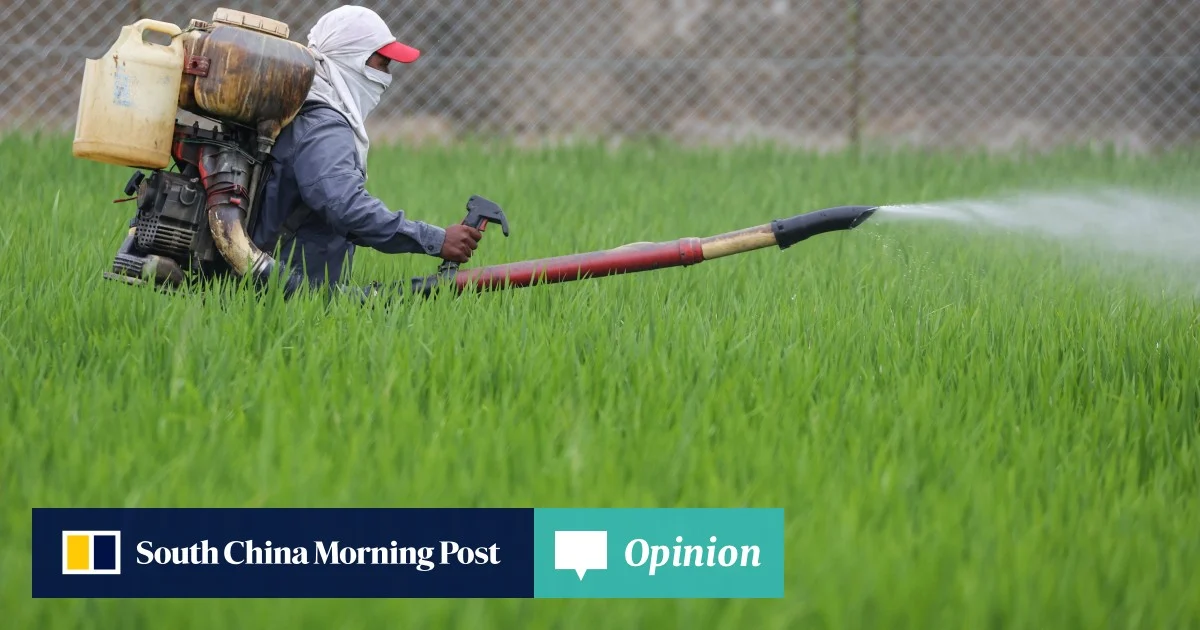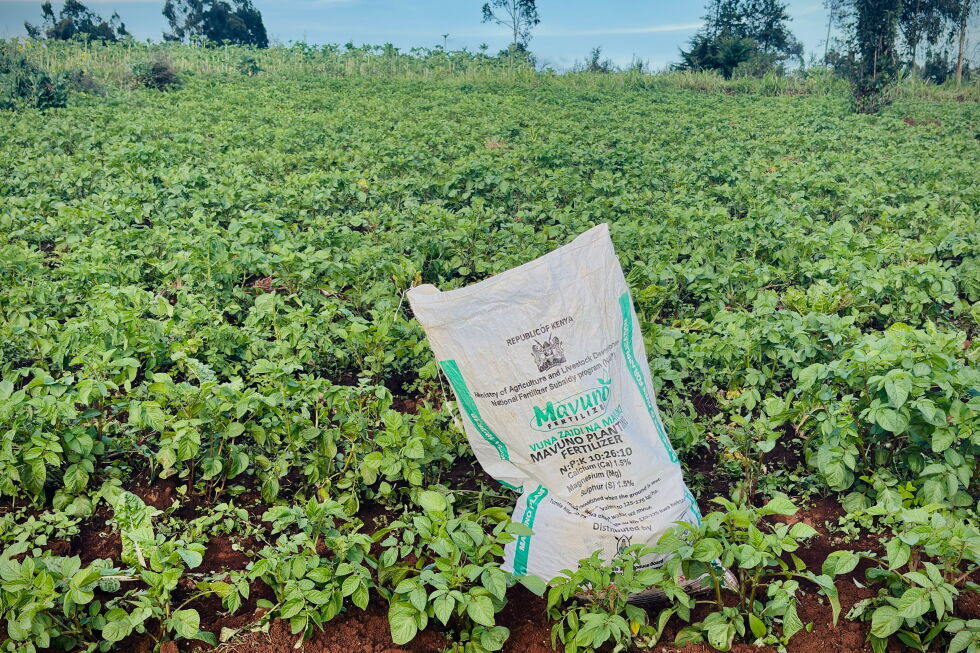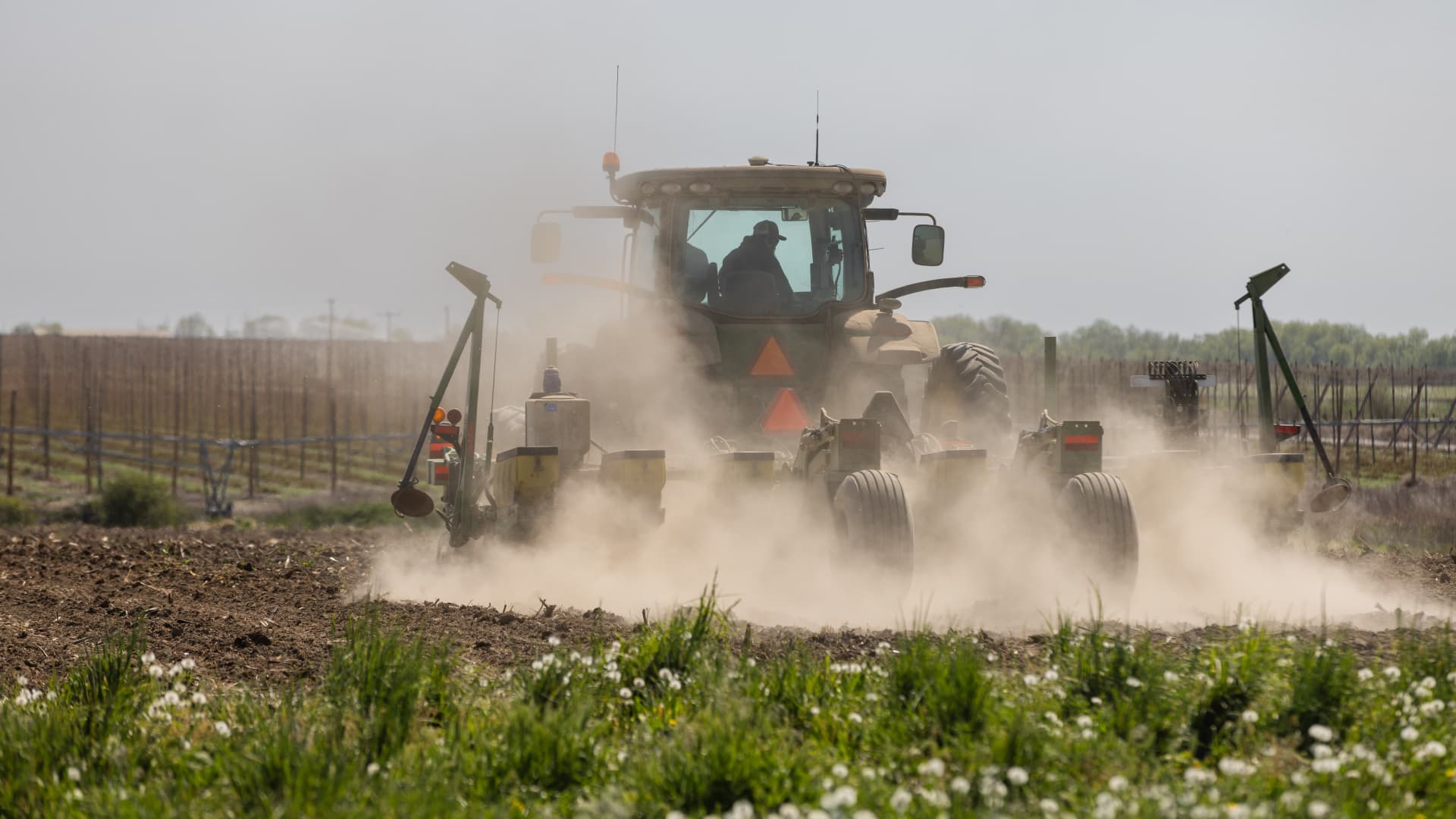
Farmers in the northern hemisphere are heading into the crucial spring months, during which major fieldwork must begin. Their peers in the south, meanwhile, are busy harvesting crops before the winter sets in.
However, their work now takes place as the Iran war creates serious supply constraints for essential fertilizer products — fueling massive price spikes and warnings of looming food insecurity.
Around one-third of the global seaborne fertilizer trade passes through the Strait of Hormuz, according to the UN.
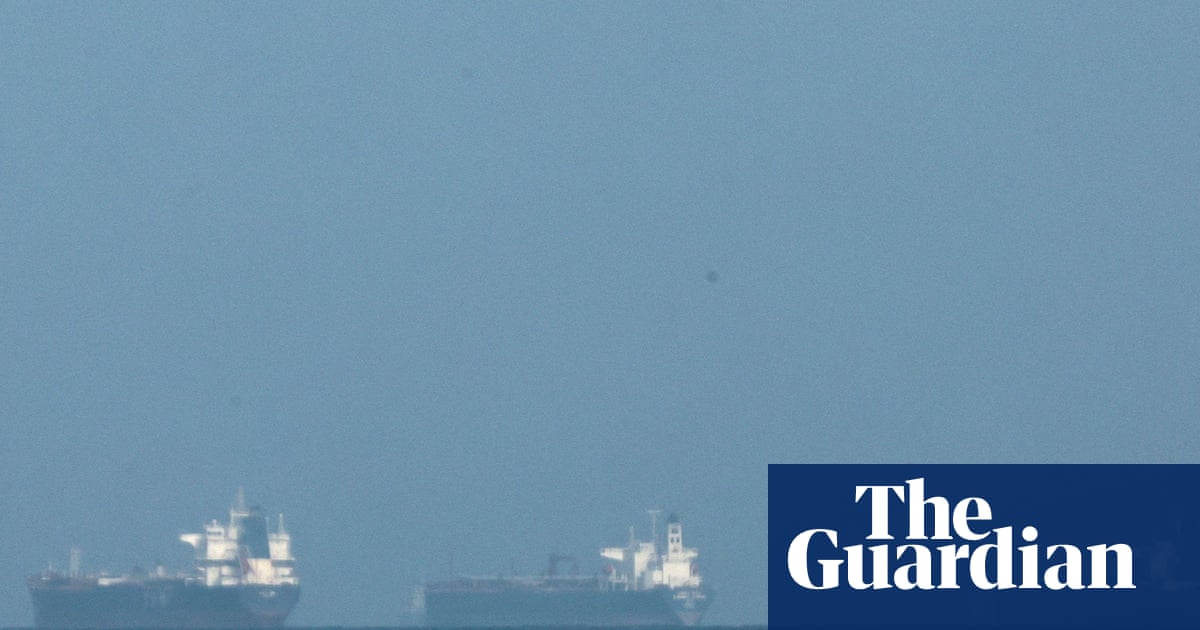
The waterway, a critical shipping route that runs along Iran’s southern border, has been severely disrupted since the start of the war, with traffic effectively coming to a halt and several ships being hit by projectiles in or near the waterway.
Since the U.S. and Israel launched strikes on Iran on Feb. 28, the price of fertilizer — much of which is produced in the Middle East — has skyrocketed.