The great Italian entertainer’s plays, such as Accidental Death of an Anarchist, have not lost their power to make audiences roar with laughter while confronting injustice
I
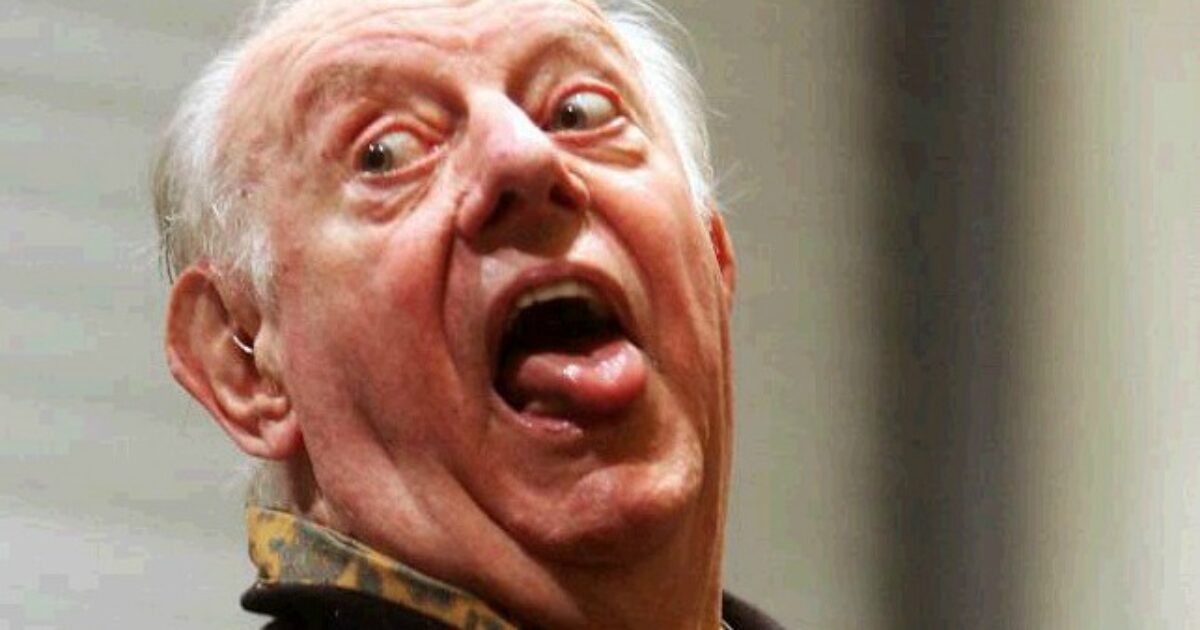
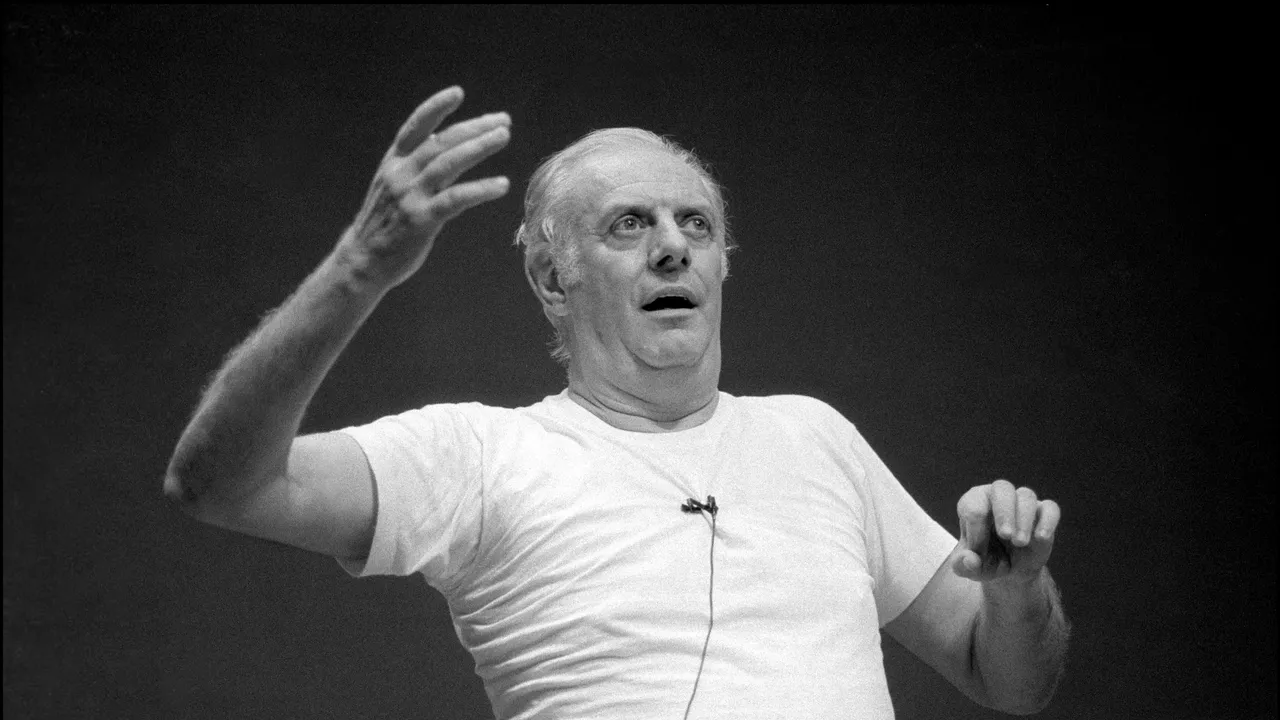
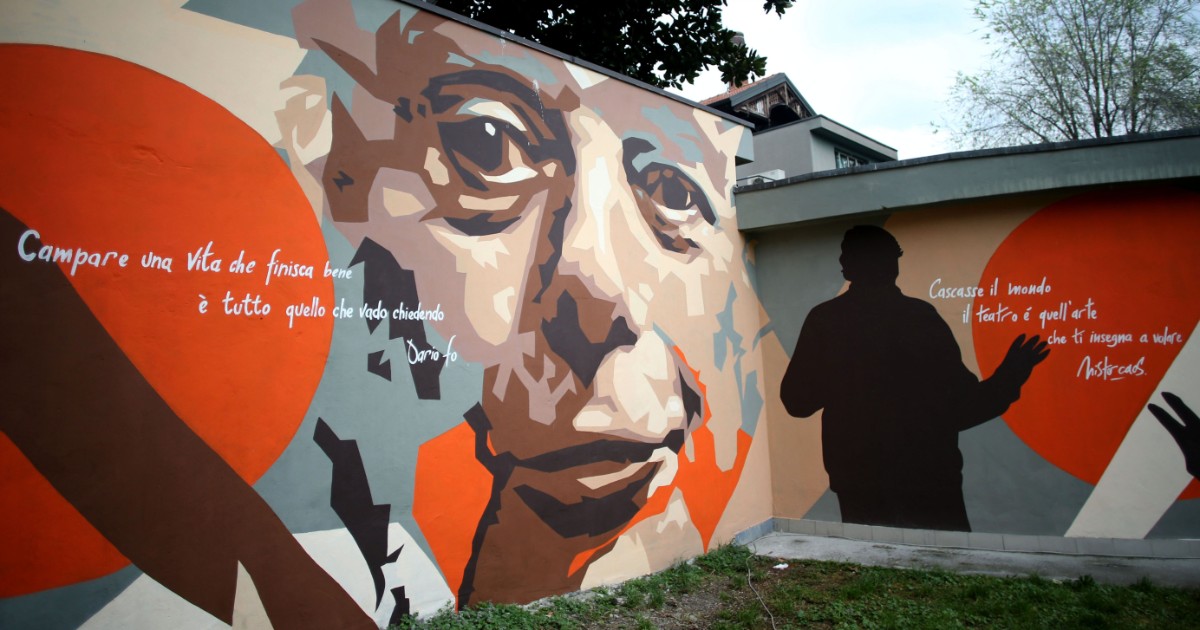
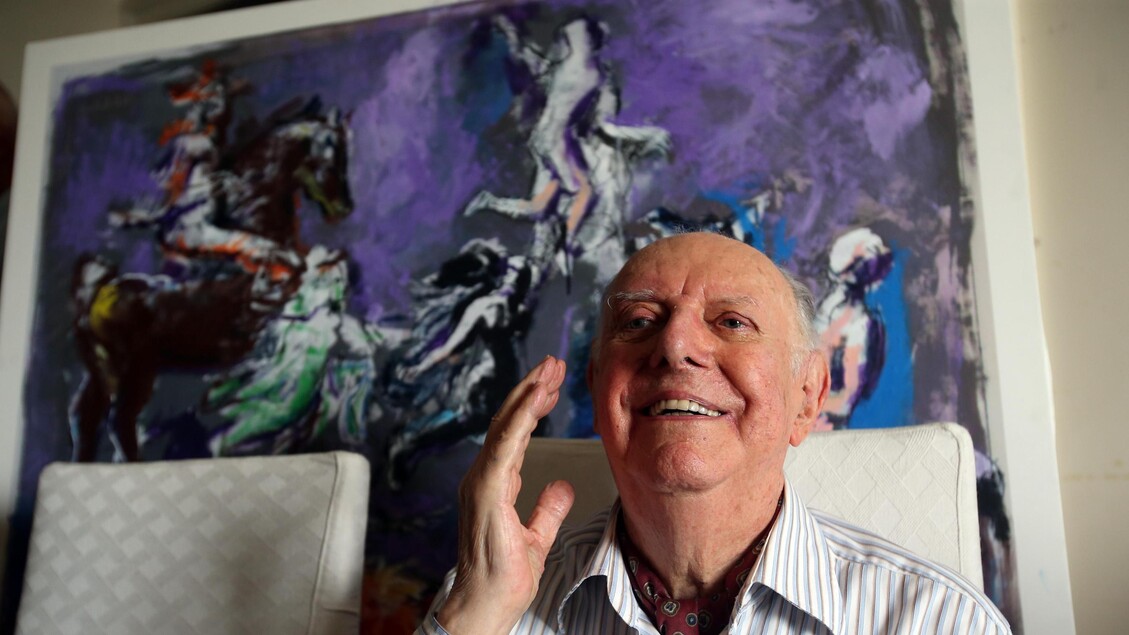
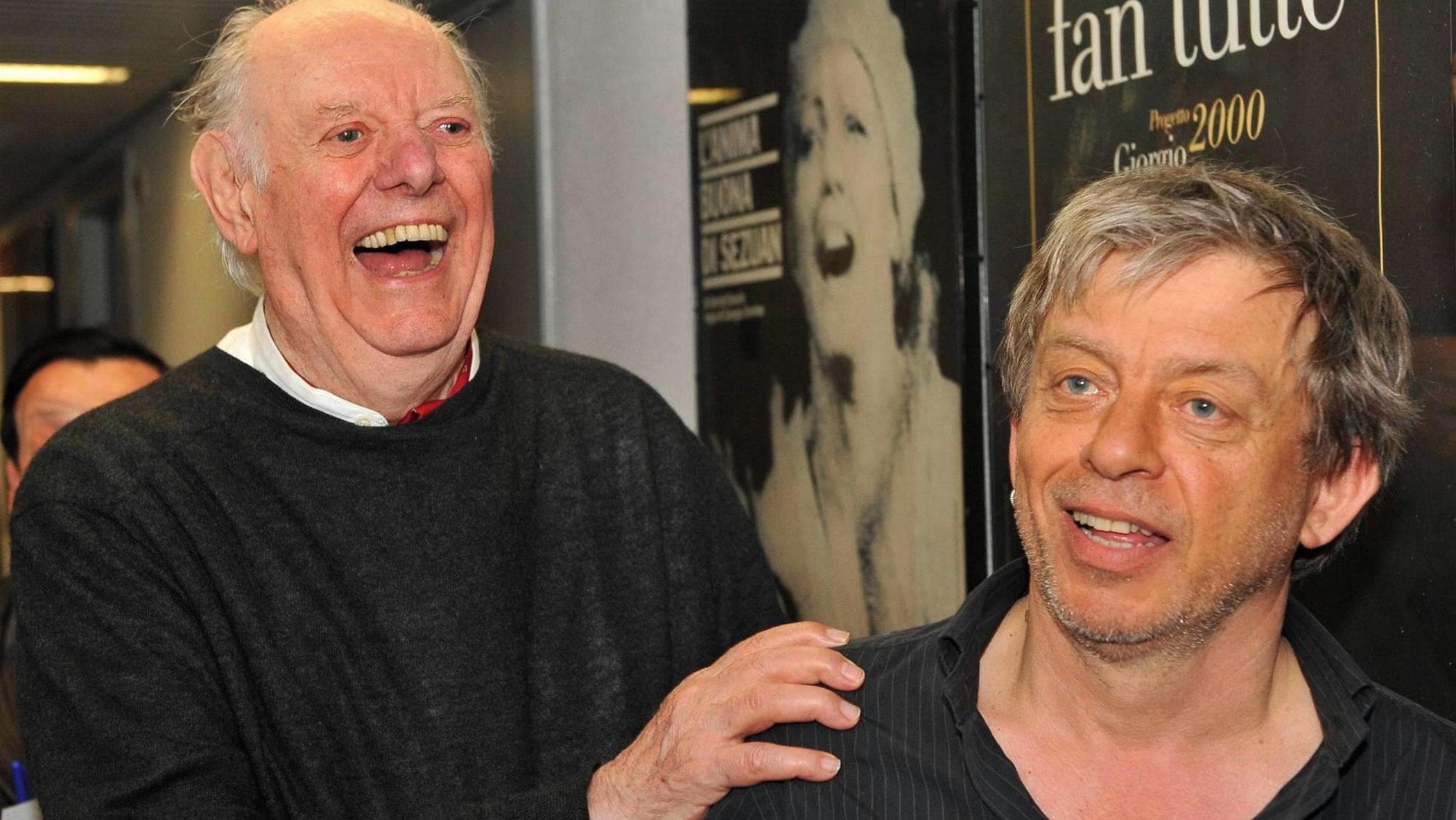
n Britain we tend to separate political and popular theatre. The genius of Dario Fo, who was born 100 years ago on Tuesday, is that he brought them together in his multiple roles as dramatist, actor, director and designer. Along with his wife, Franca Rame, he took satire to the people and in plays such as Accidental Death of an Anarchist and Can’t Pay? Won’t Pay! he achieved a global reach that justly earned him the Nobel prize for literature in 1997.
You could say that protest and performance were in his genes. His father was a stationmaster and part-time actor whom he joined in wartime resistance to the Nazis in northern Italy, helping to smuggle Allied soldiers across the border to Switzerland. He became famous, however, in 1962 when he and his wife fronted a weekly TV variety show that attracted huge audiences: an engagement that was abruptly ended when they refused to accept censors’ cuts.
Eventually they formed their own theatre company, Nuova Scena, which in 1969 gave the first performance of Mistero Buffo, Fo’s much-travelled one-man show. Inspired by medieval texts, it satirised the ceremony, hierarchy and mysticism of the Catholic church. In one sketch, Christ was seen kicking pope Boniface VIII up the backside for his decadence and corruption, and when Fo performed Mistero Buffo on the box it was condemned by the Vatican as “the most blasphemous show in the history of television”.