F
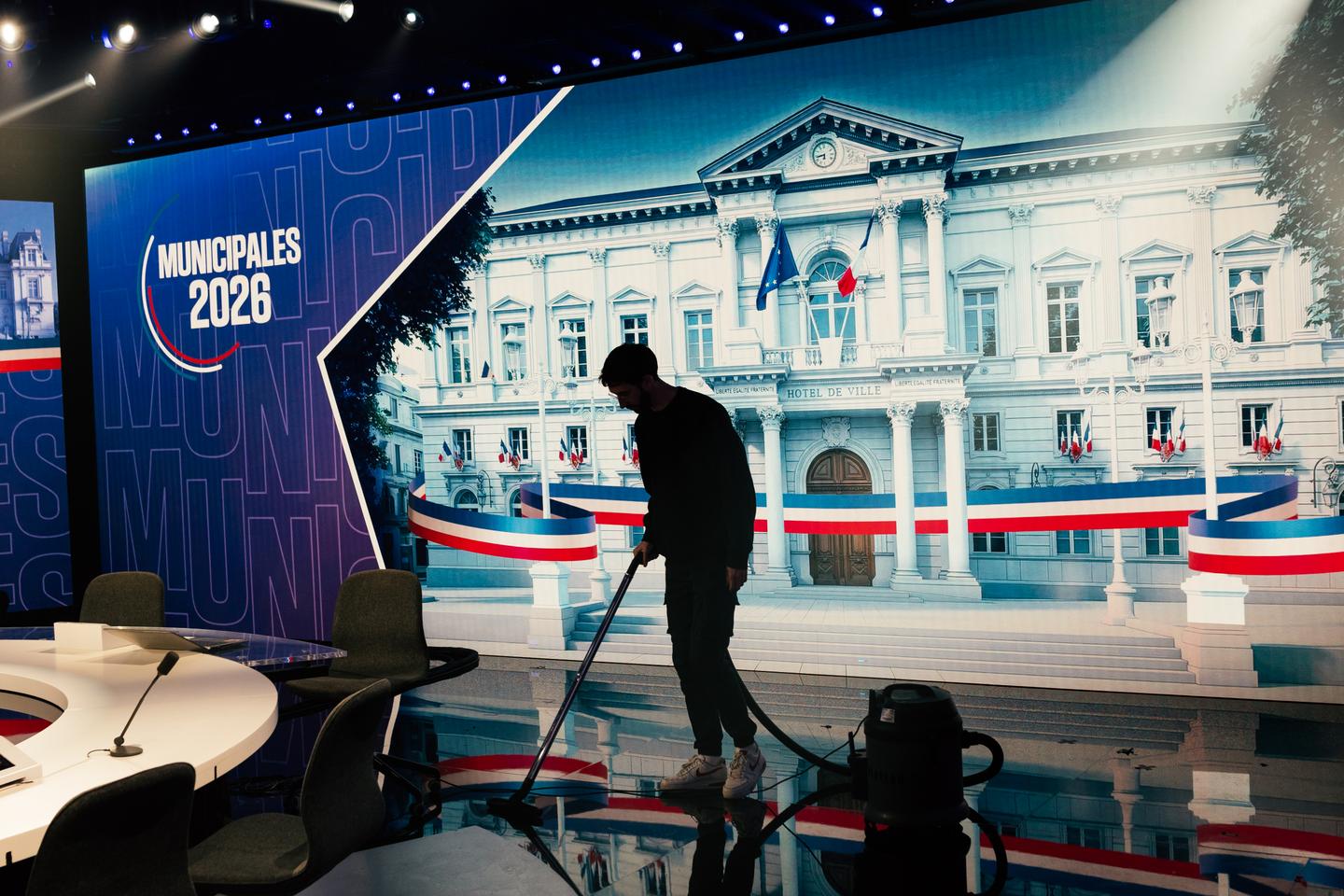
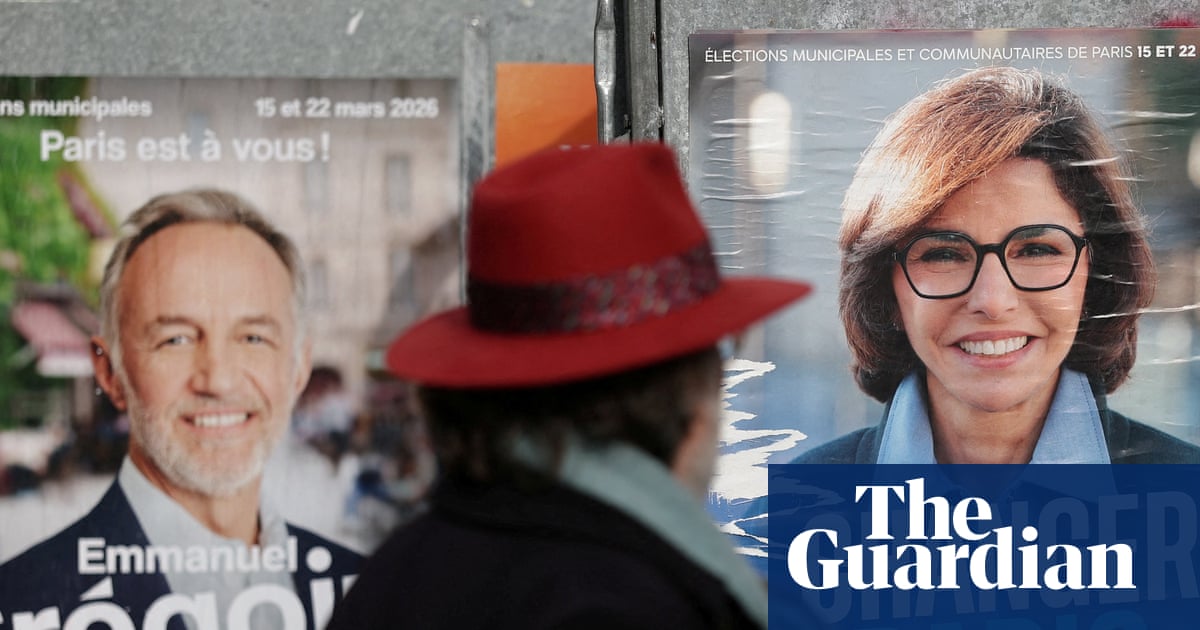
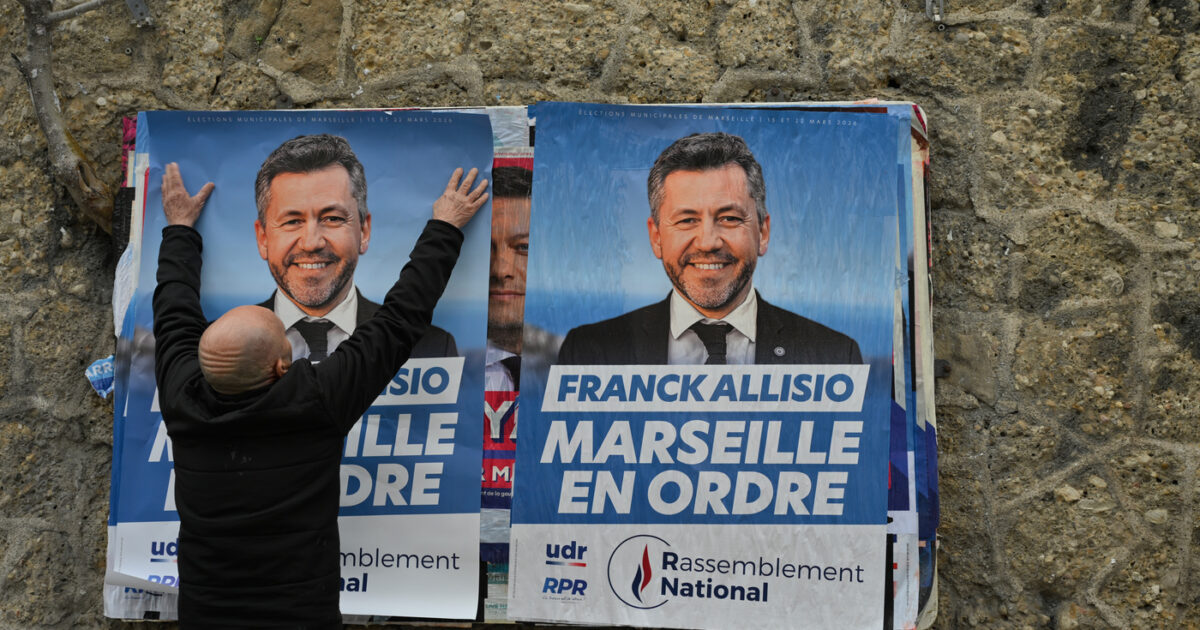
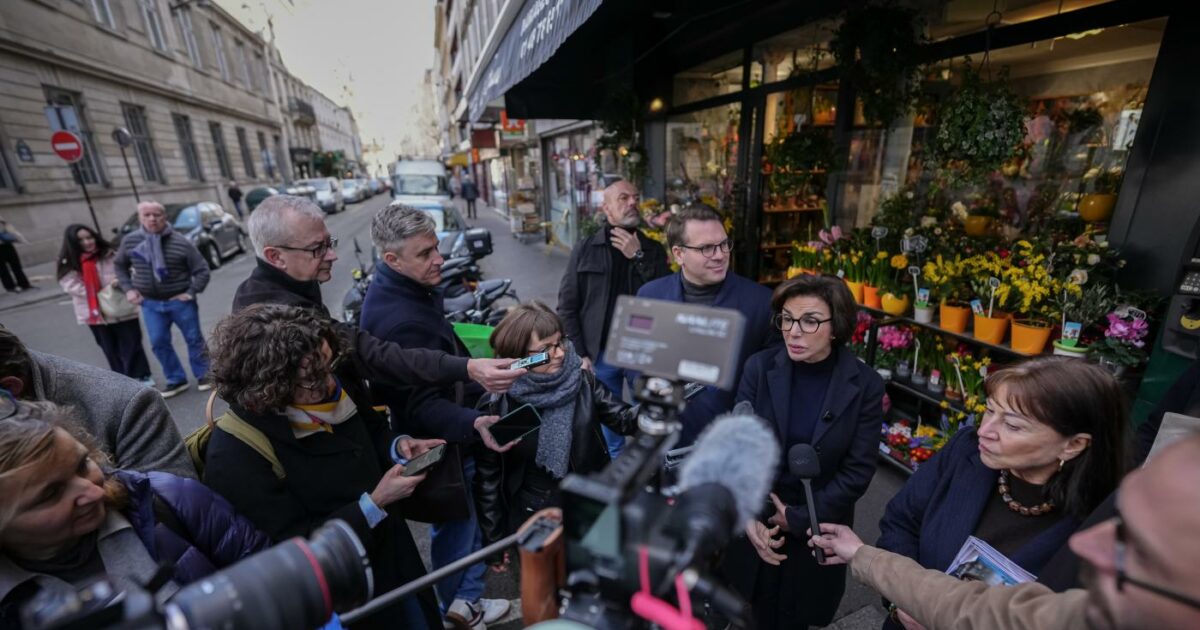
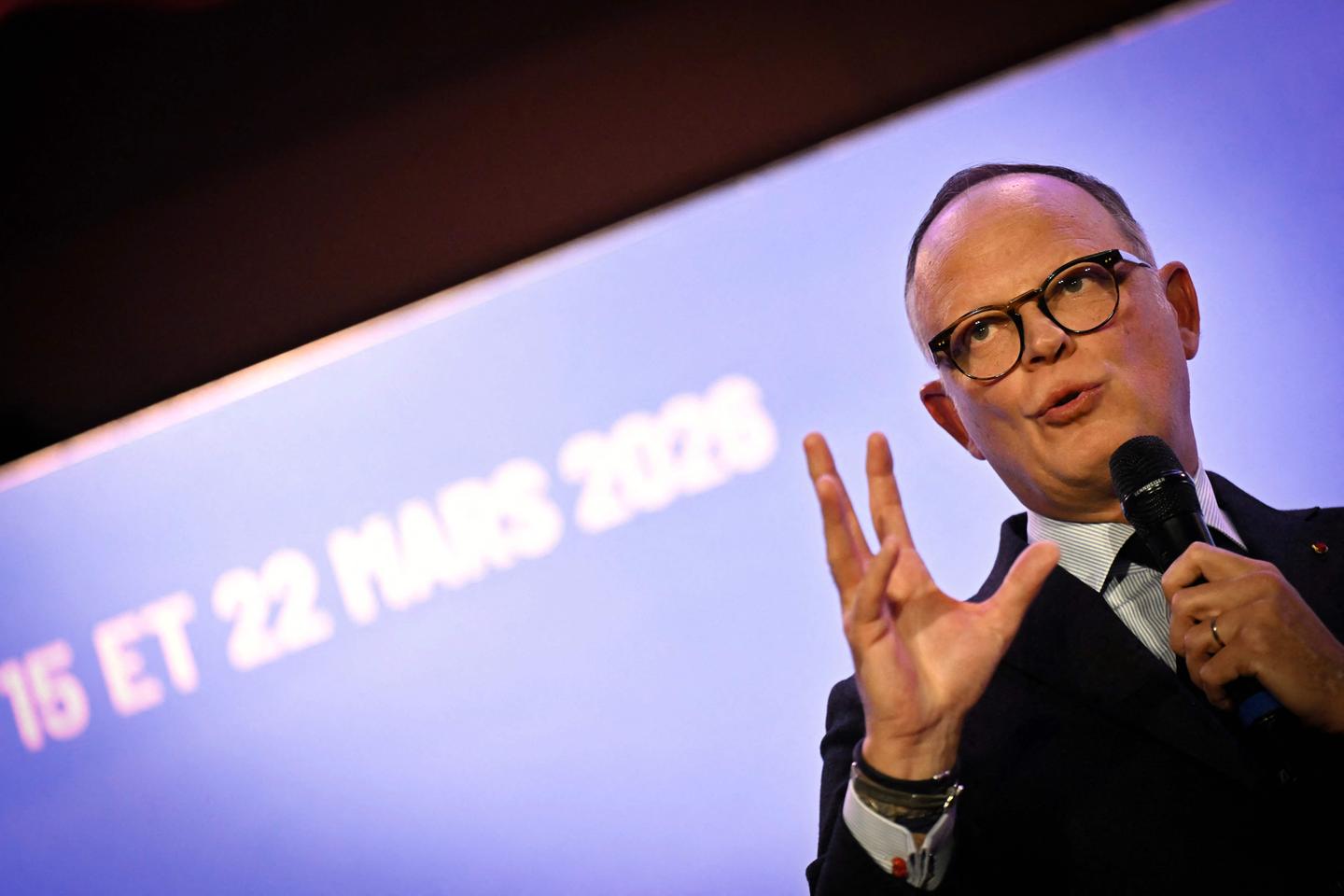
or all those aspiring to run in the 2027 French presidential election, there is a clear divide between before and after the municipal vote on March 15 and 22, when 49.3 million voters are called to the polls. The most emblematic case is that of former prime minister Edouard Philippe, who has made his candidacy for the highest office in the land contingent on his ability to be re-elected the mayor of Le Havre for a third consecutive term. Other contenders have been careful not to take such risks or have stayed away from the race altogether. Nevertheless, they will be closely watching the results to adjust their strategies and launch a variety of initiatives in the spring – books, tours across France, policy proposals – in hopes of increasing their national profile.
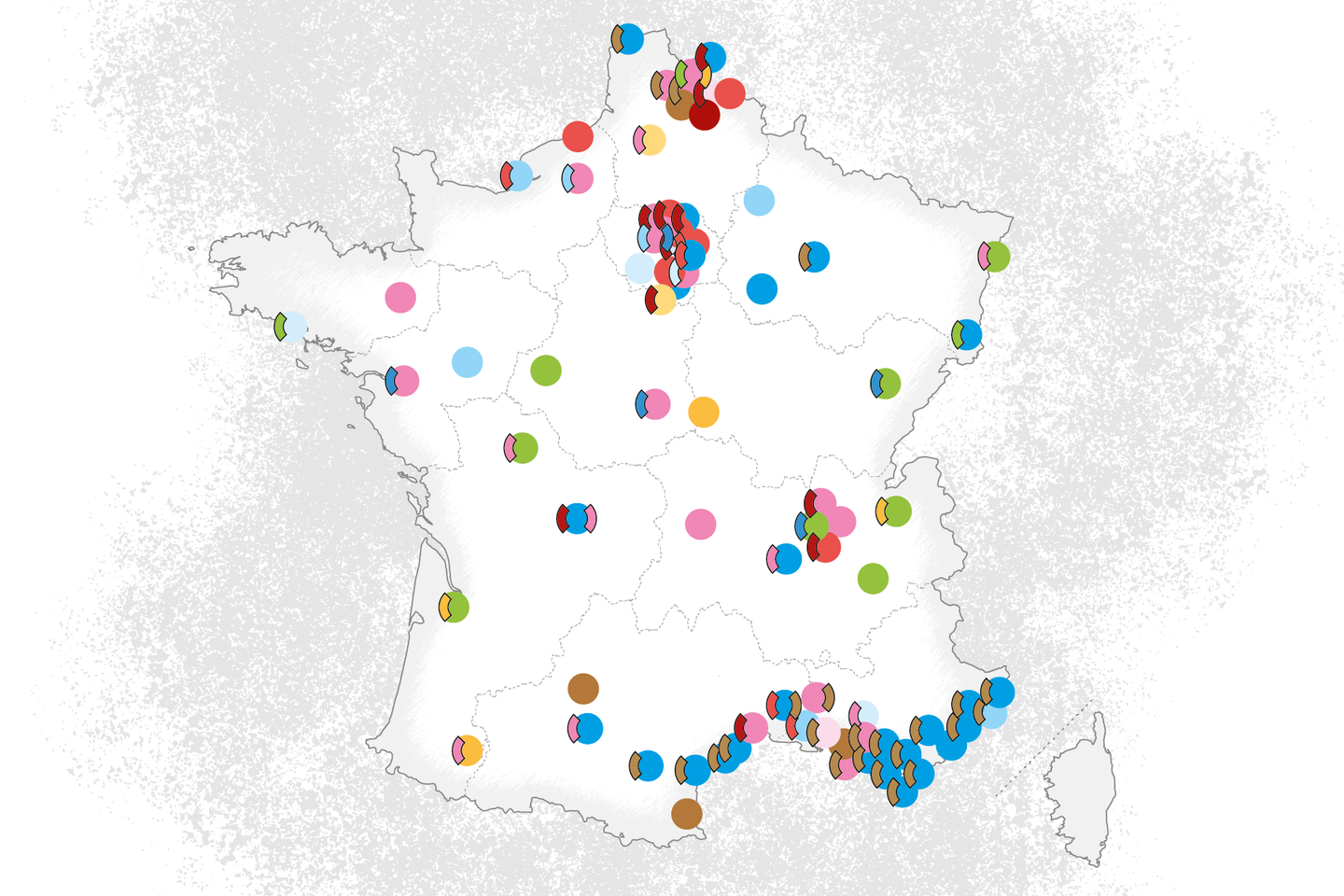
The tendency to treat a local election as a national test may seem surprising given the observations of political scientists. Over the last three decades, "an impressive gap has emerged between national France and local France," writes Pascal Perrineau, a university professor affiliated with CEVIPOF, in a research note published by the organization in early March. While the national political landscape has become fragmented by the rise of the far-right Rassemblement National (RN), the radical left La France Insoumise (LFI) and the emergence in 2016 of Macronism, which claims to represent a "centrist position that is both left and right," traditional forces have fared much better at the local level.