O
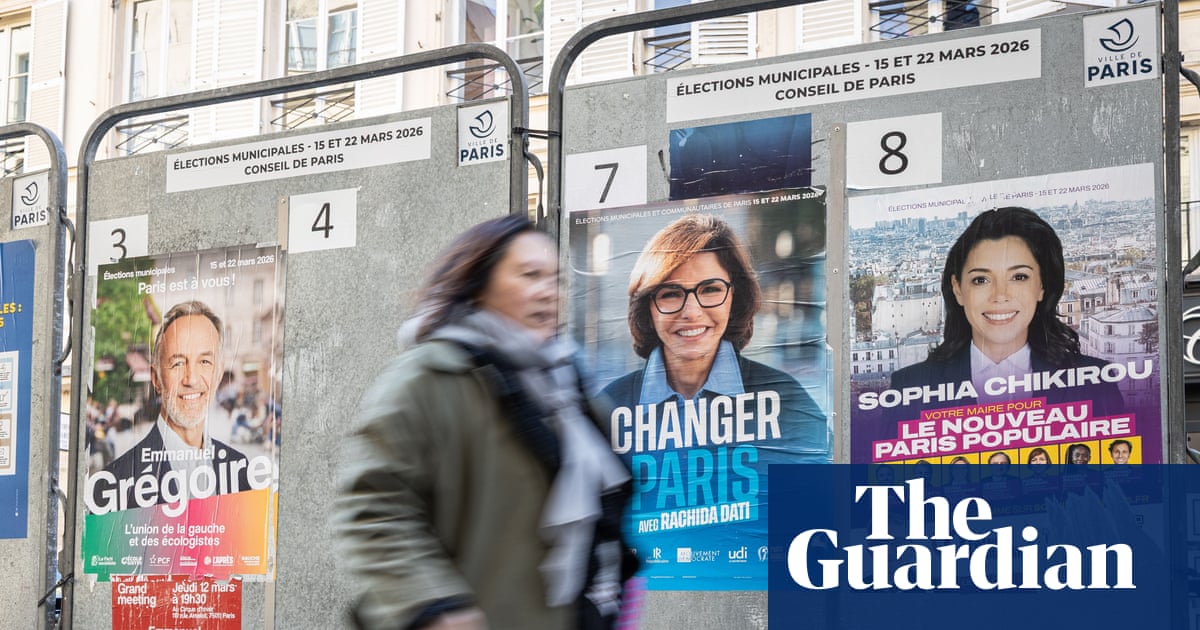
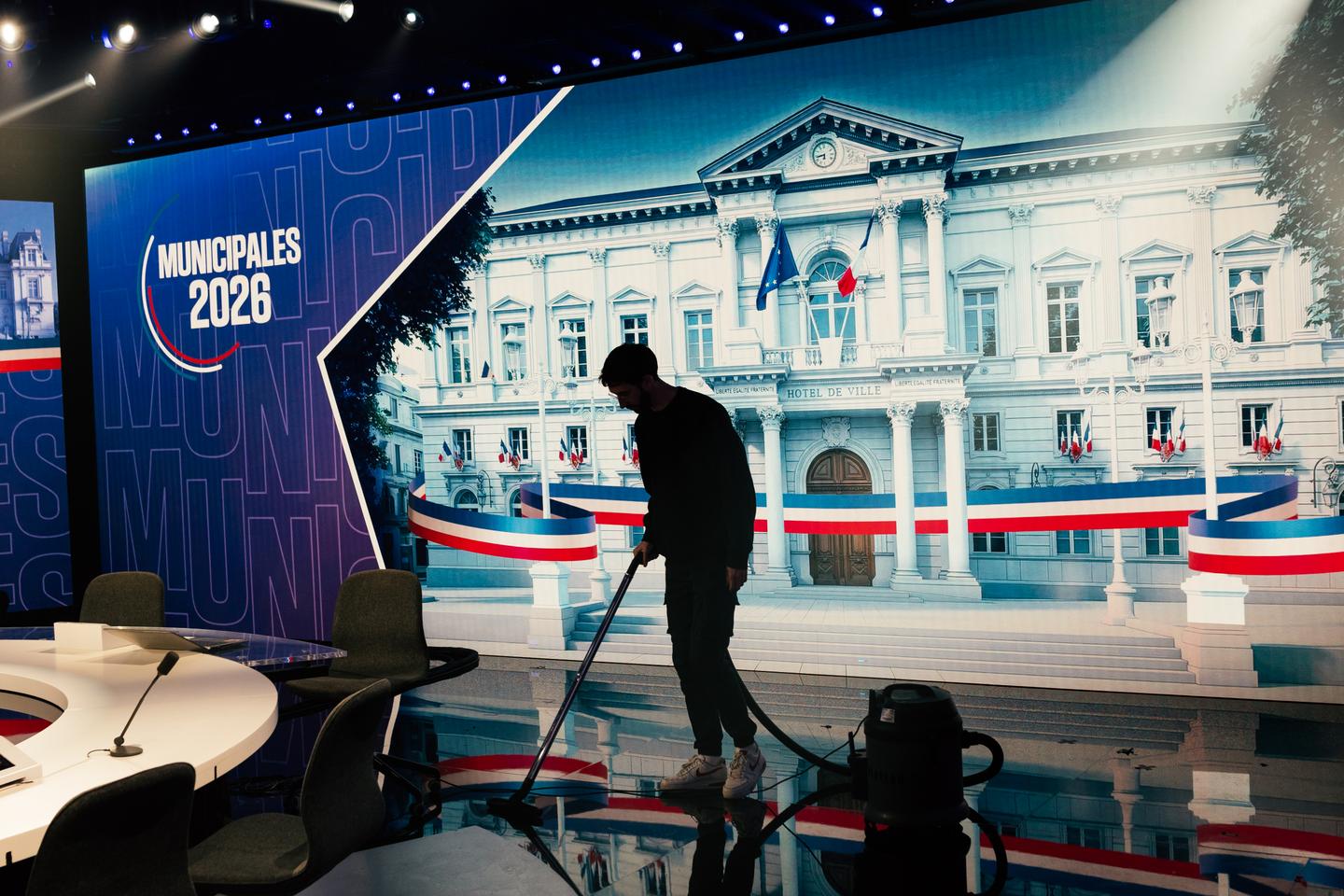
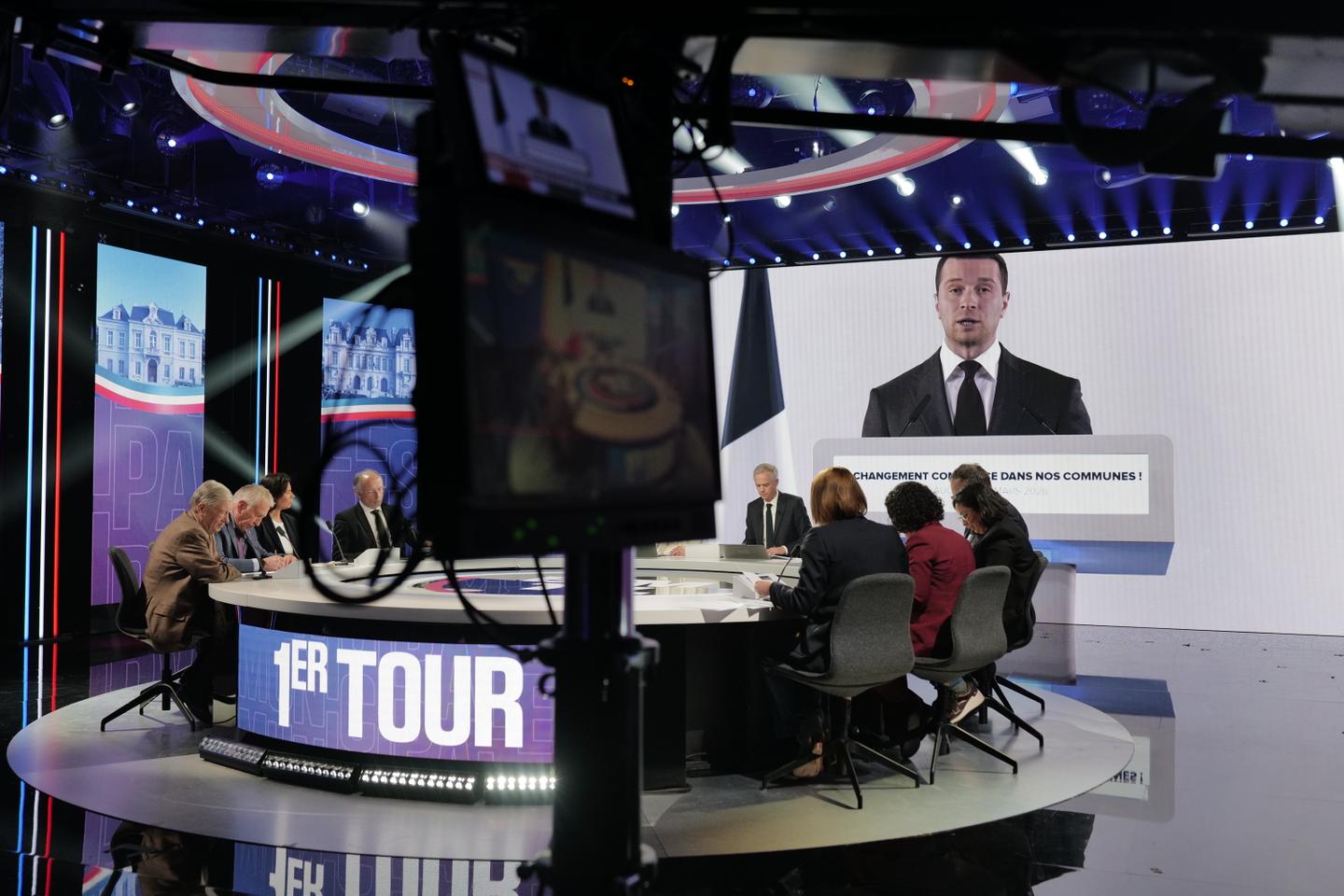
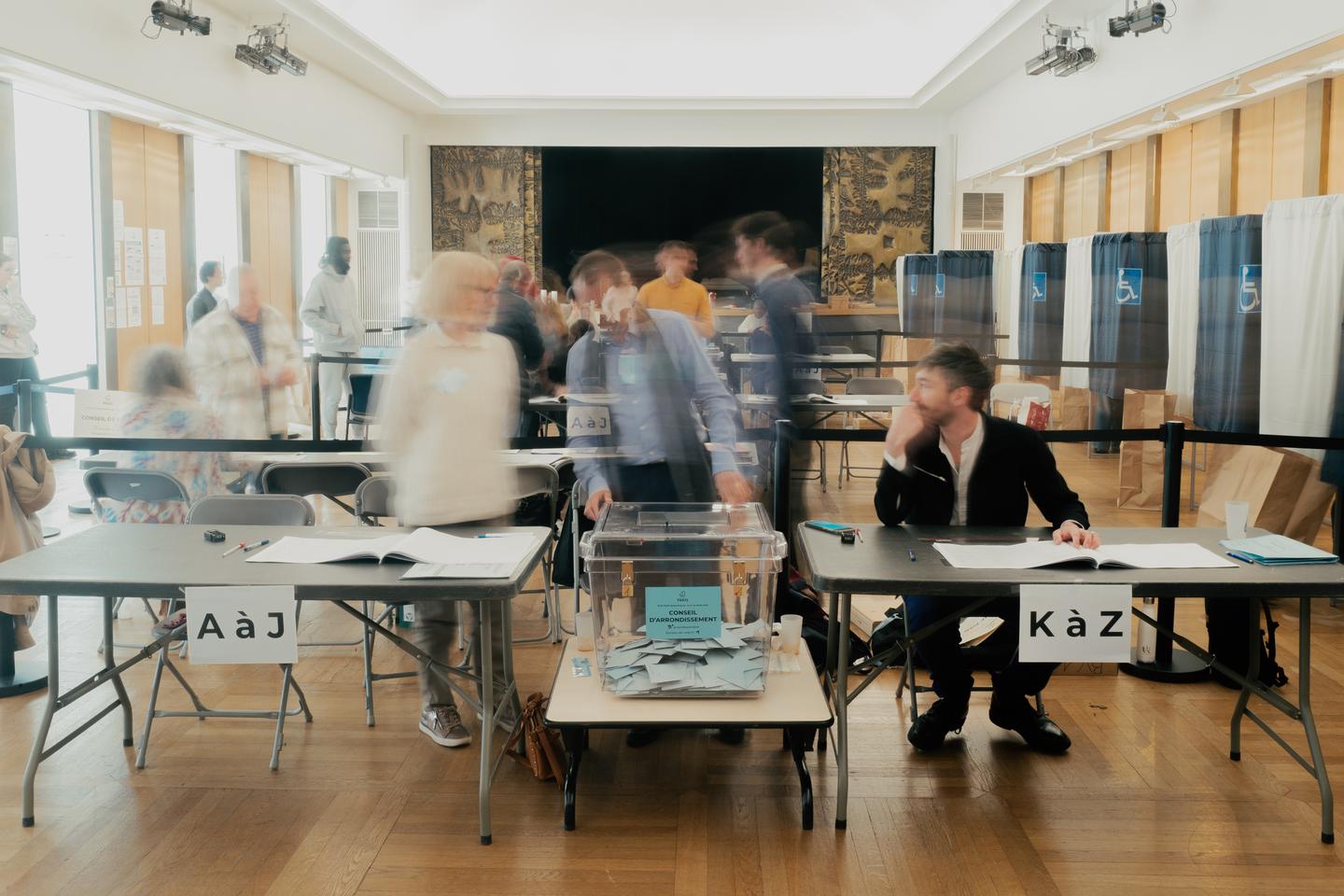
n Sunday, March 22, citizens in 1,521 towns and cities are being called to decide between candidates in the second round of municipal elections: A contest marked by deep uncertainty, especially in major cities such as Paris, Marseille, Nantes, Toulouse, Lyon, Bordeaux and Strasbourg. With just over a year until the presidential election, the final results of this local vote will offer valuable insight into the mood of the French electorate. Despite a well-run first round, the final week of campaigning, marked by behind-the-scenes maneuvering and heated exchanges, has laid bare the rising tension among politicians as the far-right Rassemblement National (RN) becomes increasingly normalized at the ballot box and radical-left La France Insoumise (LFI) continues to gain ground in cities.
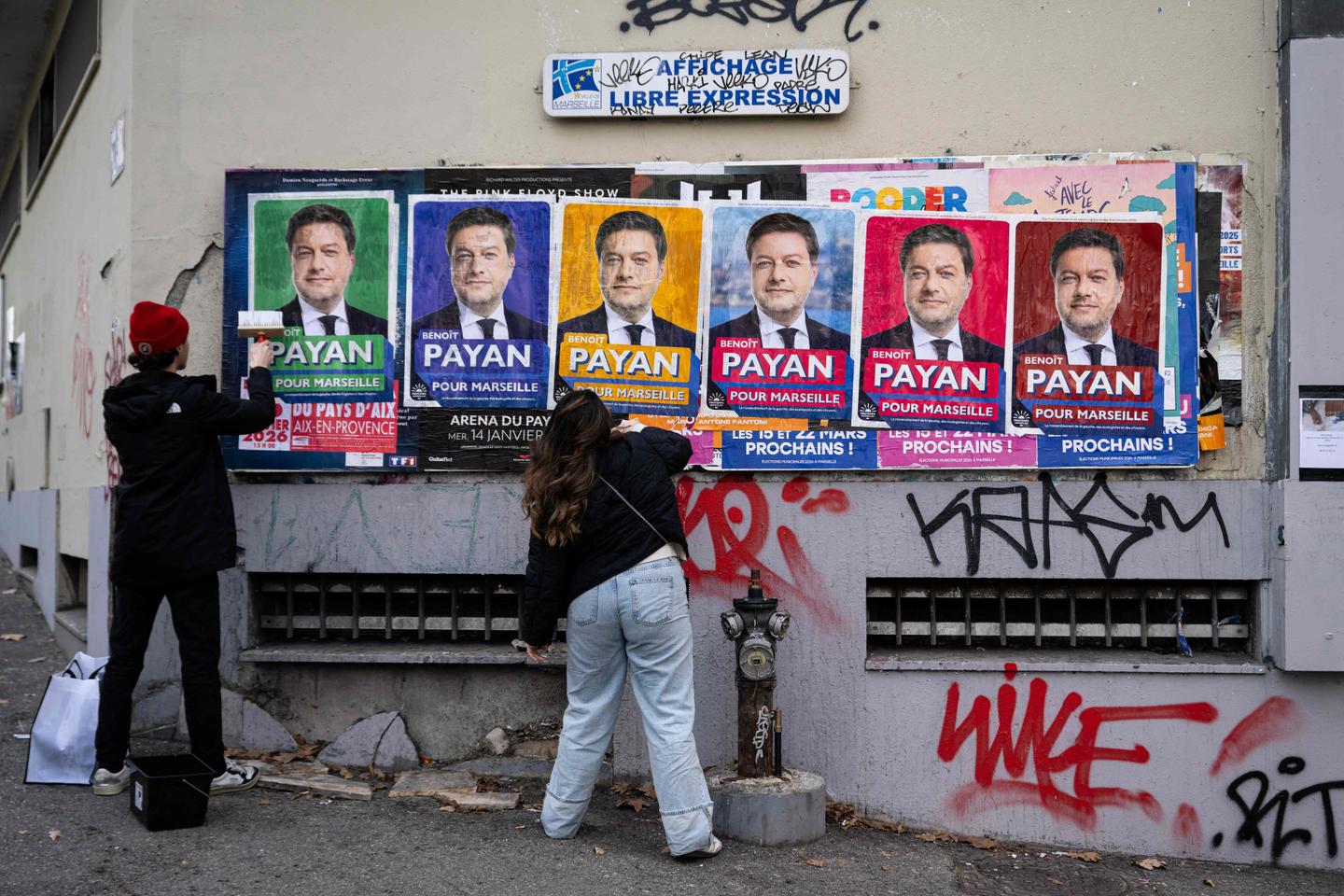
The disappearance of the republican dam against the far right is a defining feature of this period between election rounds. The lowest-polling candidate lists rarely withdraw anymore to block a far-right candidate from winning. Before the deadline for submitting lists, party leaders issued no official instructions, the media scarcely broached the subject, and most candidates chose to remain in the race – even at the risk of handing victory to RN-backed contenders. In Marseille, where the far right secured 35% of votes in the first round, Sébastien Delogu (LFI) withdrew, but in Nice, Juliette Chesnel-Le Roux, the candidate of the left-wing alliance, stayed in the race.