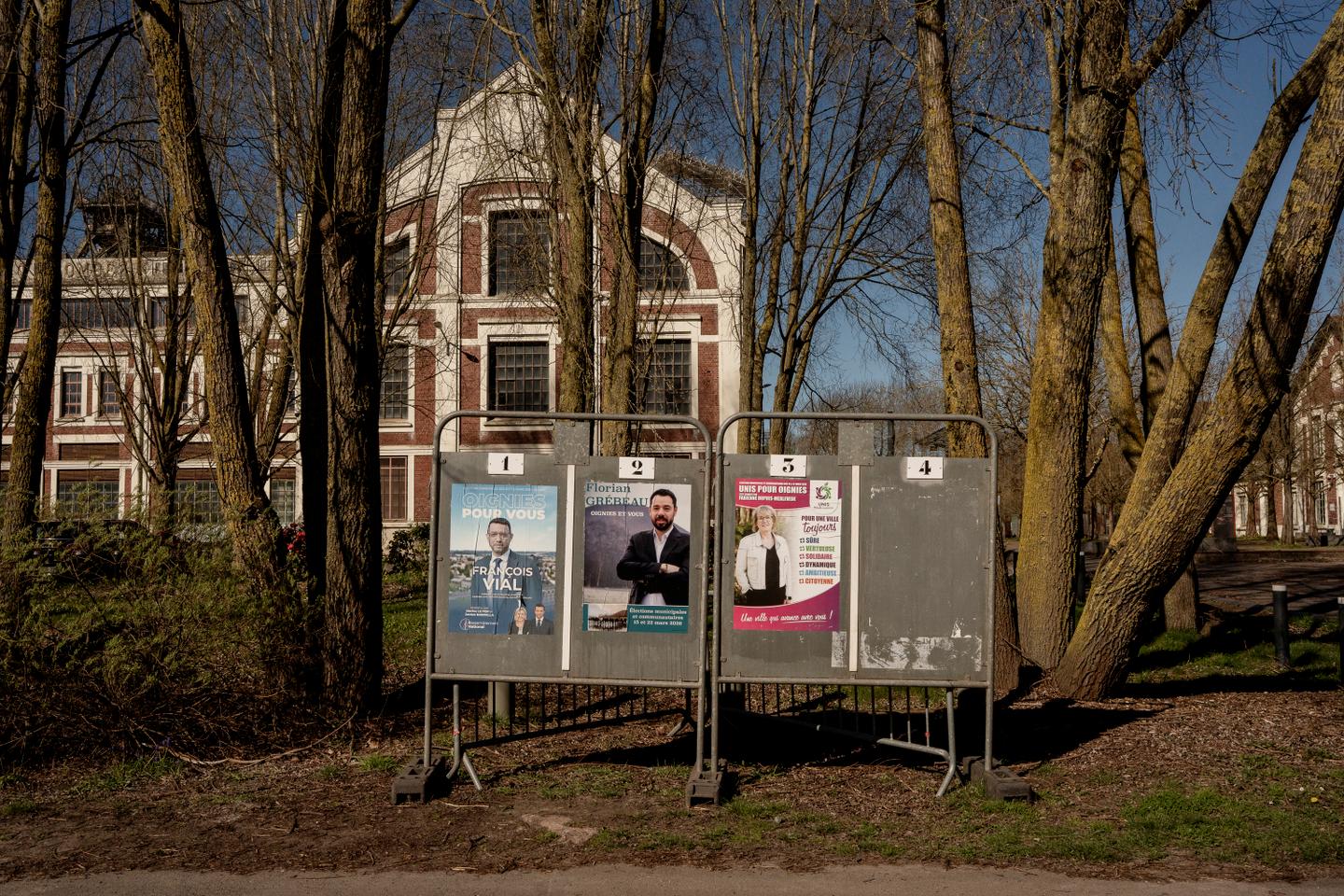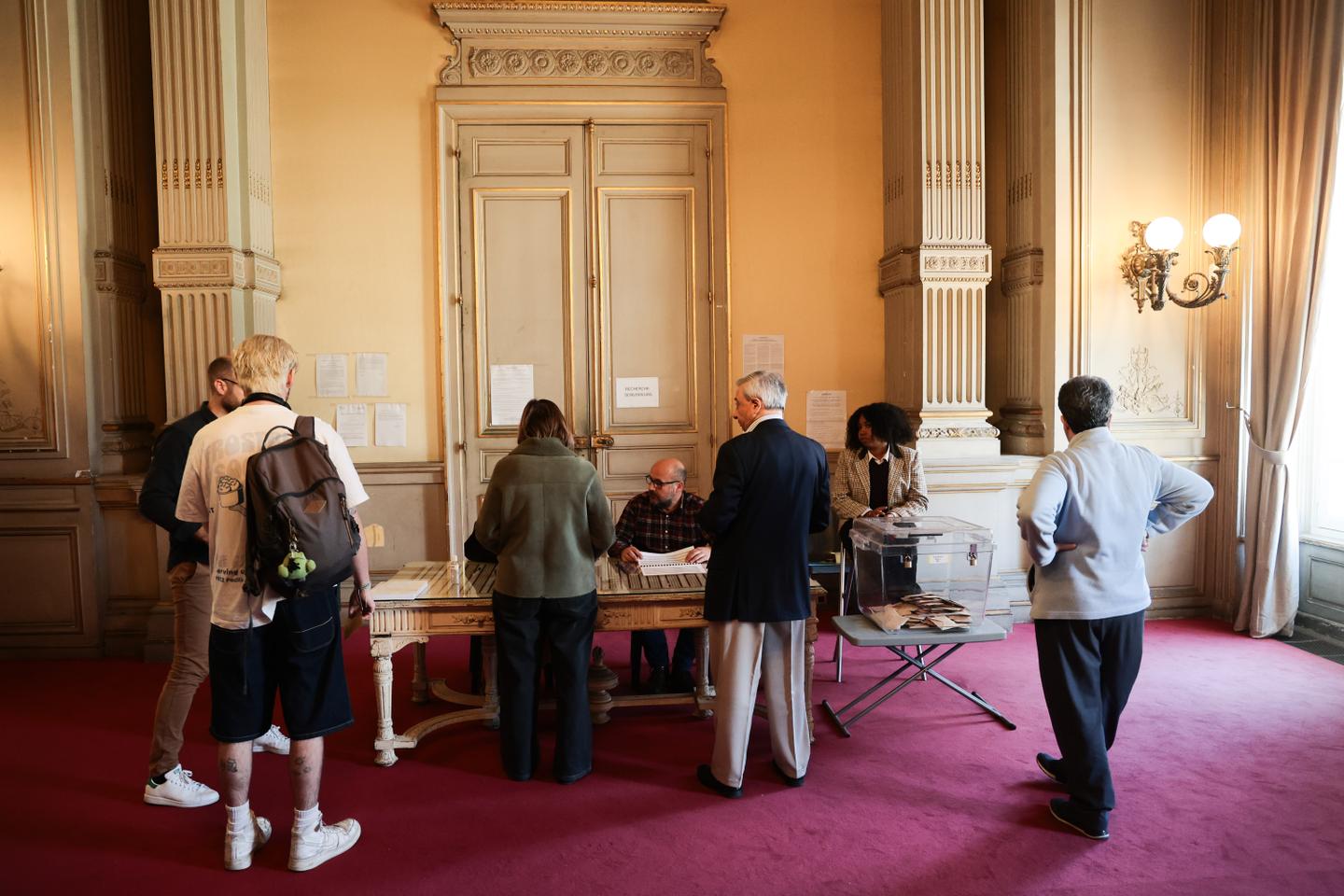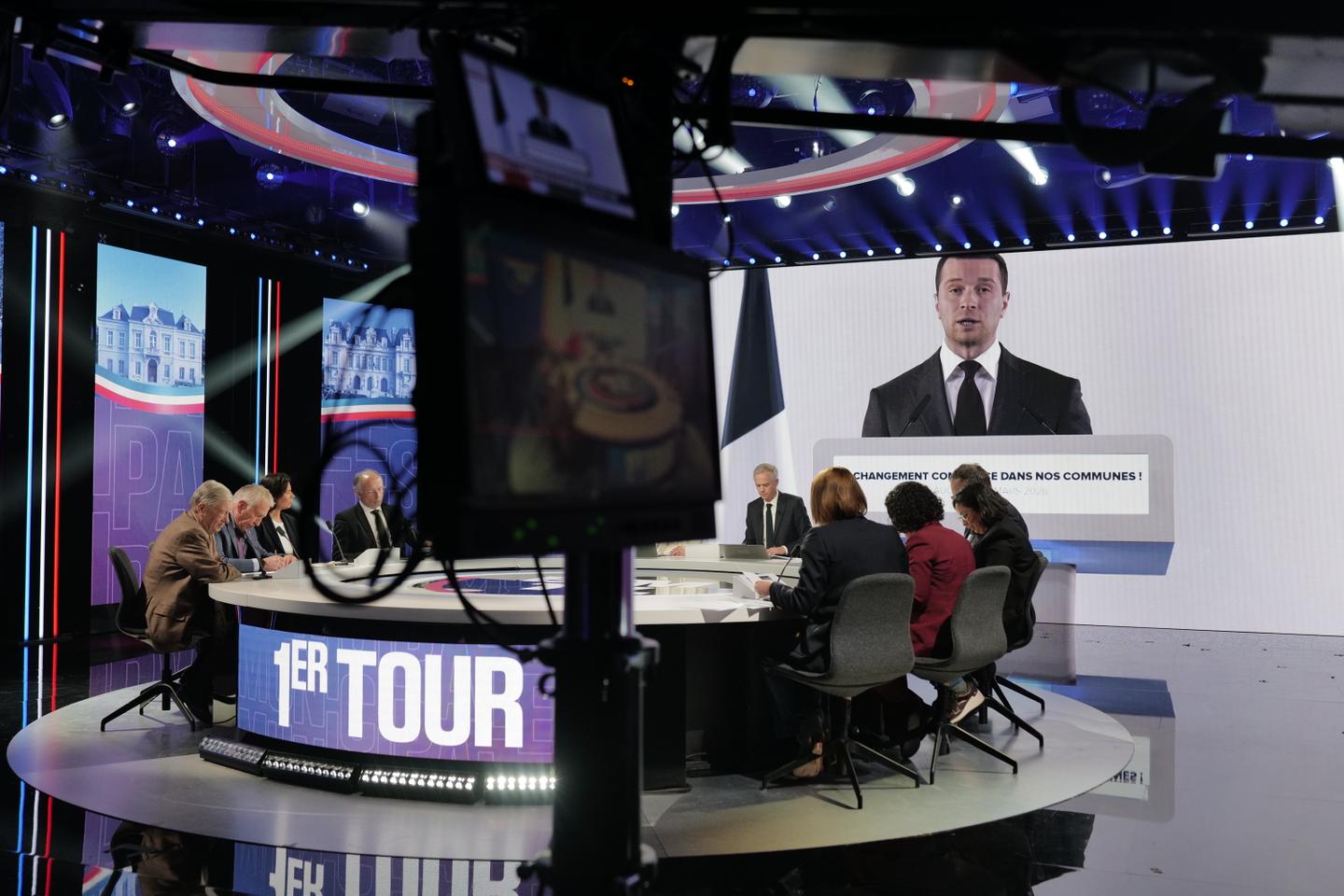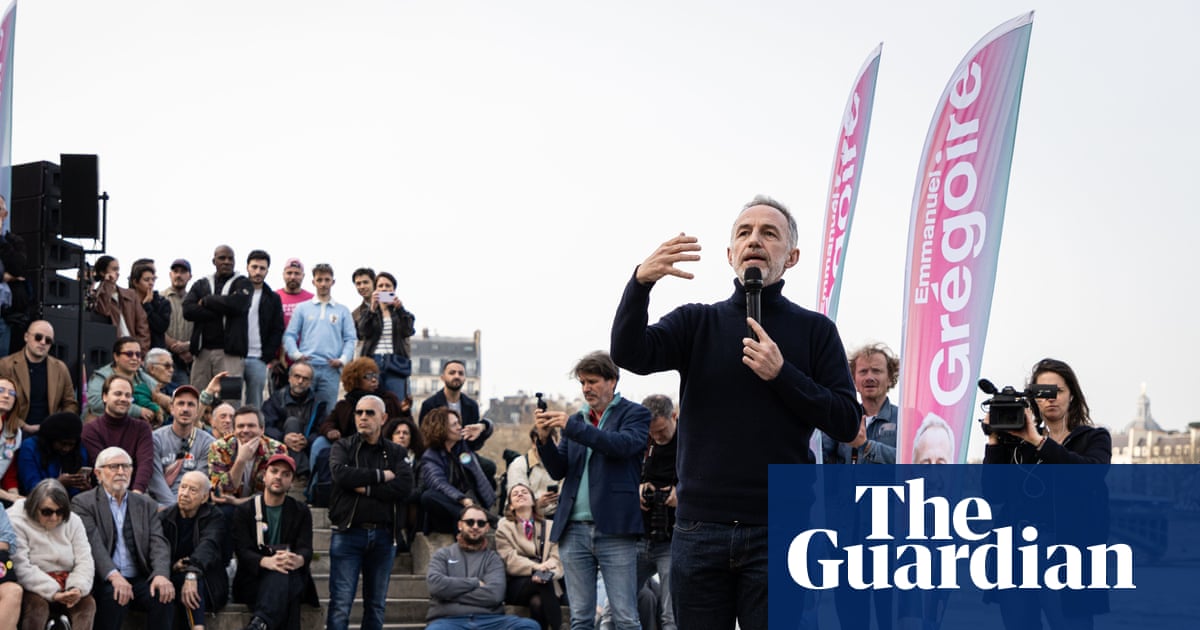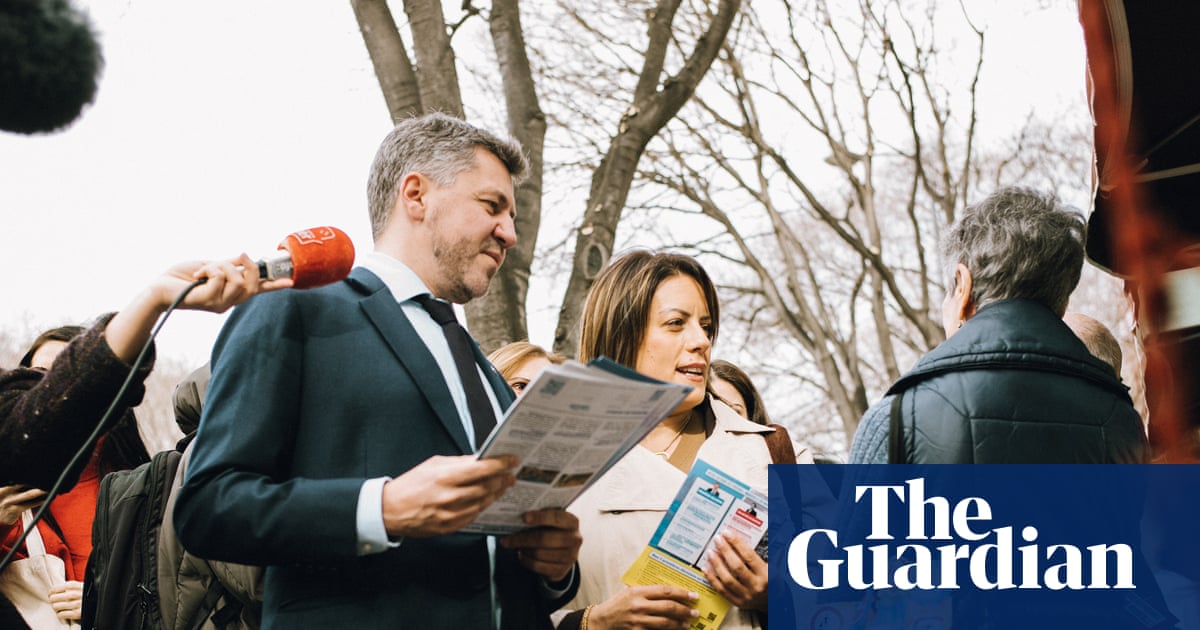
The municipal campaign is coming to a close in France's 34,875 cities and towns. While sometimes overshadowed by national and international events, no other election can claim to engage as many citizens, with almost 900,000 candidates running for seats on municipal councils. This local democratic moment, more or less removed from partisan considerations depending on the area, is unfolding against a unique national backdrop.
While mayors remain trusted figures for the French, the political tide has shifted over the past six years. Environmental concerns persist but have slipped down the list of priorities. Whereas the Greens enjoyed strong approval in 2020, it is now the far-right Rassemblement National (RN) that, more than any other party, benefits from a favorable opinion. An electoral survey conducted by Ipsos BVA-CESI Ecole d'ingénieurs for Le Monde, Cevipof and the Fondation Jean Jaurès and based on a large sample of 10,927 registered voters allows for an in-depth analysis of the political landscape on the eve of the municipal elections on March 15 and 22, examining all its nuances, whether partisan, social, or geographical, with reduced margins of error.
Conducted online from February 27 to March 5 among a representative sample of the French population aged 18 and over, the survey shows that mayors are trusted and accessible figures, especially in smaller towns, where the mayor remains widely approachable. Partisan affiliation plays little role in the relationship with constituents, with only 8% of respondents saying that having a mayor who shares their political leanings is a criterion for trust. Far more important is the perception of honesty (64%) and keeping promises (52%). The smaller the town, the more consensual the mayor, but even in cities with over 100,000 inhabitants, six out of 10 respondents rated the outgoing municipal team's record as good or excellent and 48% wished to see the current majority renewed. This challenges the idea of a tide of change in the 2026 municipal elections.