A billionaire is funding a sustainable development project on the west African island that makes the local population stewards of its future
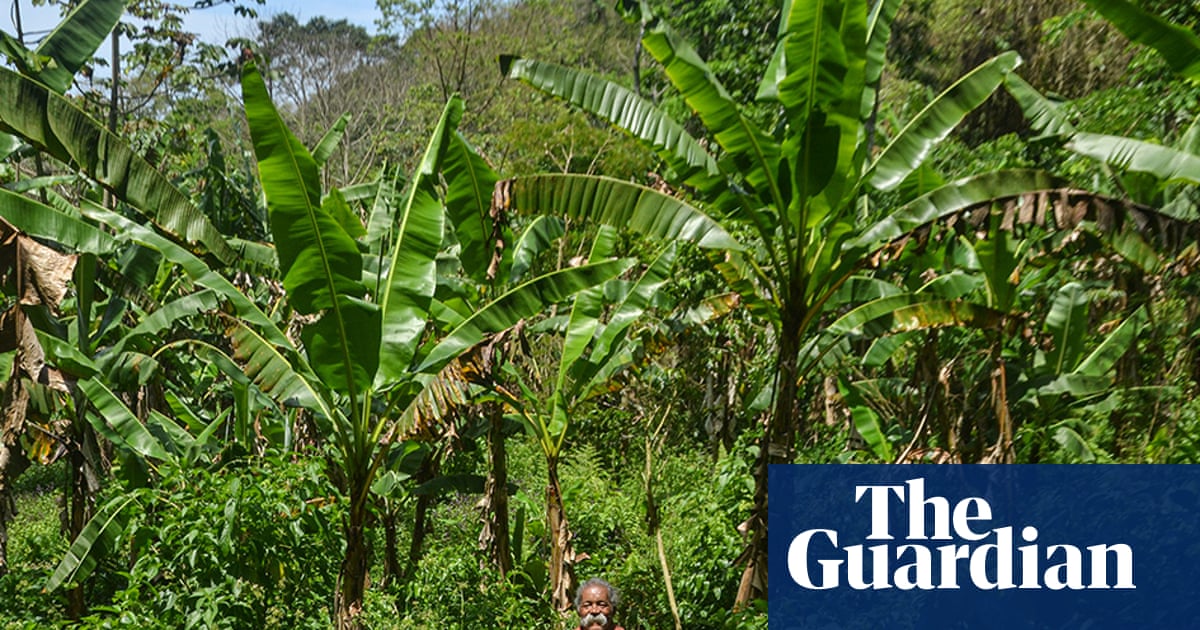
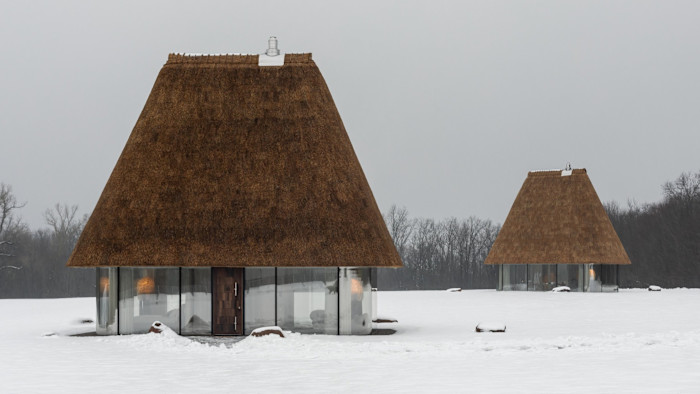
At the crumbling colonial farm buildings in Porto Real, agricultural worker Kimilson Lima, 43, has signed the agreement and he’s happy. “With this money we can have a proper floor in the house,” he said. “And an inside toilet.”
Lima is part of a ground-breaking experiment on the West African island of Príncipe, where villagers who agree to follow an environmental protection code will reap a quarterly dividend. To date nearly 3,000 have joined the Faya Foundation’s project, more than 60% of the adult population. The first payment of €816 (£708) has just been delivered, a large amount of money on the island. “This will be truly transformative, both for nature and for the people,” said the president of the self-governing region, Felipe Nascimento.
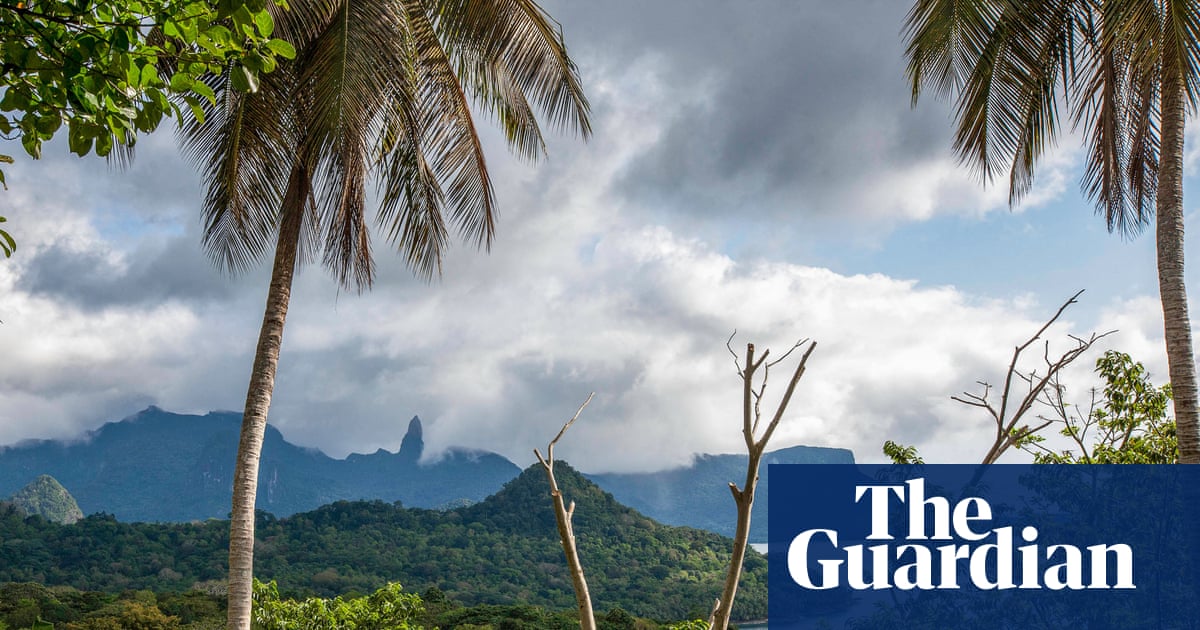
The special nature of Príncipe’s flora and fauna has been known since the 20-mile-long island was stumbled upon by Portuguese navigators in 1471. Uninhabited and separated from the African mainland by over 160 miles of ocean, both Príncipe and its larger southern neighbour, São Tomé, had evolved unique rainforests where giant land snails and crabs were among the top predators. Even now, new species are still being discovered, leading to the nickname “African Galapagos”.