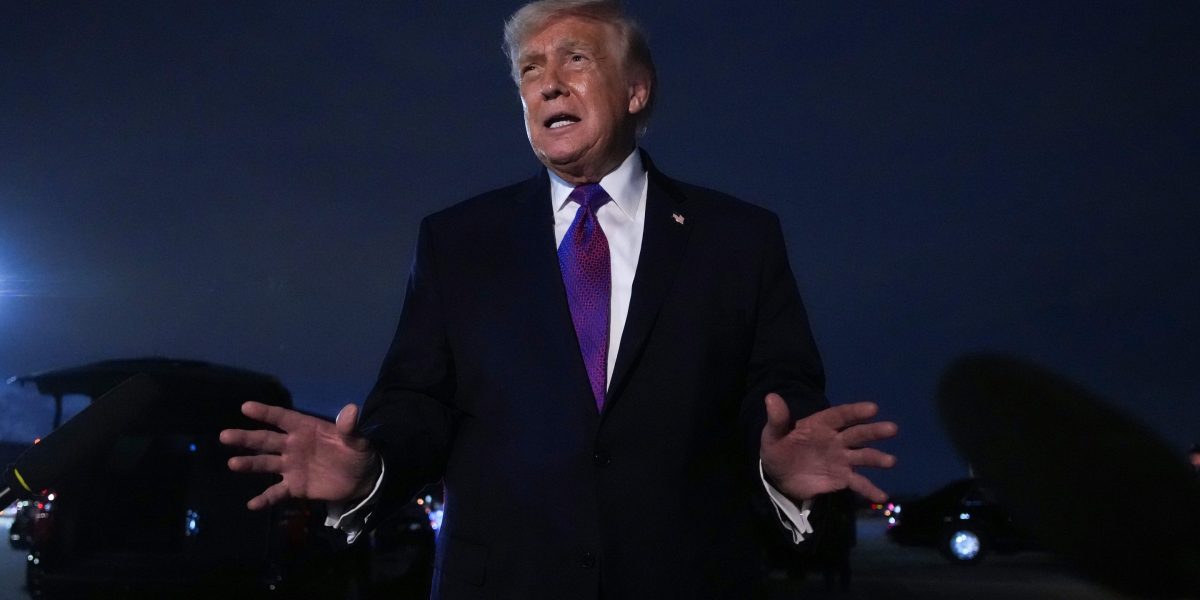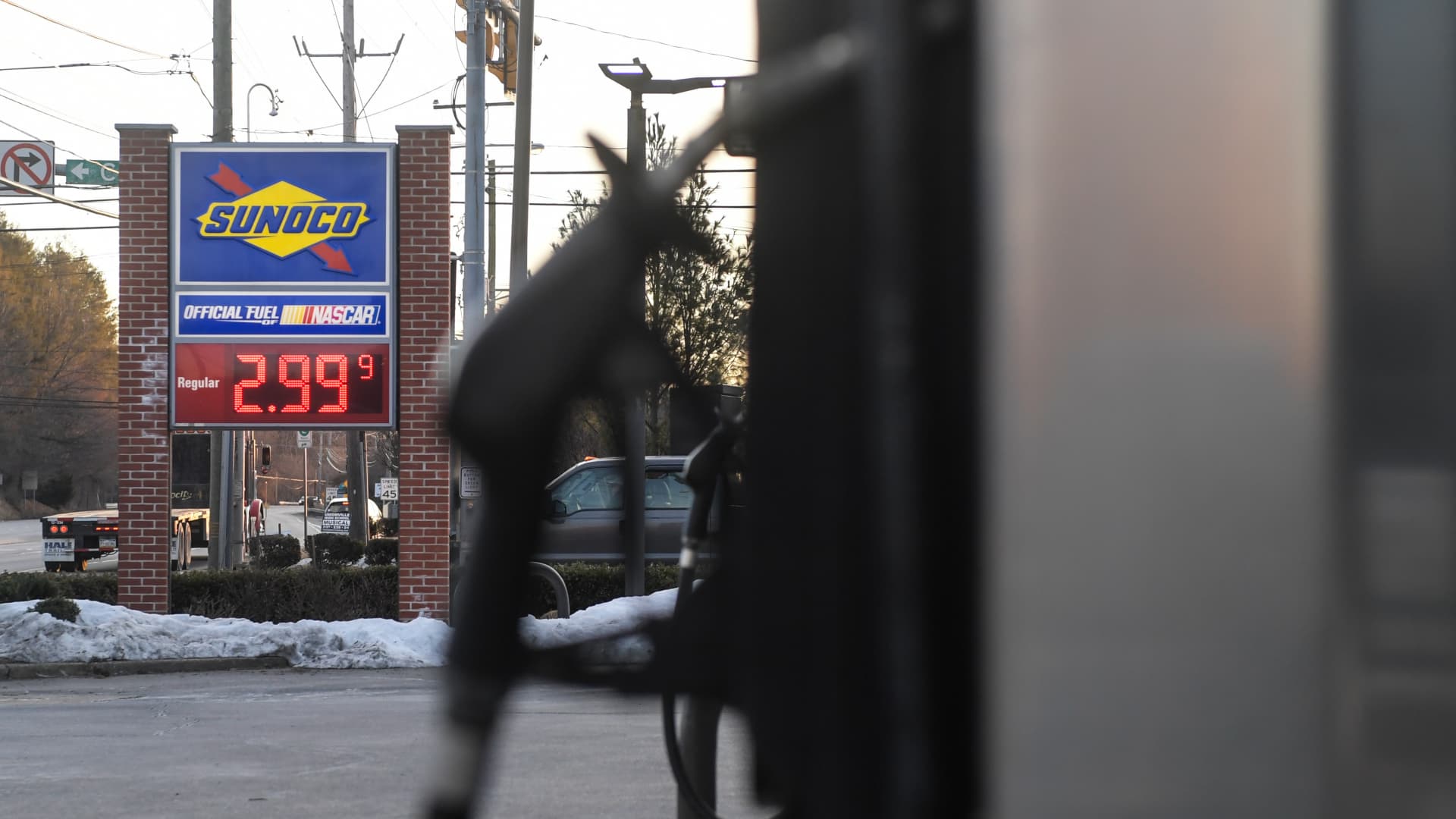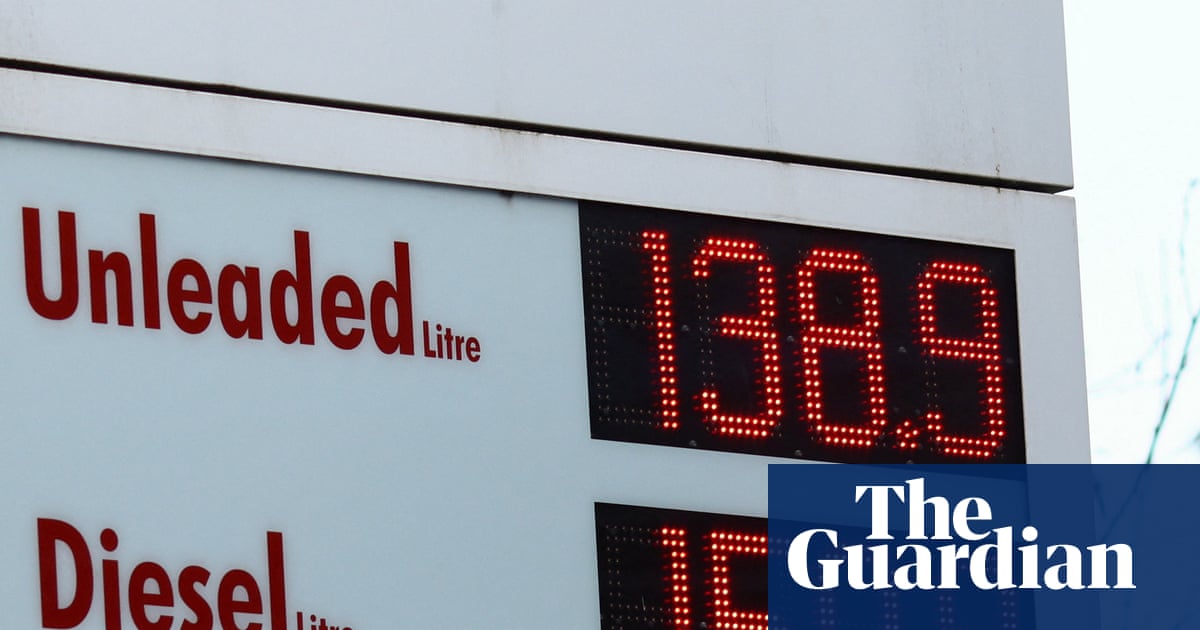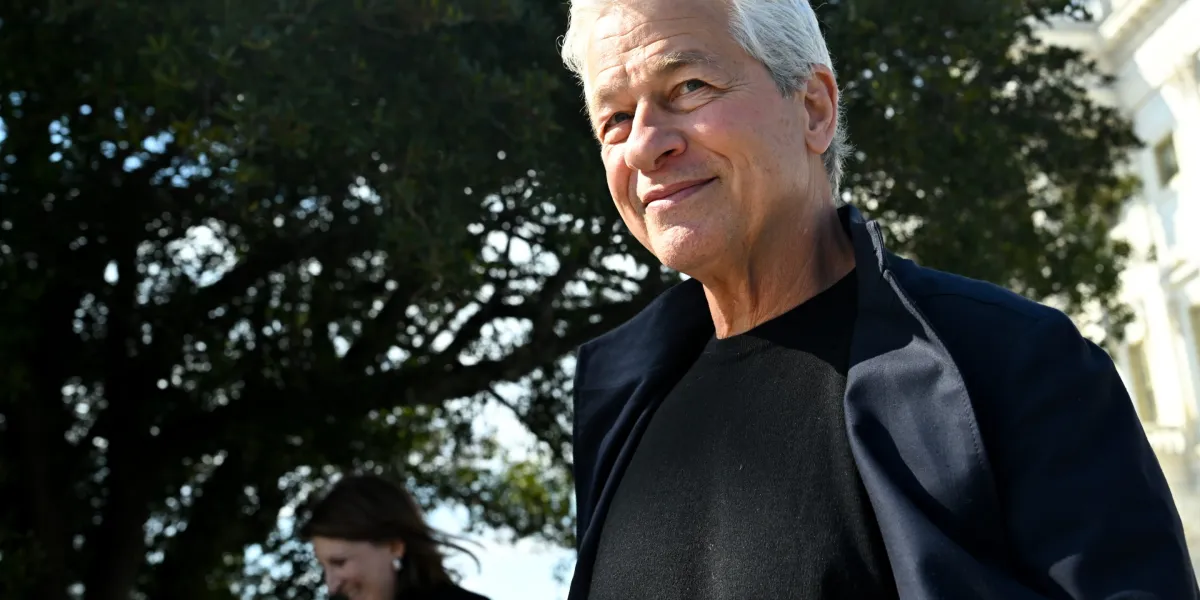
When the U.S. and Israel launched attacks against Iran this weekend, prompting a military response across the Middle East, concerns spiraled from the humanitarian cost to the macroeconomic. On the latter, analysts have been carefully watching for signals that Iran may disrupt global oil supply, pushing prices higher as a result. In the U.S., this would be an unpalatable outcome. Voters, stretched by the pandemic-era price rises and then dogged by concerns about tariff-related hikes, are nervous about any further threats to affordability.Jamie Dimon, CEO of J.P. Morgan, shares their concern. Like many of his peers on Wall Street, he’s not sold on the notion that a conflict in Iran will materially increase the cost of living in the United States—that is, unless it drags on past the month or so that President Trump has suggested.
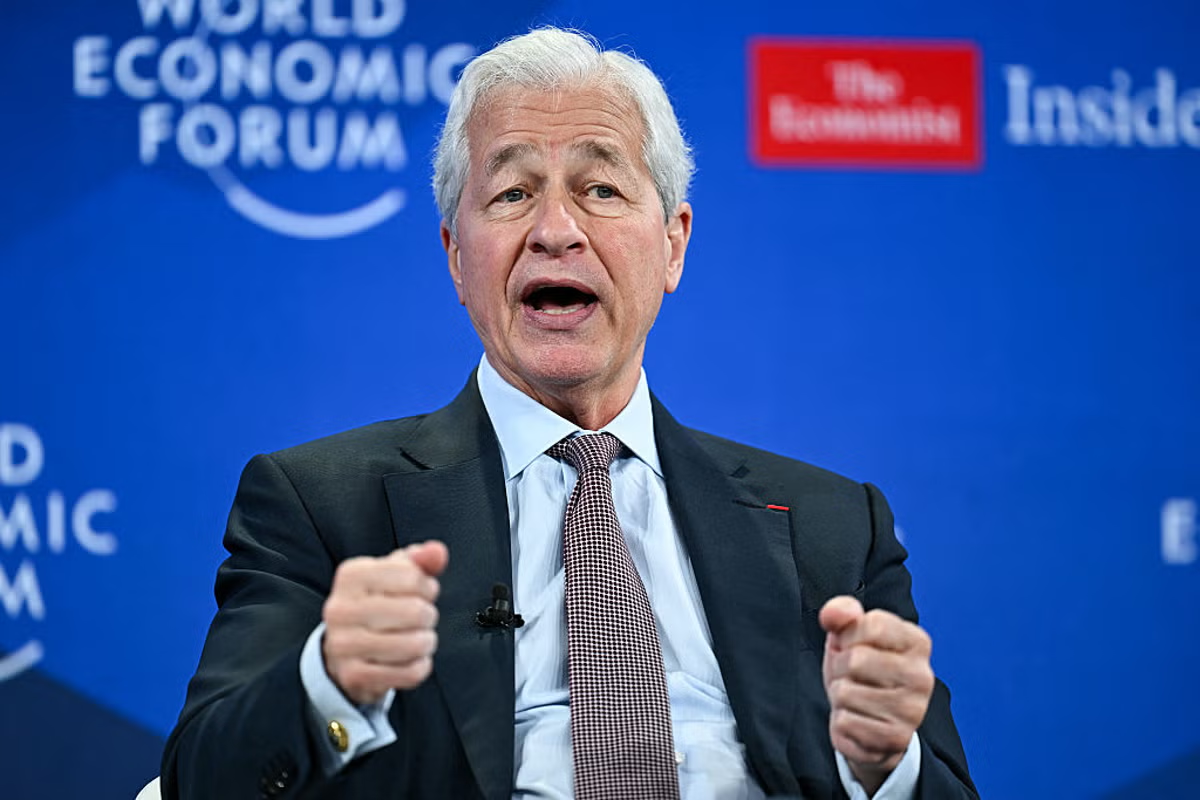
Speaking at the company’s annual global leveraged-finance conference, Dimon warned inflation may prove to be the “skunk at the party.” The proverbial economic mephitidae is unlikely to be triggered by a conflict in the Middle East alone, said the Wall Street veteran, though the threat it poses increases the longer the military action drags on.
Dimon shared his thinking with various outlets, but explained to Bloomberg: “We look at risk, at the broad range of outcomes, and there are negative outcomes. One of them would be inflation; I call it the skunk at the party. It’s been coming down, but it seems to maybe have leveled off around 3%. If things make it go up—and this is only one thing; you can look at medical prices, construction prices, insurance prices, wages—inflation is a big thing. It’s not just oil, so we’ll say.…this will add a little bit, a teeny bit to inflation.”