I
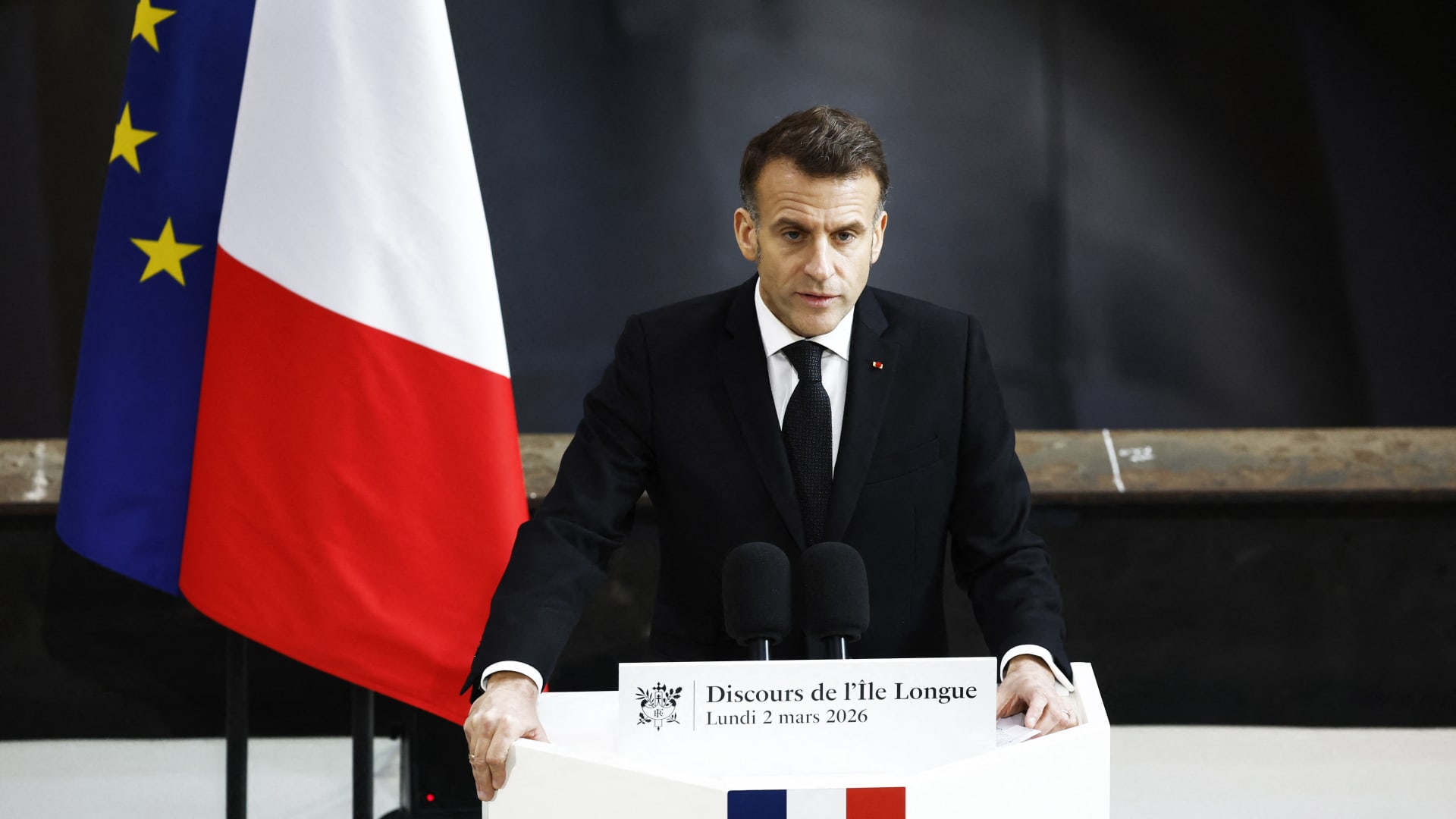
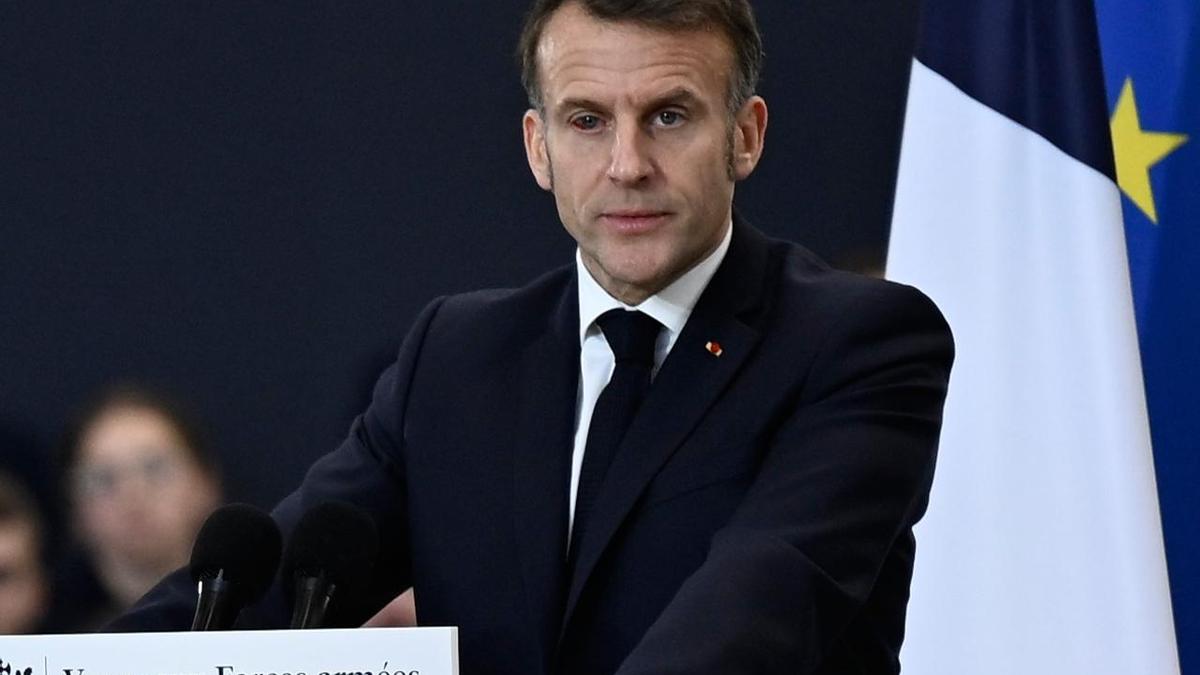
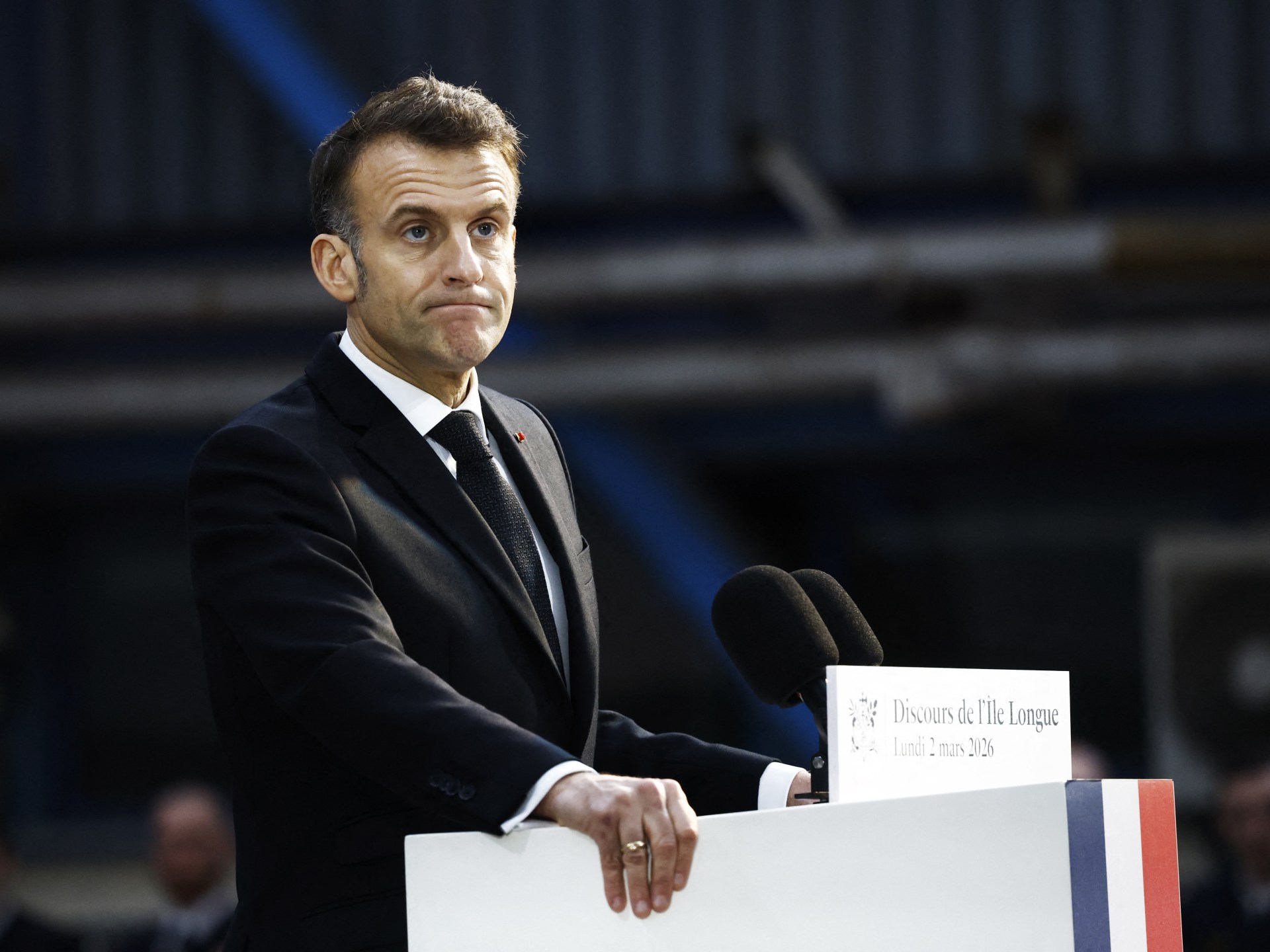
n light of today's new geopolitical context, Europeans have recognized the dawn of a new nuclear era, one in which the old axioms regarding European security and deterrence no longer apply. In search of a new security architecture, European allies – who have traditionally focused on the North Atlantic Treaty Organization (NATO) – have turned to France to better understand its strategic approach and to respond to President Emmanuel Macron's call for dialogue on the role of French nuclear weapons in Europe's defense. It is now up to France to convert these discussions into action. The highly anticipated speech on France's defense and deterrence strategy, scheduled for Monday, March 2, presents that opportunity.
Two developments have shaken the foundations of European strategic complacency regarding deterrence. The first is Russia's full-scale invasion of Ukraine in 2022. Moscow has waged a conventional war under the shadow of nuclear deterrence to limit Western support for Kyiv, put its territory beyond reach and consolidate military gains. The message is clear: Nuclear weapons continue to play a central role in Russian strategy, and Europe must reckon with that reality.
The second development is the return of US President Donald Trump to the White House in January 2025. Washington's confrontational stance and its willingness to condition its defense commitments on a broader political agenda have undermined the confidence of many Europeans. Despite reassurances from the Trump administration, many wonder whether the American promise to defend Europe – conventionally or even with nuclear means – remains credible.