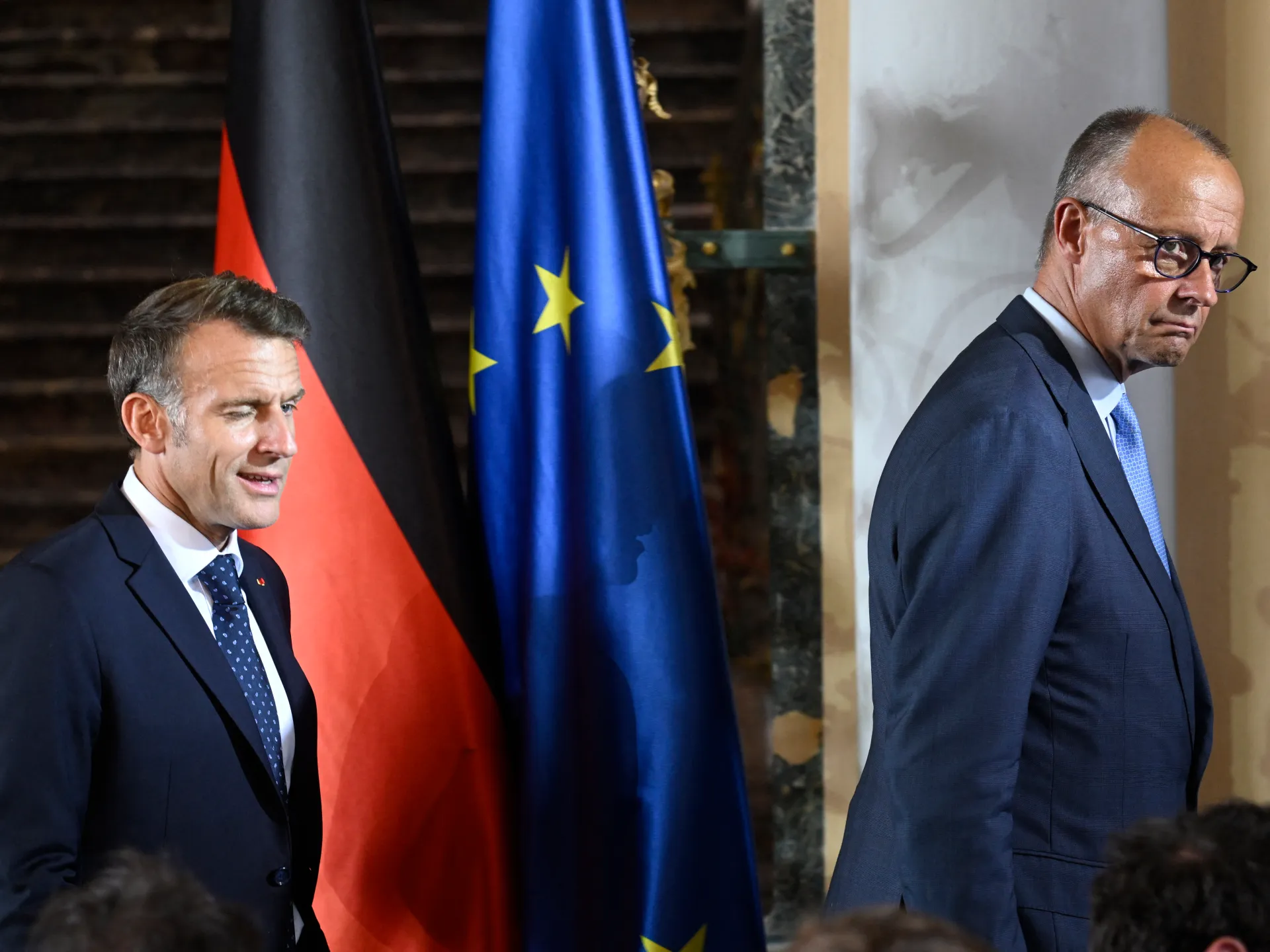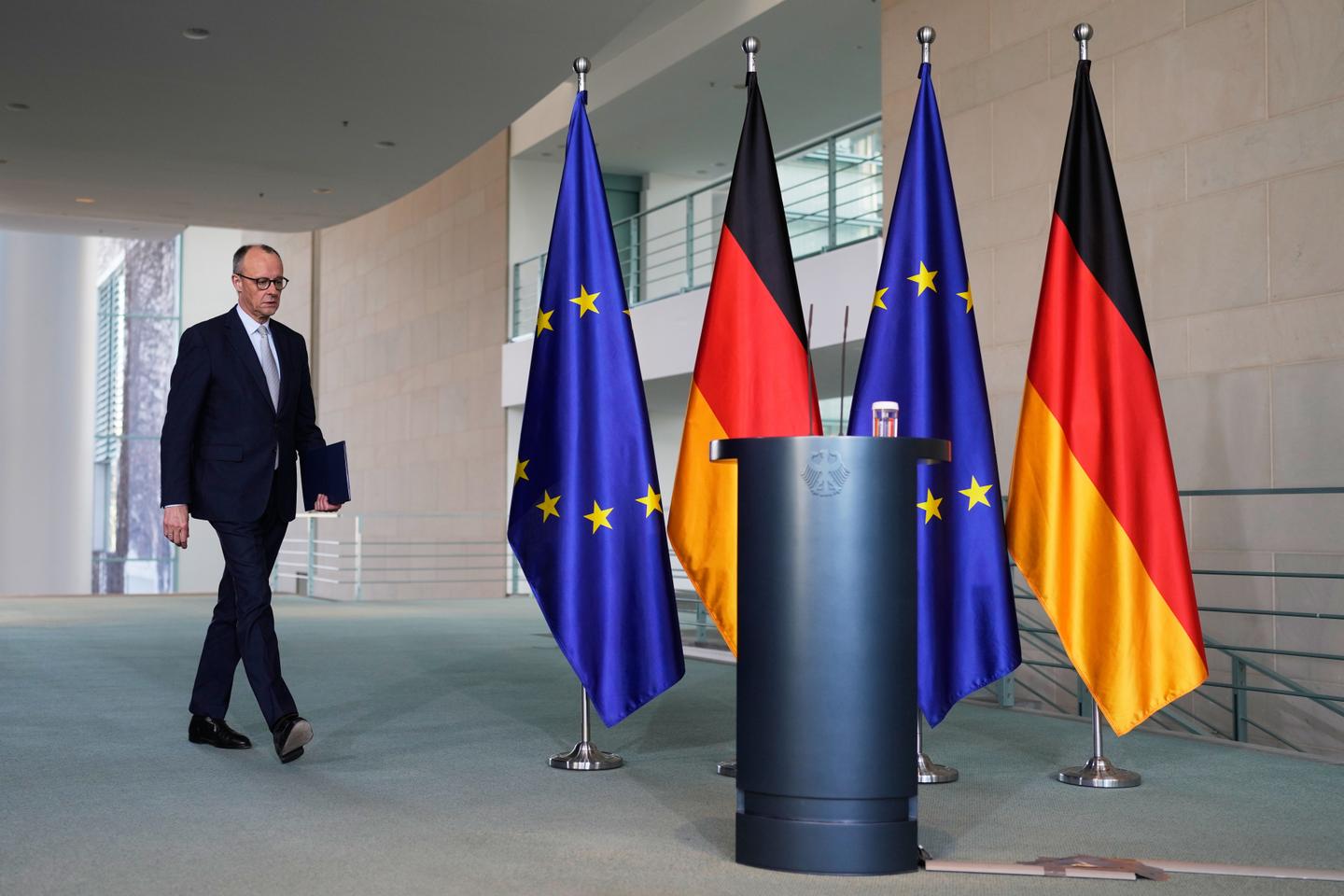
German Chancellor Friedrich Merz at the Federal Chancellery in Berlin, March 1, 2026. MARKUS SCHREIBER/AP
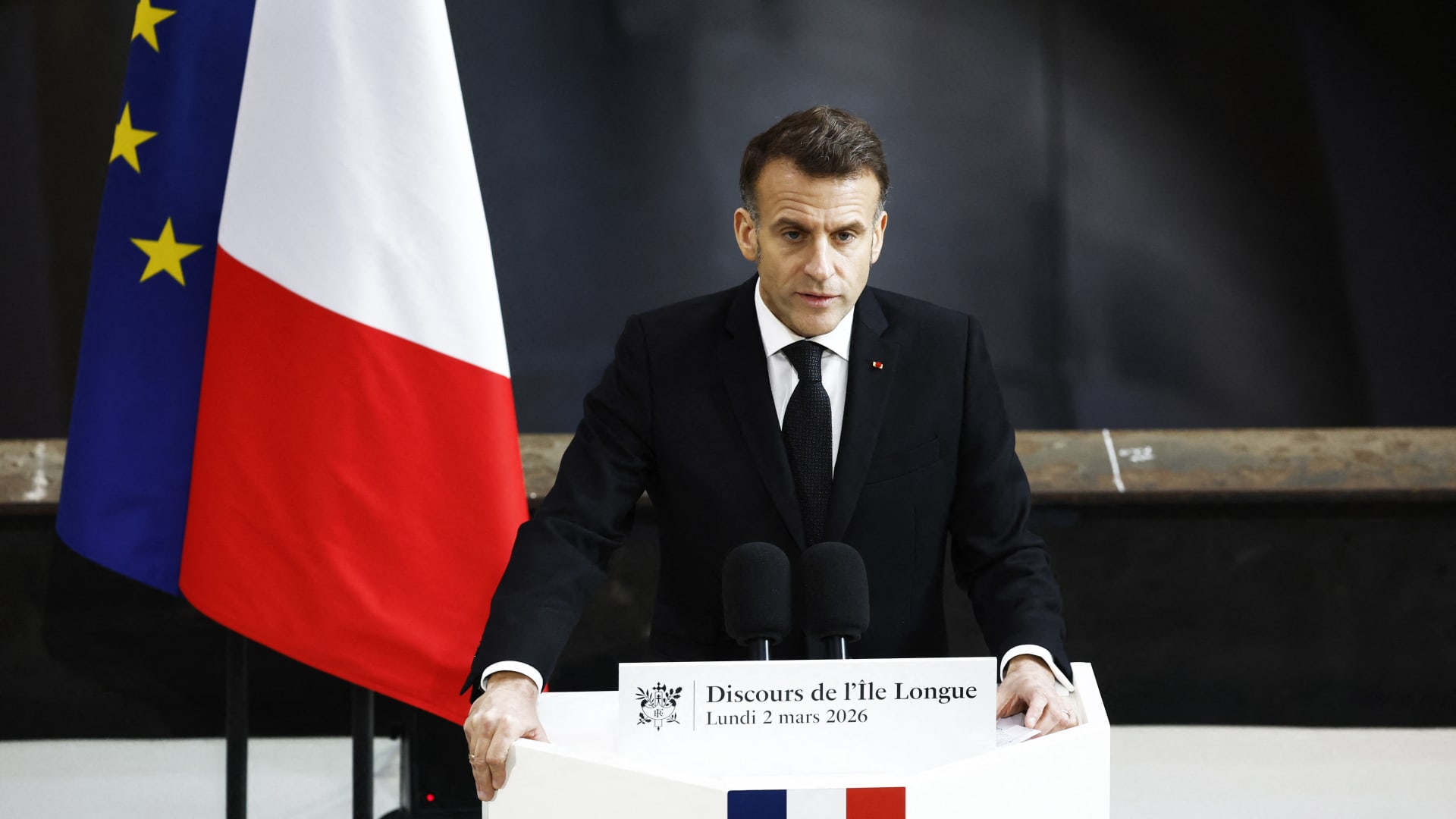
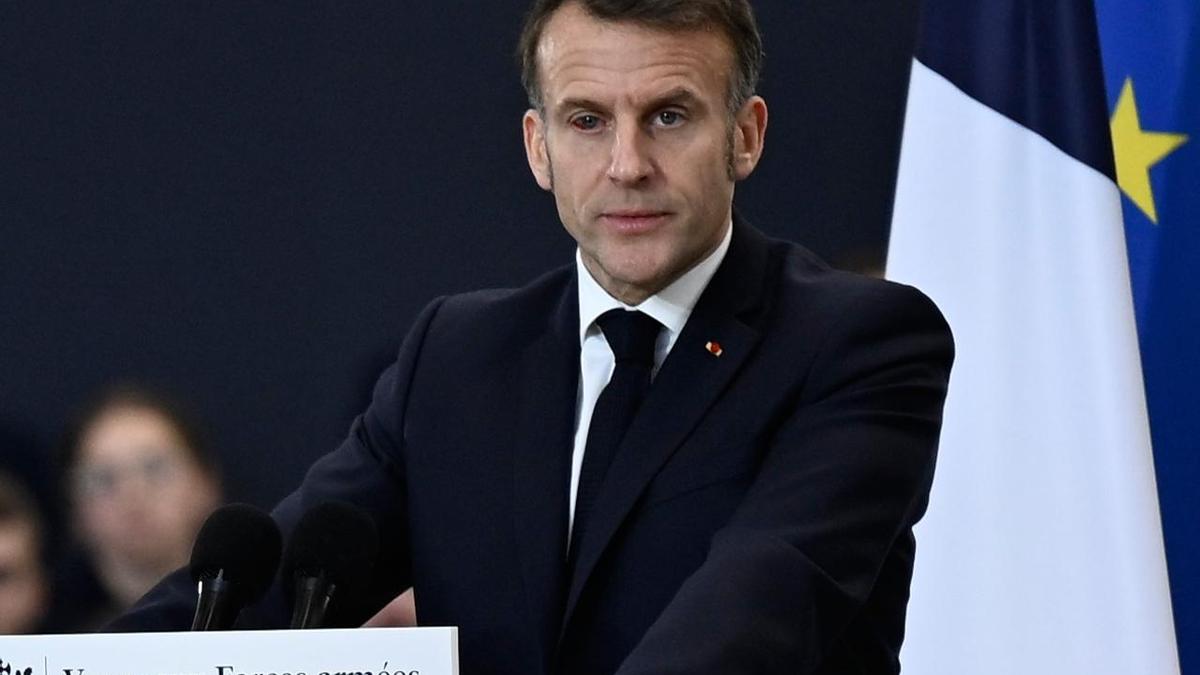
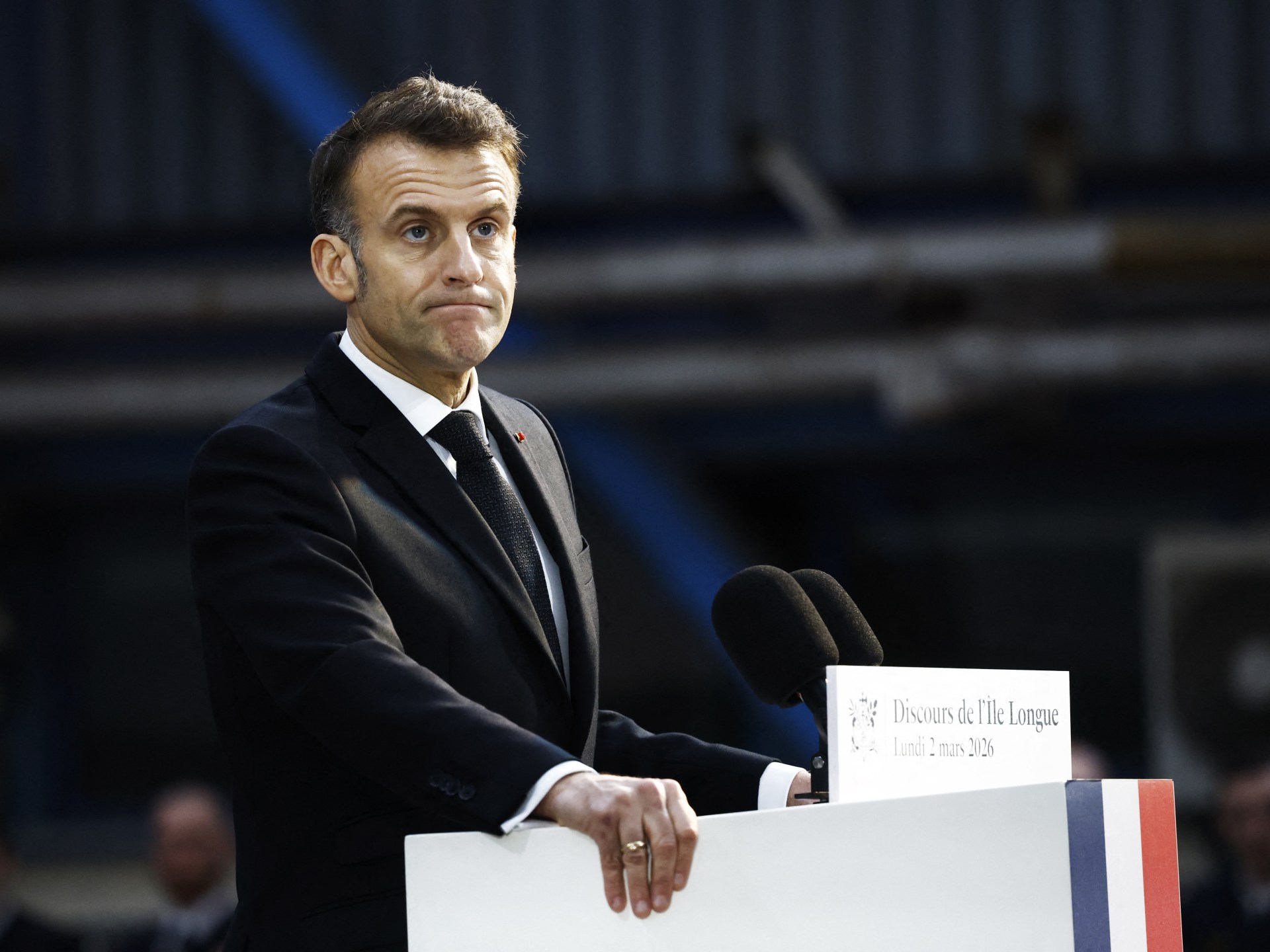
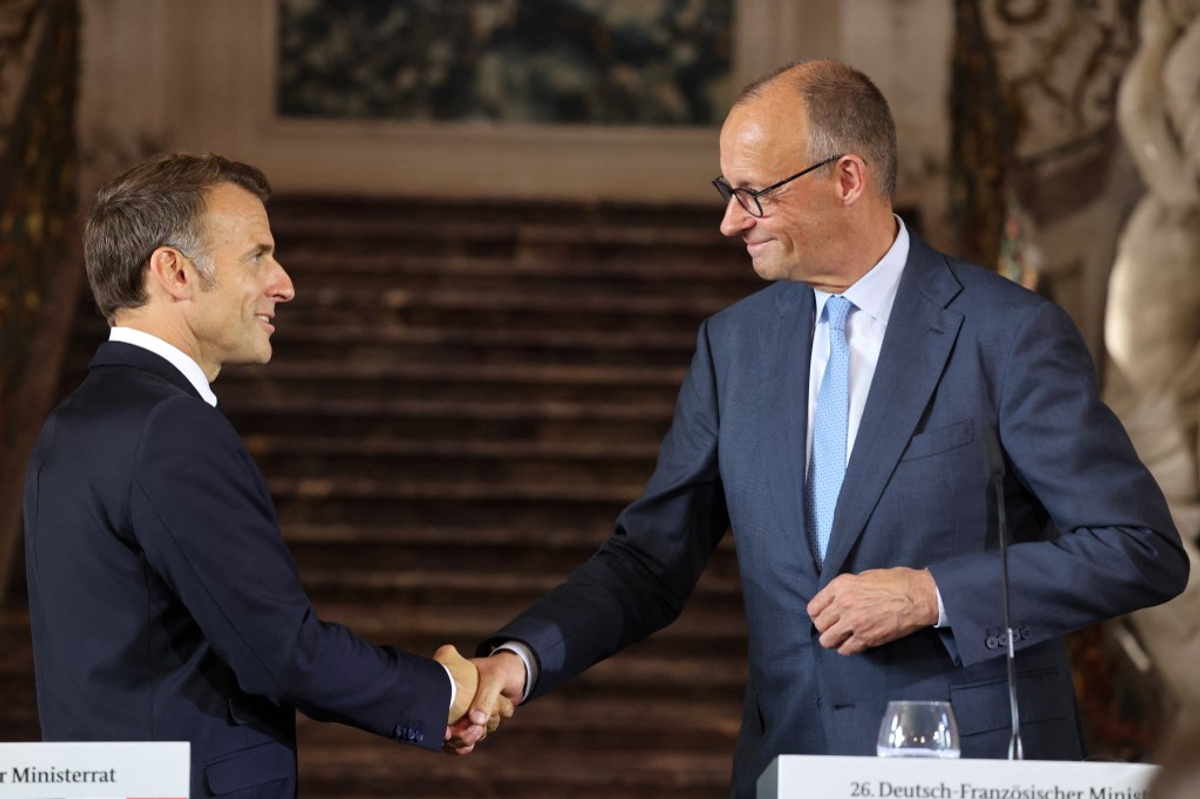
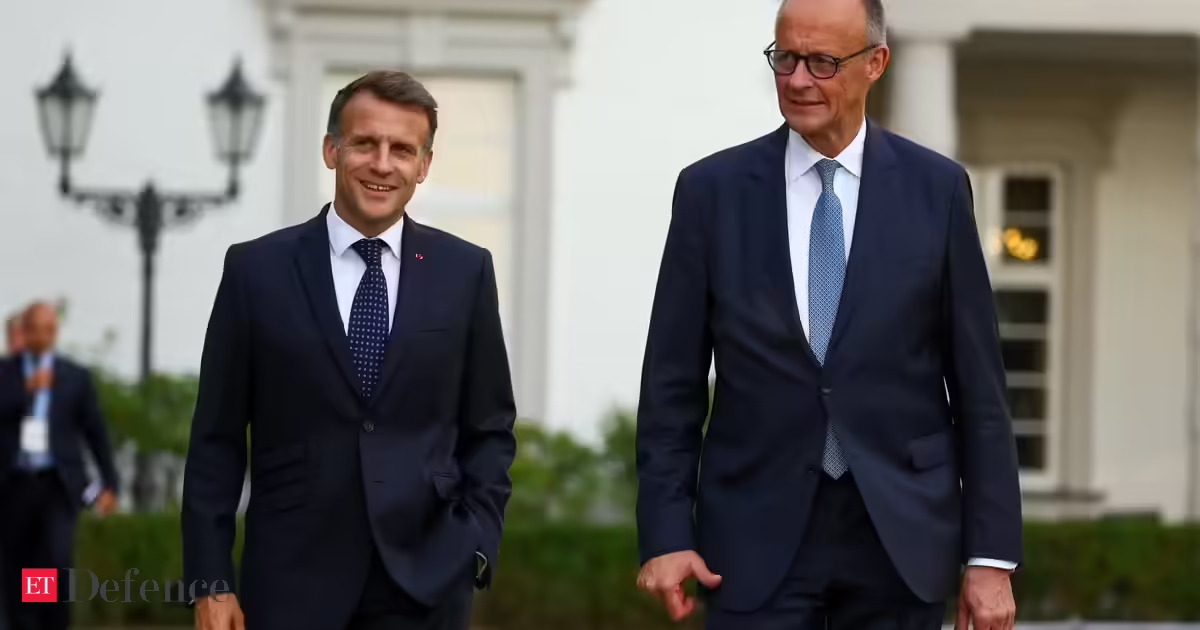
"Germany is our essential partner," Emmanuel Macron summarized during his speech on nuclear deterrence on Monday, March 2. Indeed, if there is one country to which the concept of France's "vital interests" – as defined by the French nuclear doctrine – extends, it is Germany. The French president reiterated this point on Monday, mentioning France's large neighbor no fewer than five times in his speech, which had been coordinated in advance with Berlin. The president's address concluded with a joint statement from France and Germany, as the chancellor departed for a two-day visit to Washington.
The conservative chancellor's arrival in May 2025 has renewed the Franco-German dialogue on sharing nuclear deterrence, as Friedrich Merz has sought to be realistic about the reliability of Germany's American ally and protector. In his speech at the Munich Security Conference on February 13, the chancellor had referred to "preliminary discussions" with France, expressing hope for concrete progress as early as 2026.
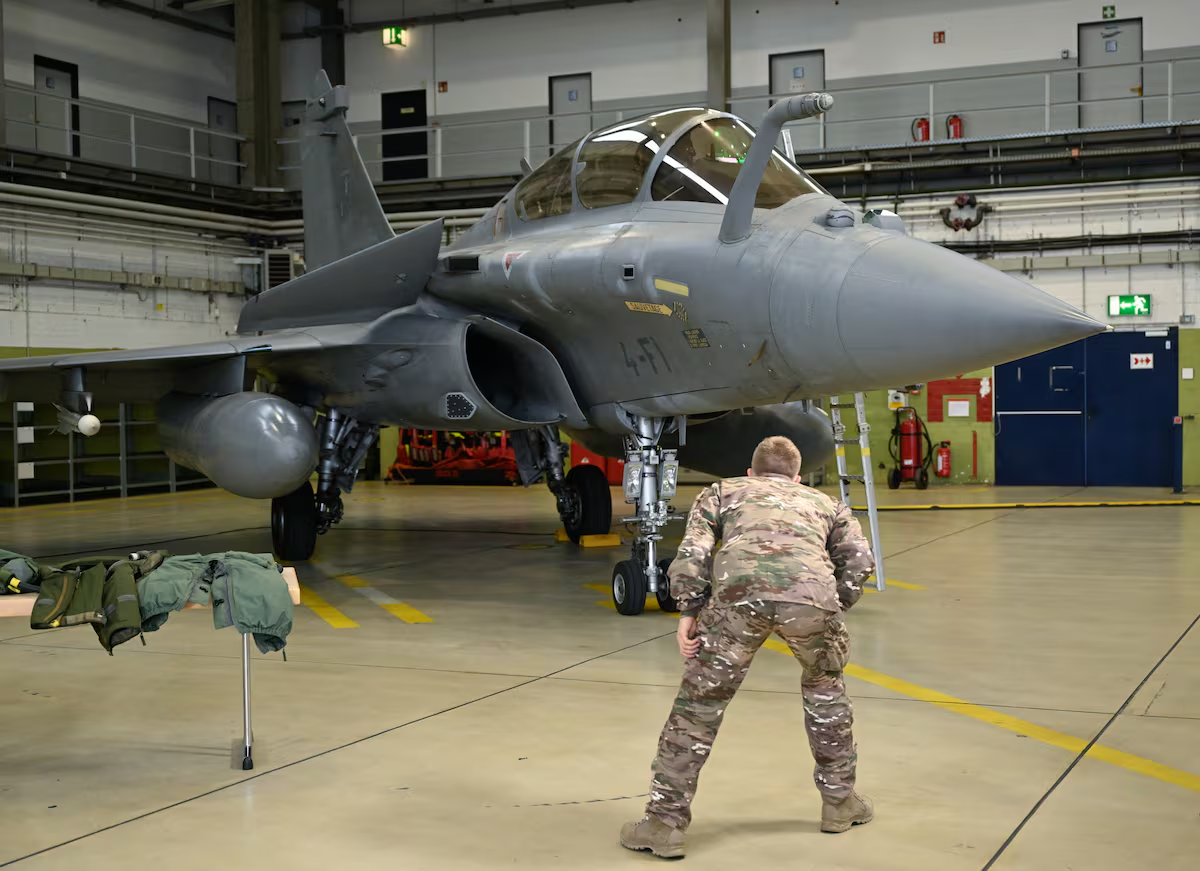
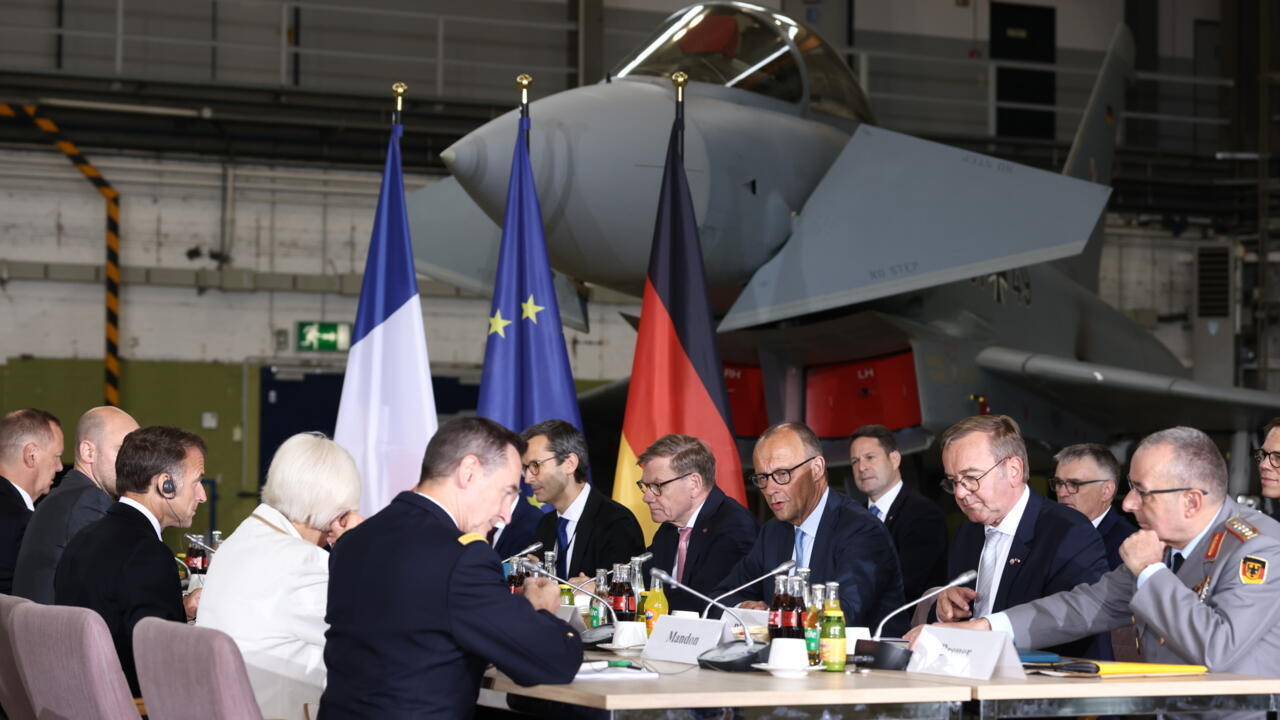
The first steps were partly unveiled on Monday. France and Germany have set up a "high-level nuclear steering group," which will serve as a framework "for doctrinal dialogue and the coordination of strategic cooperation," according to the joint declaration. Additionally, starting in 2026, Germany will participate "in French nuclear exercises" in a conventional capacity, in "joint visits to strategic sites" and in the "development of conventional capabilities" alongside European partners.