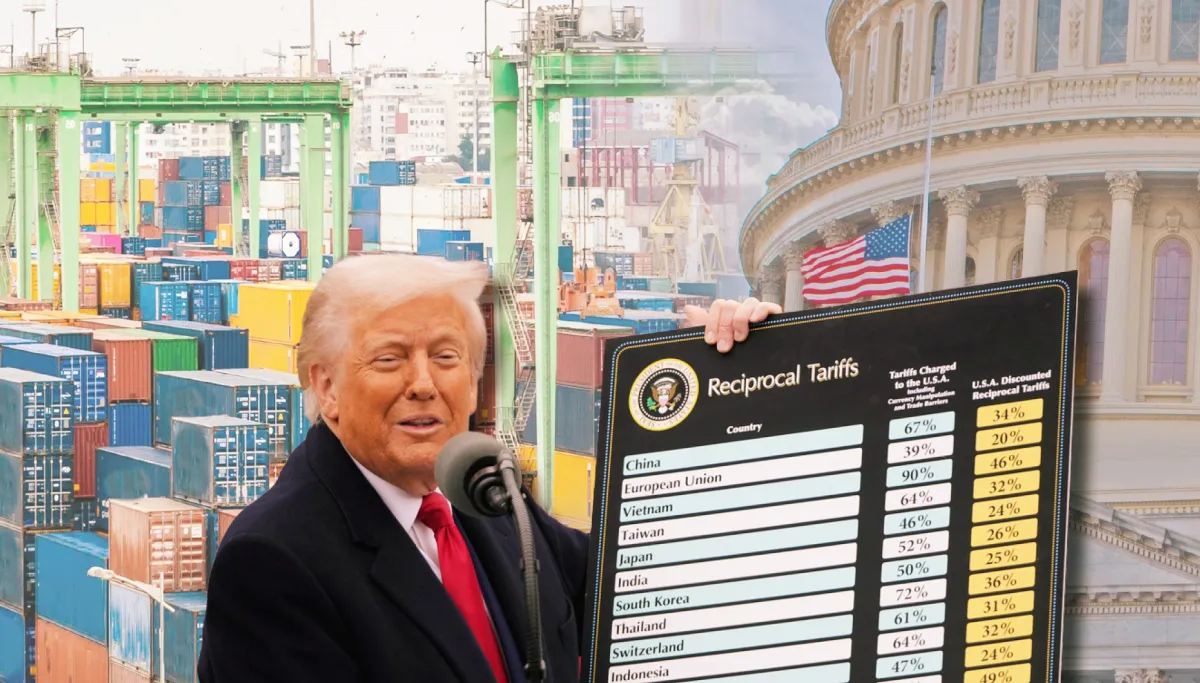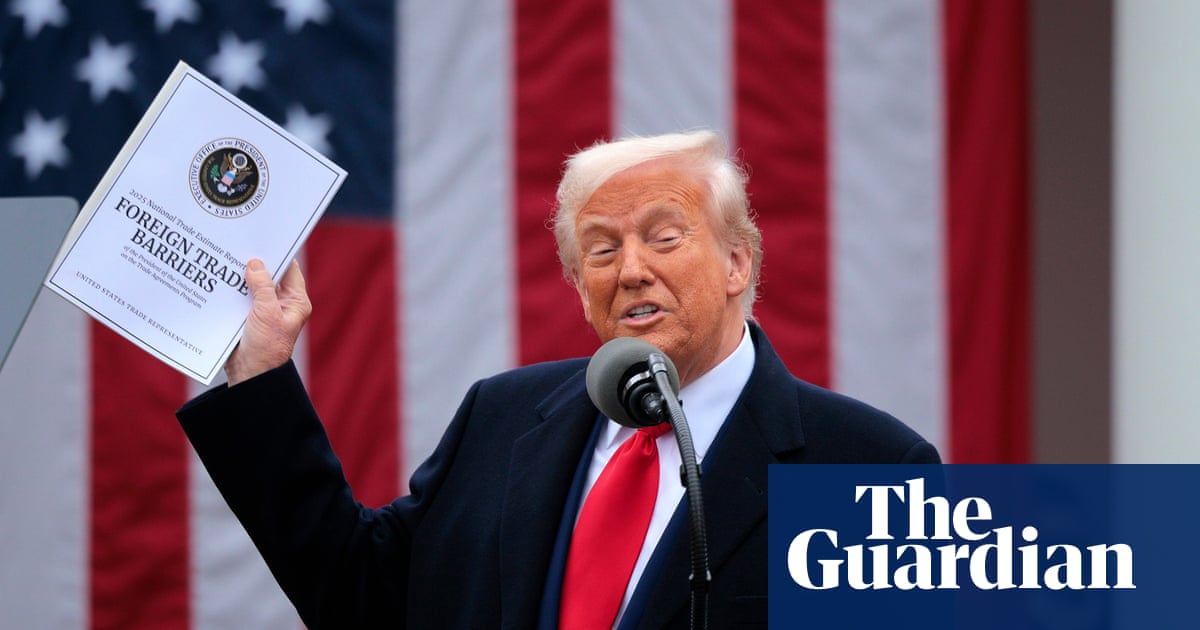
On Liberation Day, President Trump held up what most economists correctly thought was a rather silly reciprocal tariff chart. Armed with that chart and under the cover of the International Emergency Economic Powers Act (IEEPA) of 1977, Trump then imposed reciprocal tariffs on most of the world’s other countries.
To pass the legal smell test, actions taken by the president under the IEEPA must be in response to an “unusual and extraordinary” foreign threat to our national security. Does the U.S. trade deficit pose a foreign threat? Hardly. The U.S. has incurred a trade deficit each and every year for the past 50 years, and those deficits have never posed a threat to America’s national security. Indeed, trade deficits have become routine.
But aren’t the deficits “bad,” as claimed by President Trump? Hardly. As long as they can be financed with ease, trade deficits are “good.” They allow Americans to live high off the hog by consuming more than they produce.
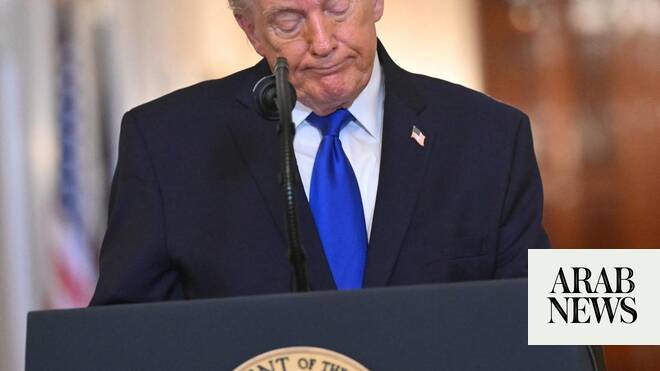
So, when the Supreme Court struck down Trump’s reciprocal tariffs, it didn’t surprise me. The court was not “unpatriotic and disloyal to the Constitution,” as President Trump asserted in his response to the decision. Indeed, it’s obvious to all that U.S. trade deficits do not pose a national security threat and do not rise to the level of a national emergency.