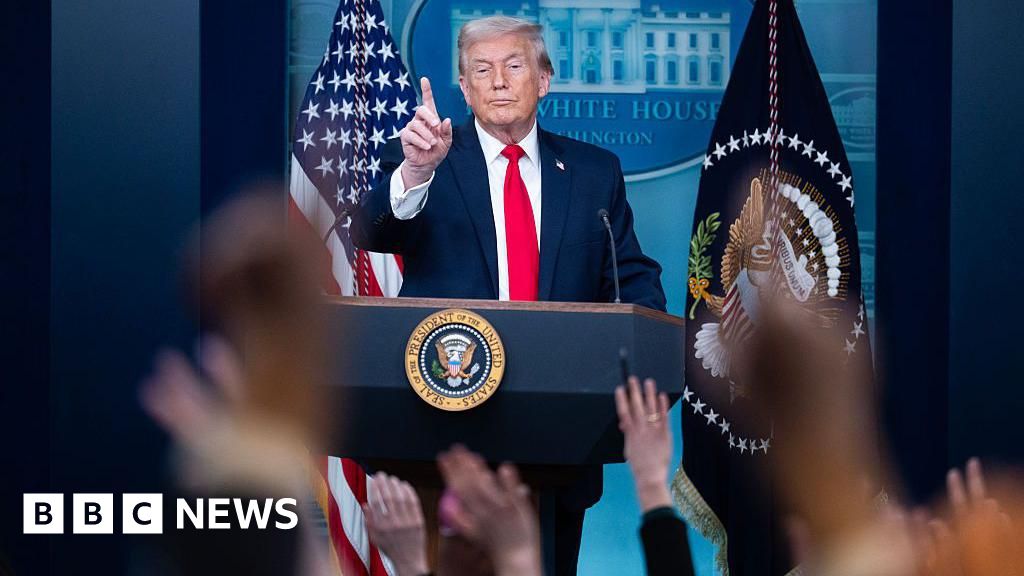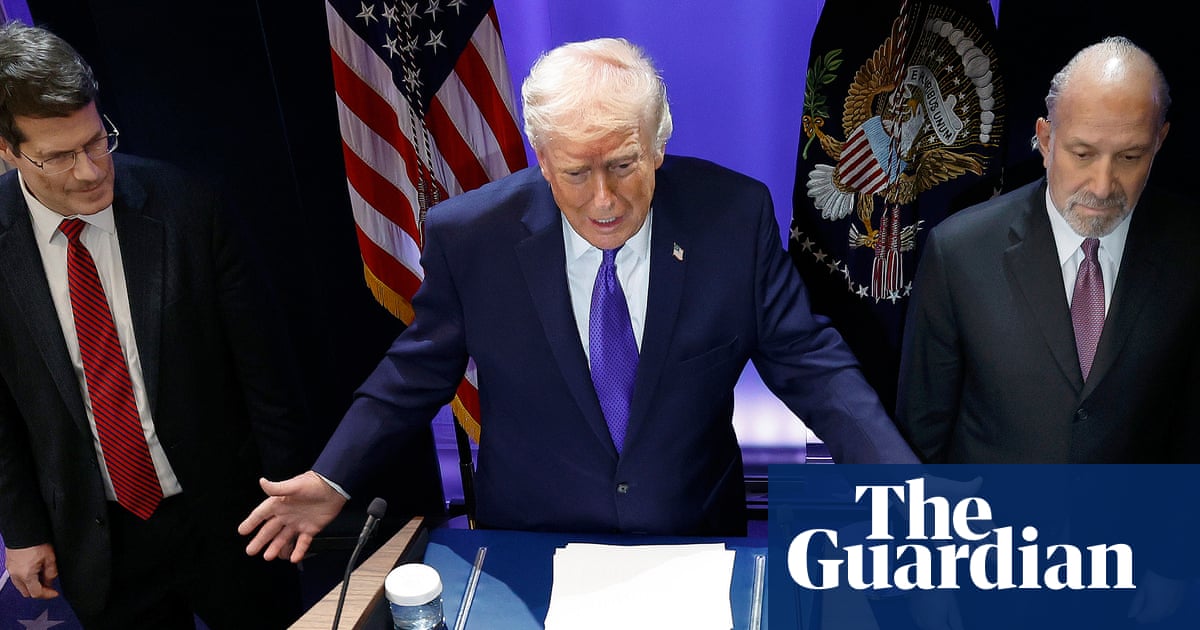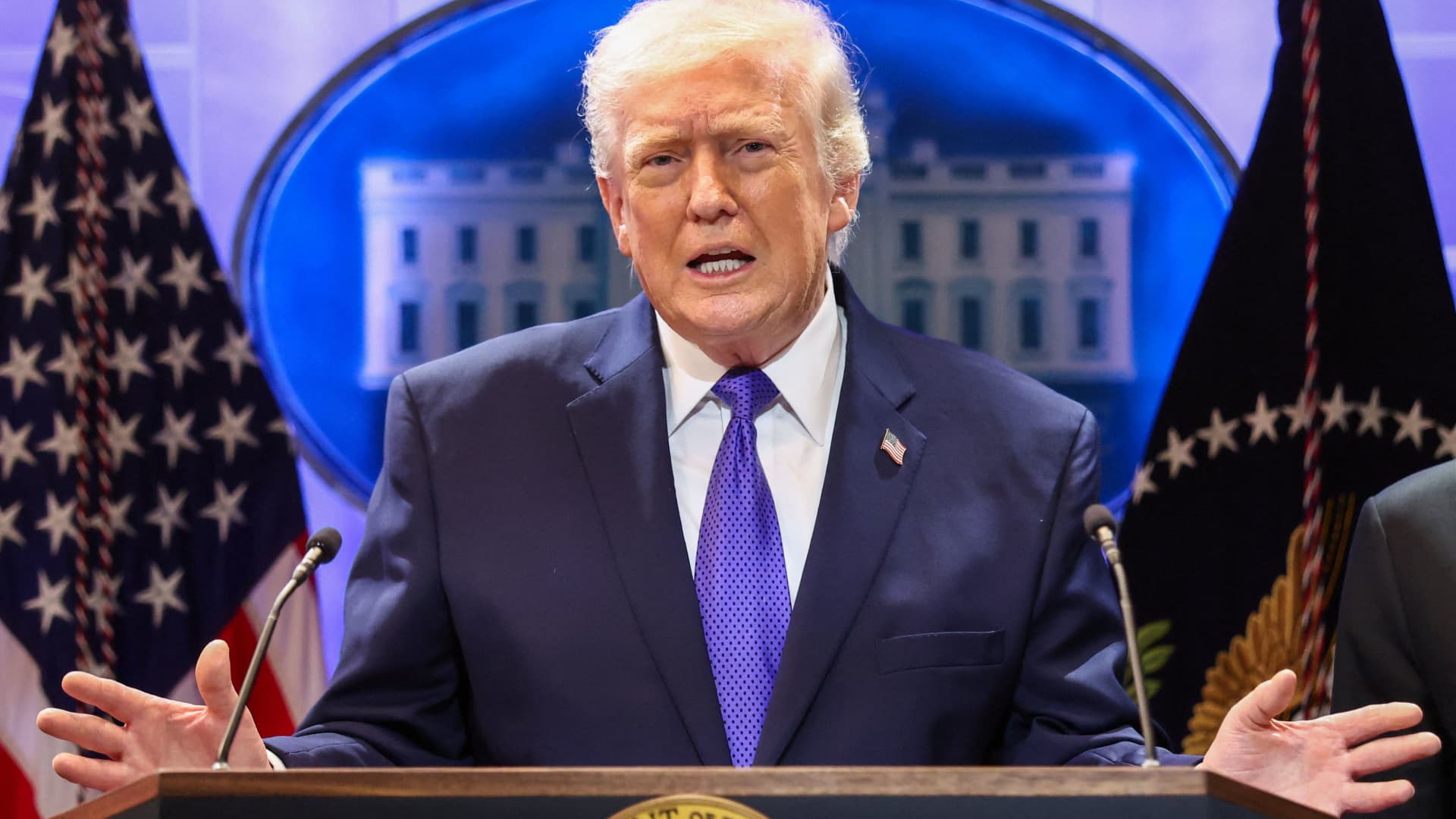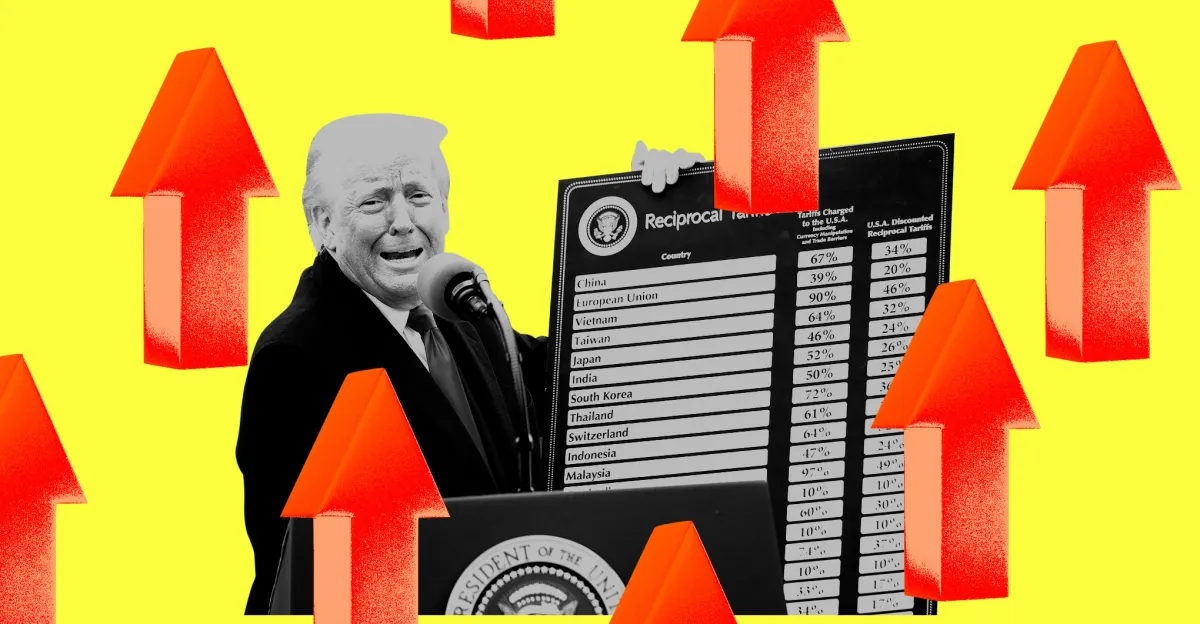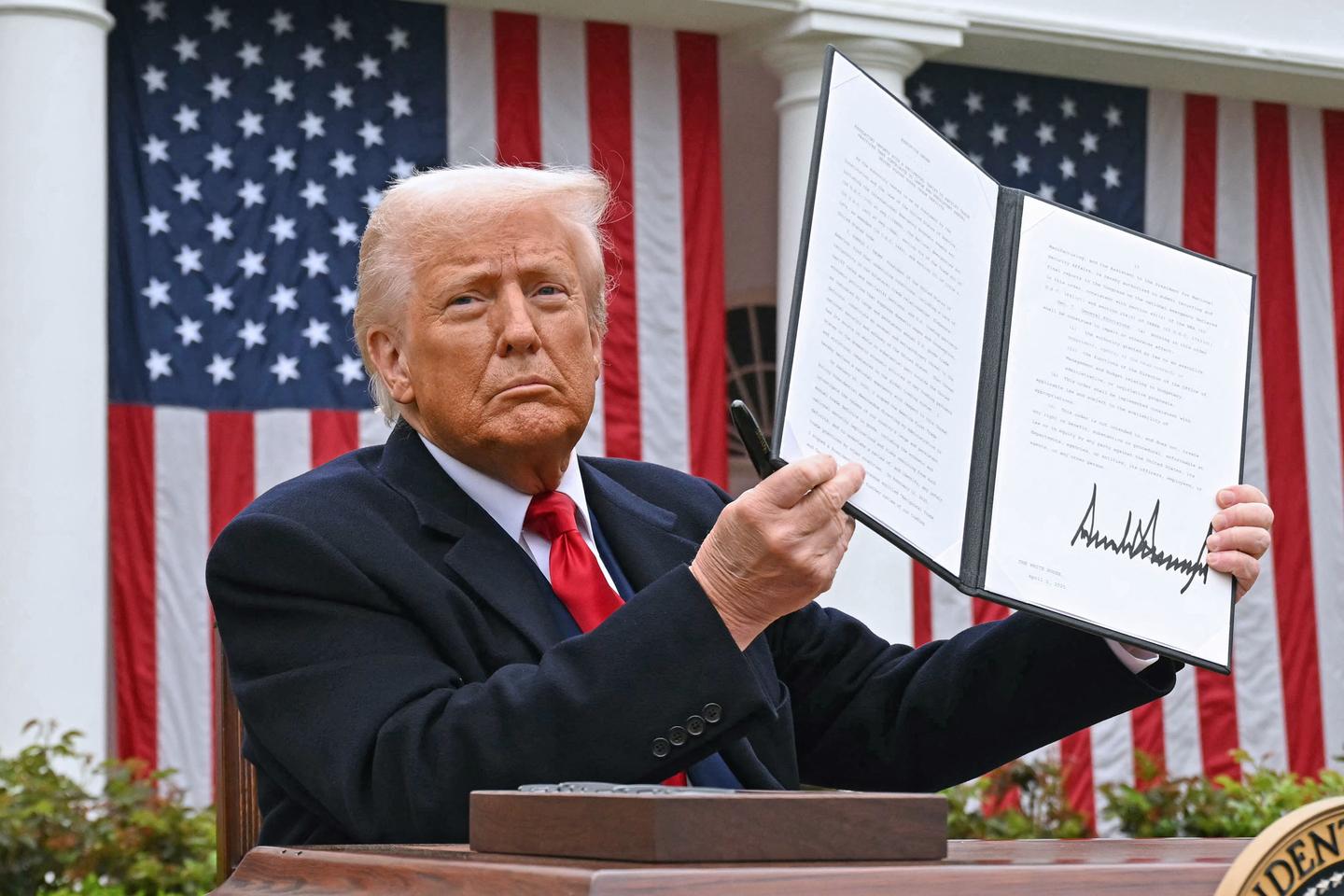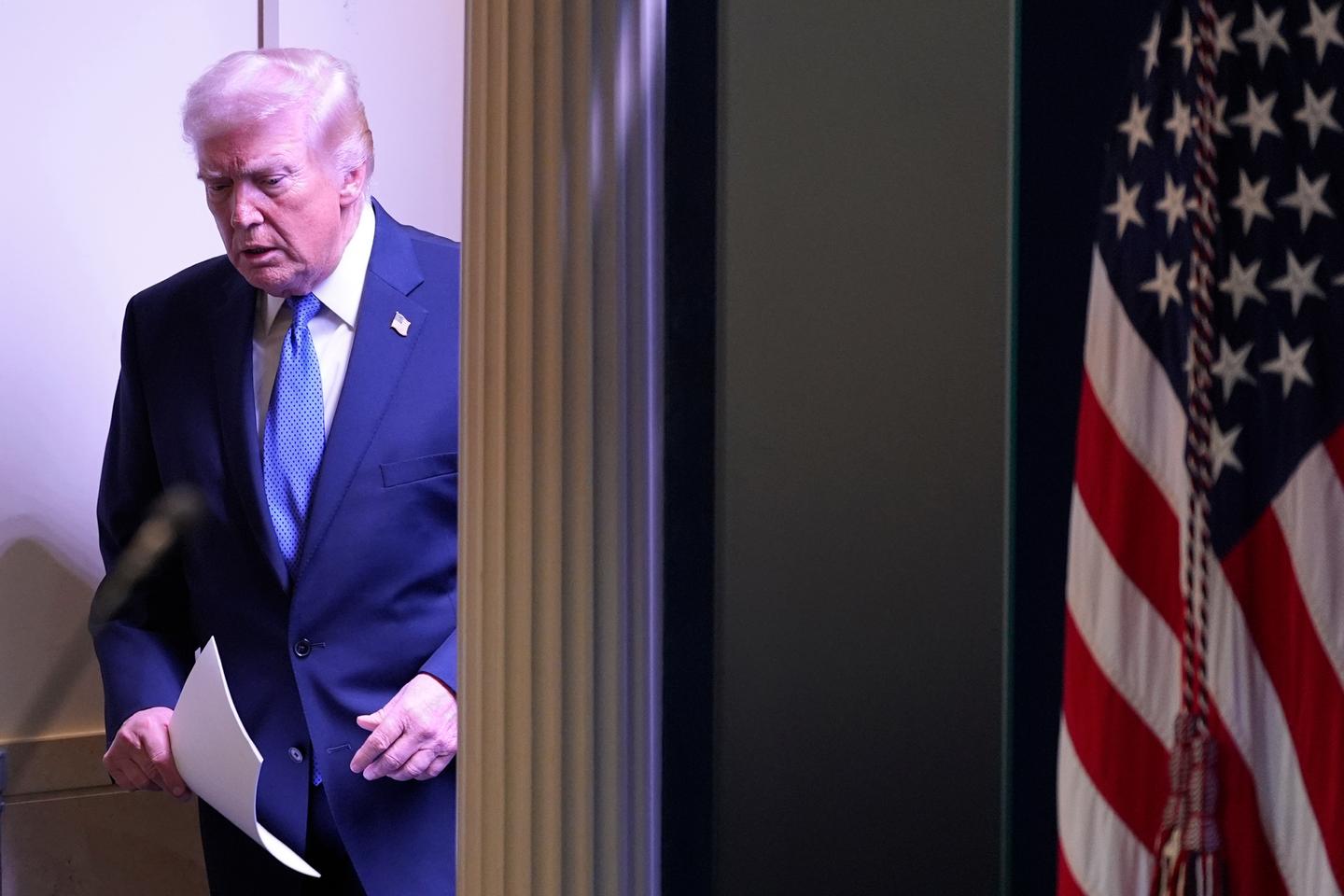
Donald Trump at the White House in Washington, February 20, 2026. Alex Brandon/AP ALEX BRANDON/AP
Economist Sébastien Jean, the Jean-Baptiste Say Chair of Industrial Economics at the Conservatoire National des Arts et Métiers (CNAM) in Paris, believes that the US Supreme Court's decision to overturn Donald Trump's tariffs on Friday, January 20, will not bring an end to his protectionist policies, but it will limit his room for maneuver.
Does the Supreme Court's decision call Donald Trump's trade policy into question?
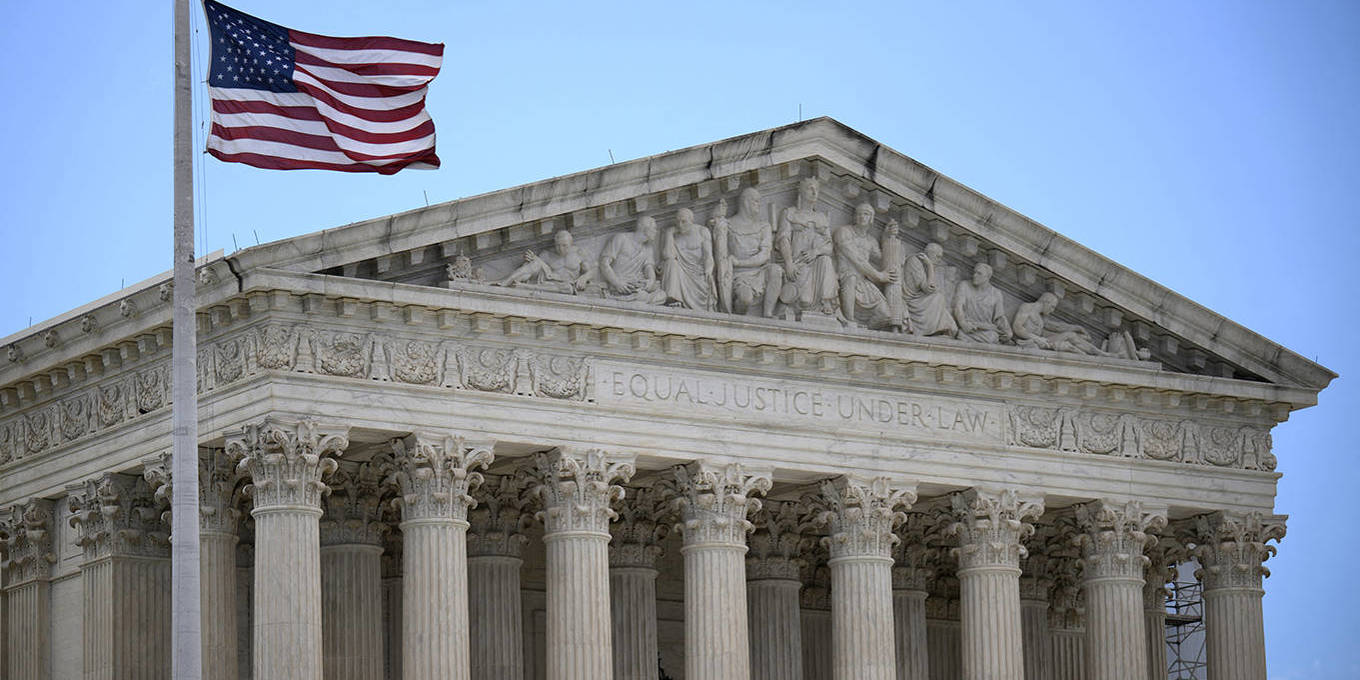
The justices narrowly focused their decision, first by declining to rule on whether tariffs should be reimbursed. That issue was sent back to the US Court of International Trade, based in New York, and will be at stake in the coming months. The justices ruled only on whether Donald Trump was authorized to invoke a law on emergency economic powers in order to impose tariffs without Congressional approval.
Their conclusion, endorsed by half of the six conservative justices, is clear: The law does not authorize him to do so, since tariffs fall under the exclusive fiscal authority of Congress. Congress can only delegate its power to the president in explicit and limited terms. In other words, the president abused his power. This is a political rebuke for Trump. And, in a way, also for Congress, since – although not stated explicitly – it means Congress allowed itself to be stripped of its prerogatives without reacting.